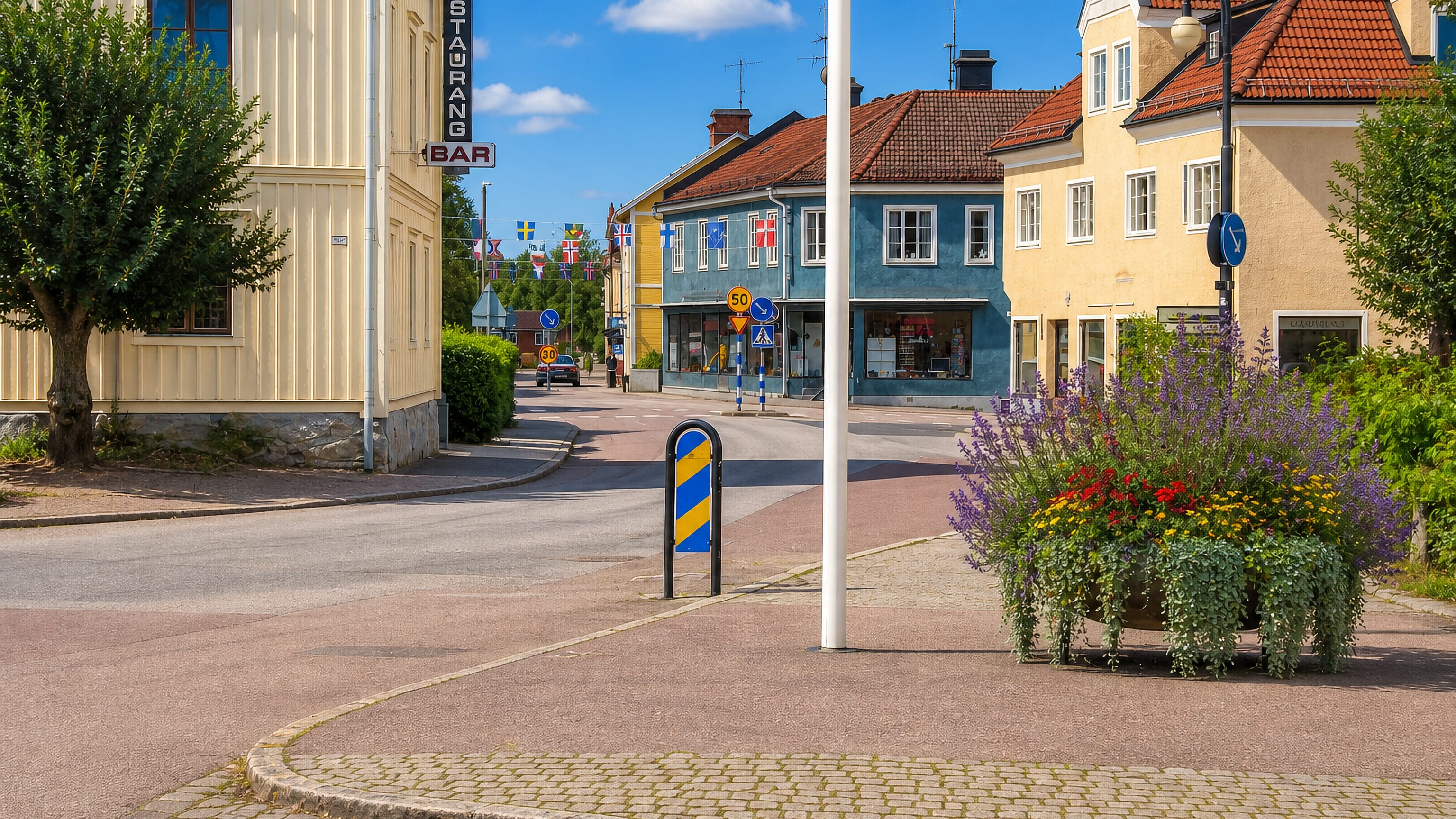
Sweden · Västmanland County
Where to Stay in Norberg, Västmanland County
Norberg is a municipality in Västmanland County, one of Sweden's oldest mining districts, in the iron country of central Sweden.
Hotel links are affiliate links: booking through them may earn us a commission, at no extra cost to you. It never affects how places are ranked. How this works


Where to stay in Norberg
The practical side of choosing where to sleep.
Norberg keeps only a small stock of rooms. The compact centre suits visitors here for the mining heritage, the lakes, and walking the old ore fields; stay here if early starts on the heritage trails and a quiet evening matter more than a choice of restaurants. The town is small and walkable, and the mining trails start close to its streets.
For more beds, travellers commonly base in Sala or push on to Västerås and visit Norberg on a day trip by car. Walkers following the mining trails sometimes take cabins out by the lakes instead of a town room. Secure a Norberg room in advance.
With limited options in the town, a confirmed bed saves a long evening drive when the season is busy. Each base trades choice for quiet, or distance for comfort, and self-catering works well for longer stays.
Few places to stay in Norberg — most visitors book in Sala nearby.
Things to do in Norberg
Ranked by global recognition; descriptions from Wikidata (CC0).
Museums & Galleries
3- Thorshammars verkstad Heritage working life museum
- Karlbergs hembygdsgård
- Bergslagens medeltidsmuseum och Nya Lapphyttan
Churches & Religious Sites
1- Norberg Church Heritage
worth knowingacross 2 categories in Norberg
About Norberg
Iron mining made Norberg, and made it early.
What is Norberg known for?
People dug ore and smelted iron in these hills from the Middle Ages, in what counts among the oldest mining districts in the country, leaving a landscape pitted with shafts, dams, and the stone footings of old furnaces. The ground still shows the work. Trails thread the old mines.
What are the main landmarks in Norberg?
Norbergs kyrka stands at the heart of the old town, a medieval stone church among the mining streets. Out in the district lies Lapphyttan, the site of an early blast furnace where archaeologists traced one of the oldest known iron-smelting operations in Europe, now marked by a reconstruction. Old mines pock the woods.
Flooded shafts and waste heaps tell the rest.
What is the history of Norberg?
Iron made this place. From the Middle Ages, people dug ore and smelted iron in the hills around the town, building one of the oldest mining districts anywhere in Sweden. The work shaped everything that came after.
Ore fed furnaces, furnaces fed forges, and the trade pulled settlement into a thin, rocky country that farming alone could never have held. These hills belong to central Sweden's old iron country. Lapphyttan marks the deep root of that story, the site of an early blast furnace where archaeologists traced one of the oldest known iron-smelting operations in Europe, now standing as a reconstruction by the old fields.
Norbergs kyrka rose in the same centuries. Its medieval stone still anchors the old town, among streets that grew up around mining rather than farming or trade along a coast. Mining slowed, then stopped.
What remains is the ground itself, pitted with shafts and dams and the stone footings of furnaces, with flooded pits and waste heaps reading like a record of centuries of labour. Walkers can still follow the line of the diggings from one flooded shaft to the next. Heritage trails thread the old fields.
Where is Norberg?
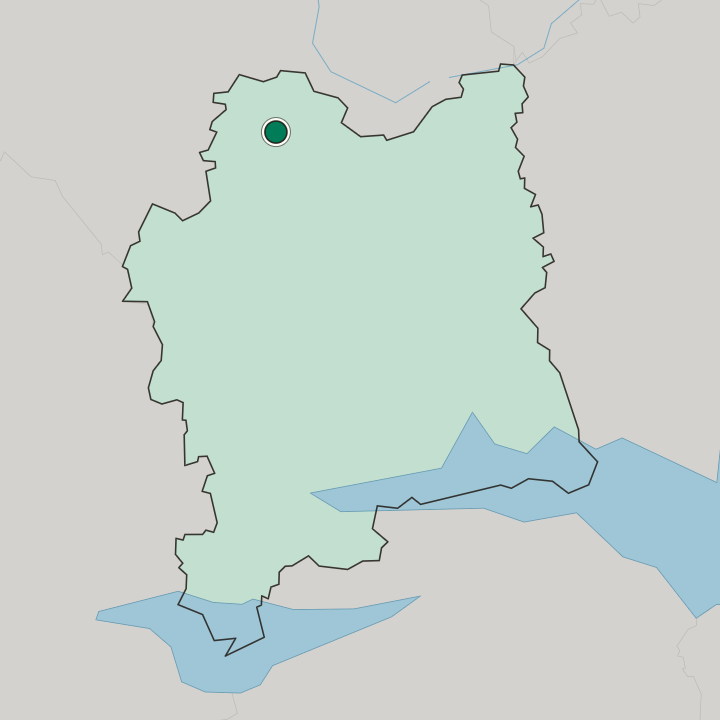
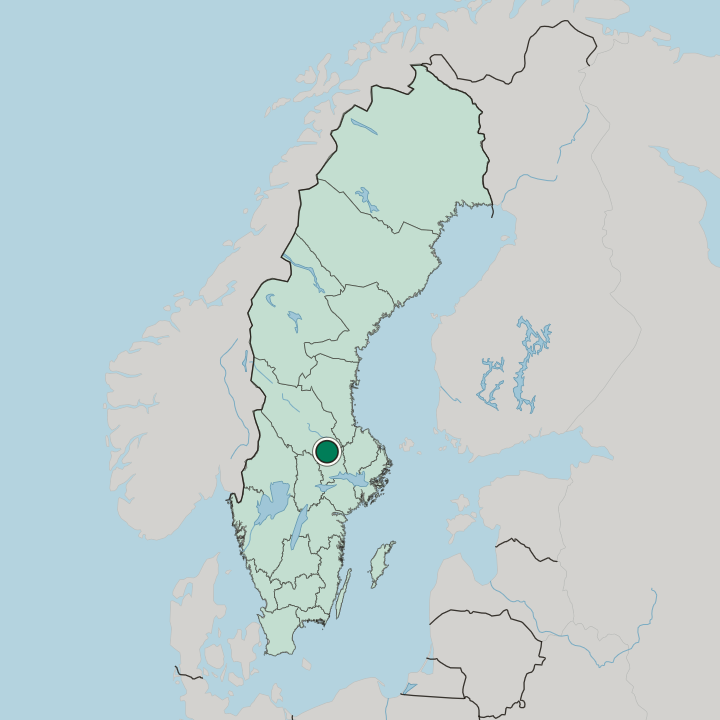
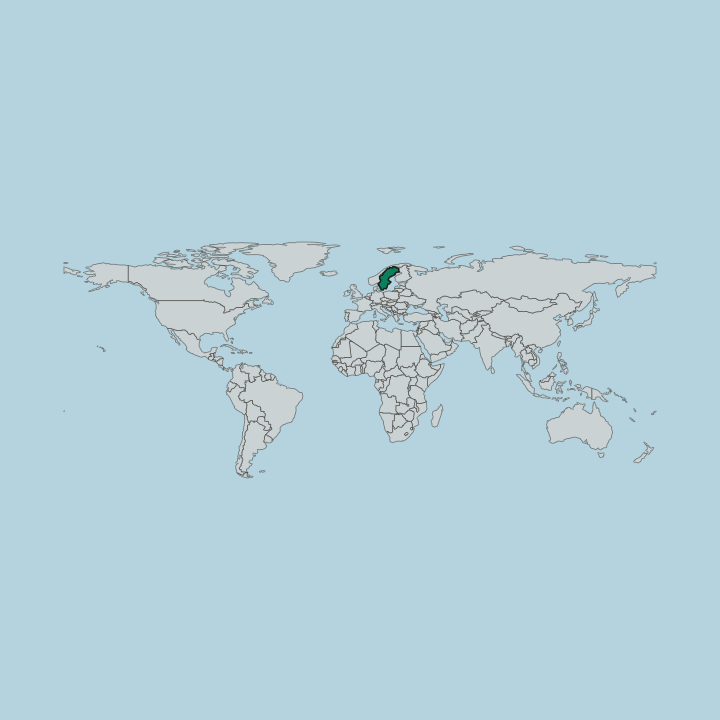
Norberg lies in the north-western part of Västmanland County, in central Sweden, up in the hilly old iron country. Forest, low rocky ridges, and small lakes fill the municipality, and the rolling ground is scarred everywhere with the shafts, dams, and ponds that centuries of mining left behind. Water collects in the hollows.
The land climbs toward the west.
What is the climate of Norberg?
Norberg has a cold humid continental climate, on the wintry side for the county because of its inland, upland position. Snow lies long and deep, the lakes freeze through, and the winter days are short and dim, while the brief summers turn the forest green and warm the lakes enough for swimming. Spring runs late.
Autumn turns raw.
How do you get to Norberg?
Norberg sits in the Bergslagen mining country of northern Västmanland, reached most easily by road. Riksväg 68 runs through the town, linking it south-west to Fagersta and north-east toward Avesta. Cars come this way.
The nearest regular trains stop at Fagersta, on the Bergslagspendeln line that Tåg i Bergslagen works between Västerås and Ludvika, and regional VL buses connect the two towns. For flights, travellers use Stockholm Västerås Airport to the south or Stockholm Arlanda further east, then continue by road.
Common questions
What is the best area to stay in Norberg?
Centrum: mining heritage and trails.
Good for
More cities in Västmanland County
Updated October 2026