Sweden · Västmanland County
Where to Stay in Fagersta, Västmanland County
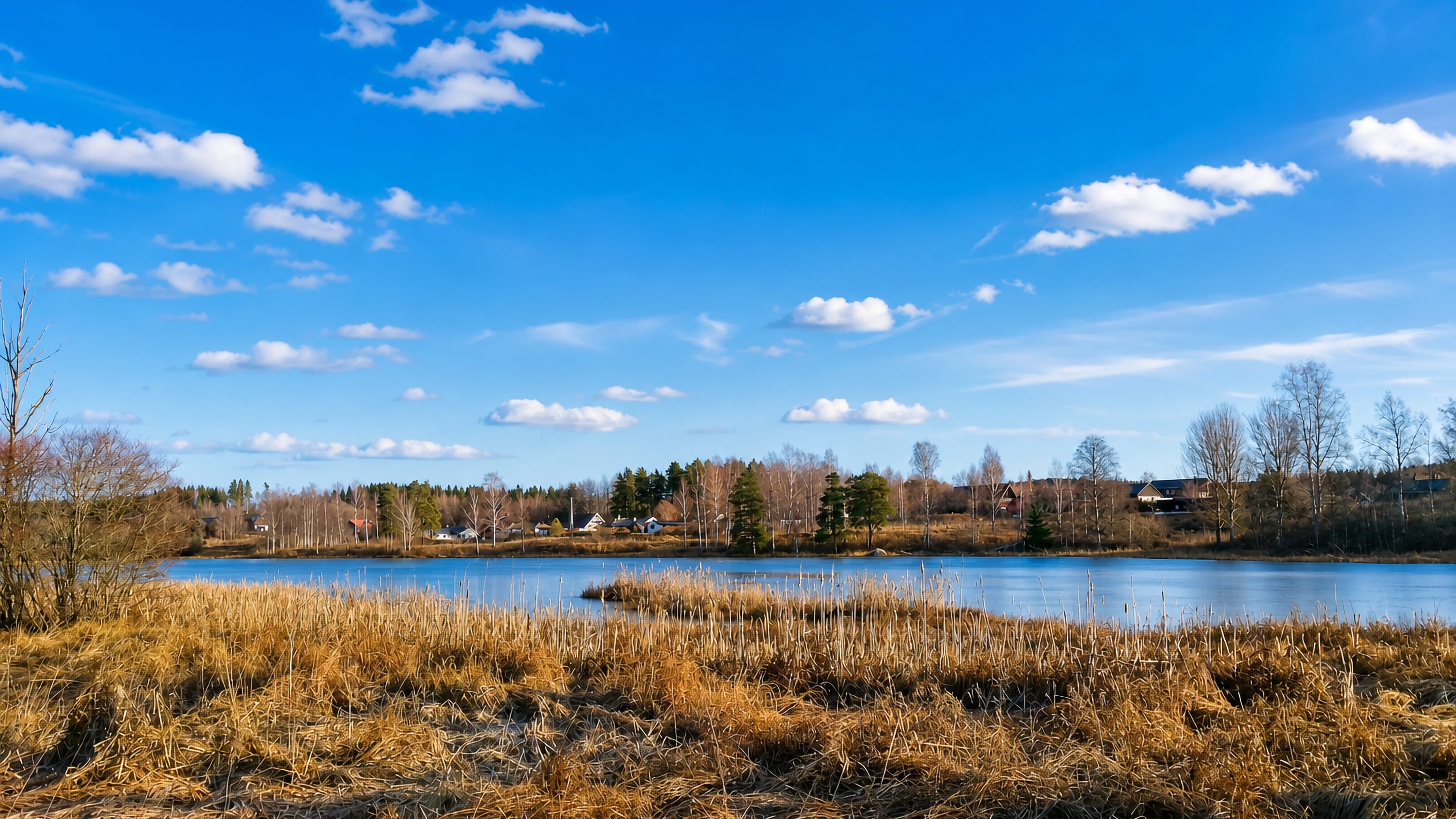
Fagersta is a municipality in Västmanland County, an iron-and-steel town in central Sweden where the Strömsholms kanal threads between forest lakes.
Hotel links are affiliate links: booking through them may earn us a commission, at no extra cost to you. It never affects how places are ranked. How this works


Where to stay in Fagersta
The practical side of choosing where to sleep.
Fagersta is small enough to cross on foot, so the choice of bed mainly sets your morning view rather than your commute. Most rooms cluster in Fagersta centrum, within walking reach of the station, the shops along the main street, and the canal locks that cut through town. This base suits travellers who want everything close and a quick step to the rail platform.
The grid is compact. You can reach a café, a lake, and a museum inside ten minutes of one another, which is rare for a town this size and makes the centre the obvious first pick for a short stay. Just north lies Västanfors, the older church village gathered around Västanfors kyrka, quieter and bound to the parish that long predates the steelworks.
Pick it if you prefer a residential street and Sunday calm to the centre's through-traffic. For water and forest, look to the lakeshore edges strung along the Strömsholms kanal, where short trails and swimming spots open straight off the road, a sound base if you mean to paddle, cycle, or fish more than you shop. Beds thin quickly in the outlying villages.
Book the centre and drive out by day, or fall back on nearby Norberg and the larger town of Sala when Fagersta fills.
Find hotels in Fagersta
Direct booking searches for these neighbourhoods.
Fagersta centrum
walkable core by the station, the main street, and the canal locksFind hotels in Fagersta centruma quieter residential stayVästanfors
older church village around Västanfors kyrka, calm and away from the centre's trafficFind hotels in Västanforspaddlers, cyclists, and anglersStrömsholms kanal lakeshore
lakeside edges along the canal with trails and swimming spots, but few beds. Few places to stay nearby — book ahead.Find hotels in Strömsholms kanal lakeshoreHotel links are affiliate links: booking through them may earn us a commission, at no extra cost to you. It never affects how places are ranked. How this works
Things to do in Fagersta
Ranked by global recognition; descriptions from Wikidata (CC0).
Museums & Galleries
3- Västanfors kraftstation Heritage working life museum
- Fagersta-Västanfors hembygdsgård
- Bruksmuseet i Fagersta
Churches & Religious Sites
3- Västanfors Church Heritage
- Skogskapellet Heritage
- Brukskyrkan
Stadiums & Sports
1- Västanfors IP
worth knowingacross 3 categories in Fagersta
About Fagersta
Steel made Fagersta.
What is Fagersta known for?
The town grew around bar-iron forges and later the stainless-steel mills that still anchor its economy, part of the wider Bergslagen mining belt that shaped central Sweden. Through the centre runs the Strömsholms kanal, an early industrial waterway built to float iron south toward Mälaren and the sea. Bruksmuseet i Fagersta keeps that working history in view; lakes and pine forest press close on every side.
What are the main landmarks in Fagersta?
Fagersta wears its industrial past in stone and water. The old parish still gathers at Västanfors kyrka, while the company town raised its own Brukskyrkan beside the mills and set the quiet Skogskapellet among the pines. Bruksmuseet i Fagersta keeps the forge story in tools and photographs.
Through the centre, the locks of the Strömsholms kanal step boats down toward Mälaren along a route once cut for floating iron south. Local football plays at Västanfors IP.
What is the history of Fagersta?
Iron, not a royal charter, made Fagersta. The land sits in Bergslagen, the old mining and smelting country of central Sweden, where forges and blast furnaces worked the local ore for centuries before any town existed here. Bar iron from these works needed a way south, and in the early nineteenth century the Strömsholms kanal was cut to carry it by water toward Mälaren.
Around the forges grew the settlement of Västanfors, whose parish church gave the early community its centre. The modern town is a child of steel. As Sweden industrialised, the scattered ironworks consolidated into large mills, and Fagersta became a single-industry place built around stainless and high-alloy steel, a specialism it still carries.
The municipality took its present shape in the twentieth-century reforms that merged surrounding parishes. Bruksmuseet i Fagersta now holds the tools and records of that long working life. The history here is short on kings and long on labour.
It is read in mill chimneys, lock gates, and company housing rather than in castles, a reminder that much of Sweden's wealth was forged, quite literally, in towns like this one well away from the capital.
Where is Fagersta?
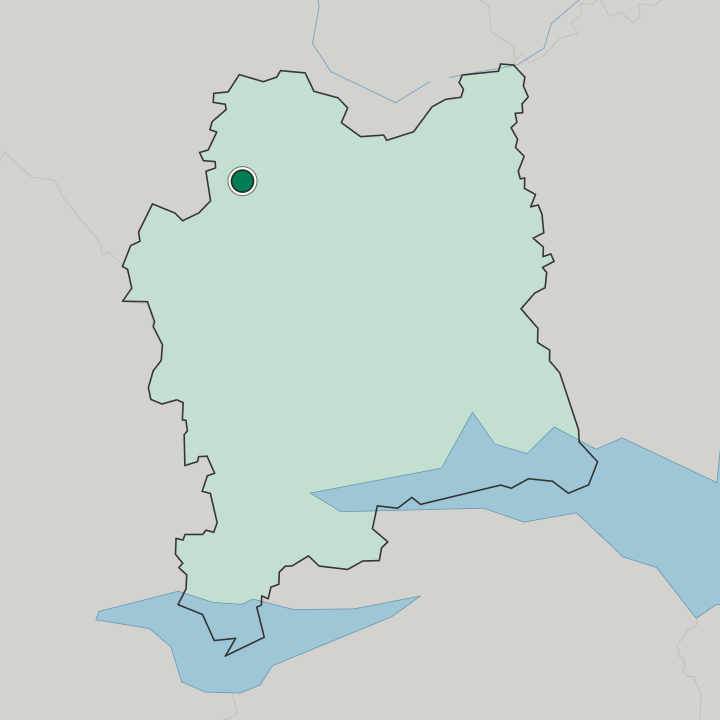
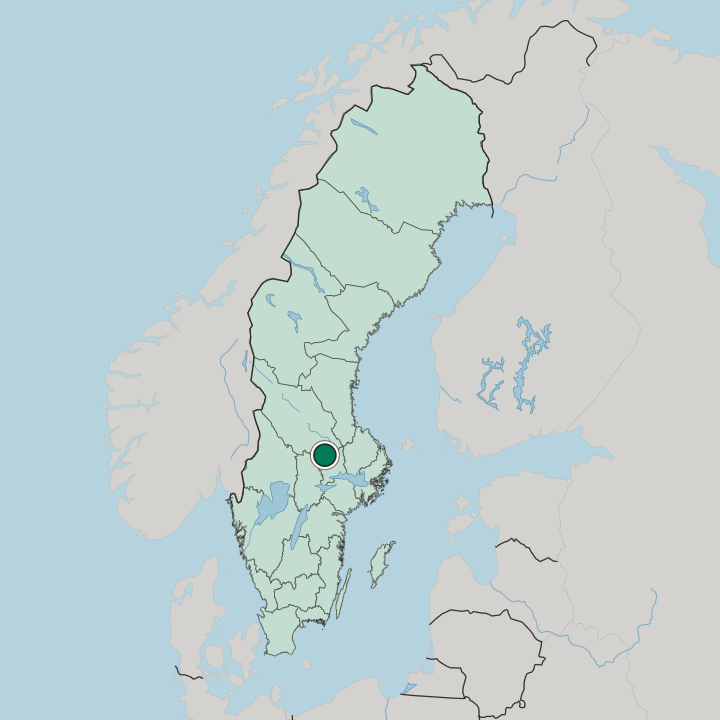
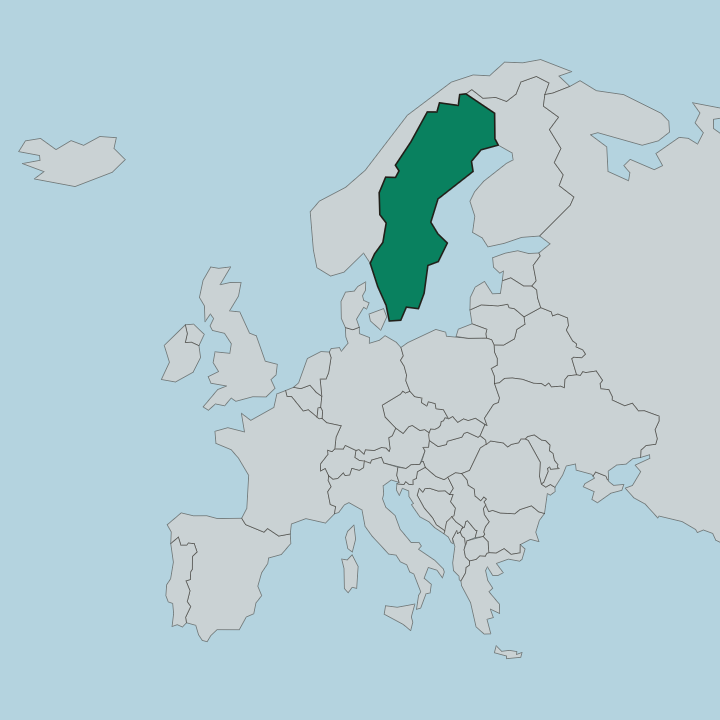
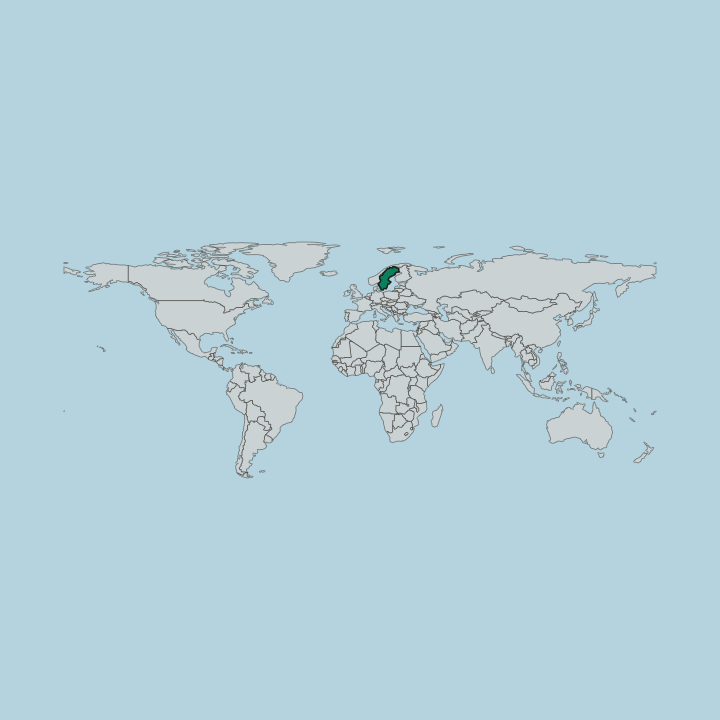
Fagersta lies in central Sweden, in the north-western corner of Västmanland County where the province climbs toward the forests of Bergslagen. Lakes and pine woodland set the tone. The town spreads along shores where the Strömsholms kanal links a chain of waters draining south toward Mälaren, the great lake that gathers much of the region's runoff.
The ground is the rolling, rock-strewn terrain of the old mining belt. North and west the country turns wilder; southward it falls away toward the lowlands and the county town of Västerås.
What is the climate of Fagersta?
Fagersta has the inland, four-season climate of central Sweden. Winters run cold and snowy, with the lakes freezing hard enough for skating and the forest muffling sound under deep cover. Spring comes late, then fast.
Melt swells the canal and the streams that feed it. Summers are mild and long-lit, warm by day and cool by night, comfortable for walking and swimming. Autumn is brief and bright.
Far from the coast, the town sees sharper swings between the seasons than anywhere on the Baltic shore.
How do you get to Fagersta?
Fagersta sits on the railway between Ludvika and Västerås, the line known as Bergslagspendeln, putting it within a single train ride of the main line to Stockholm. By road, Riksväg 68 crosses the town on its way between Avesta and Örebro, while Riksväg 66 heads off toward Ludvika and the Dalarna border. Drivers from Stockholm come up via Västerås.
The nearest airports are at Västerås and, further off, Stockholm Arlanda. The Strömsholms kanal still carries leisure boats in summer, a slow way in for those with time.
Common questions
What is the best area to stay in Fagersta?
Fagersta centrum: first-time visitors and rail arrivals. Västanfors: a quieter residential stay. Strömsholms kanal lakeshore: paddlers, cyclists, and anglers.
Good for
More cities in Västmanland County
Updated October 2026