Sweden · Västmanland County
Where to Stay in Arboga, Västmanland County
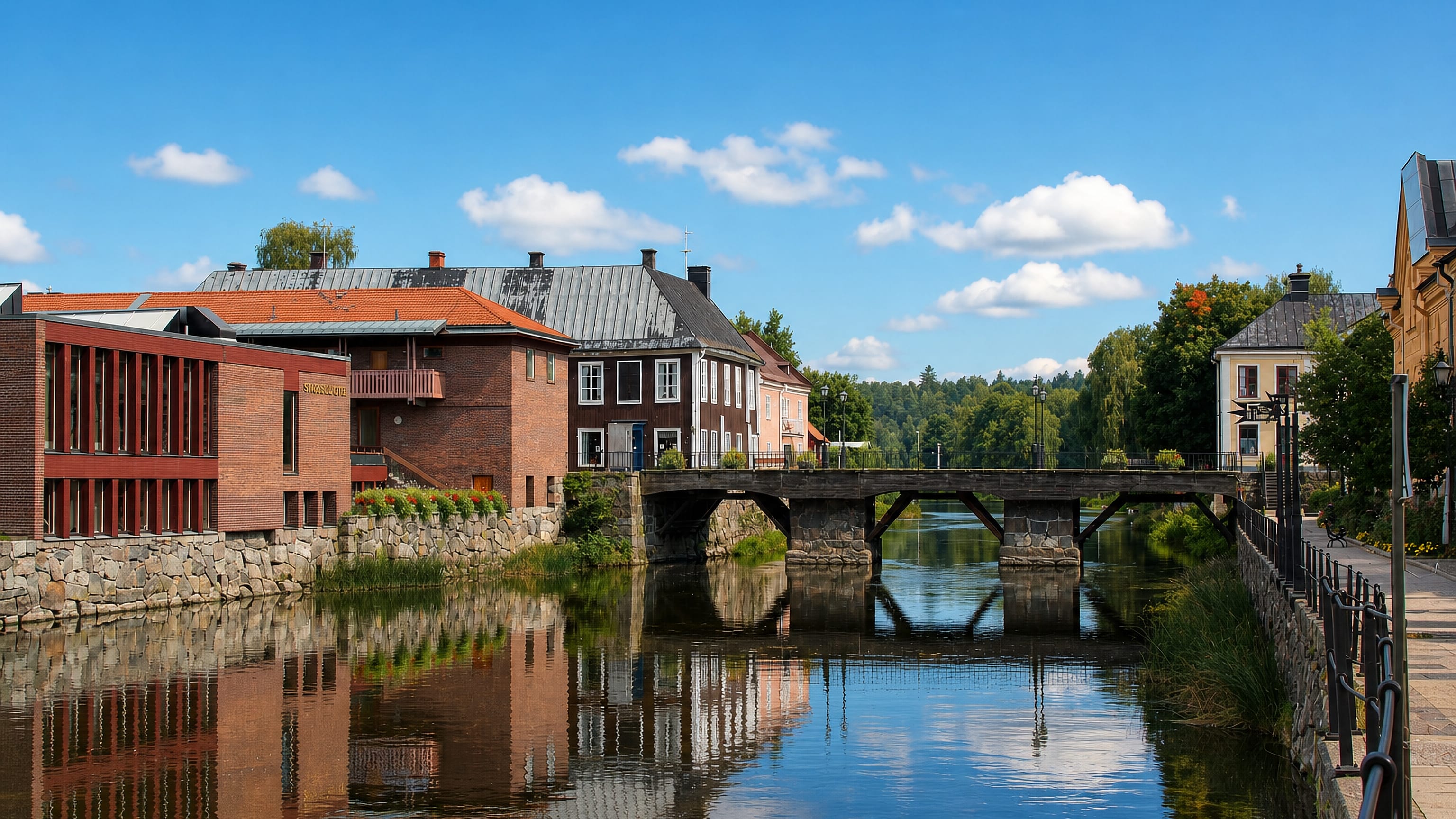
Arboga is a municipality in Västmanland County, a medieval river town in central Sweden whose cobbled lanes follow the Arbogaån down to old quay houses.
Hotel links are affiliate links: booking through them may earn us a commission, at no extra cost to you. It never affects how places are ranked. How this works


Where to stay in Arboga
The practical side of choosing where to sleep.
Arboga rewards staying in the middle of the old town. The medieval core runs along both banks of the Arbogaån, around Stortorget and the cobbles of Västerlånggatan, and most rooms sit within a few minutes' walk of the water. Base yourself here if you want to step out of the door into the historic streets, reach the churches and the museum on foot, and eat by the river in the evening.
It is the obvious first pick. Near the railway station, a short walk north of the river, the streets turn practical and modern; choose this side if you arrive by train and want a quick, no-fuss bed close to the platform. Beyond the centre the town thins into ordinary residential blocks and then countryside, where beds are sparse and a car helps.
Out there, look to lakeside spots toward Hjälmaren if you would rather wake to open water than cobblestones. When Arboga is full, the neighbouring towns of Köping to the north-east and Kungsör toward the lake both add rooms within a short drive, and Örebro lies close enough westward for a wider choice of hotels.
Find hotels in Arboga
Direct booking searches for these neighbourhoods.
Centrum
medieval core along the Arbogaån around Stortorget and Västerlånggatan, walkable to the churches and museumFind hotels in Centrumtravellers arriving by trainStationsområdet
practical modern streets a short walk north of the river by the railway stationFind hotels in Stationsområdetthose who prefer lakeside to cobblestonesHjälmaren shore
open water toward Hjälmaren beyond town, quiet but short on beds. Rooms are few around here — worth securing early.Find hotels in Hjälmaren shoreHotel links are affiliate links: booking through them may earn us a commission, at no extra cost to you. It never affects how places are ranked. How this works
Things to do in Arboga
Ranked by global recognition; descriptions from Wikidata (CC0).
Museums & Galleries
3- Jäders bruk working life museum
- Arboga robotmuseum
- Arboga Museum
Churches & Religious Sites
3- Heliga Trefaldighets kyrka Heritage
- Sankt Nicolai kyrka Heritage
- Helge Svens kapell Heritage
Castles & Historic Sites
1- Predikstolen Heritage
worth knowingacross 3 categories in Arboga
About Arboga
Arboga trades on its age.
What is Arboga known for?
Long counted among Sweden's oldest towns, it kept a tight medieval street plan that survived later centuries largely intact, with brick churches and timber merchant houses lining the river. In 1435 the town hosted a national assembly of nobles and clergy that is often described as Sweden's first riksdag, summoned during Engelbrekt's rebellion against the union crown. That meeting fixed Arboga in national memory.
The cobbles of Västerlånggatan still run through its heart.
What are the main landmarks in Arboga?
Two medieval churches frame the old town. Heliga Trefaldighets kyrka and Sankt Nicolai kyrka rise in brick on opposite reaches of the river, their towers the tallest things for miles and long the markers sailors and carters steered by. The story of how they and the town grew up together is told at Arboga Museum, housed among the old merchant buildings.
Smaller sites fill in the rest, the chapel of Helge Svens kapell and the local landmark known as Predikstolen. The whole centre reads as one preserved ensemble.
What is the history of Arboga?
Arboga grew up on trade. The town stands where an old land route between the mines of Bergslagen and the lakes met the Arbogaån, and from the Middle Ages iron and goods moved through it toward Mälaren and the sea. A Franciscan friary, a stone church, and a busy market made it one of the more important towns of medieval Sweden.
Its merchants prospered on the through-traffic of metal and grain. Politics put Arboga in the history books. In 1435, during Engelbrekt's revolt against the Kalmar Union, leading men of the realm met here in a gathering later remembered as Sweden's first riksdag, and the town saw further councils in the unsettled decades that followed.
Later the Hjälmare kanal, cut in the seventeenth century to join Hjälmaren with the Mälaren waterways, kept Arboga on the trade map even as larger ports rose elsewhere. Industry and the railways eventually pulled growth toward bigger neighbours. That slow fade is exactly why so much survived.
Because no boom flattened and rebuilt it, the medieval grid, the cobbles, and the riverside churches came through the centuries with their shape intact, leaving a town that still reads like a working museum of how a Swedish market town once looked.
Where is Arboga?
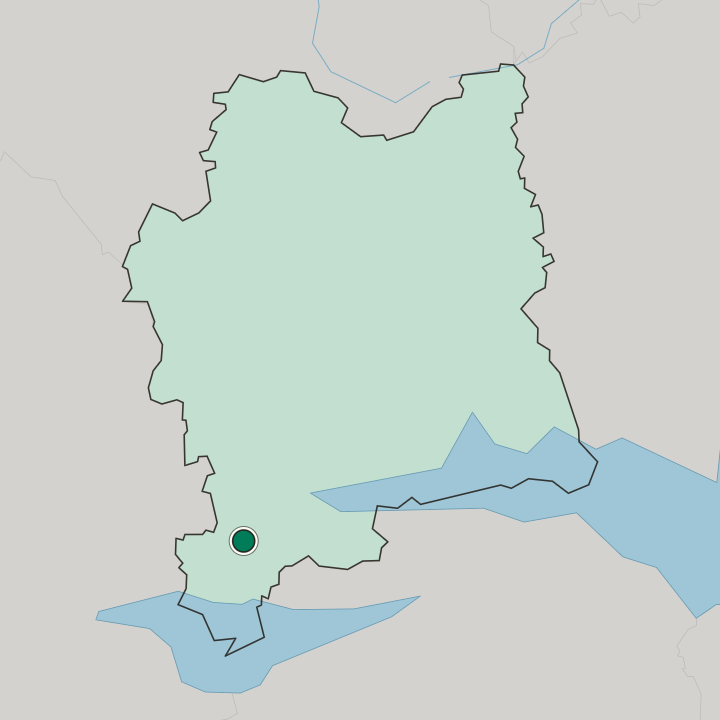
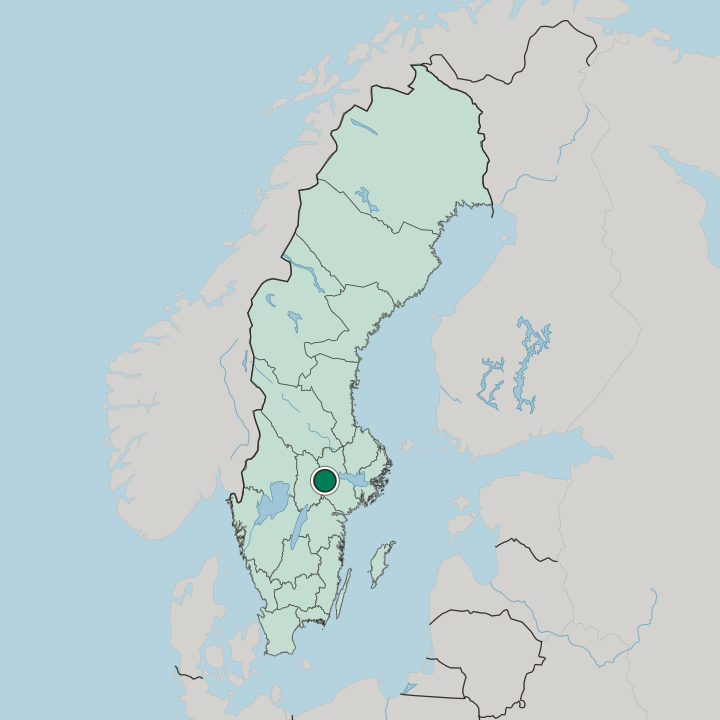
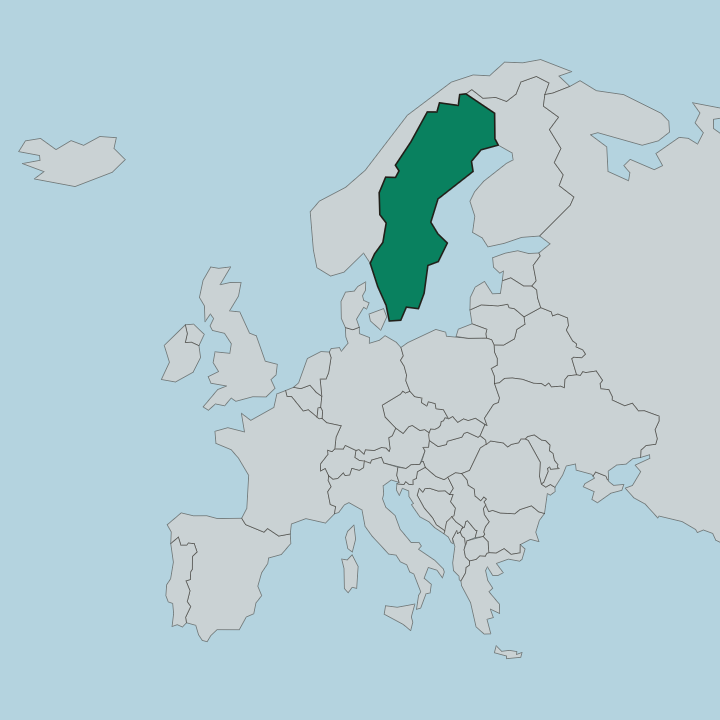
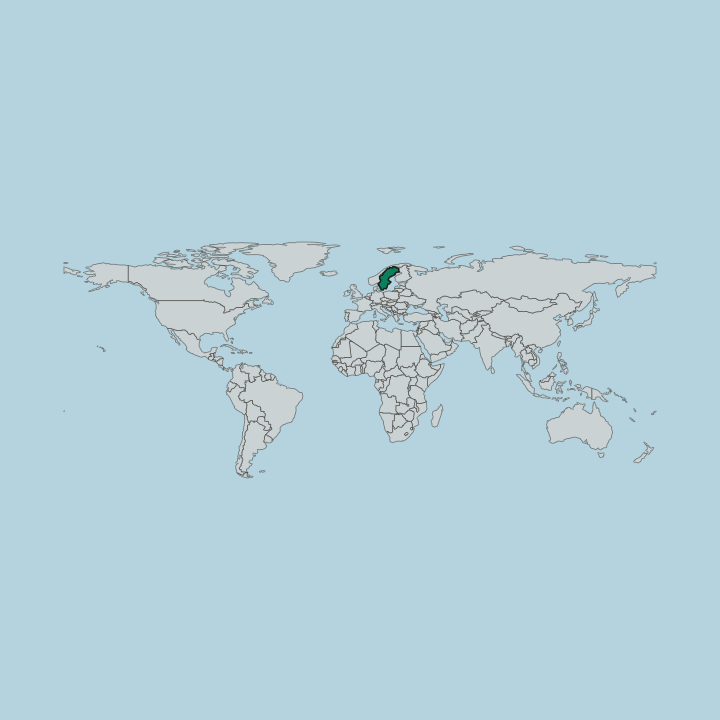
Arboga sits in central Sweden, in the south-western corner of Västmanland County. The medieval centre grew along both banks of the Arbogaån, the river that threads through the old quarter and carries on toward the open water of Lake Mälaren. Water made the town.
South-west of the centre the land opens toward Hjälmaren, the broad lake linked to the river by an old canal, while forest and farmland close in elsewhere. Quay houses still line the water.
What is the climate of Arboga?
Arboga shares the inland climate of the Mälaren lowlands. Winters are cold but a touch milder than the Bergslagen uplands to the north, with snow that comes and goes and ice forming on the slow river and on Hjälmaren. Spring is brisk and short.
Summers are mild and bright, warm enough for long evenings by the water and the occasional swim. Autumn brings rain and falling leaves along the Arbogaån before the cold sets in. Through it all, the nearness of Hjälmaren and the broader Mälaren waters keeps the sharpest edges off each season.
How do you get to Arboga?
Arboga sits at a road junction known to long-distance drivers across central Sweden, where the E18 and E20 motorways run together and then divide, the E18 bearing toward Örebro, Karlstad and Norway, the E20 heading for Göteborg. By rail, the town is a stop on the Svealandsbanan line, which links Stockholm and Eskilstuna westward toward Örebro and Hallsberg. Traffic has always passed through.
The nearest airports lie at Örebro and Västerås, while Stockholm Arlanda handles long-haul flights.
Common questions
What is the best area to stay in Arboga?
Centrum: first-time visitors who want the old town on foot. Stationsområdet: travellers arriving by train. Hjälmaren shore: those who prefer lakeside to cobblestones.
Good for
More cities in Västmanland County
Updated September 2026