Sweden · Västmanland County
Where to Stay in Skinnskatteberg, Västmanland County
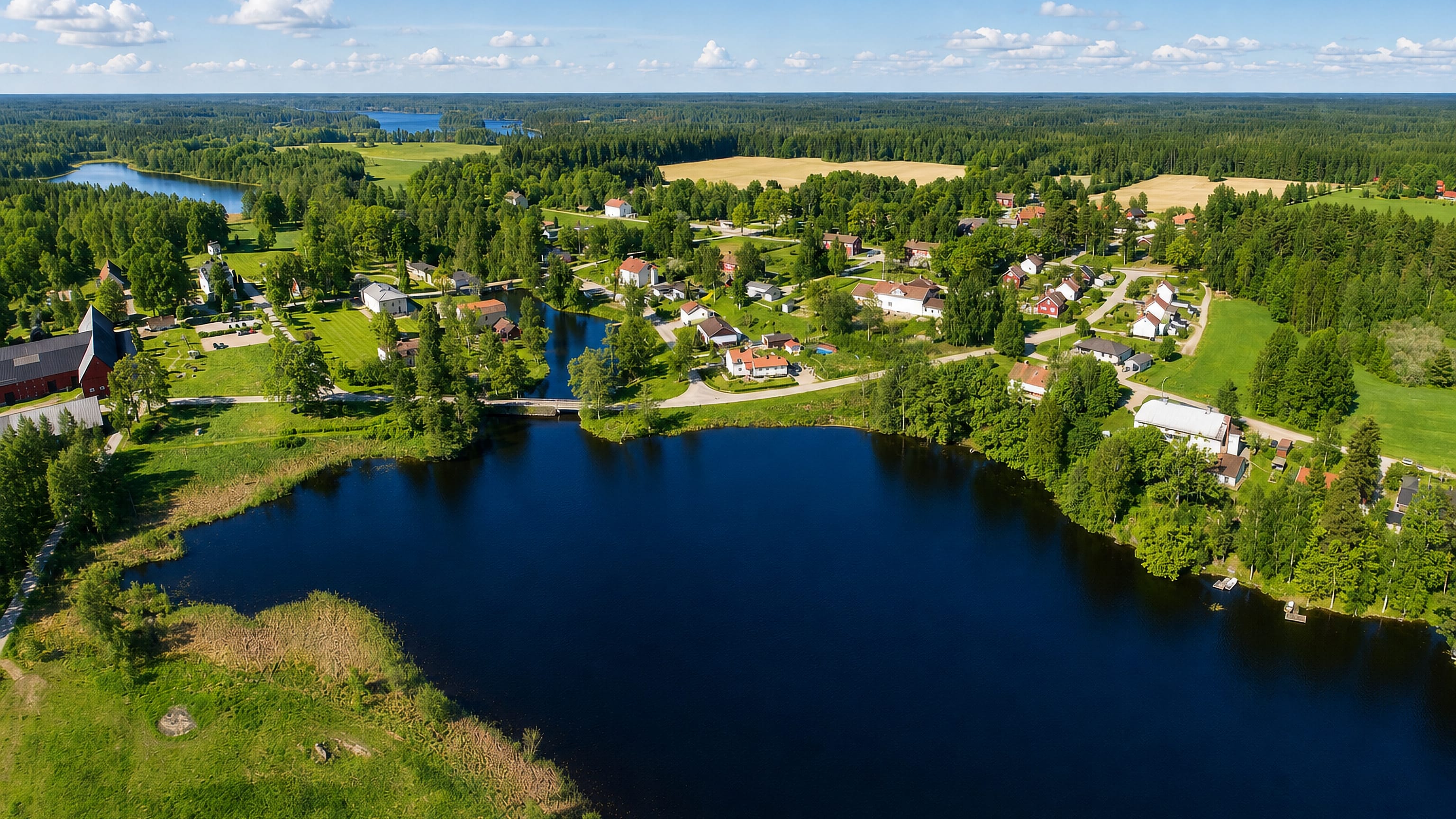
Skinnskatteberg is a municipality in Västmanland County, a lake-and-forest community in the old mining country of central Sweden.
Hotel links are affiliate links: booking through them may earn us a commission, at no extra cost to you. It never affects how places are ranked. How this works


Where to stay in Skinnskatteberg
Where visitors usually base themselves, and why.
Skinnskatteberg offers a handful of places to stay. The centre, near the old manor and the lake, suits anyone here for canoeing, cycling the forest roads, and the slow rhythm of the mining country; choose it if still water at dawn and woodland quiet appeal more than choice and nightlife. The woods press close to the streets.
For more rooms and restaurants, travellers often base in Sala or Köping and drive in, or push on to Västerås for a full range of hotels. Walkers and paddlers exploring the lakes sometimes take cabins and hostels out in the forest rather than a town bed at all. Plan beds in advance.
Options thin out quickly here, so a booked cabin beats arriving on spec in high summer. Each choice trades comfort for quiet, or the reverse, and self-catering suits the longer stays.
Few places to stay in Skinnskatteberg — most visitors book in Sala nearby.
About Skinnskatteberg
Forest defines Skinnskatteberg.
What is Skinnskatteberg known for?
Pine and spruce, lakes, and old ironworking sites cover the municipality, and the town has long trained foresters at a college tied to the surrounding woods and waters. Canoes slip across quiet lakes in summer. The old works left ponds, dams, and slag heaps behind for walkers to find.
What are the main landmarks in Skinnskatteberg?
Skinnskattebergs kyrka rises near the centre, a country church that has served the parish for generations. By the water stands an old manor linked to the ironworking estates, its grounds open to walkers, and the forestry college nearby keeps the town's long bond with the woods alive. Trails fan out into the trees.
Lakes invite a paddle.
What is the history of Skinnskatteberg?
Skinnskatteberg grew from iron and forest. From the late Middle Ages, charcoal burners and small ironworks worked these woods, using lake water and timber to smelt and forge the ore carried in from the mining districts. Hammers rang by the streams.
Ore came from the north. A scattered community of miners, charcoal makers, and farmers took shape across the parish. When the old ironworking declined, forestry became the mainstay.
The town's college trained foresters, and the timber economy carried the district as the furnaces fell silent, turning the woods themselves from a fuel source into the main resource. The lakes drew summer visitors. Generations stayed by the same lakes.
In time, the canals, dams, and slag heaps of the iron age came to sit quietly among holiday cabins and managed forest, a layered record of how people have made a living here.
Where is Skinnskatteberg?
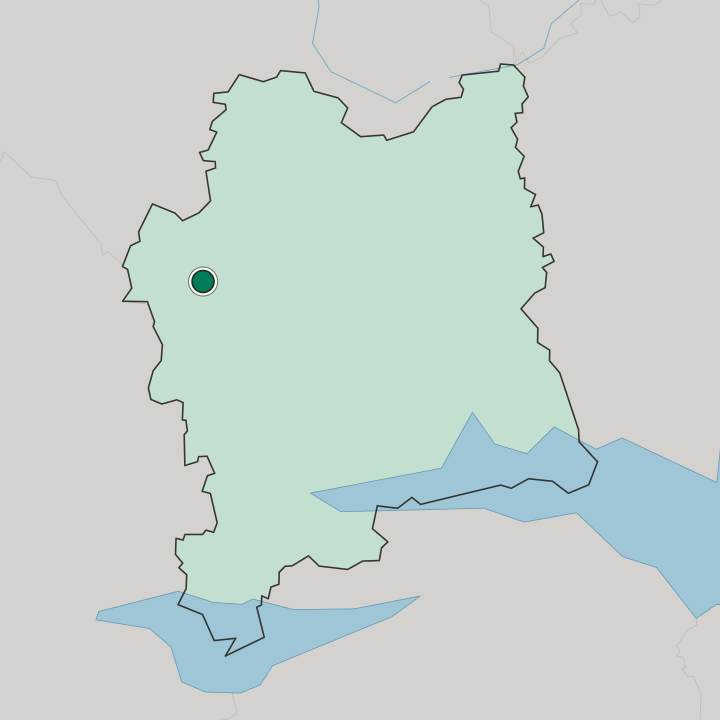
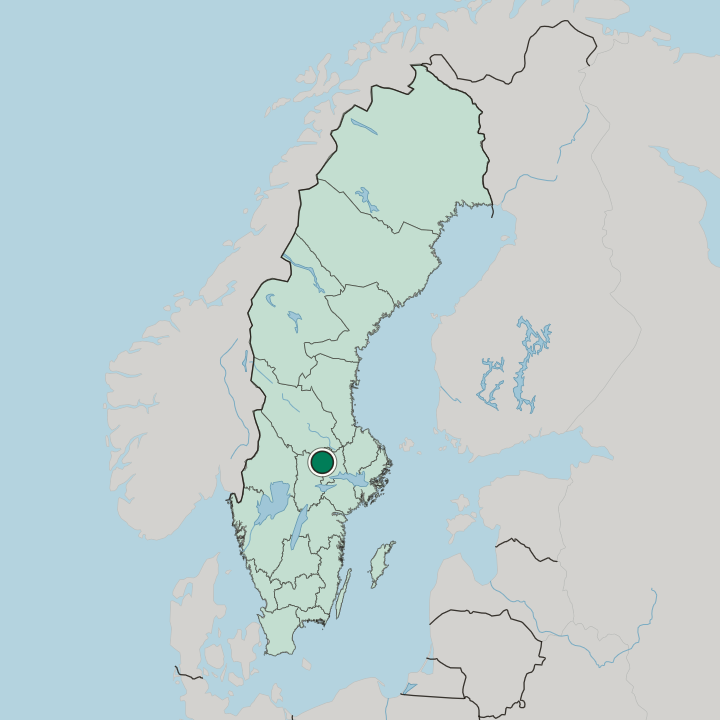
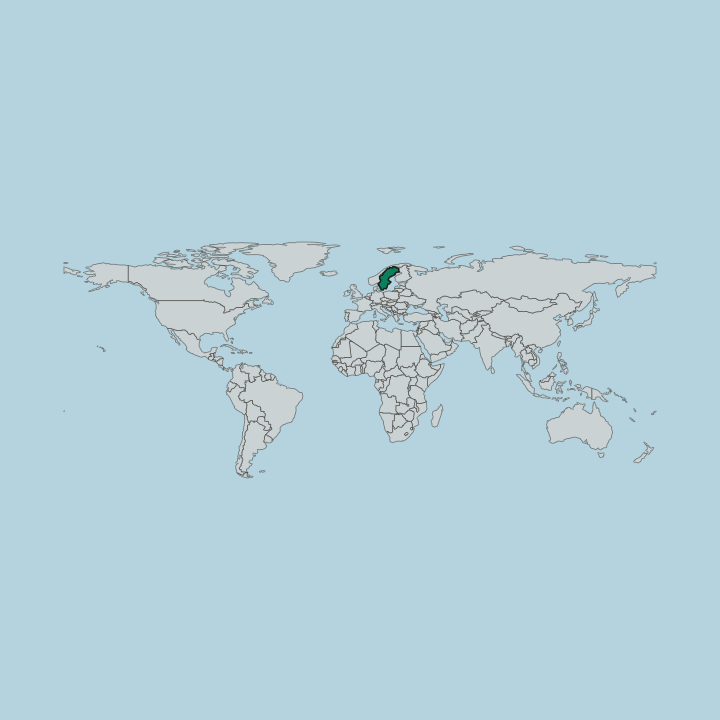
Skinnskatteberg lies in the forested western part of Västmanland County, deep in the old Bergslagen mining country. Lakes and pine ridges fill the land around the small town, and the Hedströmmen valley runs south from here toward Köping and the shore of Lake Mälaren. The terrain is rolling and wooded, and iron once came from these hills.
Lakes lie at every turn around Skinnskatteberg.
What is the climate of Skinnskatteberg?
Skinnskatteberg has a cold humid continental climate, among the more wintry in the county thanks to its inland and upland setting. Snow lies long and deep through winter, ice locks the lakes, and the dark months run cold, while short mild summers green the forest and warm the lake shallows enough for a swim. Spring melts late.
Autumn comes early.
How do you get to Skinnskatteberg?
Roads through the forest link Skinnskatteberg to Köping and the towns beyond, and a rail line crossing the mining country gives the town a station on services through the region. The nearest big city is Västerås. From the south, roads run up from the Mälaren valley into the woods.
A car opens the lakes and trails.
Common questions
What is the best area to stay in Skinnskatteberg?
Centrum: paddlers and forest visitors.
Good for
More cities in Västmanland County
Updated September 2026