Sweden · Västmanland County
Where to Stay in Köping, Västmanland County
Köping is a municipality in Västmanland County, an old market town and port at the western end of Lake Mälaren in central Sweden.
Hotel links are affiliate links: booking through them may earn us a commission, at no extra cost to you. It never affects how places are ranked. How this works


Where to stay in Köping
How the choice of base plays out on the ground.
Köping is small enough to walk end to end, so where you sleep matters less than in a big city. The old centre is the obvious base. It gathers the shops and cafés around Köpings kyrka and the streets that run down toward the water, and the railway station sits only a few minutes away on foot.
Stay here if you want shops, restaurants, and the station within easy reach. Köpings Museum and the quieter Nyströmska gården are a short stroll off the main square, and the fire-brigade collection at Köpings brandmuseum makes an odd, rewarding detour on a wet afternoon. Down at the head of Mälaren, the harbour gives a different kind of stay.
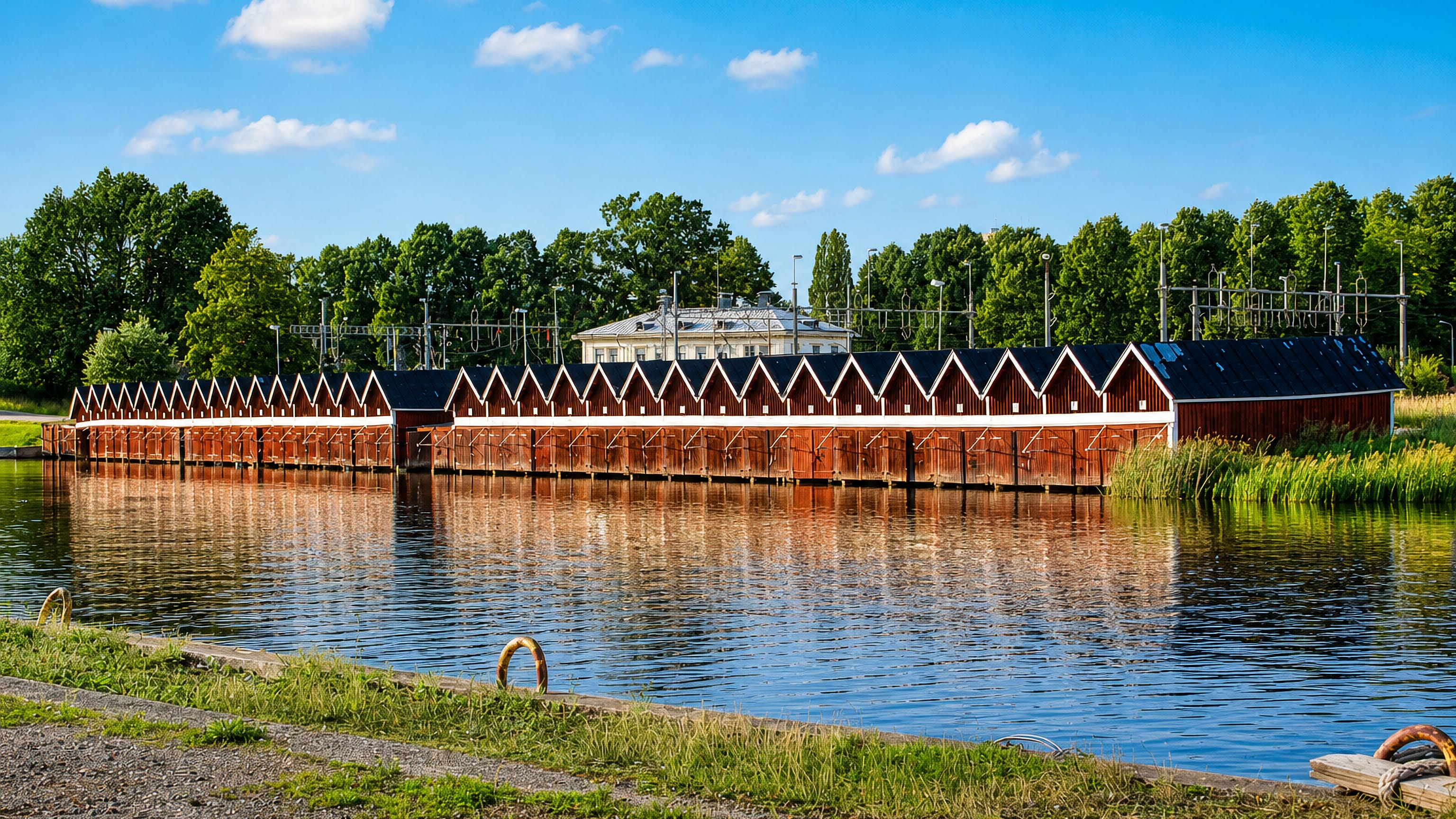
The water is the draw here. Boats put in at the guest harbour through the summer, the working quays and warehouses stand just along the shore, and a stay by the water trades the noise of the centre for open sky and the sound of the lake against the hulls. It suits travellers who would rather wake to the water than to traffic.
For onward trips, the station links Köping westward into the old iron country of Bergslagen and eastward along the lake toward Västerås and Stockholm, so a room near the platforms repays anyone moving on the next morning.
Find hotels in Köping
Direct booking searches for these neighbourhoods.
Town centre
Around Köpings kyrka and the museums, a few minutes' walk from the railway station.Find hotels in Town centreWaterside calmThe harbour
At the head of Mälaren, by the guest harbour and the working quays.Find hotels in The harbourOnward travelBy the station
Quick connections toward Västerås, Stockholm, and the Bergslagen lines.Find hotels in By the stationHotel links are affiliate links: booking through them may earn us a commission, at no extra cost to you. It never affects how places are ranked. How this works
Things to do in Köping
Ranked by global recognition; descriptions from Wikidata (CC0).
Museums & Galleries
3- Nyströmska gården Heritage working life museum
- Köping–Uttersberg–Riddarhyttan Railway
- Historical car and technology collections
Churches & Religious Sites
1- Köping Church Heritage Church of Sweden church building
worth knowingacross 2 categories in Köping
About Köping
What is Köping known for?
Köping has been a market town since the Middle Ages, and the name itself simply means a place of trade. Goods have moved through its harbour at the head of Mälaren for centuries, first by sailing barge and later by canal and rail, tying the town to the lake and the iron country behind it. The port still works.
Industry lines the water's edge.
What are the main landmarks in Köping?
Köpings kyrka rises over the old town, a medieval church much rebuilt across the centuries. The Köpings Museum and the timbered Nyströmska gården keep the town's story, from market-town trade to the eighteenth-century chemist who ran a pharmacy here and discovered oxygen before dying in the town. The harbour has its own draw.
Boats and barges work the canal.
What is the history of Köping?
Köping began as a place of trade. The name comes from the Old Norse word for a market, and a market is what the settlement has been since the Middle Ages, when boats first worked the short channel up to the head of Mälaren and carried goods on inland toward the mines. Iron was the making of it.
Ore and bar iron came down from the workings of Bergslagen to the north and west, and the town shipped them out across the lake toward Stockholm and the sea, bringing salt, grain, and finished goods back the other way. Later a canal and then the railway deepened those same connections, and works and warehouses grew up along the quays. The town's most famous resident worked behind a pharmacy counter.
Carl Wilhelm Scheele ran the apothecary here in the seventeen-hundreds, and it was in Köping that the chemist credited with first isolating oxygen lived out his last years and died. His grave lies in the town. Köpings kyrka, the medieval church much rebuilt across the centuries, still stands over the old streets, while the Köpings Museum and the timbered rooms of Nyströmska gården keep the long story of market and harbour.
The old market-town rank was set aside only with the municipal reforms of the twentieth century, when Köping became the seat of a wider municipality. Trade never really left.
Where is Köping?
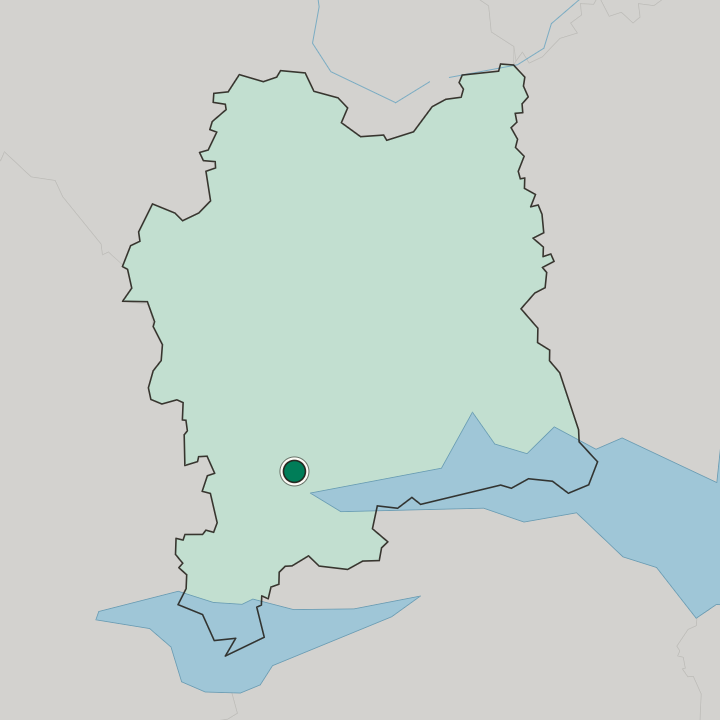
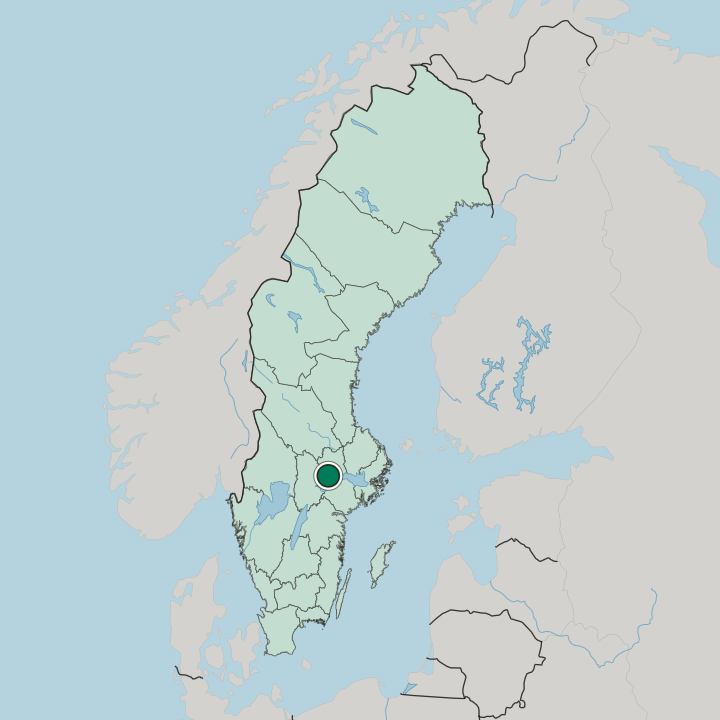
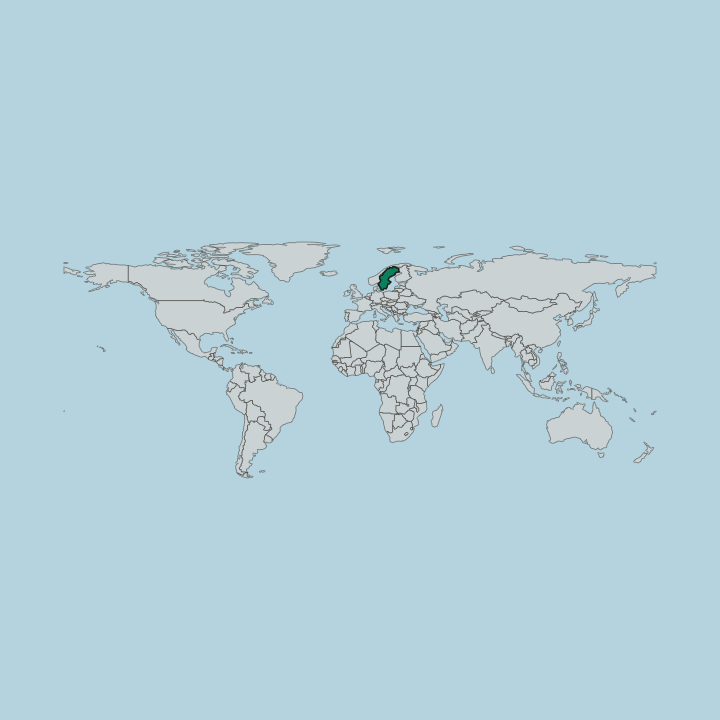
Köping lies in the south-western part of Västmanland County, in central Sweden, at the western head of Mälaren. A river and a canal reach the lake at the town, and the surrounding land is low and fertile, a plain of farm fields that gives way northward to the forests and old mines of the interior. The lake ends here.
Flat country rings the port.
What is the climate of Köping?
Köping has a humid continental climate softened slightly by the lake at its edge. Winters are cold and often grey, with snow and ice that can close the inner bays, while summers are mild and reasonably dry, with long light evenings and water warm enough for swimming and sailing. Spring is slow to reach Köping's lakeside.
Autumn turns wet.
How do you get to Köping?
Köping sits on the main railway and motorway running west from Stockholm through the Mälaren valley, with trains calling at the central station and the motorway skirting the town. The port handles lake and canal traffic. Roads fan out north into the mining country and west toward the lakes.
Västerås lies a short way east.
Common questions
What is the best area to stay in Köping?
Town centre: Shops and sights on foot. The harbour: Waterside calm. By the station: Onward travel.
Good for
More cities in Västmanland County
Updated October 2026