Thailand
Changwat Chachoengsao, Thailand — Towns & Travel Guide
Changwat Chachoengsao is a province of eastern Thailand, where the Bang Pakong River crosses a rice-and-mango plain to the Gulf of Thailand.
Hotel links are affiliate links: booking through them may earn us a commission, at no extra cost to you. It never affects how places are ranked. How this works


Towns & cities in Changwat Chachoengsao
One town here has its own guide — it links to where to stay.
 Thailand
Chachoengsao
Chachoengsao is the seat of Changwat Chachoengsao, a town on the Bang Pakong River some 80 kilometres east of Bangkok.Where to stay →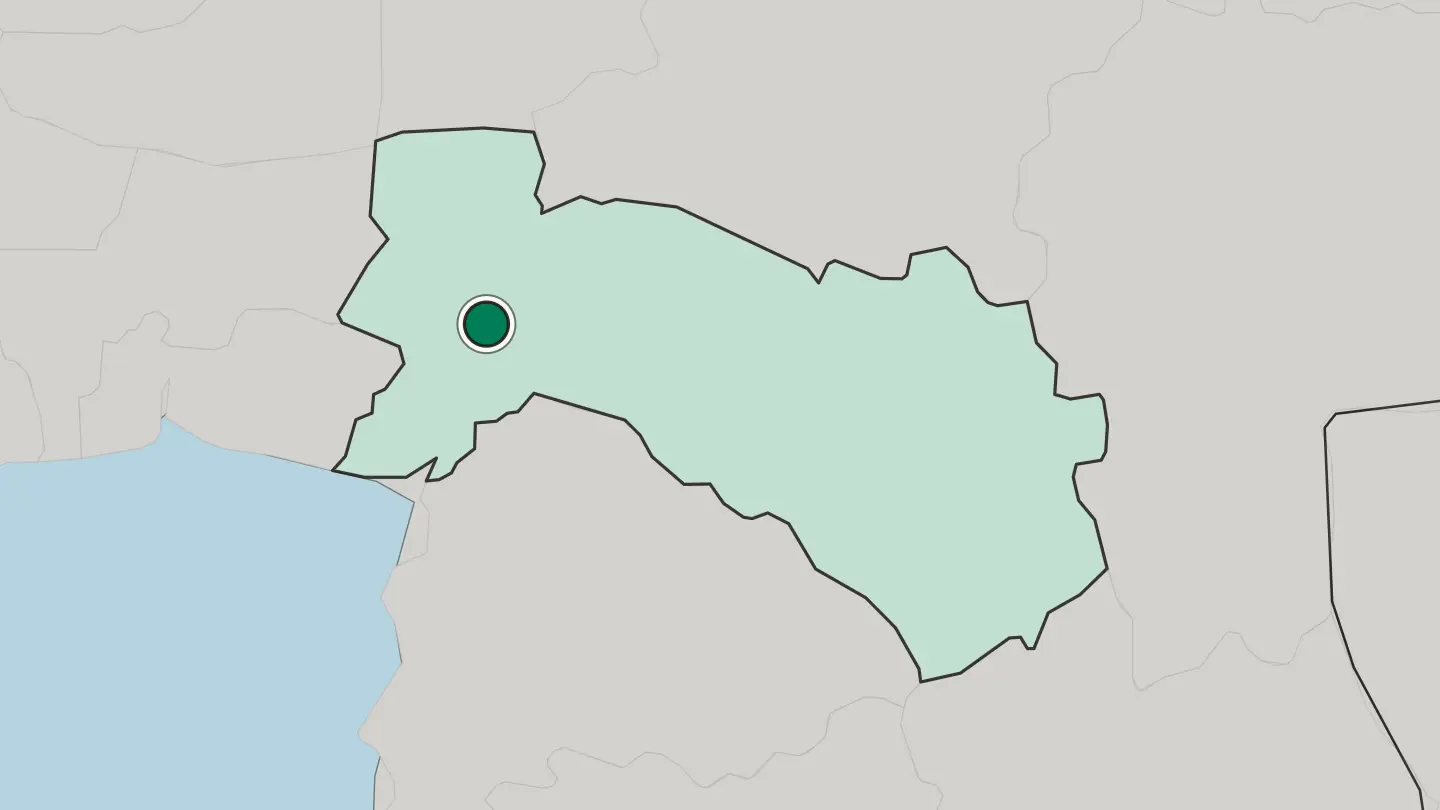
Hotel links are affiliate links: booking through them may earn us a commission, at no extra cost to you. It never affects how places are ranked. How this works
About Changwat Chachoengsao
What is Changwat Chachoengsao known for?
Two temples on the Bang Pakong River draw most visitors here. One is old, one is new. Wat Sothon holds Luang Pho Sothon, a revered Buddha image that pulls pilgrims from across Thailand and appears on the provincial seal.
A few bends upriver, Wat Saman Rattanaram fronts the water with a giant pink Ganesha reclining above the bank. The province is also mango country. Its Bang Khla orchards ripen the fragrant Nam Dok Mai, celebrated at an April fruit fair, while the riverside Ban Mai Market has traded snacks and sweets for more than a hundred years.
Where is Changwat Chachoengsao?
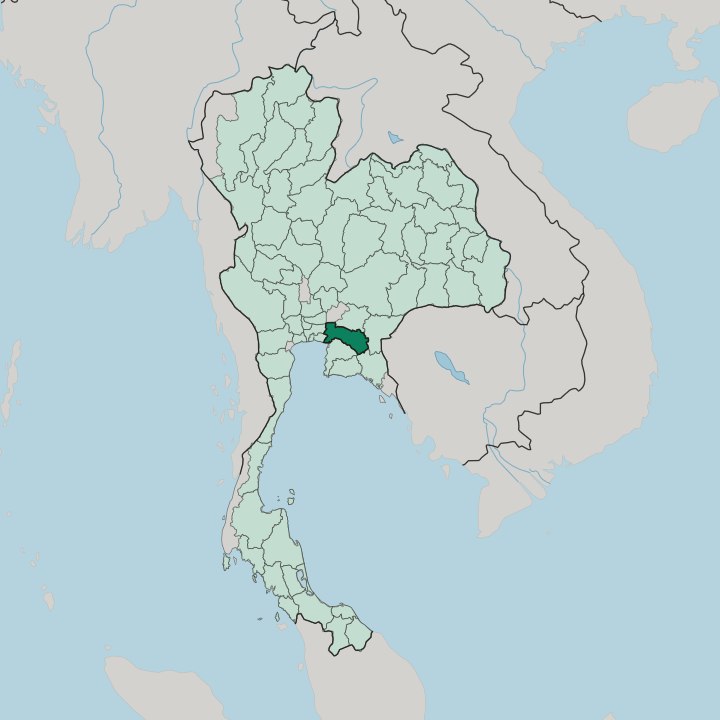
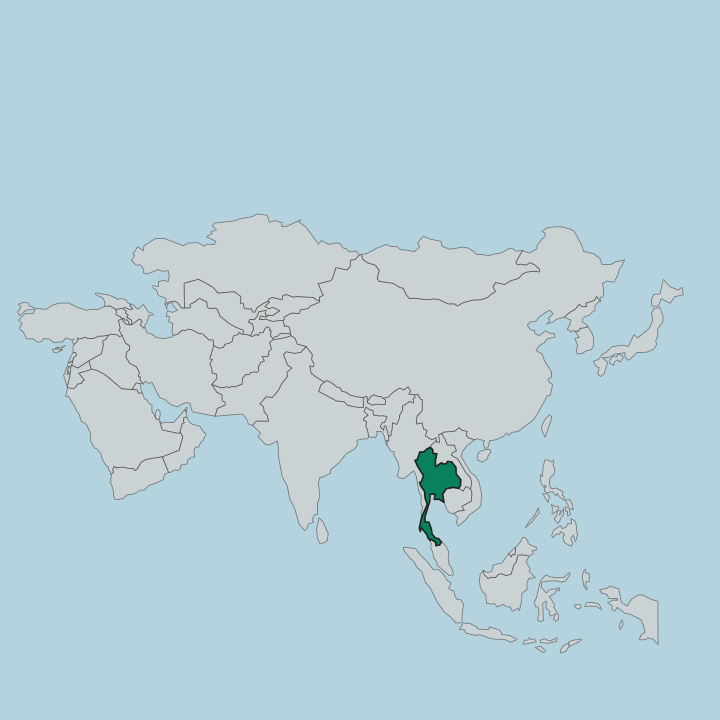
Chachoengsao lies in eastern Thailand, just past the eastern edge of Bangkok. The Bang Pakong River is its spine. That river gathers upcountry near Kabin Buri, then winds south through the province, curling past the provincial town of Paet Riu before it reaches the Gulf of Thailand at the head of the Bay of Bangkok.
Its lower valley is broad and flat. Rice paddies, fish ponds, and mango orchards cover this western plain, laced with the tidal canals that give the province its name, a word meaning deep canal. Boats once did the work of roads here.
East of the plain the land lifts. Low hills climb past the hundred-metre mark and hold the forest of Khao Ang Rue Nai, a rare block of lowland jungle in this corner of the country. The borders read like a ring.
Bangkok and Samut Prakan crowd in from the west, Prachinburi and Nakhon Nayok sit to the north, Sa Kaeo lies to the east, and Chon Buri closes off the south. The sea gets only a sliver. A short, muddy shore of mangrove and shrimp ponds marks the spot where the Bang Pakong finally empties into the gulf below Bang Pakong district.
What is Changwat Chachoengsao like?
Faith runs close to the river here. The province takes its spiritual centre from Wat Sothon, whose gilded Buddha, Luang Pho Sothon, is carried through town and along the Bang Pakong in a yearly fair that fills the water with boats. Pilgrims come from across the country to ask for luck and fortune.
At Wat Saman Rattanaram the devotion turns Hindu as much as Buddhist, drawing crowds to a colossal pink Ganesha and a ring of shrines to other gods. Incense, gold leaf, and caged birds set free for merit are part of any visit. Everyday life centres on Paet Riu, the old riverfront town by the temple.
Its nickname recalls the giant snakehead fish once salted and dried here, said to need eight long strips to the side. Thai and Chinese families have traded along these lanes for generations, and the wooden Ban Mai Market still sells noodles, herbal drinks, and homemade coconut ice cream. Mango is the local pride.
Orchards ship sweet Nam Dok Mai across the country, and the Bang Pakong keeps the kitchens stocked with river fish and prawns.
What is the history of Changwat Chachoengsao?
Chachoengsao goes back to the Ayutthaya kingdom. Records place a settlement on the Bang Pakong here in the reign of King Borommatrailokkanat, in the middle of the fifteenth century, guarding the river road toward the capital. The deep canal that gave the town its name drew Thai and Chinese traders to its wharves.
Reforms under later kings folded it into the provincial system. In 1916 its rank changed from city to province, the standing it has kept.
What is the climate of Changwat Chachoengsao?
Chachoengsao is hot the year round. It sits in the tropical wet-and-dry belt, so the calendar splits between a wet half and a dry one rather than between warm and cold. The southwest monsoon soaks the plain from May into October, and the heaviest storms arrive in September, when the Bang Pakong runs high and spills over the paddies.
Cooler, drier air settles from November through February. That stretch is the kind season for temples and orchards. March and April turn fierce and humid.
How do you get to Changwat Chachoengsao?
Bangkok is the way in. Trains on the Eastern Line leave the capital and reach Chachoengsao Junction in about two hours, a busy rail crossroads where the tracks fork. One branch runs inland toward Aranyaprathet on the Cambodian border, while the other swings south for the Gulf coast and the beach towns of Chon Buri.
Buses and cars use the eastern motorways out of Bangkok. Suvarnabhumi, the main international airport, lies on the highways out from Bangkok toward the province.
Common questions
What is the best area to stay in Changwat Chachoengsao?
Chachoengsao town (Paet Riu): temple pilgrims and riverfront market mornings. Bang Khla: mango orchards and firefly river cruises. Bangkok: basing yourself in the capital. The eastern hills: forest and wildlife near Khao Ang Rue Nai.
Good for
More regions in Thailand
Updated September 2026