Thailand
Changwat Ubon Ratchathani, Thailand — Towns & Travel Guide
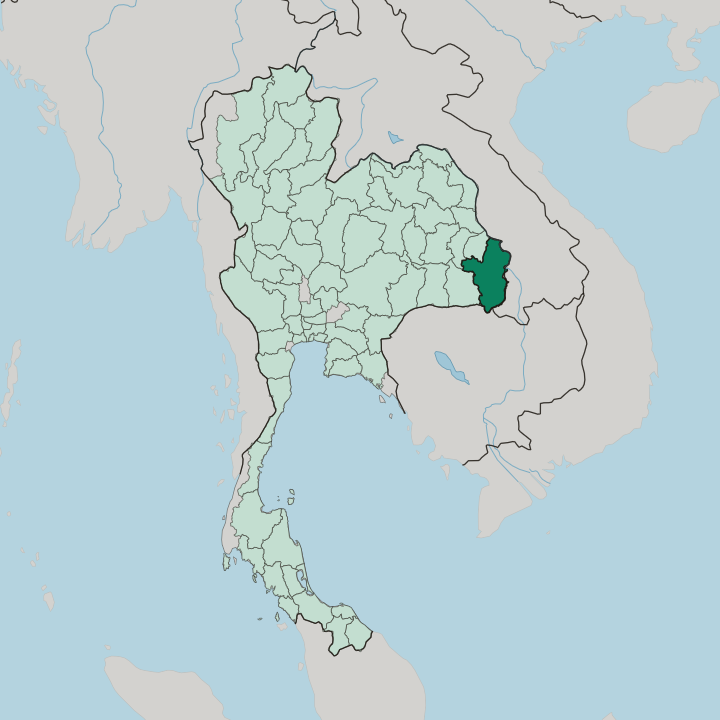
Ubon Ratchathani is Thailand's easternmost province, where the Mun River meets the Mekong on the border with Laos.
Hotel links are affiliate links: booking through them may earn us a commission, at no extra cost to you. It never affects how places are ranked. How this works


Towns & cities in Changwat Ubon Ratchathani
One town here has its own guide — it links to where to stay.
 Thailand
Ubon Ratchathani
Ubon Ratchathani is a city of northeast Thailand on the Mun river near the Mekong, the great city of Isan, famed for its festival of giant carved candles.Where to stay →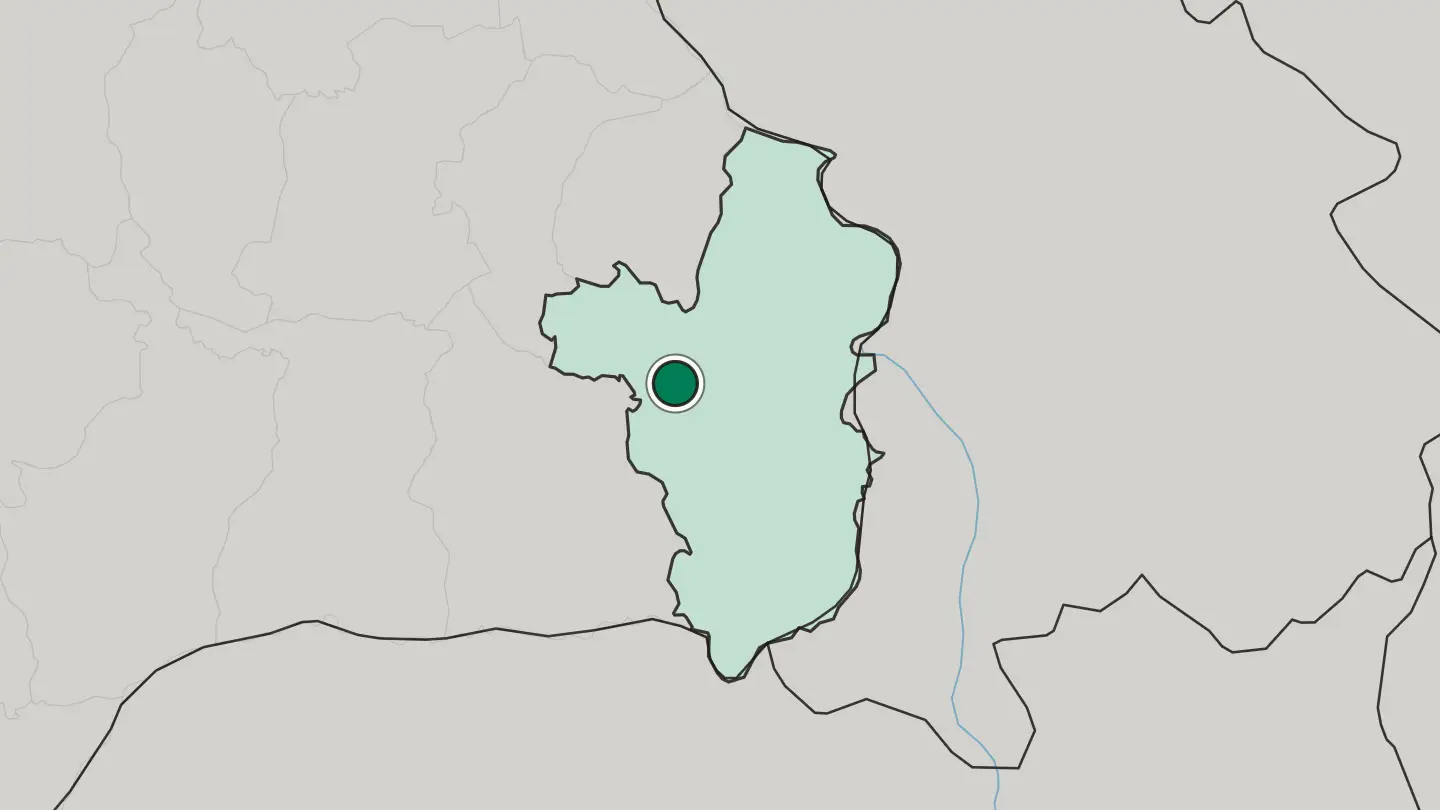
Hotel links are affiliate links: booking through them may earn us a commission, at no extra cost to you. It never affects how places are ranked. How this works
About Changwat Ubon Ratchathani
Ubon Ratchathani sits at the far eastern corner of Thailand.
What is Changwat Ubon Ratchathani known for?
It lies in lower Isan, the country's northeastern region. Every July the province stages the Ubon Ratchathani Candle Festival, when districts carve colossal beeswax sculptures to mark the start of the Buddhist rains retreat. Nature is the other draw.
The Mun River crosses the province and joins the Mekong at Khong Chiam, where brown and blue waters meet in Thailand's easternmost province.
Where is Changwat Ubon Ratchathani?
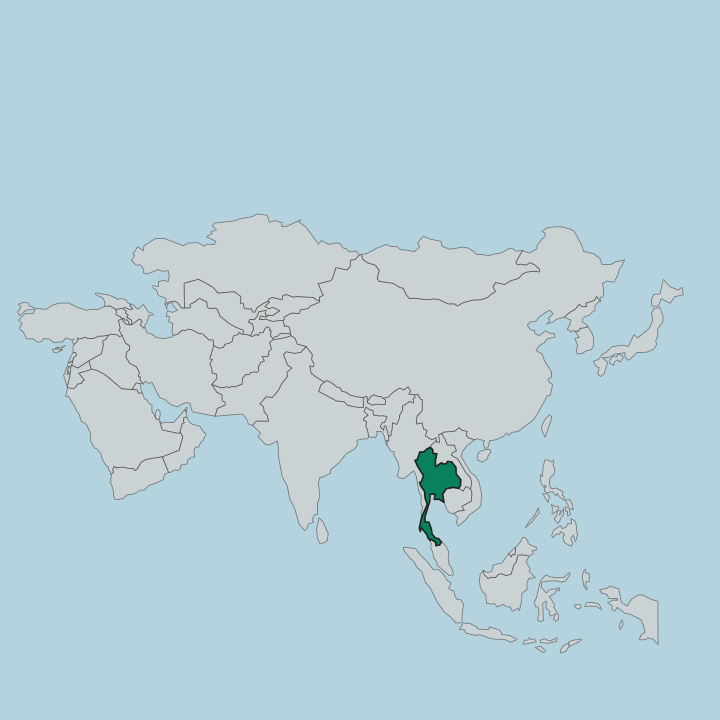
Ubon Ratchathani is the easternmost province of Thailand. It lies in the lower part of Isan, the northeastern region, on the sandstone shelf of the Khorat Plateau. The Mun River, the largest river of the plateau, runs west to east across the middle of the province and drains everything toward the frontier.
At Khong Chiam it empties into the Mekong. There the blue Mun and the muddy Mekong run side by side without mixing, a meeting the Thai call Maenam Song Si, the two-coloured river. The Mekong forms the province's long northern and eastern edge, the border with Laos. Champasak lies just across the water.
To the south the Phanom Dong Rak range rises along the frontier with Preah Vihear in Cambodia, and the point where all three countries meet is promoted as the Emerald Triangle. Bangkok lies far to the west. The land in between is low and rolling, broken by forested hills and the rapids of Kaeng Tana where the Mun cuts through sandstone.
Sam Phan Bok, a field of water-carved holes in the Mekong bedrock, appears downstream when the dry season drops the river. Ubon Ratchathani, the provincial capital, stands on the north bank of the Mun near the middle of it all.
What is Changwat Ubon Ratchathani like?
Ubon Ratchathani is Lao country as much as Thai. The province was settled in the late eighteenth century by families who crossed the Mekong from Vientiane, and their descendants still speak the Isan dialect of Lao at home. Thai is the language of school and office.
Music means the mor lam songs and the reedy khaen mouth organ. The kitchen stays firmly Isan: sticky rice eaten by hand, grilled chicken, and the fierce green-papaya salad known as som tam. Faith runs through daily life.
Ubon Ratchathani means royal lotus city, and the lotus fills the provincial seal. Its temples run from the wooden scripture library of Wat Thung Si Mueang to the white stupa of Wat Phra That Nong Bua, modelled on the great temple at Bodh Gaya. Silk weaving and hand-cast bronze bells still support villages between the rice fields.
The year turns on the Buddhist calendar. Its high point is the Candle Festival each July, when whole districts spend months carving beeswax into towering scenes from the life of the Buddha and parade them past the crowds in the capital.
What is the history of Changwat Ubon Ratchathani?
Ubon Ratchathani was born of a Lao migration. In the late eighteenth century Thao Kham Phong led followers away from Vientiane and founded a settlement on the Mun River, which was raised to a city in 1792 under Bangkok's Chakri kings. For a century it governed a huge stretch of the lower Mekong as the seat of monthon Isan.
The old territory has since been divided. Yasothon broke away in 1972, and Amnat Charoen followed in 1993, leaving the province its modern shape.
What is the climate of Changwat Ubon Ratchathani?
Ubon Ratchathani has a tropical savanna climate. The year splits into three. The wet monsoon runs from May into October, when the Mun River swells with runoff and thunderstorms roll in off the Mekong on most afternoons of the season.
A cool, dry spell follows from November. Then the heat builds through March and April before the rains break again. Those dry months lay the Mekong bed bare, and only then does the rock field of Sam Phan Bok rise from the water.
How do you get to Changwat Ubon Ratchathani?
Ubon Ratchathani lies far out in the east, well beyond Bangkok's orbit. Most travellers fly. Ubon Ratchathani International Airport sits inside the capital and links it to Bangkok in about an hour.
The overnight train from Bangkok is the classic alternative, ending across the Mun River at Warin Chamrap after crossing the whole width of the Khorat Plateau. Buses grind east through the night from the capital as well. From the city, roads fan out to Khong Chiam and the Mekong crossings into Laos.
Common questions
What is the best area to stay in Changwat Ubon Ratchathani?
Ubon Ratchathani: a first base for the Emerald Triangle. Warin Chamrap: arriving on the overnight train from Bangkok. Khong Chiam: the two-coloured Maenam Song Si river. Phibun Mangsahan: reaching Sam Phan Bok, the Grand Canyon of Thailand.
More regions in Thailand
Updated October 2026