
Turkey
Denizli, Turkey — Towns & Travel Guide
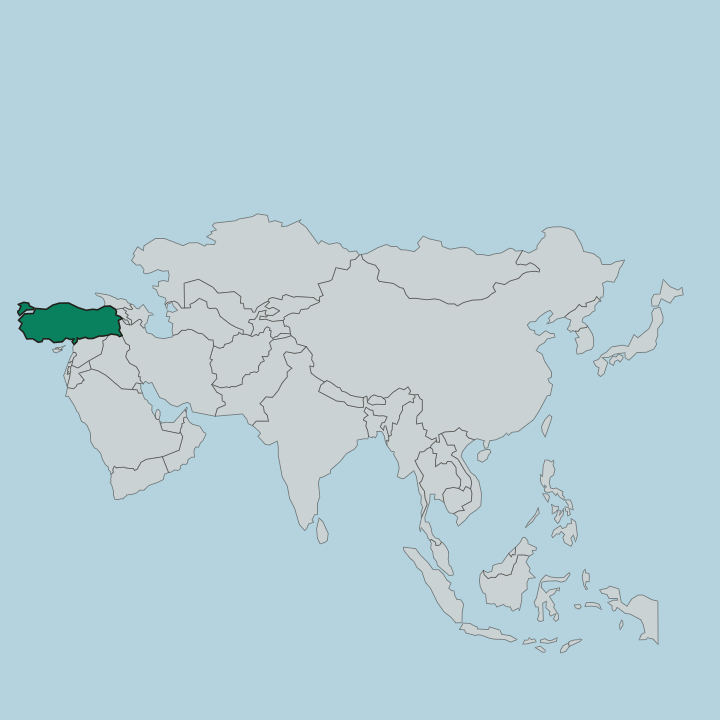
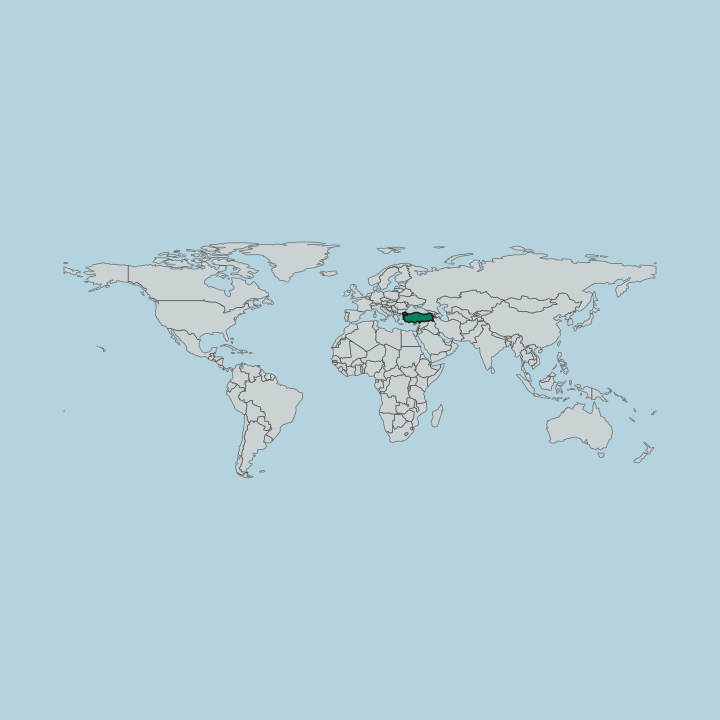
Denizli is a province in south-western Turkey, where the white travertine terraces of Pamukkale rise above the Büyük Menderes valley.
Hotel links are affiliate links: booking through them may earn us a commission, at no extra cost to you. It never affects how places are ranked. How this works


Towns & cities in Denizli
One town here has its own guide — it links to where to stay.

 Turkey
Denizli
Denizli is a city of western Turkey below the white terraces of Pamukkale, a textile town near the ancient spa city of Hierapolis.Where to stay →
Hotel links are affiliate links: booking through them may earn us a commission, at no extra cost to you. It never affects how places are ranked. How this works
About Denizli
What is Denizli known for?
Denizli's fame rests on Pamukkale. The 'cotton castle' of white travertine terraces, built up over millennia by mineral-rich hot springs, spills down a hillside crowned by the ancient ruins of Hierapolis, together a UNESCO World Heritage Site. Textiles are the other pillar: the mills of Denizli city and the old weaving looms of Buldan turn out towels and cotton cloth traded across Turkey.
The province also lends its name to the Denizli rooster, a breed prized for its unusually long crow.
Where is Denizli?
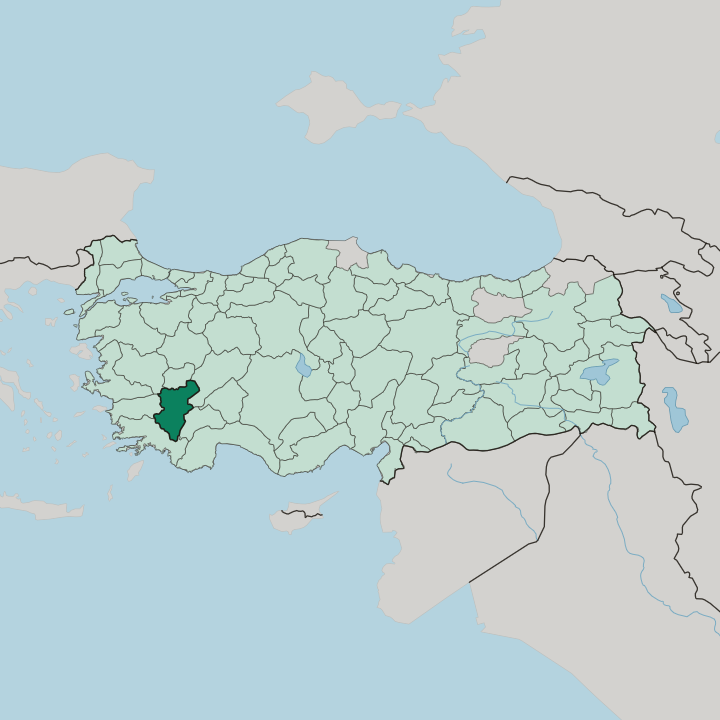
Denizli sits inland in south-western Turkey, where the Aegean lowlands climb toward the Anatolian plateau. The province fills the upper basin of the Büyük Menderes, the winding river the ancient Greeks knew as the Maiandros, whose looping course through the valley gave the word 'meander' to every language that later borrowed it. Mountains wall the basin in.
Mount Honaz, the highest peak in the whole of Turkey's Aegean region, rises along the southern rim, its upper slopes set aside as a national park. Roughly half the land is mountain; the rest divides between open valley plain and high plateau. The provincial capital, Denizli, stands near the centre of that basin, backed to the south by the Honaz ridge.
Across the valley to the north, the white travertine shelves of Pamukkale glow on the hillside, fed by hot springs that surface again as the red water of Karahayıt close by. Aydın lies downstream to the west, toward the sea. Muğla borders the south, Burdur and Afyonkarahisar the east, and Uşak and Manisa the northern edges. Beyond the farmed valley floor the ground climbs fast into ridges of pine and bare limestone. Water and stone order everything here.
What is Denizli like?
Cloth runs through daily life here. Denizli grew into one of the industrial 'Anatolian Tigers' on the back of its textile mills, and the towels, bathrobes, and cotton woven around the city travel far beyond Turkey. That trade has old roots.
In the hill town of Buldan, families still work hand looms, turning out the fine gauze cloth and the wrapped peştemal the district has made for centuries. The province even keeps a living emblem: the Denizli rooster, a farmyard breed raised for a crow that can run on for twenty seconds. Water shapes the culture as much as cloth.
The hot springs that built Pamukkale have drawn bathers since antiquity, when the sick sought healing at the sacred pools of Hierapolis, and the mineral baths at Karahayıt carry that habit on. Away from the spas, the rhythm turns agricultural, with cotton and vines filling the Menderes valley and market towns trading the produce of the plain. Across Denizli, Turkish is what you hear in the street and the market.
The cooking leans on olive oil, flatbread, and the grilled meats of the inland Aegean. Faith, market, and field still set the week.
What is the history of Denizli?
Long before the Turks, this valley held Greek cities. Hierapolis, a Hellenistic and Roman spa town, rose on the heights above the hot springs, while Laodicea on the Lycus, founded in the third century BC by the Seleucid king Antiochus II, grew wealthy on black wool and money-lending and became one of the Seven Churches named in the Book of Revelation. Earthquakes and Byzantine decline emptied both.
Seljuk and then Ottoman Turks took the region after the eleventh century, and the town that became modern Denizli spread across the plain below the ruined ancient cities.
What is the climate of Denizli?
Denizli has a Mediterranean climate carried inland and lifted by height. Summers are long, hot, and rainless, the Büyük Menderes valley baking under clear skies from June through September. Winters turn cool and wet.
Snow settles on Mount Honaz and the high plateau while the valley floor mostly takes rain, and frost is common on the uplands. Spring and autumn are short and green. Through it all, the thermal springs steam on regardless of the season.
How do you get to Denizli?
Most travellers fly in through Çardak Airport, east of the city, which runs domestic flights from Istanbul. Many arrive from the coast instead. İzmir's Adnan Menderes Airport, roughly three hours west by road, is the usual overland approach for Pamukkale. Trains climb the Menderes valley from İzmir to Denizli's central station, and intercity coaches tie the province to Antalya, Istanbul, and the Aegean towns.
Local buses climb the last stretch to the terraces.
Common questions
What is the best area to stay in Denizli?
Pamukkale: waking beside the Pamukkale terraces. Karahayıt: iron-red thermal spa hotels. Denizli: airport, buses, and onward trains. Buldan: traditional weaving and a quiet base.
Good for
More regions in Turkey
Updated October 2026