
Turkey
Isparta, Turkey — Towns & Travel Guide
Isparta is the rose-growing centre of Turkey's Lakes District, a southwestern province of mountain lakes and Damask-rose orchards.
Hotel links are affiliate links: booking through them may earn us a commission, at no extra cost to you. It never affects how places are ranked. How this works


Towns & cities in Isparta
One town here has its own guide — it links to where to stay.

 Turkey
Isparta
Isparta is the seat of Isparta Province in Turkey, a Lakes District city known for its rose oil and called the City of Roses.Where to stay →
Hotel links are affiliate links: booking through them may earn us a commission, at no extra cost to you. It never affects how places are ranked. How this works
About Isparta
Roses made the name.
What is Isparta known for?
Isparta grows the pink Damask rose across the plateau around its capital, and the oil pressed from those petals scents perfumes far beyond Turkey. The province anchors the country's Lakes District, where Lake Eğirdir spreads below the Taurus and orchards of apple and cherry climb the slopes. Its university carries the name of Süleyman Demirel, a president of Turkey born in a village nearby.
North at Yalvaç lie the ruins of Antioch of Pisidia, where Saint Paul is said to have preached.
Where is Isparta?
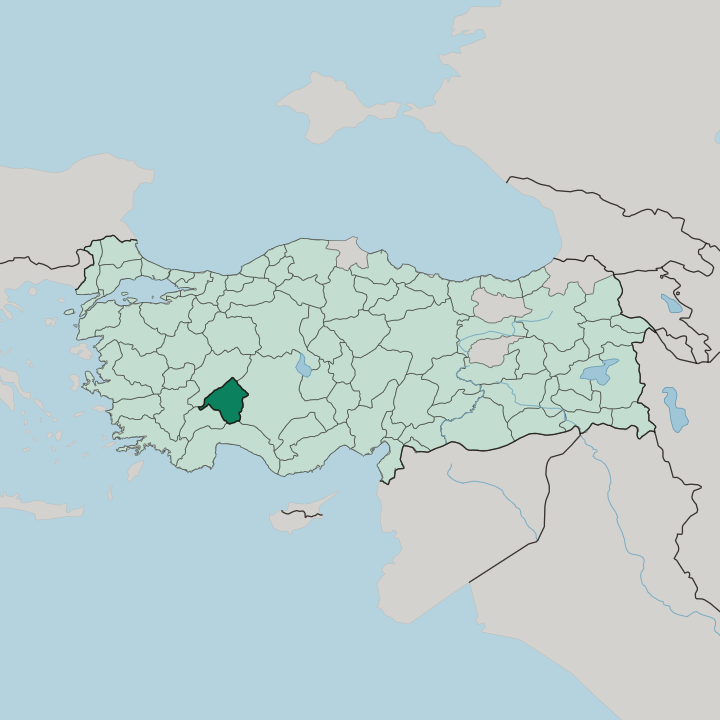
Isparta sits inland in southwestern Turkey, high on the Anatolian plateau behind the wall of the Taurus. Four provinces ring it. Afyonkarahisar lies to the north, Konya to the east, Antalya over the mountains to the south, and Burdur to the west. The land tilts up from broad basins to bare limestone ridges, and the western arm of the Taurus runs through the whole province, its passes carrying the roads down toward the Mediterranean coast.
This is high country. Winters bite here in a way the warm shore below never feels. Beyond the heights, water shapes the land.
Isparta holds more lakes than any other Turkish province, the core of the country's Lakes District. Lake Eğirdir, the fourth-largest lake in Turkey, stretches long and narrow below the ridges, fed by mountain springs and dotted with small islets near its southern town. Smaller waters fill the folds around it, among them Lake Kovada in its national park to the south and the round crater lake of Gölcük just above the capital.
Between the lakes lie the rose fields and the apple orchards that the plateau soil and the meltwater feed. It is a landscape of stone, water, and cultivated ground.
What is Isparta like?
Life here turns with the rose. For a few weeks each spring the pickers are out before dawn, gathering the Damask blooms while the oil is still held in the cool petals, and the distilleries around Isparta run day and night to catch the harvest. The scent reaches the town.
Rose water and rose oil fill the shops, sold beside jars of the apple and cherry the same orchards yield. A festival marks the picking. Petals cover the streets, and the year's crop is weighed and celebrated before the presses take it.
The other pulse is younger. Süleyman Demirel University fills the capital with students, and their cafés and bookshops set the tone of the modern centre far more than tourism does. The man it honours shaped the province in concrete too, for Süleyman Demirel rose from a nearby village to lead Turkey, and the dams and roads of his years still thread the valleys.
Away from the city the rhythm slows. In the lakeside towns fishermen work Lake Eğirdir, and the pace keeps to the water and the seasons. Old and new sit close here.
What is the history of Isparta?
The plateau is ancient ground. In the hills to the north stood Antioch of Pisidia, a Greek foundation of the Seleucids that Rome refounded as a colony under Augustus, and it was there that Saint Paul preached on his first journey through Anatolia. Pisidia was hard hill country, slow to fall to any conqueror.
Isparta itself grew later, passing through Byzantine and Seljuk hands before the Ottomans held it for centuries. Its modern rise came with the roses and the railway, and with the university that bears Süleyman Demirel's name.
What is the climate of Isparta?
Height sets the weather. Isparta sits too high and too far from the sea for the mild Mediterranean winters of the coast below, so its winters turn cold and long, with snow lying on Mount Davraz well into spring. On the plateau the summers run hot and dry, the lakes and orchards a green relief in the parched months.
The Taurus wrings the rain from the clouds, and the province stays drier than the shore. Spring, when the roses open, is the gentlest season.
How do you get to Isparta?
Most visitors come overland. Isparta has its own airport, the Süleyman Demirel Airport out at Keçiborlu, but the busier way in is the coast: Antalya's airport lies over the Taurus to the south, a couple of hours up the mountain road. A rail line still climbs inland from İzmir to the city, the old Lakes route across western Anatolia.
From Isparta the roads fan out to the lakes, to Eğirdir on the water, and north to Yalvaç. Buses tie the towns together.
Common questions
What is the best area to stay in Isparta?
Isparta: a base among the rose fields. Eğirdir: waking by Lake Eğirdir. Mount Davraz: winter snow above the lakes. Yalvaç: the ruins of Antioch of Pisidia.
Good for
More regions in Turkey
Updated October 2026