Turkey
Manisa, Turkey — Towns & Travel Guide
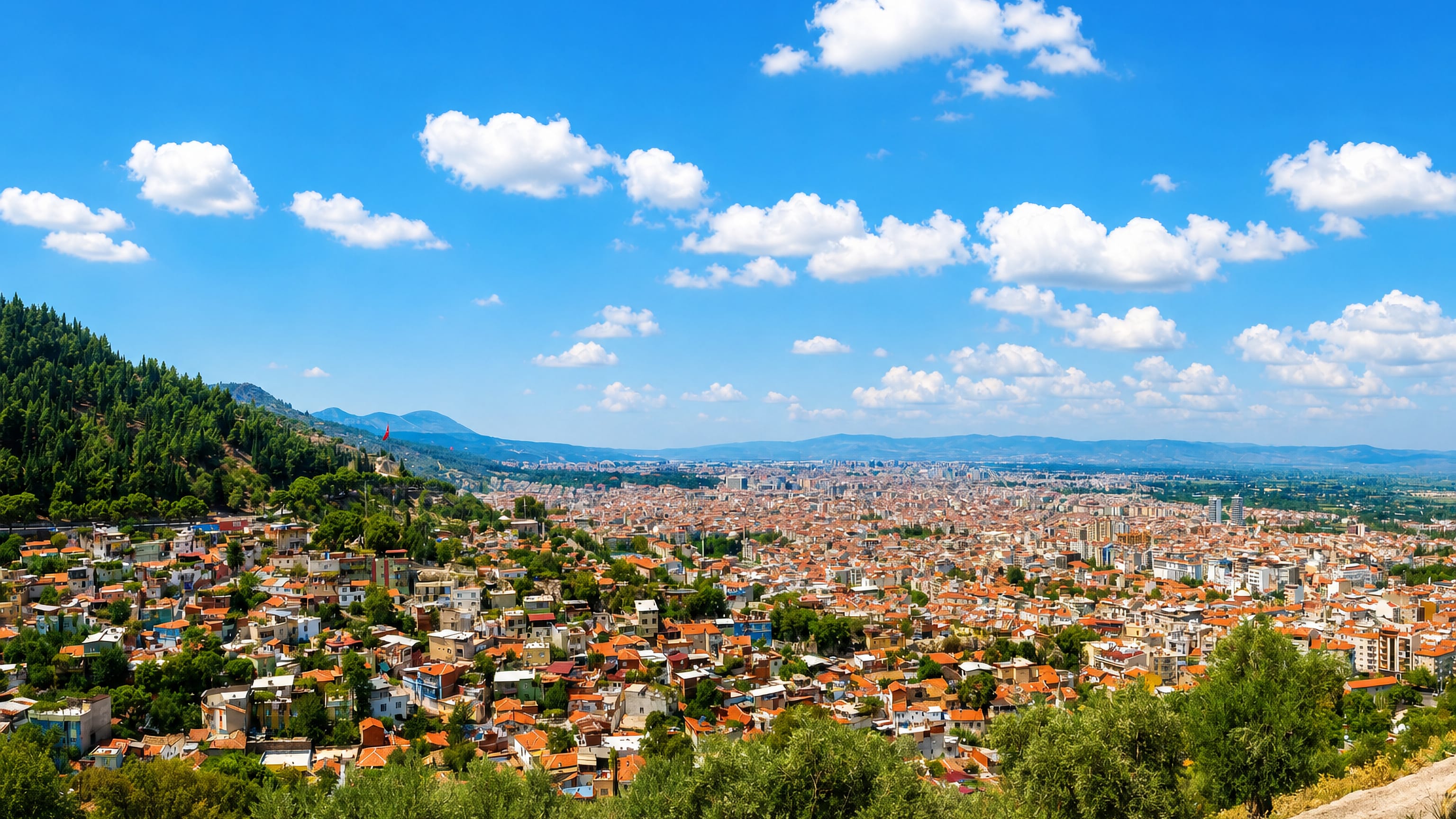
Manisa spreads across the Gediz valley below Mount Spil in Turkey's Aegean interior, the old Lydian country of Sardis, northeast of İzmir.
Hotel links are affiliate links: booking through them may earn us a commission, at no extra cost to you. It never affects how places are ranked. How this works


Towns & cities in Manisa
Pick a town or city — each links to where to stay.

 Turkey
Manisa
Manisa is a city in Aegean Turkey on the slopes of Mount Spil, near İzmir, known for its old mosques and the Mesir Macunu festival.Where to stay →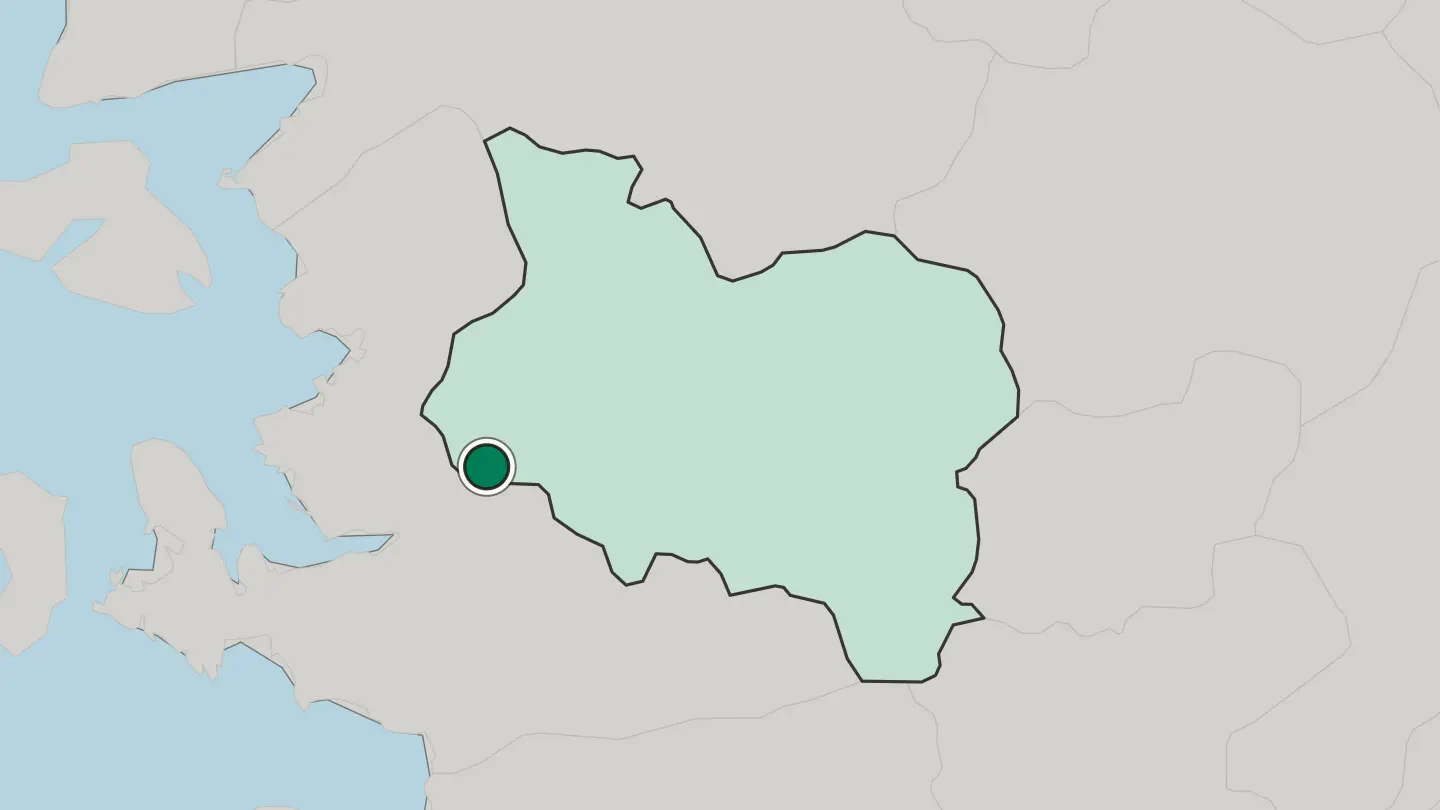
 Turkey
Salihli
Salihli is a municipality and district of Manisa Province in Turkey, and the ancient Lydian capital of Sardes lies within its bounds.Where to stay →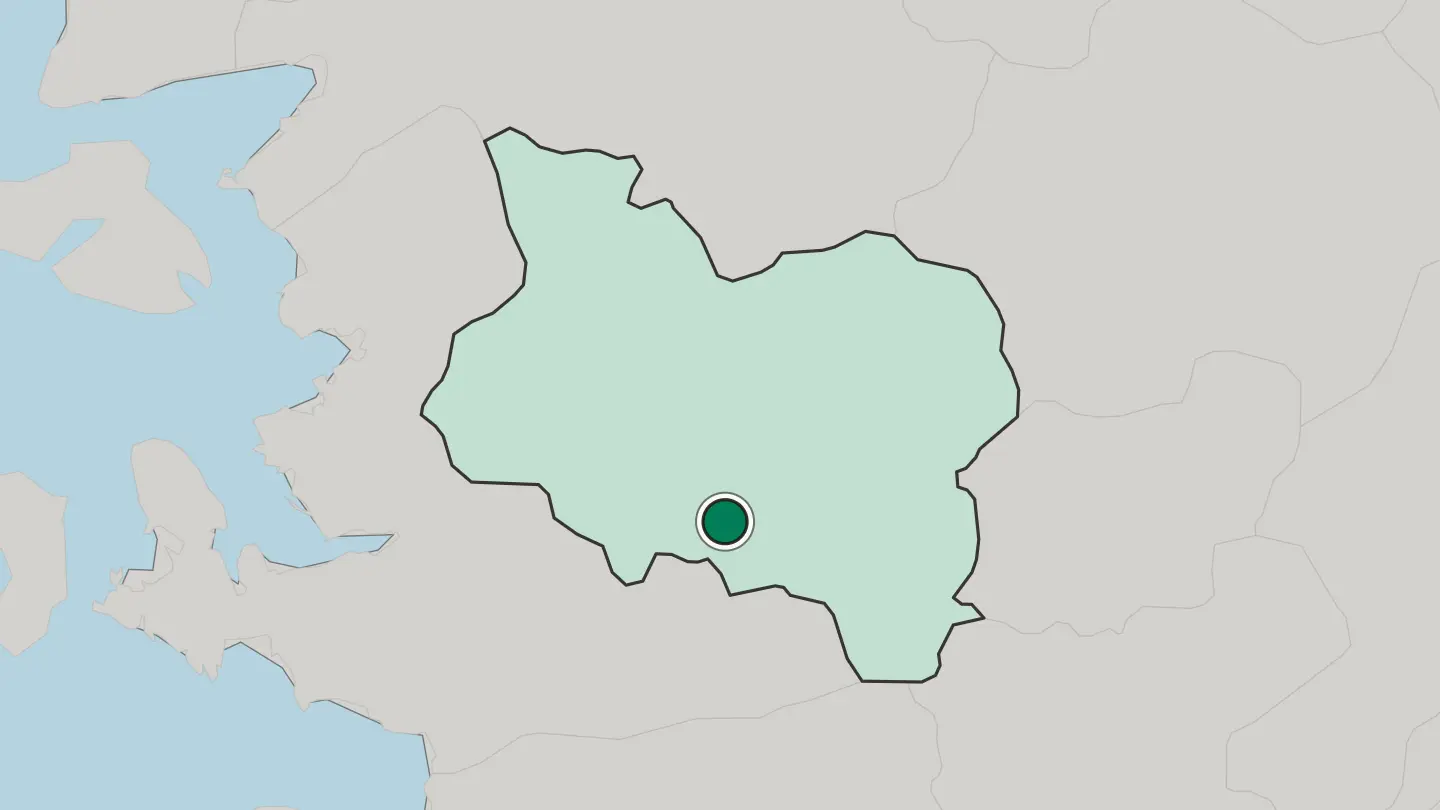
 Turkey
Akhisar
Akhisar is a district of Manisa Province in Turkey, built over ancient Thyatira, whose excavated ground lies beside the Akhisar Museum.Where to stay →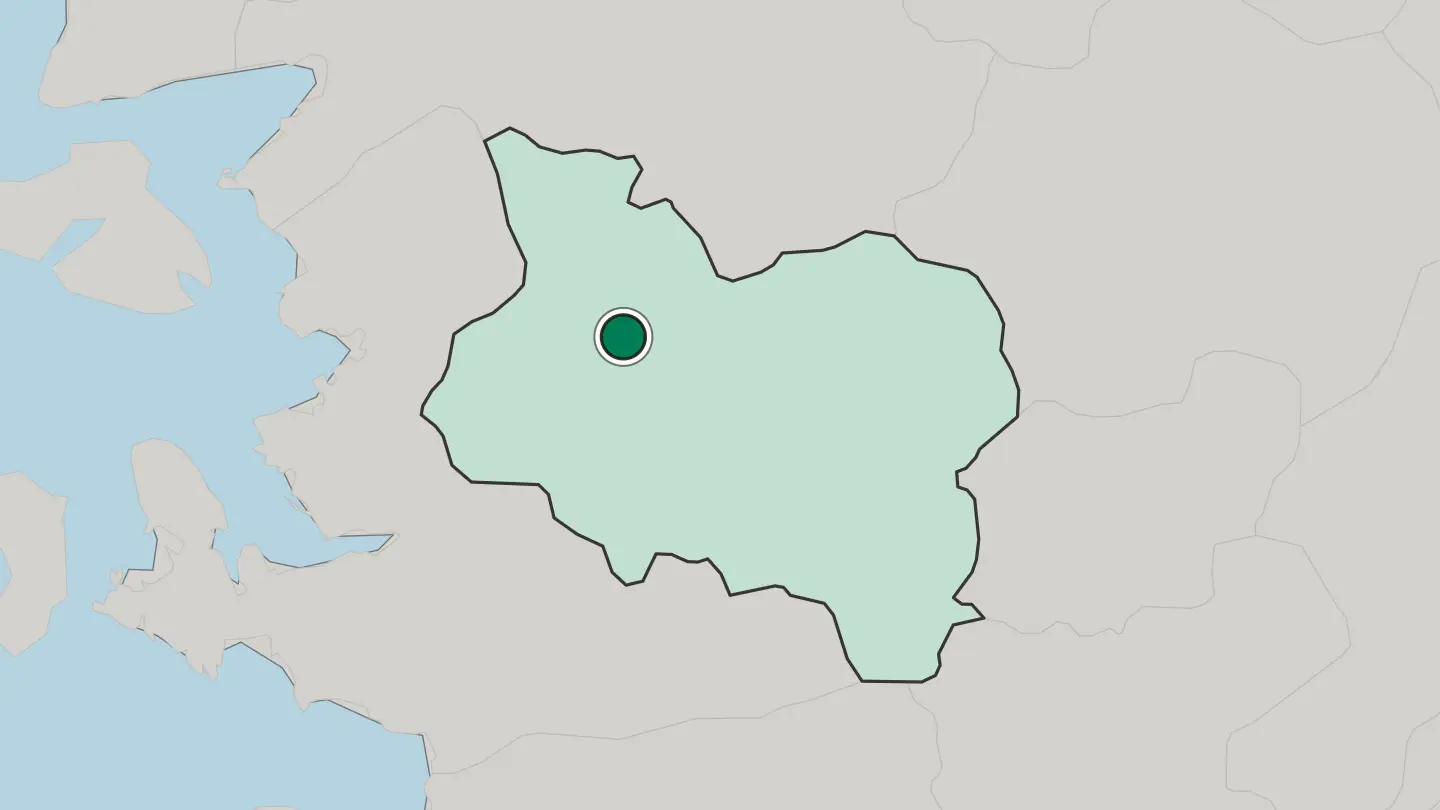
Hotel links are affiliate links: booking through them may earn us a commission, at no extra cost to you. It never affects how places are ranked. How this works
About Manisa
What is Manisa known for?
Two names carry Manisa: ancient Sardis and the Mesir Macunu festival. At Sart in the Salihli district, Sardis was the capital of Lydia, where King Croesus struck some of the first coins ever minted for money. Manisa itself is the 'city of princes'.
Sixteen Ottoman heirs, Suleiman the Magnificent among them, served their apprenticeship as provincial governors here, and many later took the throne. Each March the Sultan Mosque scatters mesir paste, a spiced remedy, from its minaret to the crowd. The Gediz plain does the rest, filling Turkey with sultana raisins.
Where is Manisa?
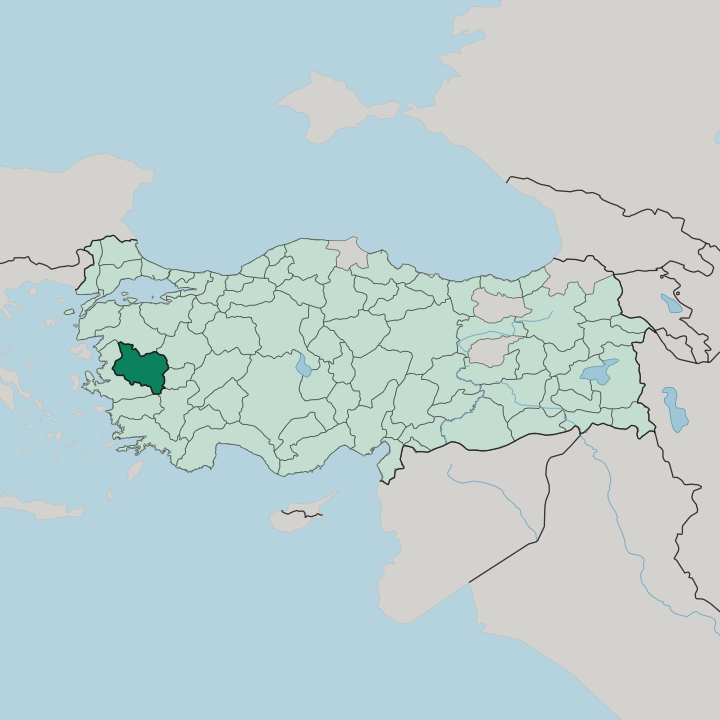
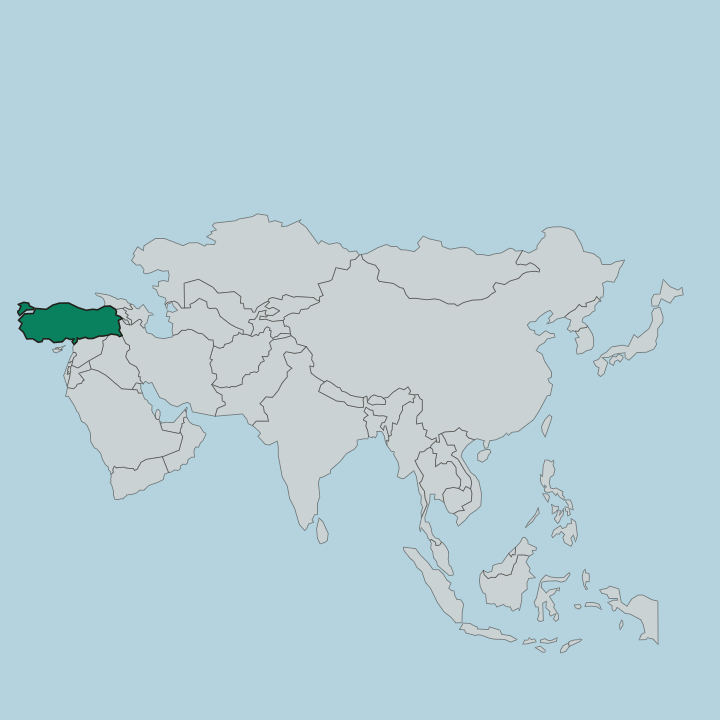
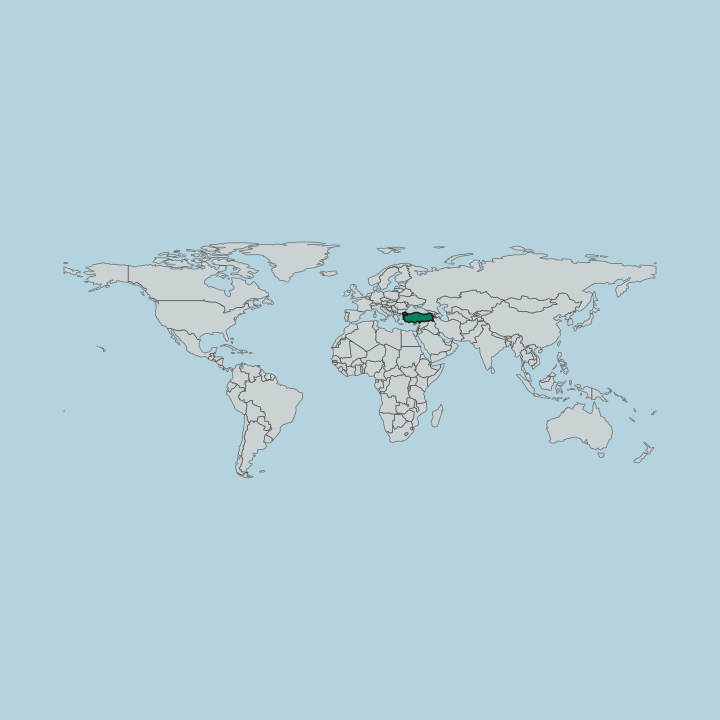
Manisa lies in the Aegean Region of western Anatolia, inland from the port of İzmir and the coast. The Gediz river, the Hermus of antiquity, drains the whole province, running west through a broad, fertile trough toward the Gulf of İzmir. Above the seat rises Mount Spil, a long limestone ridge of pine forest and crag that walls the plain off from the sea.
Springs off its slopes feed the fields below. Between mountain and river spread the alluvial flats that grow the province's grapes and cotton. Two heights define it: valley and upland.
The province fans out from that central plain. İzmir borders it on the west and Balıkesir to the north, while Kütahya sits to the northeast, Uşak due east, Denizli to the southeast, and Aydın across the hills to the south. Akhisar and its olive groves sit on the northern plains, while the vineyard towns of Salihli, Alaşehir and Sarıgöl climb the Gediz eastward toward the volcanic uplands around Kula. Soma anchors a coal basin in the northwest.
Demirci and Gördes hold the cooler northeastern highlands, carpet country far above the vines. Distances here are short, but the land changes fast.
What is Manisa like?
Manisa wears its Ottoman past openly. Every March the streets around the Sultan Mosque fill for the Mesir Macunu festival, when a spiced paste of dozens of herbs is blessed and flung from the minaret to a scrambling crowd, a rite that UNESCO lists as intangible heritage. The custom traces back to Hafsa Sultan, mother of Suleiman the Magnificent, said to have been cured by the recipe.
That memory of princely governors still shapes the city's sense of itself. Locals call it the city of princes. Beyond the festival, life here runs on the land.
The Gediz vineyards make Manisa the centre of Turkey's seedless-raisin trade, and drying grapes perfume the late-summer air across Alaşehir and Sarıgöl. Akhisar presses olives; Gördes knots wool into carpets sold under its own name; kitchens simmer tarhana, the dried soup-base said to have started in these villages. Meanwhile factories on the plain turn out televisions and white goods, a modern counterweight to the fields.
Ancient layers surface everywhere, from the Lydian gold of Sardis to Roman synagogue mosaics. It is a working province more than a museum. The past is lived in, not roped off.
What is the history of Manisa?
The city began as Magnesia ad Sipylum, the Greek town under Mount Spil, and near here in 190 BC Roman legions broke the army of Antiochus the Great at the Battle of Magnesia. Byzantine Magnesia later served the exiled emperors of Nicaea as a mint and stronghold. The Turkish beylik of Saruhan took the region in 1313, and the Ottomans absorbed it by 1410.
Then came the princes. For two centuries sultans-in-waiting learned to govern here before their reigns, leaving the mosques and schools that still mark the old town.
What is the climate of Manisa?
Manisa has a Mediterranean climate, but its inland setting sharpens both ends of the year. Summers are long, dry and fierce. Shut off from the sea breeze by Mount Spil, the Gediz plain bakes far hotter than coastal İzmir through July and August, when rain all but stops.
Winters are short, wet and cool, cold enough for frost on the plain and snow on the heights. Most of the year's rain falls between late autumn and early spring. That long dry heat is exactly what ripens the grapes.
How do you get to Manisa?
Most travellers reach Manisa through İzmir. The nearest airport is İzmir's Adnan Menderes, less than an hour southwest by road. From the coast the highway climbs the Sabuncubeli tunnel under Mount Spil before dropping to the plain.
The rail line adds a second option into Manisa. Regional and intercity services run up the Gediz valley from İzmir, threading the towns of Turgutlu, Salihli and Alaşehir on the line toward the interior. Within the province, buses link the district towns to the seat.
Common questions
What is the best area to stay in Manisa?
Manisa: the city, its museums, and the Spil Dağı trails. Salihli: the Lydian ruins at Sardis. Alaşehir: vineyards and the ancient Philadelphia. Kula: the volcanic geopark and old Ottoman houses.
Good for
More regions in Turkey
Updated October 2026