
Turkey
Mardin, Turkey — Towns & Travel Guide
Mardin is a province of southeastern Turkey, where a golden-stone old city terraces down a ridge above the Mesopotamian plain toward Syria.
Hotel links are affiliate links: booking through them may earn us a commission, at no extra cost to you. It never affects how places are ranked. How this works


Towns & cities in Mardin
Pick a town or city — each links to where to stay.
 Turkey
Kızıltepe
Kızıltepe is a municipality and district of Mardin Province in Turkey, a large inland district where Kurmanji is the principal spoken language.Where to stay →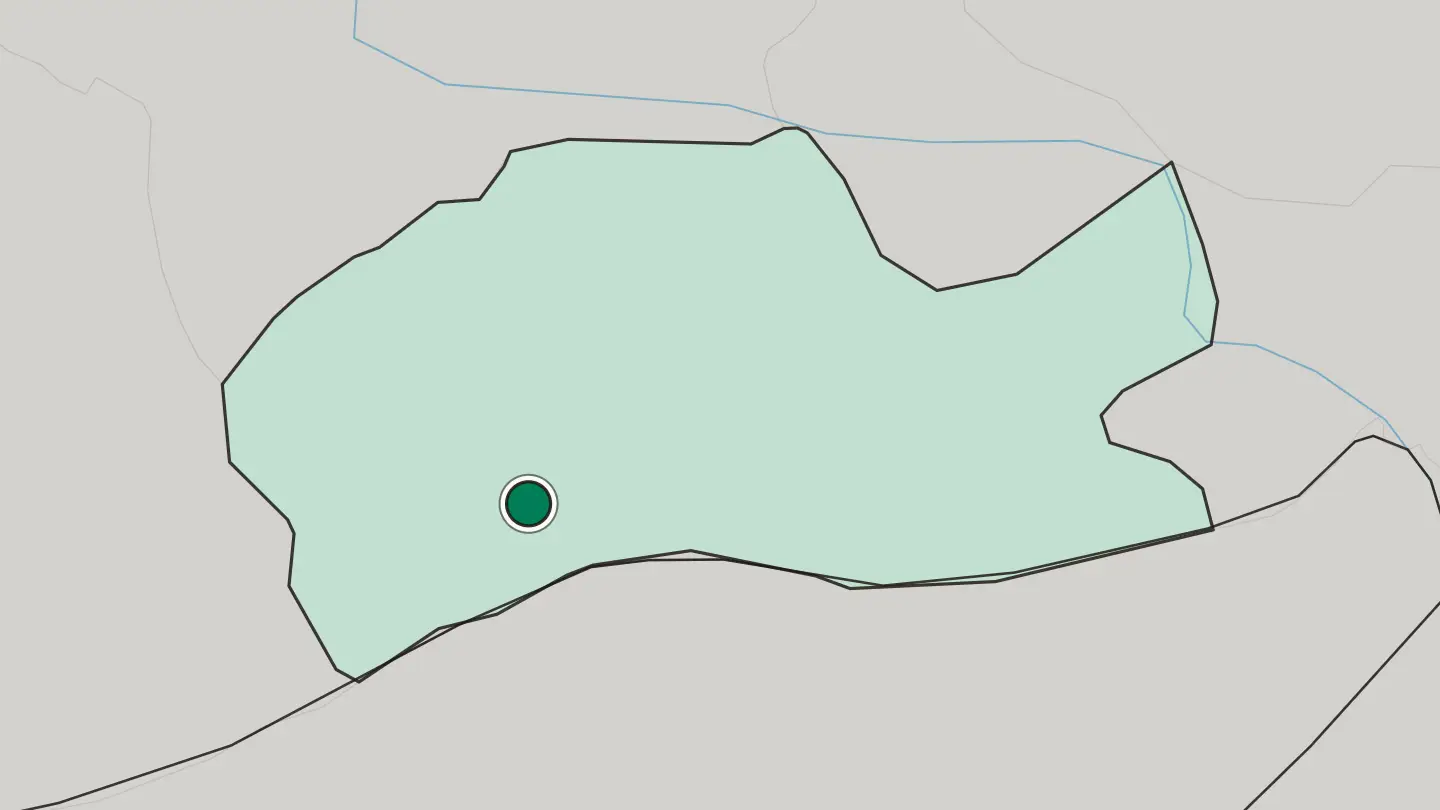
 Turkey
Mardin
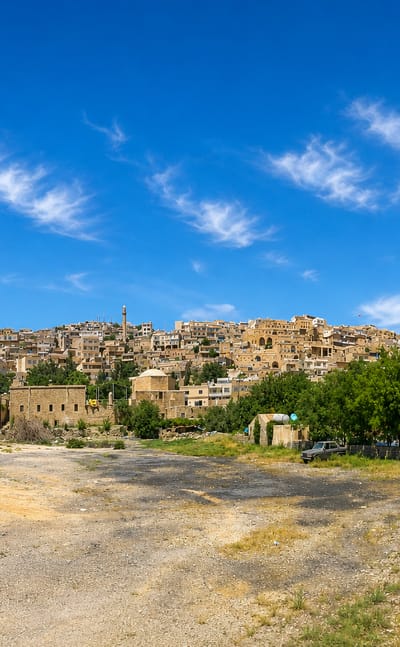
Mardin cascades in carved stone down a hill in southeastern Turkey, an old Artuqid city above the Mesopotamian plains near the Tigris, below Mardin Castle.Where to stay → Turkey
Nusaybin
Nusaybin is a border city in Southeastern Anatolia and a district of Mardin Province, holding the church of Saint Jacob of Nisibis.Where to stay →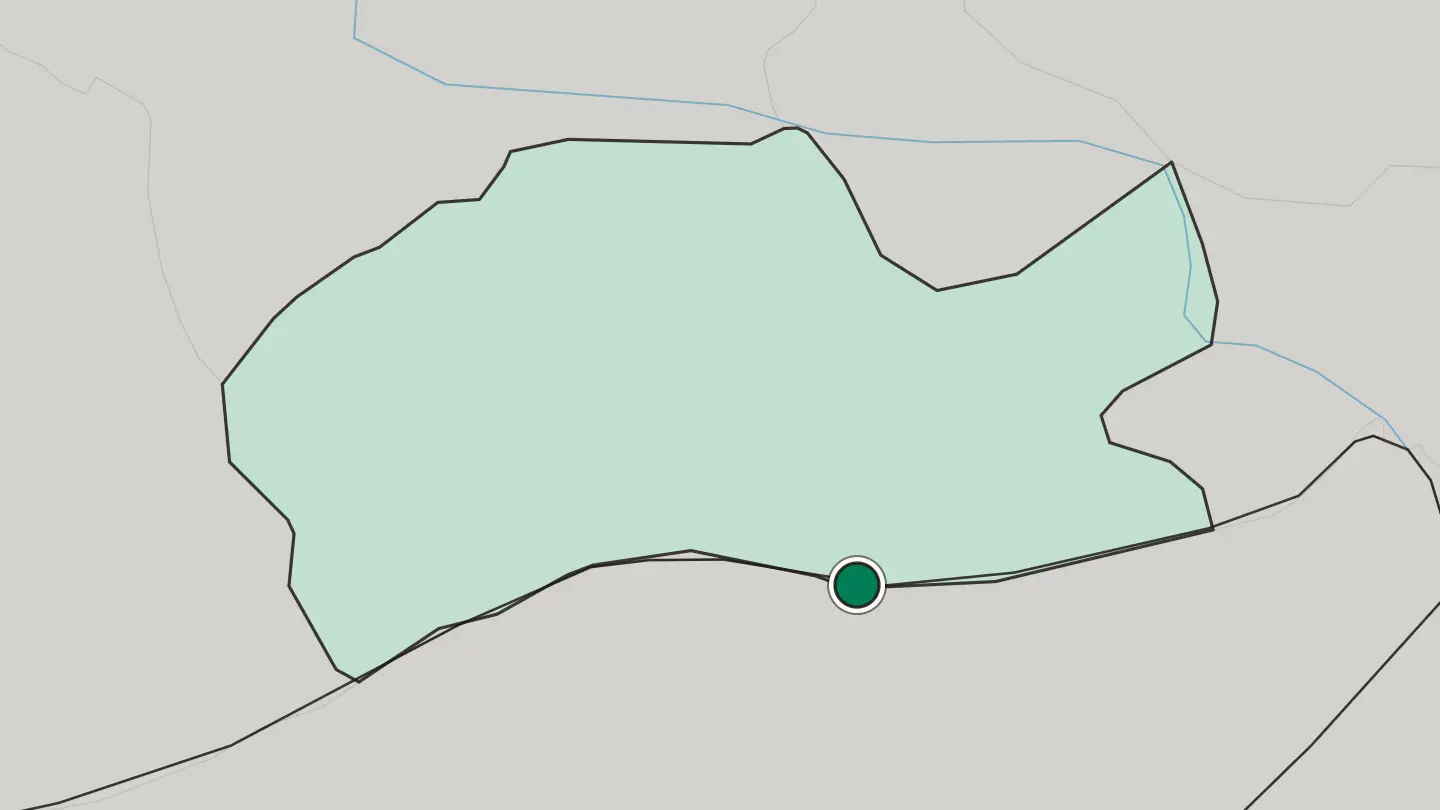 Turkey
Midyat
Midyat is a stone-built town in Southeastern Anatolia, a district of Mardin Province, known for its Süryani churches and for Telkari silverwork.Where to stay →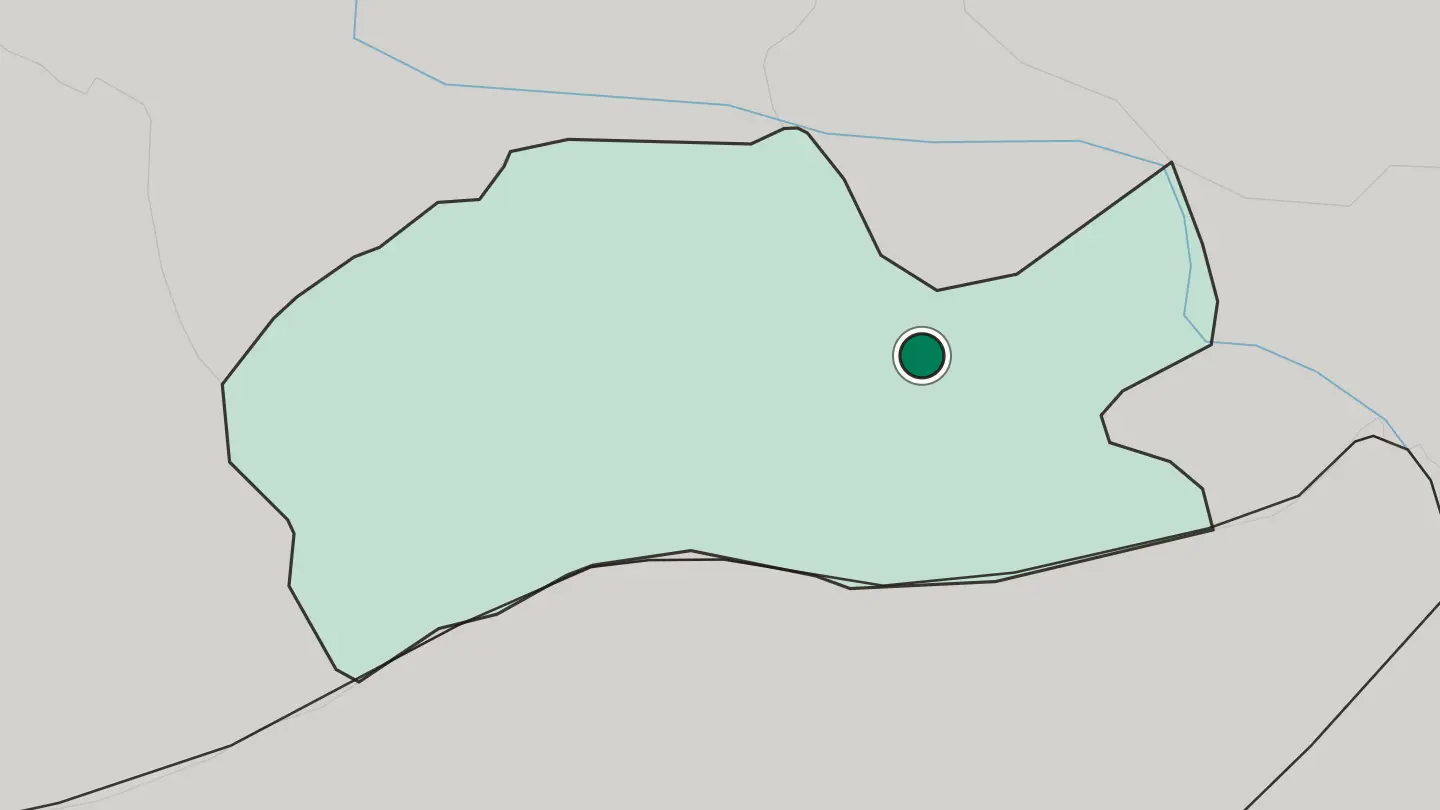
Hotel links are affiliate links: booking through them may earn us a commission, at no extra cost to you. It never affects how places are ranked. How this works
About Mardin
What is Mardin known for?
Mardin is Turkey's golden-stone city. Its old quarter climbs a single ridge in terraces of honey-coloured limestone, so that the flat roof of one house serves as the courtyard of the next, all of it facing the Mesopotamian plain far below. Artuqid madrasas crown the slope, among them the Zinciriye, finished in 1385, and the courtyard of the Kasımiye.
East across the Tur Abdin plateau stand some of the oldest monasteries in Syriac Christianity, Deyrulzafaran near the city and Mor Gabriel above Midyat.
Where is Mardin?
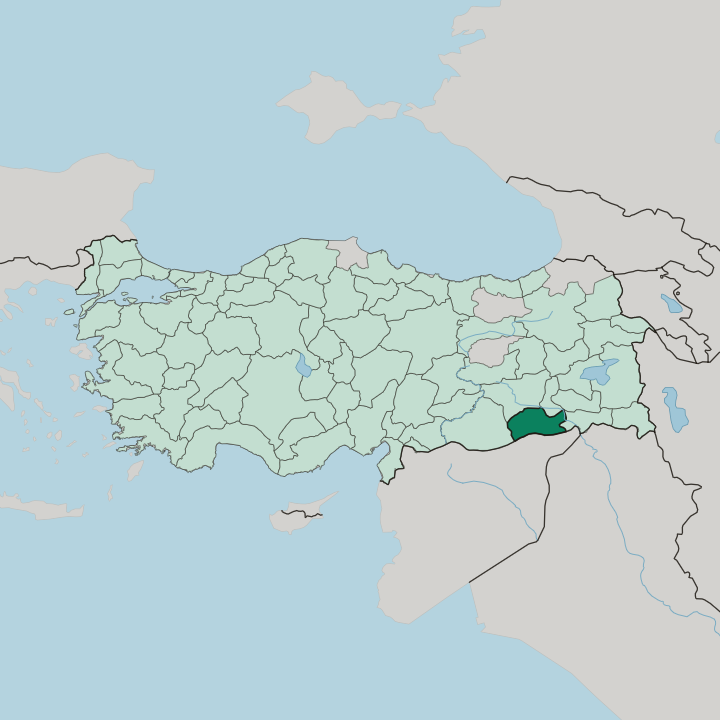
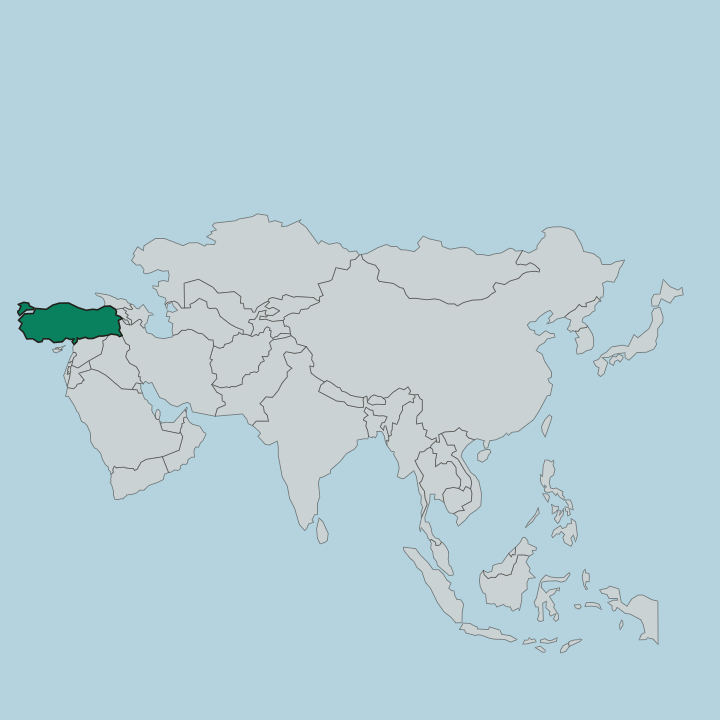
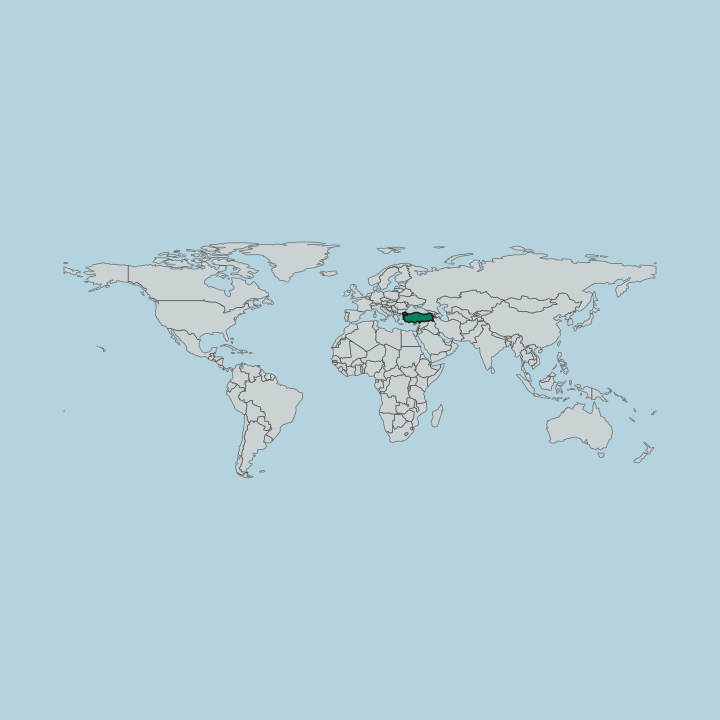
Mardin lies in the far southeast of Turkey, in the Southeastern Anatolia Region, with the Syrian frontier running along its whole southern edge. The province straddles two very different kinds of ground. Across its middle rises a limestone escarpment, the Mardin Mountains, whose ridge carries the provincial city at around a thousand metres.
To the south that high ground breaks off sharply and the land falls to the flat Mesopotamian plain, which runs unbroken to the horizon and on into Syria. The old city looks straight out over it. This is the northern rim of Upper Mesopotamia, the historical land between the Tigris and the Euphrates.
The eastern half of the province is the Tur Abdin, a rolling plateau of pale limestone dotted with old Syriac villages and monasteries. Beyond it the Tigris marks Mardin's eastern flank as it swings south toward Iraq. Diyarbakır sits to the northwest and Şanlıurfa to the west, out across the plain, while Batman and Şırnak lie to the northeast and east. Kızıltepe and the farmland spread south and west, down on the level ground; Midyat and the monastery country rise to the east.
Everything drains toward the plain.
What is Mardin like?
Few places in Turkey carry as many tongues at once. The streets carry Turkish, Kurdish, Arabic, and Turoyo, the Neo-Aramaic speech of the local Syriac Christians, whose main dialect belongs to Midyat. Kurds, Arabs, and Assyrian Christians have shared this ground for centuries.
Churches and mosques rise from the same tangle of alleys. That mix is the city's real character, older and deeper than any single monument. It shows in the food, which leans Arab and Mesopotamian, in the bitter mırra coffee poured in the bazaar, and in the silver telkari filigree hammered in Midyat's workshops.
The Tur Abdin has been a heartland of Syriac Christianity since late antiquity. Deyrulzafaran, the Saffron Monastery just east of the city, served for centuries as the seat of the Syriac Orthodox patriarchs. Mor Gabriel, above Midyat, counts among the oldest working monasteries anywhere.
Both still draw Syriac pilgrims and scholars. Stone is the other constant. Mardin's carvers cut the soft honey limestone into lace-like façades, and the same craft raised the madrasas, churches, and mosques that stand along the slope.
It is a working tradition, not a museum piece.
What is the history of Mardin?
The ridge has been a prize since antiquity, the northern gate onto the Mesopotamian plain. Down on the flat, Nusaybin was the ancient Nisibis, a walled fortress fought over for centuries between Rome and Persia. From 1103 the citadel above the plain served as the capital of an Artuqid line, an Oghuz Turkish dynasty who cut the madrasas and mosques still strung along the hillside.
Ottoman rule followed. The stone city visitors climb is largely their inheritance.
What is the climate of Mardin?
Mardin runs hot and dry through a long summer. The heat peaks in July, when the Mesopotamian plain below the ridge bakes under a cloudless sky and rain all but stops for months. Winters turn cooler and wetter, with most of the year's rain falling from late autumn into spring.
The old city's perch on the escarpment catches what breeze there is, so it stays a shade cooler than the plain, and snow dusts the higher ground a few times each winter. Spring is the kind season.
How do you get to Mardin?
Most travellers reach Mardin by air. Mardin has its own airport out on the plain southeast of the ridge, with links to the big Turkish hubs, and Diyarbakır's larger airport lies about an hour to the north by road. Long-distance buses run from Diyarbakır and other southeastern cities to the terminal below the old town.
A rail line crosses the plain past Kızıltepe toward Nusaybin and the Syrian border. From the bus station and the airport, it is a short climb up to the stone streets.
Common questions
What is the best area to stay in Mardin?
Mardin old city: first-time visitors and the terraced bazaar. Midyat: the Tur Abdin monastery circuit. Kızıltepe: the Mesopotamian plain and the road network.
Good for
More regions in Turkey
Updated October 2026