Turkey
Van, Turkey — Towns & Travel Guide
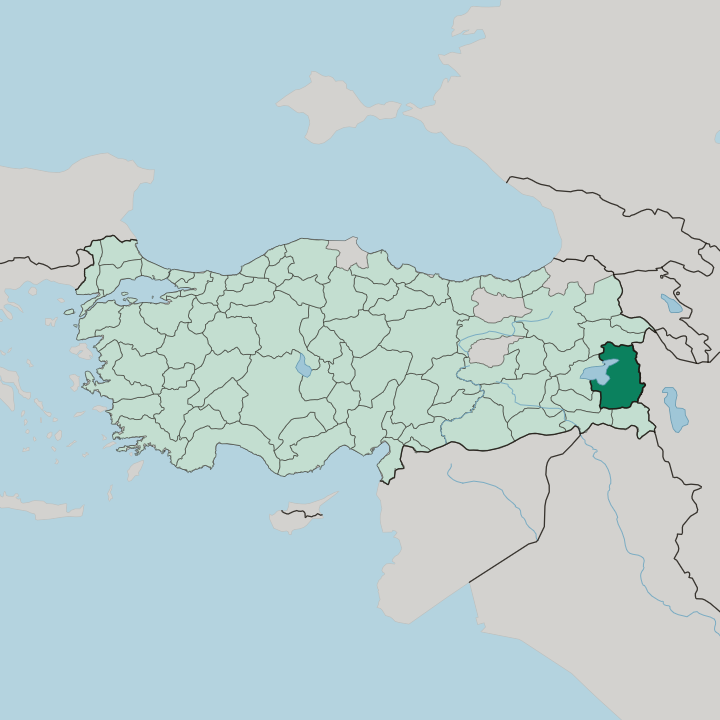
Van is a province of eastern Turkey, wrapped around the eastern shore of Lake Van, the country's largest lake, near the Iranian border.
Hotel links are affiliate links: booking through them may earn us a commission, at no extra cost to you. It never affects how places are ranked. How this works


Towns & cities in Van
Pick a town or city — each links to where to stay.
 Turkey
Van
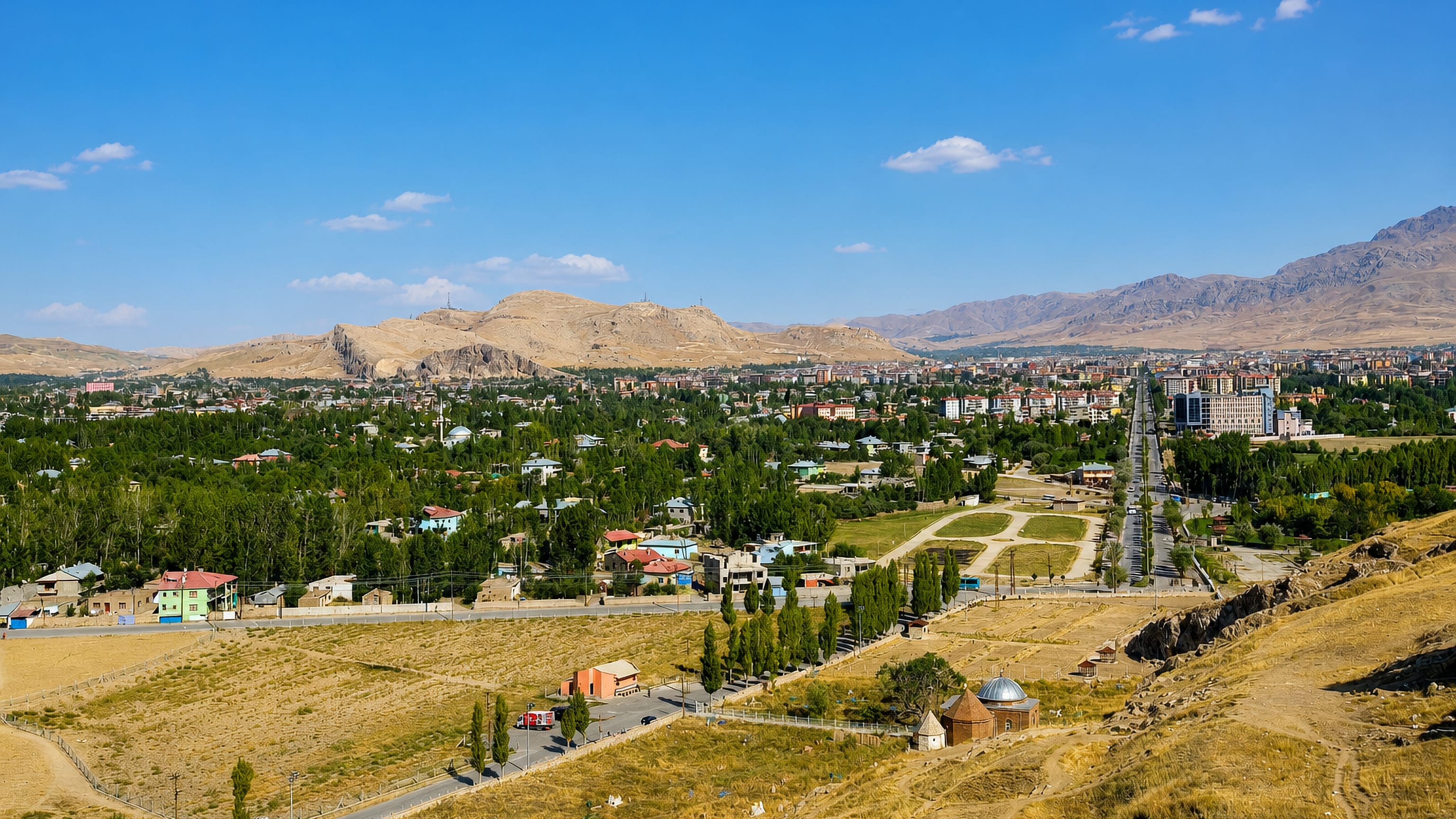
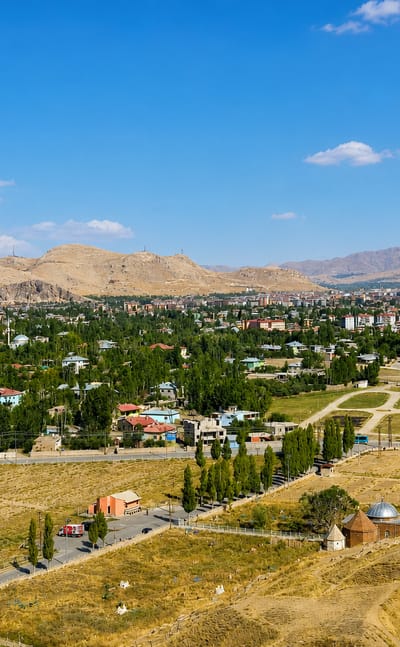
Van stands on the eastern shore of Lake Van in eastern Anatolia, Turkey, an old city below the rock of Van Fortress and the ancient citadel of the Urartu.Where to stay →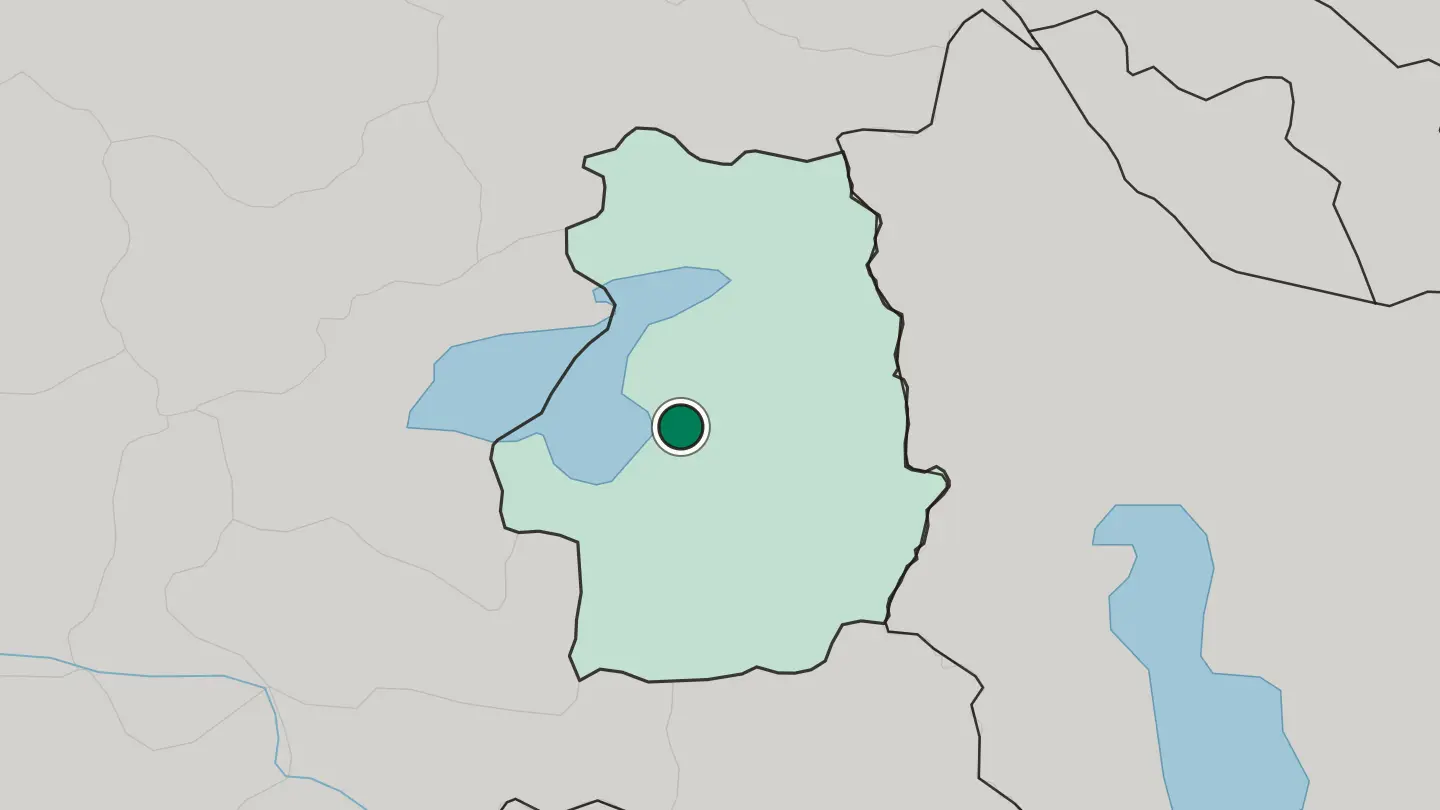
 Turkey
Erciş
Erciş is a municipality and district of Van Province in Turkey, set on the ground at the northern end of Lake Van.Where to stay →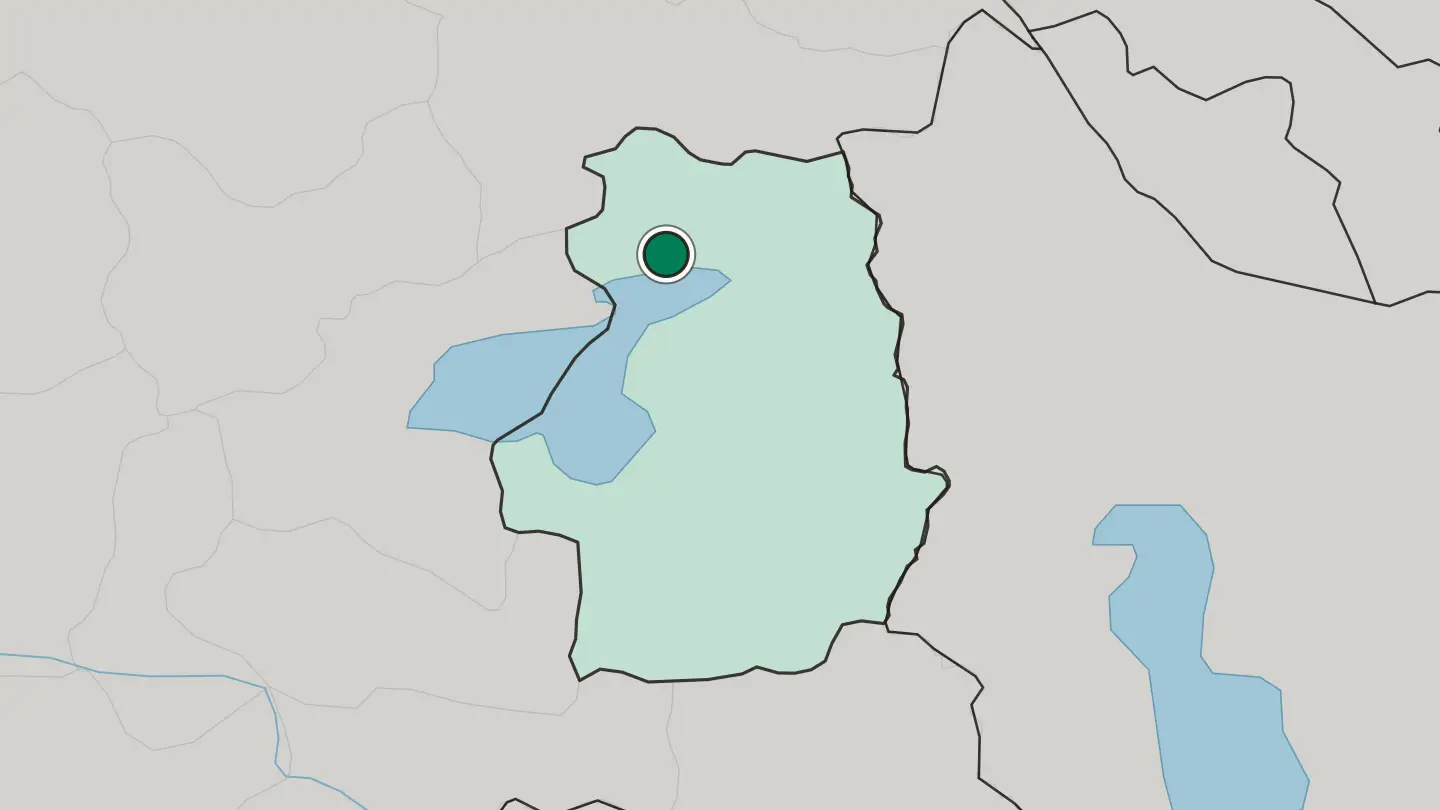
Hotel links are affiliate links: booking through them may earn us a commission, at no extra cost to you. It never affects how places are ranked. How this works
About Van
What is Van known for?
Lake Van fixes the province in place, a vast saline soda lake ringed by bare mountains. Most visitors come for what stands on and around it. The rock of Van Fortress, cut by Urartian kings who ruled from Tushpa nearly three thousand years ago, rises straight from the old lakeside plain.
Out on the water, the tenth-century Cathedral of the Holy Cross crowns Akdamar Island, its walls carved with scenes from the Bible. The Van cat belongs here too. It is a white breed known for odd-coloured eyes and an unusual taste for swimming.
Where is Van?
Van lies in the far east of Turkey, in the highlands of Eastern Anatolia, hard against the frontier with Iran. This is high country. The province sits more than 1,600 metres above sea level, on a plateau of the Armenian Highlands where the land buckles into ridges and old volcanic cones.
Lake Van fills its western side, and everything in the province is measured against that water. It is the largest lake in Turkey by far. A saline soda lake with no river draining it, the water is alkaline enough that washing is done in it without soap, and salty enough that most of it never freezes even through the hard winters.
Mountains close the province on every other side. Bitlis adjoins it to the west, around the far end of the lake, and Hakkâri rises to the south in a wall of steep ranges toward the Iraqi border. The volcanic cone of Mount Süphan stands beyond the northern shore. Away to the east, beyond the last ridges, lies Iran.
Rivers run down off the surrounding peaks into the closed basin of the lake, which has no way out to any sea. That is the shape of Van: a great inland sea of soda water, held in a bowl of mountains at the eastern edge of the country.
What is Van like?
Van carries many layers. The oldest belongs to Urartu, the Iron Age kingdom that raised its capital at Tushpa on the lakeshore and left cuneiform cut into the citadel rock. Centuries later the region became a heartland of Armenian life, and under the Kingdom of Vaspurakan its kings built the Cathedral of the Holy Cross, whose outer walls carry carved biblical reliefs.
That older world is gone. The Armenian communities of the province were destroyed in 1915, and the city was rebuilt away from its ruined citadel. What lives here is largely Kurdish, and daily life runs to its own rhythms of language, food, and faith.
Van is famous across Turkey for its breakfast. Long tables crowd with warm bread, honey, olives, and the region's herbed cheese, and a single sitting can stretch for hours. The Van cat carries the name abroad, a chalk-white animal prized for its mismatched eyes and its odd willingness to swim.
Markets, music, and the slow business of eating hold the culture together.
What is the history of Van?
Van's recorded past begins with Urartu. From the ninth century BC its rulers governed from Tushpa, the fortress-city on the lakeshore, and the great rock they fortified still carries their inscriptions. Power passed through Medes, Persians, Romans, and Arabs before Armenian dynasties took hold.
The Kingdom of Vaspurakan rose around the year 908 and left the island cathedral as its monument. Ottoman rule followed. The old Armenian city was destroyed during the First World War, in 1915, and modern Van grew up on the plain east of the citadel it once crowned.
What is the climate of Van?
Height rules the weather here. Van sits high on the Eastern Anatolian plateau, and its climate is continental and semi-arid, with long hard winters and warm, dry summers. Snow lies for months, and cold snaps can drive the air far below freezing.
Summers are short, sunny, and mild rather than hot. Lake Van tempers the extremes a little along its shores, and its salt content keeps the main body of water from freezing even when the surrounding plateau lies under snow.
How do you get to Van?
Distance is the first fact of travel to Van. The province lies about as far east as Turkey goes, so most visitors fly. Van Ferit Melen Airport, a short drive from the city, takes daily flights from Istanbul and Ankara.
Overland is slower. Long-distance coaches grind in across the passes, a rail line and its train ferry cross the lake from the Bitlis side, and the Iranian border opens a road in from the east. Either way, the mountains stretch the final approach.
Common questions
What is the best area to stay in Van?
Van: a base for the whole province. Edremit: the shore south of the city. Gevaş: the crossing to Akdamar Island. Erçiş: the northern end of the lake.
Good for
More regions in Turkey
Updated October 2026