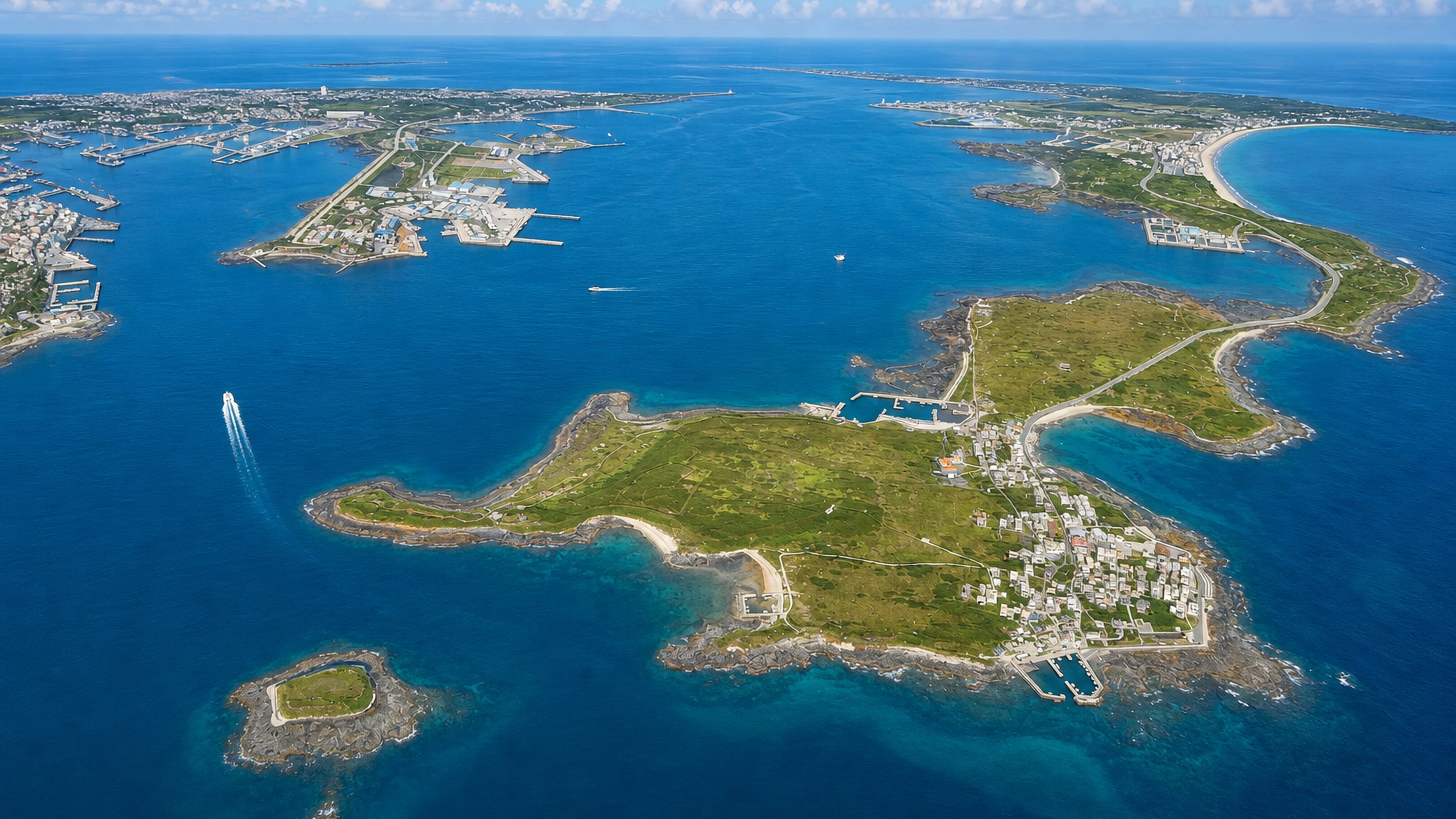
Taiwan · Taiwan
Where to Stay in Magong, Taiwan
Magong is the capital of the Penghu islands in the Taiwan Strait, a windswept town of coral-stone streets and old temples.
Hotel links are affiliate links: booking through them may earn us a commission, at no extra cost to you. It never affects how places are ranked. How this works


Where to stay in Magong
The practical side of choosing where to sleep.
Where you stay in Magong turns on the old town or the coast. The old streets by the harbour keep the temple, the market, and the coral houses within a walk, and staying downtown suits anyone here for the town. The harbour fills with fishing boats.
Rooms sit near the old temple. Out toward the beaches and the outer isles, the town gives way to basalt and sea. A room by the coast trades the old streets for the sand, the reefs, and the boats to the islands.
The windy strait opens past the edge. If you want the temple and the market, stay downtown; if you want the beaches, take a room by the coast. Either way, the sea is close at hand.
Find hotels in Magong
Direct booking searches for these neighbourhoods.
The old town
By the harbour within a walk of the Mazu temple and old streetFind hotels in The old townStays wanting the beaches and outer islesThe coast
By the shore near the sand, reefs, and boats to the islandsFind hotels in The coastHotel links are affiliate links: booking through them may earn us a commission, at no extra cost to you. It never affects how places are ranked. How this works
Things to do in Magong
Ranked by global recognition; descriptions from Wikidata (CC0).
Museums & Galleries
3- Penghu Prefecture Military Police Office Heritage
- Chang Yu-sheng Memorial Museum
- Penghu Living Museum
Churches & Religious Sites
1- The Church in Magong City
Landmarks & Notable Places
2- Old House of Family Hsiang, Magong Heritage
- Hochang building materials company
worth knowingacross 3 categories in Magong
About Magong
Magong is the old port town of the Penghu islands.
What is Magong known for?
On these low windy islands in the Taiwan Strait it grew as the main harbour and market, and it keeps the oldest Mazu temple in Taiwan, an old street of coral-stone houses, and the memory of the sea, while black basalt cliffs and reefs ring the isles. The wind blows hard off the strait. Temple and sea mark the town.
What are the main landmarks in Magong?
The Mazu temple stands by the old harbour of Magong. The oldest temple to the sea goddess in Taiwan, dark with age and incense, rises among the coral-stone houses, the emblem of the town, near the water. An old street runs through the town.
The Central Street of coral and brick keeps the old shops and shrines, while the basalt cliffs and the marine geopark mark the isles around Magong.
What is the history of Magong?
Magong grew as the harbour of the Penghu islands. Long a stopping place for ships crossing the strait, the town gathered around a temple to Mazu, the sea goddess, raised by sailors who prayed for safe passage, the oldest of her temples in Taiwan. Fishermen built houses of coral.
They cut blocks of coral and basalt from the reefs and shore, and raised low strong houses against the wind, in a warren of narrow streets. The islands guarded the sea road for centuries. Whoever held Penghu held the passage between China and Taiwan, and Dutch, Chinese, and French fleets fought for the harbour in their turn.
The wind and the sea shaped the life here. People lived by fishing and the trade of the strait, sheltered behind stone walls and coral windbreaks, and the town stayed small and salt-worn. The old Mazu temple still stands by the harbour.
Magong keeps its temple and its coral streets in the islands.
Where is Magong?
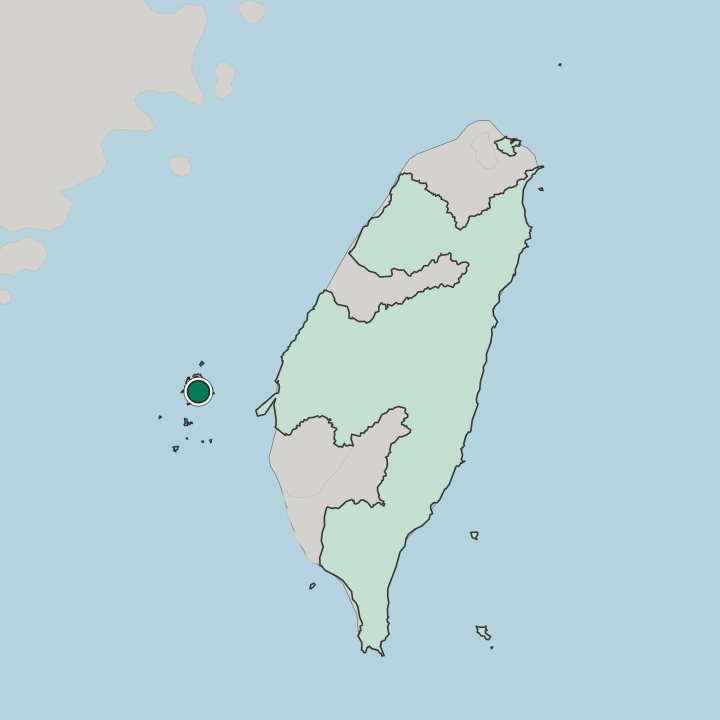
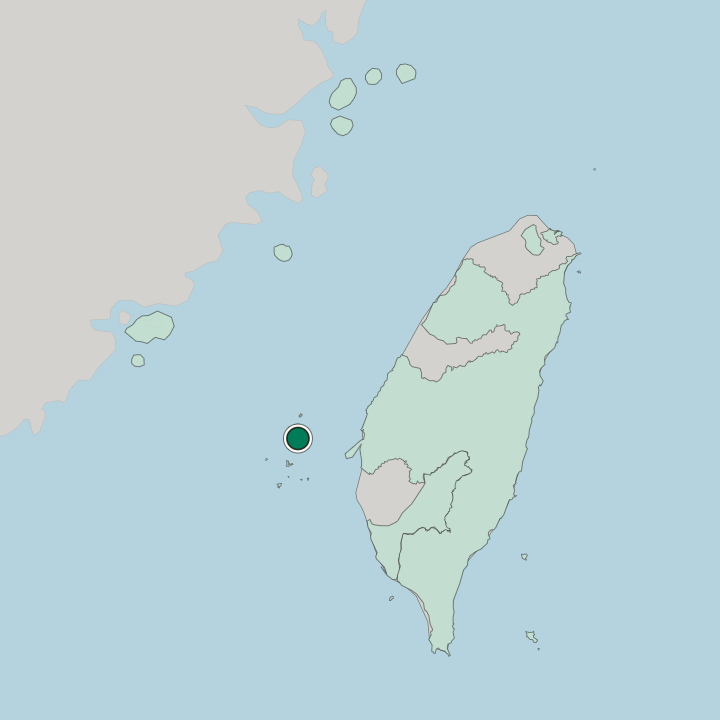
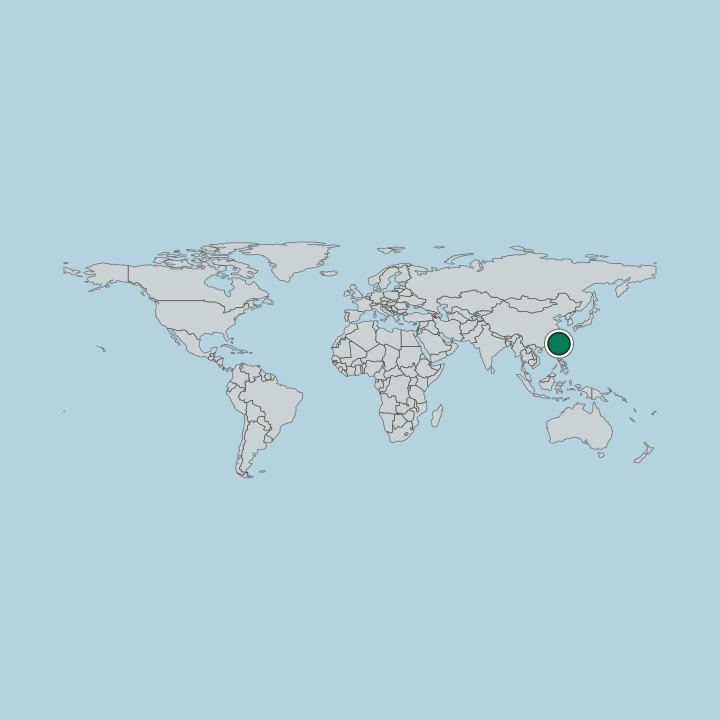
Magong lies on the largest of the Penghu islands in the Taiwan Strait, west of Taiwan. The town sits on a low island of black basalt and coral, ringed by shallow reefs and a great sheltered bay, swept by the strong winds of the strait. Flat basalt reaches to the shore.
The blue strait spreads all around.
What is the climate of Magong?
Magong has a warm, windy maritime climate. Hot summers and mild winters cross the islands, and the winter brings fierce northeast winds off the sea, dry and strong, while the summer turns hot and wet. Typhoons sweep the strait in late summer.
The wind rules the islands most of the year.
How do you get to Magong?
Magong lies on the Penghu islands in the Taiwan Strait, west of the main island. Ferries and planes cross the strait to it from Kaohsiung and Chiayi on Taiwan, and roads and bridges link the isles of Penghu. Boats reach the smaller islands around.
Most arrive by air or ferry from Taiwan.
Common questions
What is the best area to stay in Magong?
The old town: Visitors here for the temple, market, and coral houses. The coast: Stays wanting the beaches and outer isles.
Good for
More cities in Taiwan
Updated September 2026