Taiwan · Taiwan
Where to Stay in Puli, Taiwan
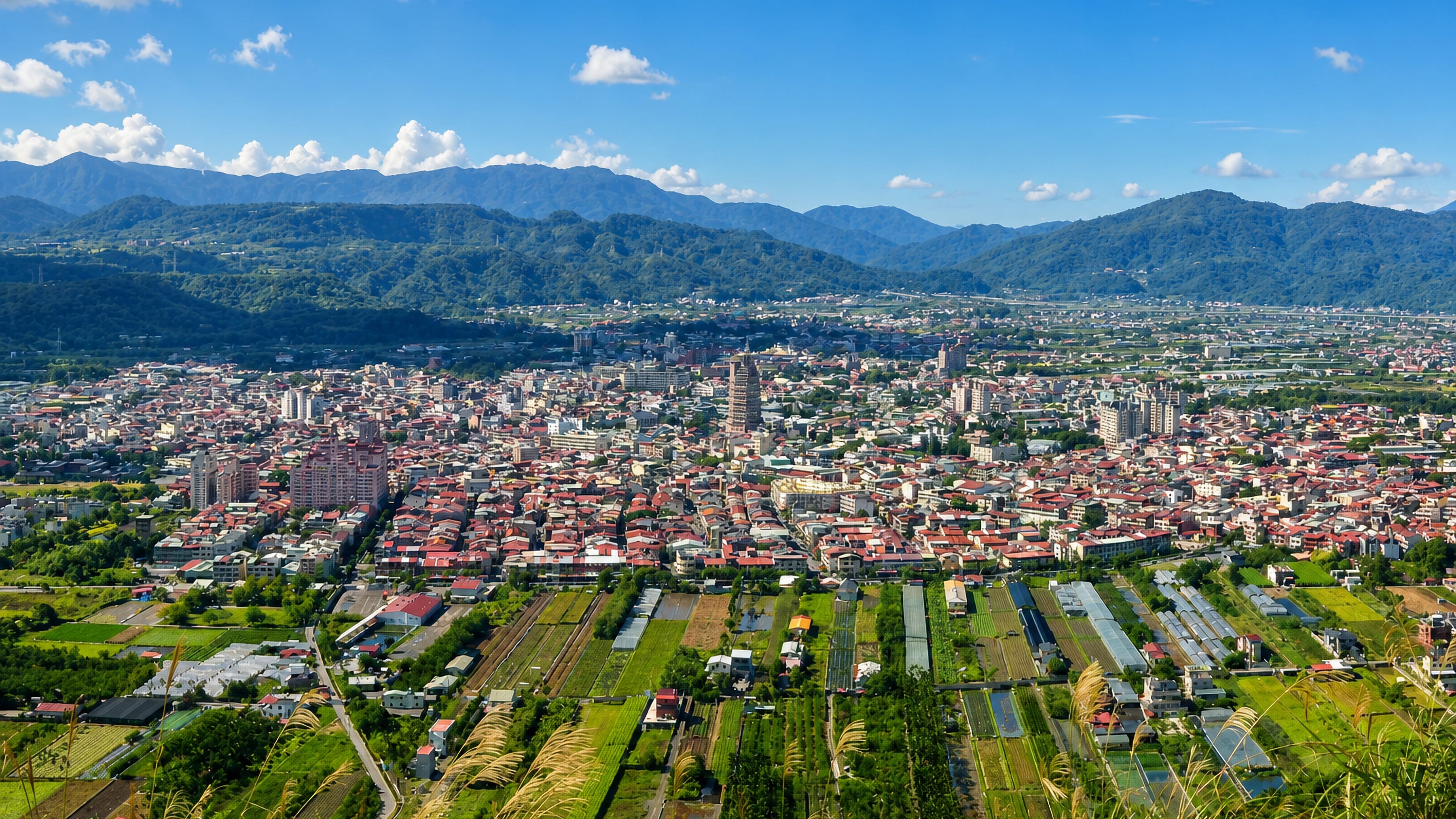
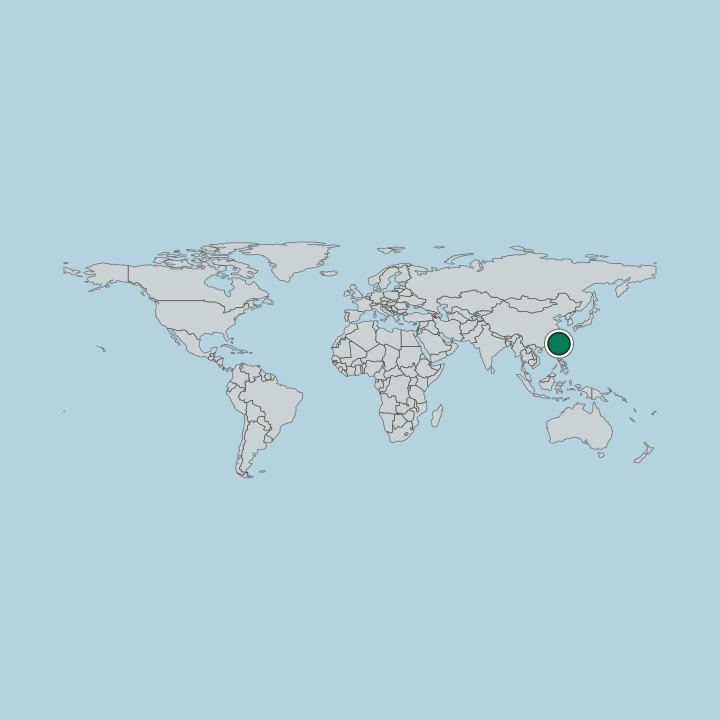
The Puli Basin holds Puli Township, an urban township of Nantou County that sits at the geographic centre of Taiwan.
Hotel links are affiliate links: booking through them may earn us a commission, at no extra cost to you. It never affects how places are ranked. How this works


Where to stay in Puli
Where the beds are, and what that means for the visit.
Puli works as a base rather than a stopover. The township covers about 162 square kilometres of Nantou County, but the settlement itself gathers on the floor of the Puli Basin, which keeps the walkable part compact and puts the Tian Yuan Temple, the Ai-lan Presbyterian Church and the Muh Sheng Museum of Entomology within reach of one another. Distances inside the basin are short.
Anyone staying is trading the coast for an inland township at the geographic centre of Taiwan, with the rest of Nantou County spreading out beyond the rim. Two considerations shape the choice inside the township. One is the basin floor, where the streets, the temple and the museum sit close together and a room means walking rather than driving.
The other is the edge, at the point the ground rises out of the basin and rooms trade proximity for quiet and for the view back across the floor. The Monument of Wuniulan War stands on that older ground. Either way, Puli has few rooms to offer.
What Puli offers a traveller is a subtropical inland base with the Shanqingshuixiu Stele and the Tian Yuan Temple on the doorstep, and the rest of Nantou County starting where the township ends.
Find hotels in Puli
Direct booking searches for these neighbourhoods.
Puli Basin floor
the flat floor of the Puli Basin carries the streets, the Tian Yuan Temple and the Muh Sheng Museum of Entomology close enough together that a car stays parkedFind hotels in Puli Basin floorquiet nights above the township with the Monument of Wuniulan War nearbyBasin rim
the ground rising out of the Puli Basin puts rooms above the township floor, near the Monument of Wuniulan War, and gives back the view across the basin that the centre cannot. Beds are limited here, so book early.Find hotels in Basin rimHotel links are affiliate links: booking through them may earn us a commission, at no extra cost to you. It never affects how places are ranked. How this works
About Puli
Position is what Puli is known for.
What is Puli known for?
The township lies at the geographic centre of Taiwan, inside the Puli Basin, and that central placing has done more for its reputation than any single building. Insects come next. The Muh Sheng Museum of Entomology keeps a collection here, and the Tian Yuan Temple draws visitors of a different kind to the same basin floor.
What are the main landmarks in Puli?
Five landmarks carry the township. The Tian Yuan Temple heads the list, and the Ai-lan Presbyterian Church stands as the other place of worship on the register, giving Puli two very different rooms for the same purpose. A museum accounts for the third.
The Muh Sheng Museum of Entomology holds the collection, while the Shanqingshuixiu Stele and the Monument of Wuniulan War mark ground rather than house anything.
What is the history of Puli?
No founding date attaches to Puli anywhere in the record. What survives instead is a set of markers on the ground: the Monument of Wuniulan War names a conflict, and the Shanqingshuixiu Stele stands nearby as a second commemorative stone with no battle attached to it. Neither carries a date in the record here.
The Puli Basin has plainly been settled long enough to accumulate a temple, a church and two monuments, though the order in which they arrived is not something the record sets out. Religion left the clearest traces on the ground. The Tian Yuan Temple and the Ai-lan Presbyterian Church stand in the same township, one a temple and the other a Presbyterian church, which marks two separate religious arrivals into a single basin.
Puli holds both. Administrative history is easier to state, since the record gives Puli Township the standing of an urban township within Nantou County and nothing more elaborate than that. The Muh Sheng Museum of Entomology belongs to a far later layer than any of the rest, and the Puli Basin has kept the same shape through every one of those layers.
Where is Puli?
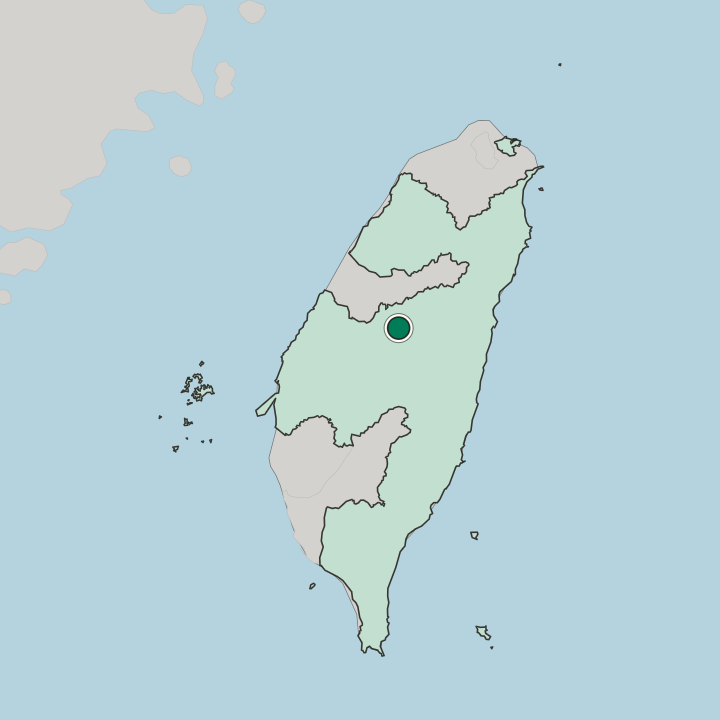
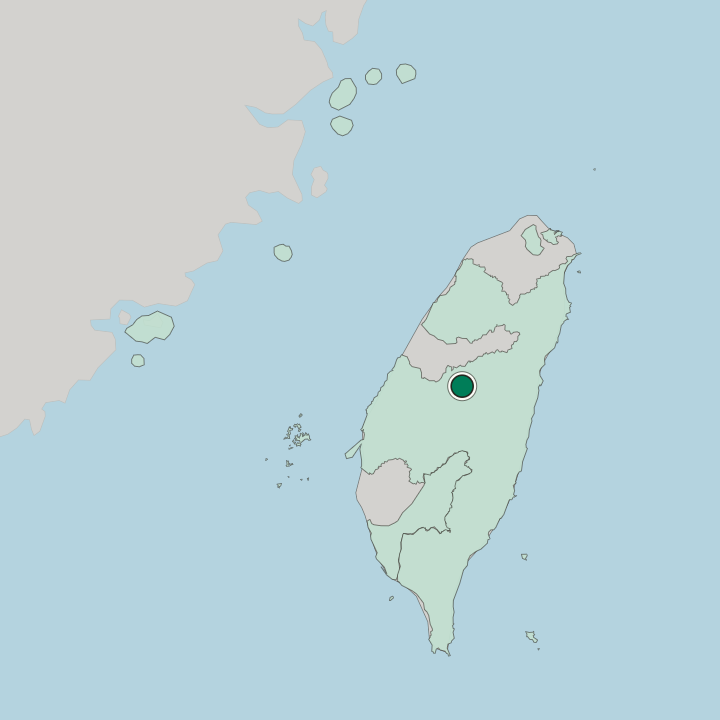
The Puli Basin is the whole story. Puli sits on its floor at the geographic centre of Taiwan, with about 162 square kilometres of Nantou County inside the township boundary and higher ground closing the basin on every side. The sea is a long way off.
Flat land at the middle of the basin gave the township room to spread, and the rim around it sets the limit in every direction.
What is the climate of Puli?
The basin does the work here. Puli lies in the subtropical band, and the rim of the Puli Basin stands between the township floor and the weather that crosses the rest of Taiwan, so conditions inside the bowl are not the coast's. Heat here holds steady all year.
Rain and heat arrive with the subtropical season rather than off any sea, and the higher ground around the Puli Basin shapes what actually lands on the floor.
How do you get to Puli?
Nantou County's roads bring every visitor. Puli lies inland at the geographic centre of Taiwan, so arriving means crossing the surrounding country of Nantou County and dropping onto the floor of the Puli Basin. No rail line is recorded against the township.
Once inside the basin the distances collapse, and the Tian Yuan Temple, the Muh Sheng Museum of Entomology and the Ai-lan Presbyterian Church all sit within the same short run of streets.
Common questions
What is the best area to stay in Puli?
Puli Basin floor: walking days that take in the Tian Yuan Temple and the Muh Sheng Museum of Entomology. Basin rim: quiet nights above the township with the Monument of Wuniulan War nearby.
Good for
More cities in Taiwan
Updated September 2026