Ukraine
Volynska Oblast, Ukraine — Towns & Travel Guide
Volyn Oblast fills the flat, lake-strewn north-west corner of Ukraine, its forests and rivers ruled from the castle town of Lutsk.
Hotel links are affiliate links: booking through them may earn us a commission, at no extra cost to you. It never affects how places are ranked. How this works


Towns & cities in Volynska Oblast
Pick a town or city — each links to where to stay.
 Ukraine
Lutsk
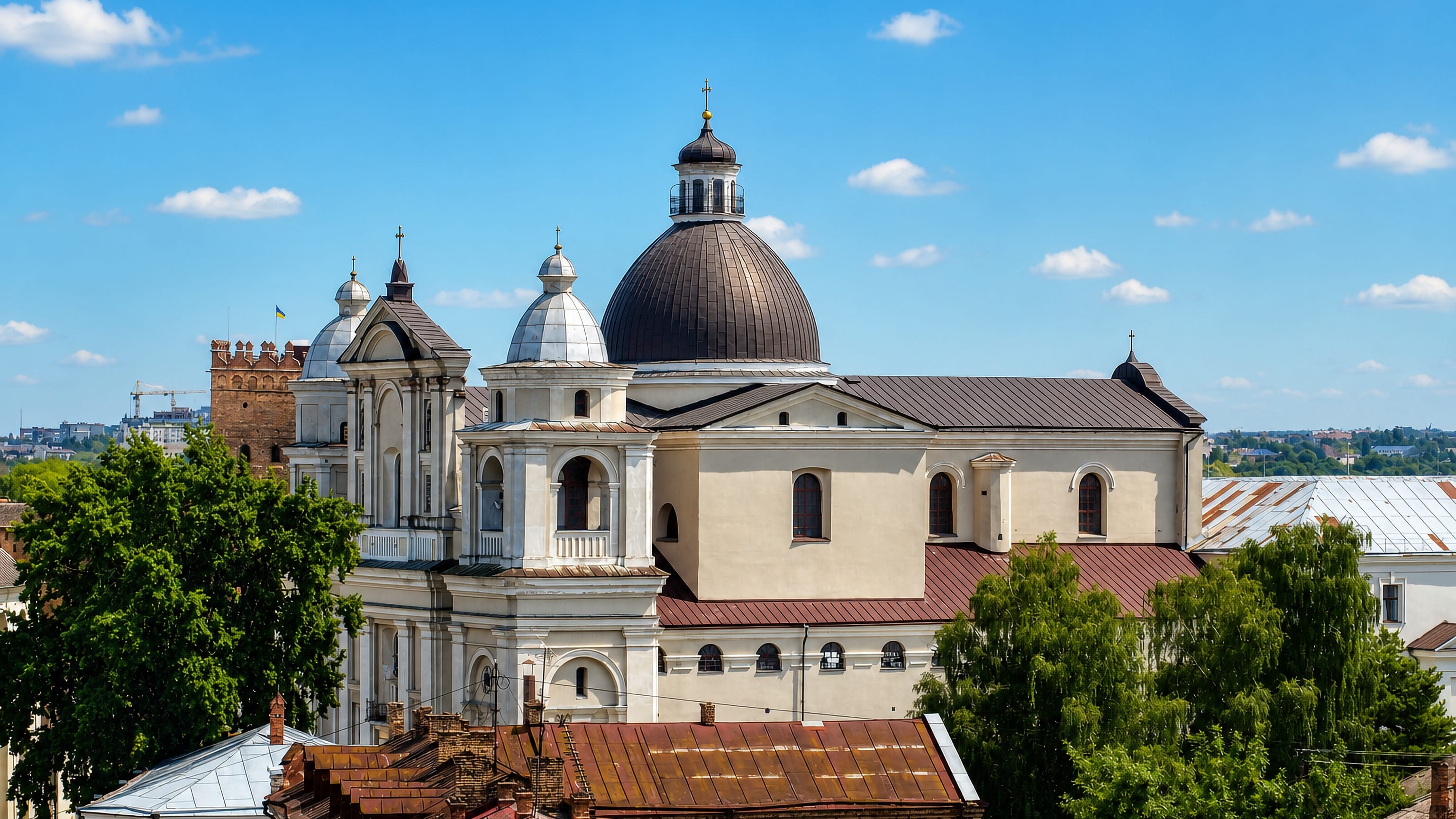
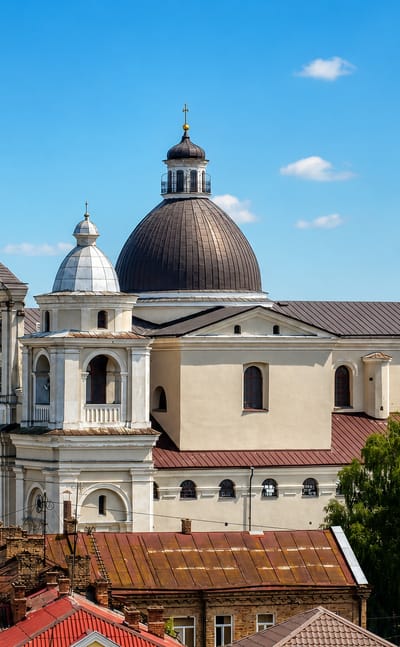
Lubart's Castle guards Lutsk, the capital of Volyn Oblast in western Ukraine, a city founded in 1085 and known for its old town and museums.Where to stay →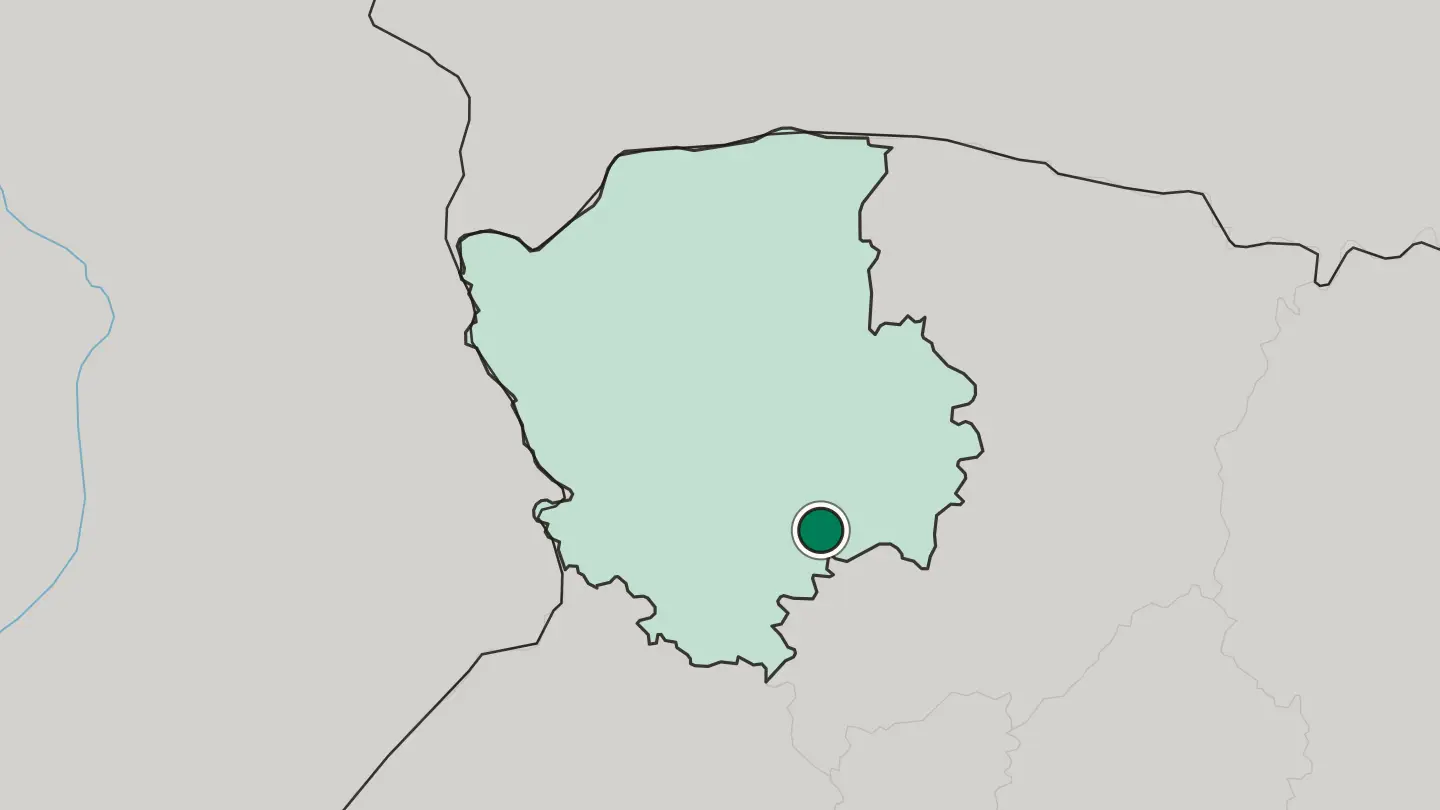 Ukraine
Kovel
Kovel is a Volyn Oblast city chartered in 1310, the seat of Kovel Raion, and the Ukrainian end of the Chełm-Kovel railway to Poland.Where to stay →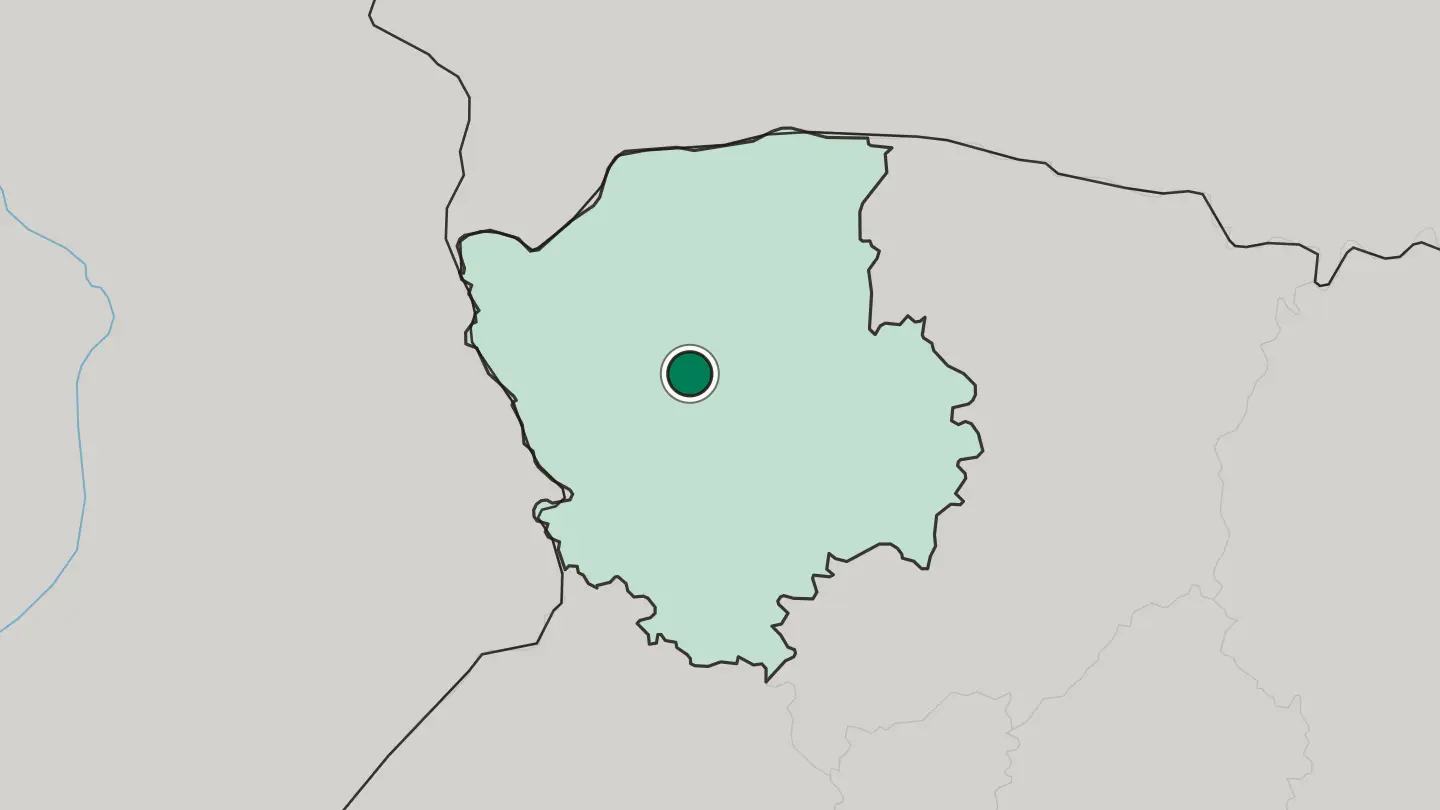
Hotel links are affiliate links: booking through them may earn us a commission, at no extra cost to you. It never affects how places are ranked. How this works
About Volynska Oblast
Water and old stone define it.
What is Volynska Oblast known for?
Lubart's Castle stands over the Styr in Lutsk, its brick towers printed on the 200-hryvnia note. To the far north-west the Shatsk lakes scatter across the pine flats, and among them Svitiaz is the deepest natural lake in the country. This is Volyn Polissia, a low land of bog, forest and slow river reaching toward Poland and Belarus.
Few foreign travellers come, which is much of the point.
Where is Volynska Oblast?
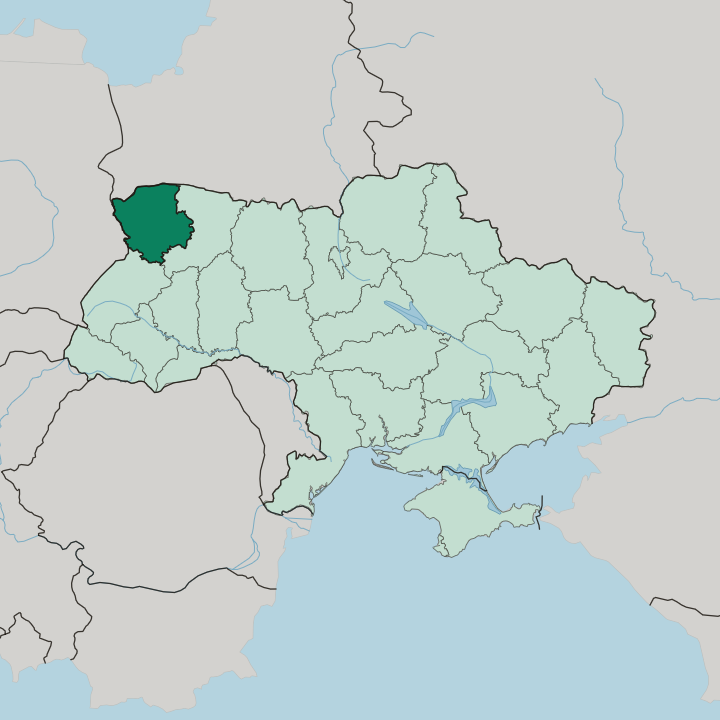
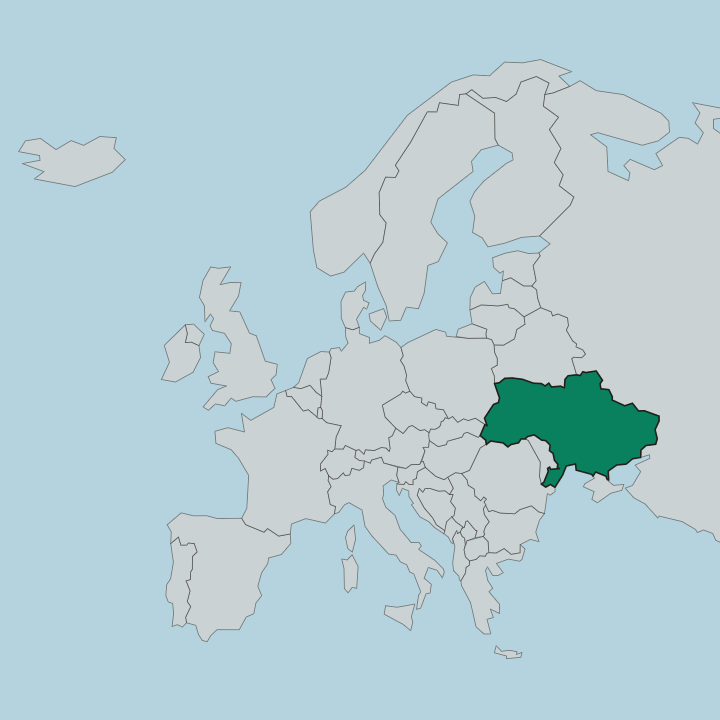
Volyn Oblast occupies the north-western corner of Ukraine, pressed against two borders. Poland lies to the west, Belarus to the north, and the land between is nearly flat. Most of the province sits within the Polesian lowland, a broad belt of bog, sandy pine forest and sluggish river that runs across the north of the country and on into Belarus.
There is little relief to speak of. The Western Bug traces much of the western edge, flowing north along the Polish frontier before it turns toward the Baltic, while the Styr cuts down through the centre past Lutsk on its way to join the Pripyat marshes in the north. Water sits everywhere in this landscape, gathered into hundreds of small lakes.
The far north-west holds the densest of them. There the Shatsk lakes spread over the peat flats near the point where Ukraine, Poland and Belarus meet, and Svitiaz, the deepest natural lake in the country, lies among them. Rivne Oblast borders Volyn to the east and Lviv Oblast to the south, so the province faces outward toward the frontier on two of its four sides.
It is a corner region, and it feels like one.
What is Volynska Oblast like?
This is one of the most solidly Ukrainian-speaking parts of the country, where the everyday language of street and market has held steady for generations. The culture reads as western Ukrainian and rural at heart. Orthodox and Greek Catholic churches mark the villages, their painted domes rising over farmland, and Volyn built a name for its icons long before it built anything else.
The Museum of the Volyn Icon in Lutsk keeps the finest of them, boards of saints darkened by centuries of candle smoke. Much of the region's character comes from being a working countryside rather than a stage set. Fields of grain and beet, forest villages, small market towns strung along the rivers.
The old names carry weight here. Volodymyr, out toward the Polish border, is among the oldest towns in Ukraine, once a princely capital of the whole Volhynian land, and its history still colours how the region sees itself. People are unhurried, and outsiders are a novelty rather than a trade.
What you find is a plainer, quieter Ukraine than the guidebooks usually reach, tied to its land and its church and largely content to be overlooked.
What is the history of Volynska Oblast?
Volyn is old. Volodymyr, named for the Kyivan prince who founded it near the western marches, became a capital of the medieval Principality of Volhynia and later of the Kingdom of Galicia-Volhynia that pulled the region together in the thirteenth century. When that state broke apart in the fourteenth, Lithuania took Volhynia, and the prince Lubart raised the stone castle at Lutsk that still carries his name.
Polish and then Russian rule followed over the long centuries after, and the present oblast, drawn along its modern lines, dates only to 1939.
What is the climate of Volynska Oblast?
The climate is temperate continental. Winters are cool rather than harsh, with January hovering a few degrees below freezing, and summers run warm through July over the forests and lake flats. Rain falls across the whole year.
The bogs and pine woods of Volyn Polissia hold that moisture long after it lands, keeping the land green and damp underfoot deep into the warmer months. Late spring and early autumn are the kindest windows, when the lakes around Svitiaz warm enough to swim and the crowds, such as they are, stay away.
How do you get to Volynska Oblast?
Most people arrive by rail. Kovel is the pivot, the last Ukrainian station on the old line from Kyiv to Warsaw, and trains from it fan out to Lutsk and across the border toward Poland. Lutsk itself sits at the end of a spur and is reached by train or by road from Lviv to the south.
There is no working passenger airport of note in the province, so foreign travellers usually fly into Lviv and continue overland north. By car the western border crossings into Poland put the region within easy reach of the European road network.
Common questions
What is the best area to stay in Volynska Oblast?
Lutsk old town: castle sightseeing and city comforts. Kovel: an overnight between trains. Shatsk and the lakes: swimming and the Shatsk lake district.
Good for
More regions in Ukraine
Updated September 2026