United States · Colorado
Where to Stay in Longmont, Colorado
Longmont takes its name from Longs Peak, the mountain in view from a city of 1871 spread across Boulder and Weld counties.
Hotel links are affiliate links: booking through them may earn us a commission, at no extra cost to you. It never affects how places are ranked. How this works


Where to stay in Longmont
Where visitors usually base themselves, and why.
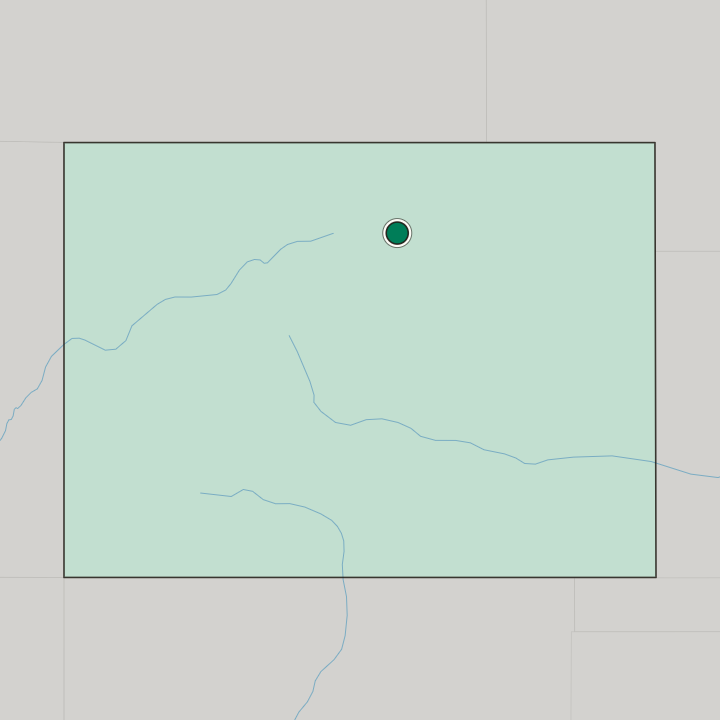
Longmont sits thirty miles out from Denver, northeast of Boulder, and that distance is the first thing to weigh, since it is far enough that a bed here is a choice about Boulder County rather than about the metropolitan centre. Boulder is the nearer draw. The county seat lies southwest, and Longmont works as the quieter base for it, with Longs Peak in view from the same streets.
Weld County starts on the other side of town. The heritage here is domestic. Hoverhome and Hover Farmstead and the T. M. Callahan House are the two named survivals from the era when this was farm country between Boulder and Weld, and a stay near them buys quiet rather than nightlife.
St. Stephen's Episcopal Church and Old St Stephen's Church, Longmont Colorado give the same dedication twice over. That suits you if the trip is about the mountain rather than the town. Distance is the trade-off.
Denver is thirty miles off and Boulder rather less, so a Longmont bed costs an extra drive at both ends of the day, which is the reason it appeals to people arriving by car and no reason at all to anyone else. The Longmont Museum & Cultural Center fills a wet afternoon, and Longs Peak fills a clear one from almost any street with an open view.
Find hotels in Longmont
Direct booking searches for these neighbourhoods.
The T. M. Callahan House streets
The older residential grain of Longmont, where the T. M. Callahan House survives among streets laid out long before the modern city reached the county line. Rooms are few around here — worth securing early.Find hotels in The T. M. Callahan House streetsBeds out where Hoverhome and Hover Farmstead keep the field boundaryThe Hover Farmstead edge
The farm margin of Longmont, where Hoverhome and Hover Farmstead hold the ground the city was built out of and the traffic thins to nothing. Lodging is scarce in this area; reserve in advance.Find hotels in The Hover Farmstead edgeNights in Longmont with days down in BoulderThe Boulder-facing side
The southwestern face of Longmont, chosen for the short run to the county seat with Longs Peak standing over the drive.Find hotels in The Boulder-facing sideHotel links are affiliate links: booking through them may earn us a commission, at no extra cost to you. It never affects how places are ranked. How this works
Things to do in Longmont
Ranked by global recognition; descriptions from Wikidata (CC0).
Museums & Galleries
3- Hoverhome and Hover Farmstead Heritage
- Longmont Museum & Cultural Center
- Old St Stephen's Church, Longmont Colorado
Churches & Religious Sites
1- St. Stephen's Episcopal Church Heritage
Landmarks & Notable Places
1- T. M. Callahan House Heritage
worth knowingacross 3 categories in Longmont
About Longmont
The name comes from a mountain.
What is Longmont known for?
Longs Peak stands clearly in view from Longmont, which is unusual grounding for a city whose own ground lies well north-northwest of Denver and northeast of Boulder. Two counties share it. Boulder and Weld both hold parts of Longmont, and the Longmont Museum & Cultural Center is the city's own institution rather than either county's.
What are the main landmarks in Longmont?
Five entries, two of them churches with one dedication. St. Stephen's Episcopal Church and Old St Stephen's Church, Longmont Colorado occupy two lines of the register between them, the second recorded under the older form of the same name. Houses take two more.
Hoverhome and Hover Farmstead and the T. M. Callahan House carry family names, and the Longmont Museum & Cultural Center is the only civic entry on a short list.
What is the history of Longmont?
The city begins in 1871. It was named for Longs Peak, the mountain standing clearly in view from its streets, and that choice fixed the city's identity to a summit it does not actually sit beneath. The farms came first.
Hoverhome and Hover Farmstead preserve that opening chapter, and the T. M. Callahan House belongs to the settled town that followed it. Two counties complicated everything. Longmont grew across the line between Boulder and Weld, so its municipal business answers to two county seats rather than one, and the home rule charter is the instrument that keeps the city coherent regardless.
Boulder holds the county seat. Longmont lies northeast of it, near enough to be read as part of the same county and far enough to have kept its own name and its own register of buildings. Churches mark the later century.
St. Stephen's Episcopal Church and Old St Stephen's Church, Longmont Colorado both survive, and the Longmont Museum & Cultural Center keeps the record of a city that grew large without being absorbed into Denver. Thirty miles was enough separation. The mountain still supplies the name, and Longs Peak is the one fact about Longmont that has not changed since 1871.
Where is Longmont?
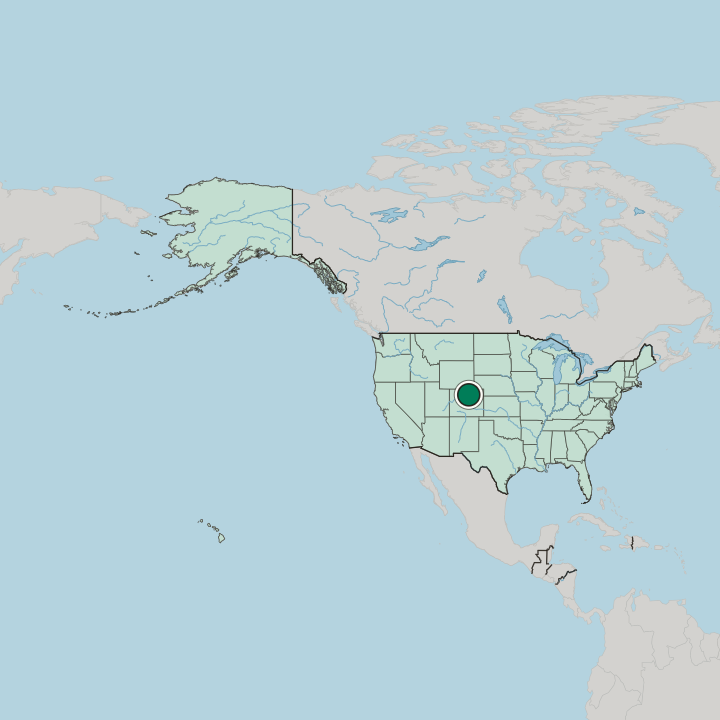
Seventy-five square kilometres across two counties. Longmont occupies ground in both Boulder and Weld, thirty miles north-northwest of Denver, with Longs Peak on the skyline and no water feature of comparable weight anywhere near the city. Boulder lies southwest.
The mountain front rises beyond it, which is why the view from Longmont runs to summits while the ground underfoot stays level.
What is the climate of Longmont?
Longs Peak sets the western horizon and much of the weather with it. Longmont lies in the temperate band on the plain below the range, which means dry clear spells broken by whatever comes over the mountains, and the swing between afternoon and night is wide. Winter shows on the summit first.
A visit to Hoverhome and Hover Farmstead rewards the warm months, while the Longmont Museum & Cultural Center is the answer on the days the range disappears.
How do you get to Longmont?
Denver is thirty miles south-southeast. Most arrivals come up from the metropolitan area by road, since the city sits away from any terminal of its own and the run from Boulder is shorter still, heading northeast from the county seat. Two counties, one road grid.
Boulder and Weld meet inside Longmont, so an address on either side of that line is reached the same way, and Longs Peak is the landmark visible for most of the approach.
Common questions
What is the best area to stay in Longmont?
The T. M. Callahan House streets: Quiet nights beside the T. M. Callahan House. The Hover Farmstead edge: Beds out where Hoverhome and Hover Farmstead keep the field boundary. The Boulder-facing side: Nights in Longmont with days down in Boulder.
Good for
More cities in Colorado
Updated September 2026