United States · Colorado
Where to Stay in Loveland, Colorado
Loveland is a home rule city in Larimer County, founded in 1877, where three foundries and an August sculpture show anchor an artists' town.
Hotel links are affiliate links: booking through them may earn us a commission, at no extra cost to you. It never affects how places are ranked. How this works


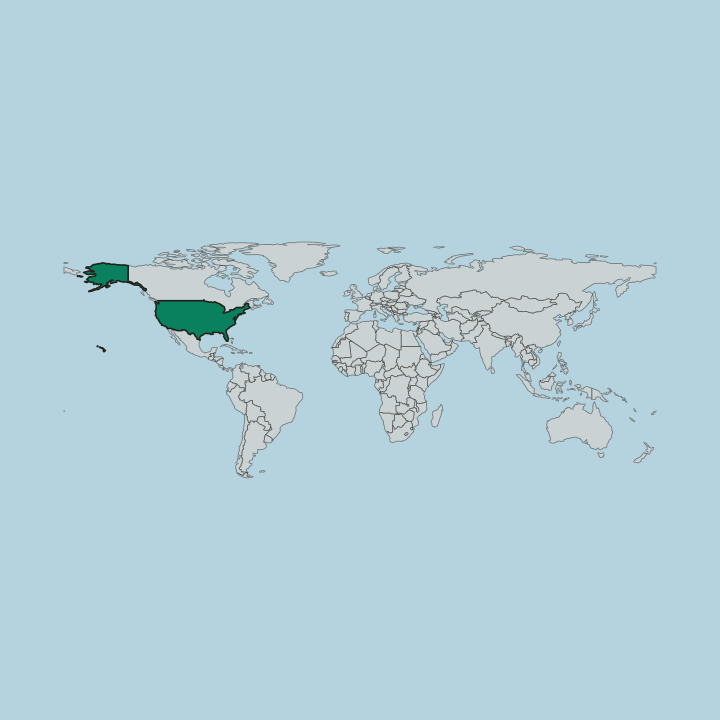
Where to stay in Loveland
Where visitors usually base themselves, and why.
Art decides this one. Loveland's three foundries, its art museum and the August sculpture shows give the city a reason to be visited on its own terms rather than as a stop between Denver and Fort Collins. August is the month that matters.
That is when the shows run, and the Loveland Museum & Gallery anchors a week that otherwise spreads across foundry yards. Larimer County sets the practical frame. Loveland shares the Fort Collins-Loveland Metropolitan Statistical Area with its larger neighbour, so a stay here is often really a stay for Fort Collins, and the drive between the two is short enough that the choice comes down to what the evening should look like.
That suits you on a working week. The older streets around the Maude Stanfield Harter Borland House and First United Presbyterian Church are the quieter option. Denver is forty-six miles south.
The Front Range Urban Corridor threads Loveland into the chain of cities along the mountain front, which makes the city a workable base for anyone driving that line rather than flying into it. The mountains are the other pull. Ninety-two square kilometres of Larimer County give the city room to spread, and the western beds face the range while the eastern ones face the plain.
Find hotels in Loveland
Direct booking searches for these neighbourhoods.
The foundry yards
The working edge of Loveland where the three foundries stand, closest to the yards that supply the August sculpture shows. Few places to stay nearby — book ahead.Find hotels in The foundry yardsWalkable evenings near the Loveland Museum & GalleryAround the Loveland Museum & Gallery
The civic middle of Loveland, where the Loveland Museum & Gallery and First United Presbyterian Church give the streets a centre to point at.Find hotels in Around the Loveland Museum & GalleryWeeks split between Loveland and Fort CollinsThe Fort Collins side
The northern end of Loveland, picked for the short run up to Fort Collins inside the metropolitan statistical area the two cities share.Find hotels in The Fort Collins sideHotel links are affiliate links: booking through them may earn us a commission, at no extra cost to you. It never affects how places are ranked. How this works
Things to do in Loveland
Ranked by global recognition; descriptions from Wikidata (CC0).
Museums & Galleries
1- Loveland Museum & Gallery
Churches & Religious Sites
1- First United Presbyterian Church Heritage
Landmarks & Notable Places
4- William H. McCreery House Heritage
- Henry K. and Mary E. Shaffer House Heritage
- Maude Stanfield Harter Borland House Heritage
- A.S. Benson House Heritage
worth knowingacross 3 categories in Loveland
About Loveland
Sculpture is the local trade.
What is Loveland known for?
Three foundries work in Loveland alongside an art museum and the sculpture shows that fill August, which is an unusual concentration for a city of this scale on the Front Range Urban Corridor. The Loveland Museum & Gallery is the fixed venue. Everything else on the register is domestic, from the Maude Stanfield Harter Borland House to First United Presbyterian Church, which is the single exception to a list of private addresses.
What are the main landmarks in Loveland?
Houses fill the register. The Maude Stanfield Harter Borland House, the William H. McCreery House and the A.S. Benson House all record the families who built them, and a fourth entry adds two more names at once.
Only the Henry K. and Mary E. Shaffer House names a couple rather than a single owner. The Loveland Museum & Gallery and First United Presbyterian Church are the two public entries, and they sit on a list otherwise made of front doors.
What is the history of Loveland?
The city dates to 1877. It grew as the second municipality of Larimer County, forty-six miles north of the Colorado State Capitol in Denver, on ground that had no reason to become an art town and did anyway. The houses record the founders.
The Maude Stanfield Harter Borland House and the William H. McCreery House name the families who built the town before its trades arrived. Art came later and stayed. Three foundries settled in Loveland, an art museum followed, and the August sculpture shows turned a Larimer County town into a place people travel to for objects rather than for scenery.
First United Presbyterian Church predates all of that. The Loveland Museum & Gallery holds both halves of the story, the founders' town and the trade that arrived long after them. Home rule is the legal status it holds.
Loveland runs its own municipal affairs inside Colorado, sends its children to the Thompson R2-J School District, and belongs to the Fort Collins-Loveland Metropolitan Statistical Area rather than to anything centred on Denver. Fort Collins remains the larger of the pair. The Front Range Urban Corridor ties both into the same line of cities, and Loveland's own claim inside it rests on the foundries and the sculpture rather than on size.
Where is Loveland?
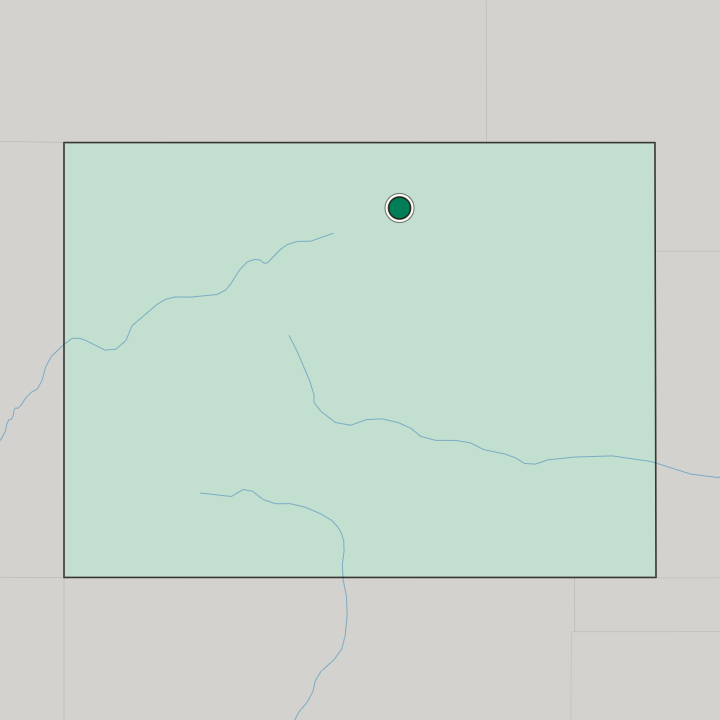
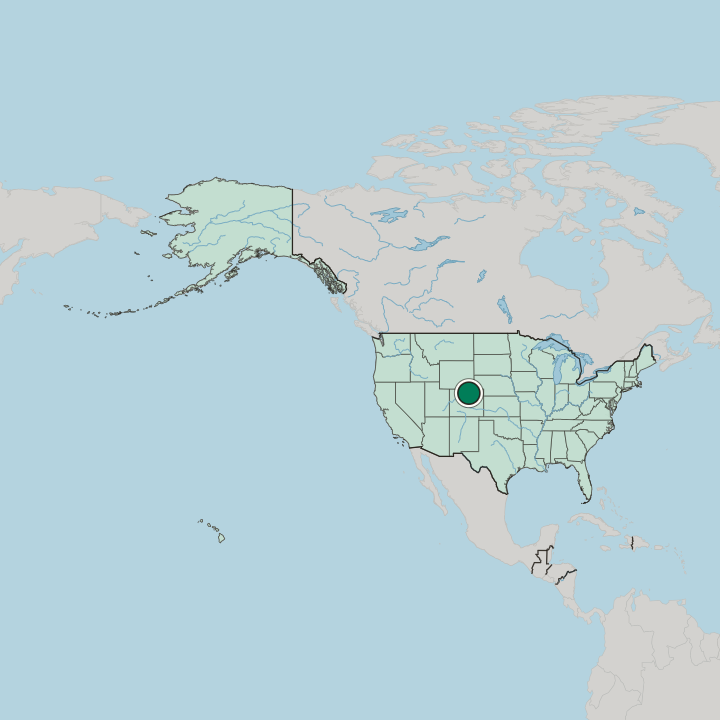
Ninety-two square kilometres of Larimer County. Loveland lies forty-six miles north of the Colorado State Capitol in Denver, on the Front Range Urban Corridor, with the mountain front on one side and open country on the other. Fort Collins sits just north.
The two cities share a metropolitan statistical area, which is the clearest measure of how little separates them across this part of Larimer County.
What is the climate of Loveland?
The mountain front governs the year. Loveland sits in the temperate band along the Front Range Urban Corridor, where the range to the west breaks up weather before it arrives and leaves long dry spells between the changes. August is reliably warm.
That is when the sculpture shows run outdoors, while the Loveland Museum & Gallery and First United Presbyterian Church stay available on the days the wind comes off the range.
How do you get to Loveland?
Denver lies forty-six miles south. The Colorado State Capitol is the reference point the distance is measured from, and the drive up the Front Range Urban Corridor is how most arrivals reach Larimer County. Fort Collins is closer than Denver.
The two share the Fort Collins-Loveland Metropolitan Statistical Area, so a trip that lands there continues to Loveland without ever leaving the same built-up line of cities.
Common questions
What is the best area to stay in Loveland?
The foundry yards: August trips built around the sculpture shows. Around the Loveland Museum & Gallery: Walkable evenings near the Loveland Museum & Gallery. The Fort Collins side: Weeks split between Loveland and Fort Collins.
Good for
More cities in Colorado
Updated September 2026