South Africa
North West, South Africa — Towns & Travel Guide
North West is South Africa's platinum province, where Sun City and the Pilanesberg crater sit on the Botswana border.
Hotel links are affiliate links: booking through them may earn us a commission, at no extra cost to you. It never affects how places are ranked. How this works


Towns & cities in North West
Pick a town or city — each links to where to stay.

 South Africa
Rustenburg
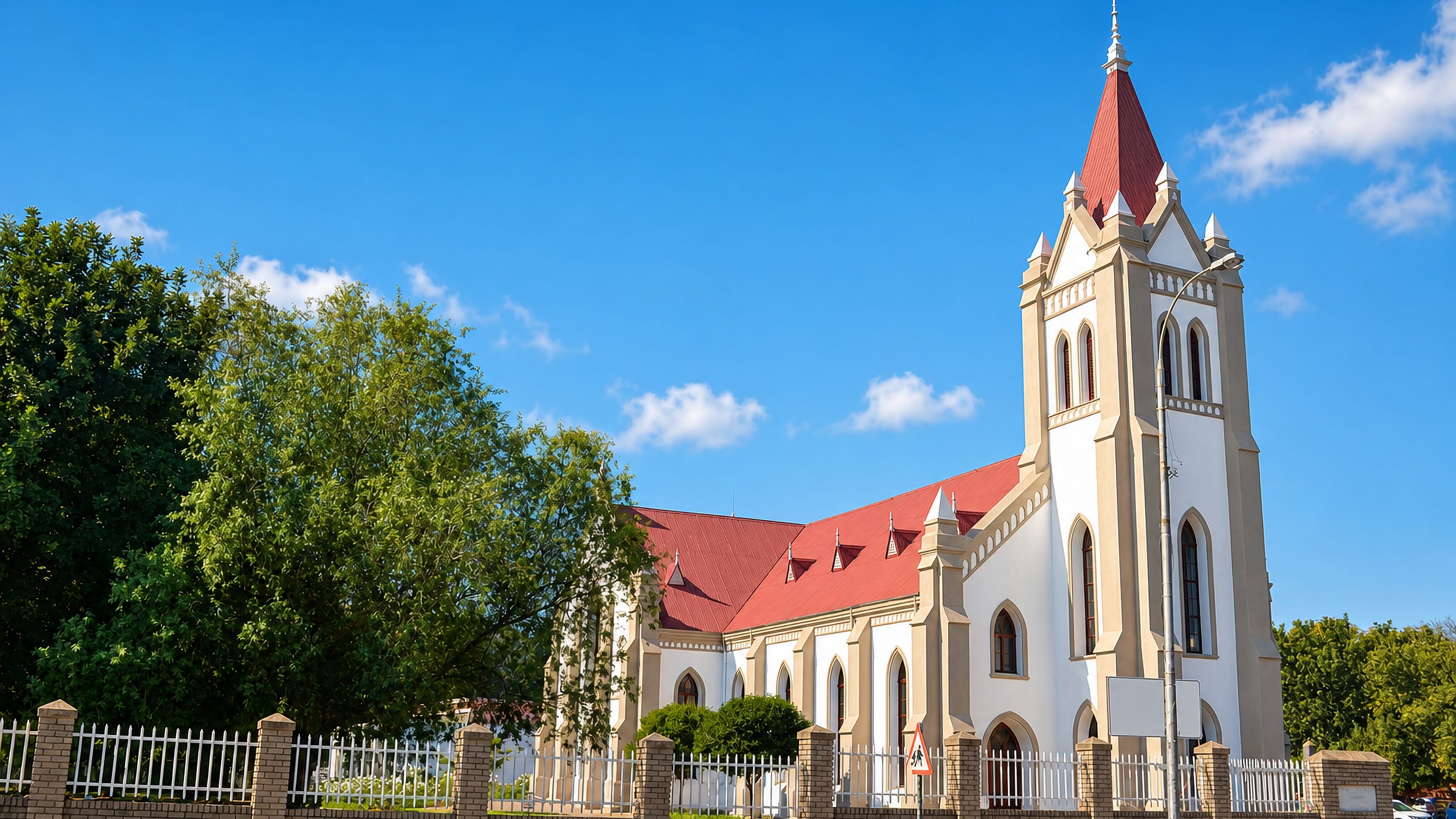
Rustenburg stands at the foot of the Magaliesberg, the largest city in North West Province and neighbour to Phokeng of the Royal Bafokeng Nation.Where to stay →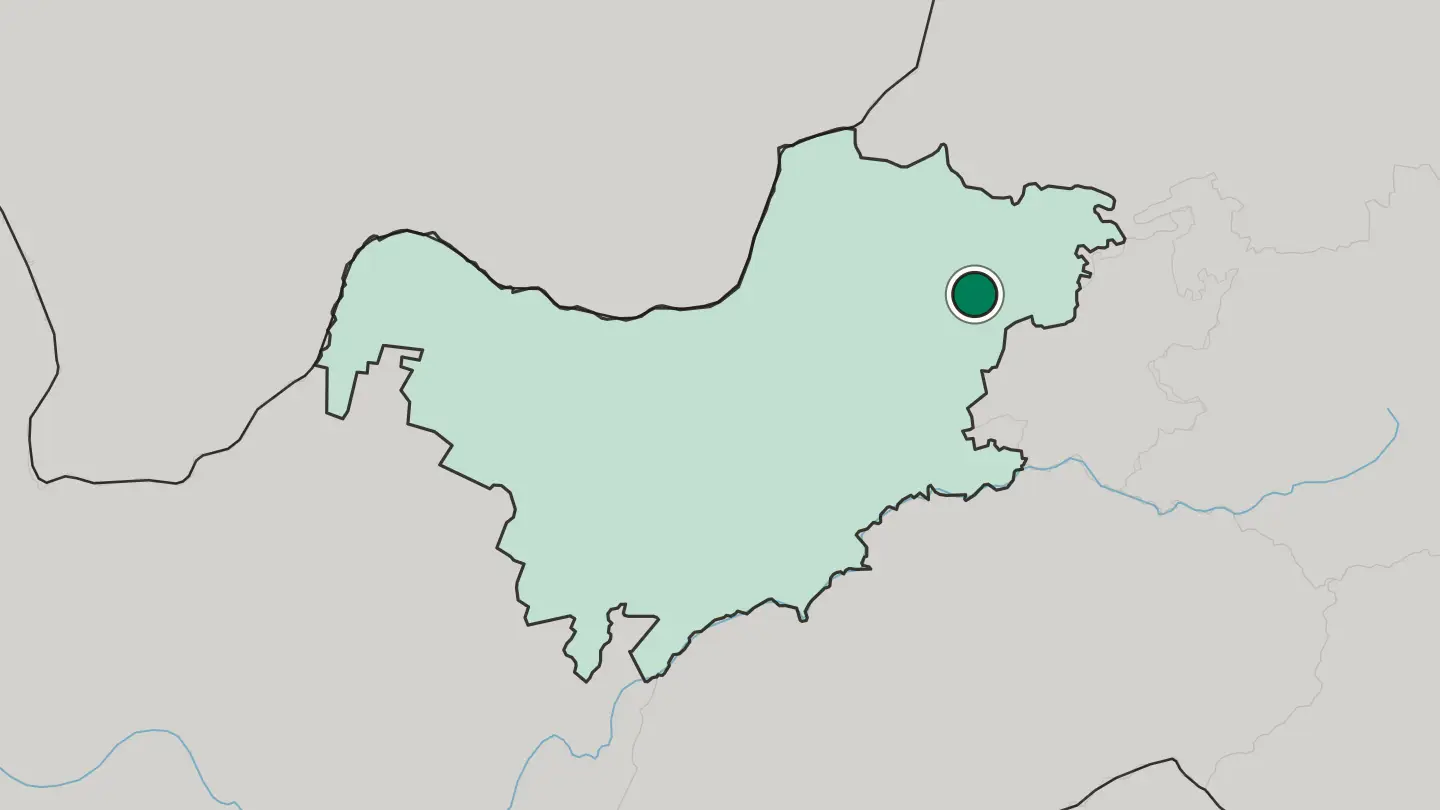
 South Africa
Klerksdorp
Klerksdorp is a gold-mining and farming city in North West Province, and the first capital of the old Transvaal Republic.Where to stay →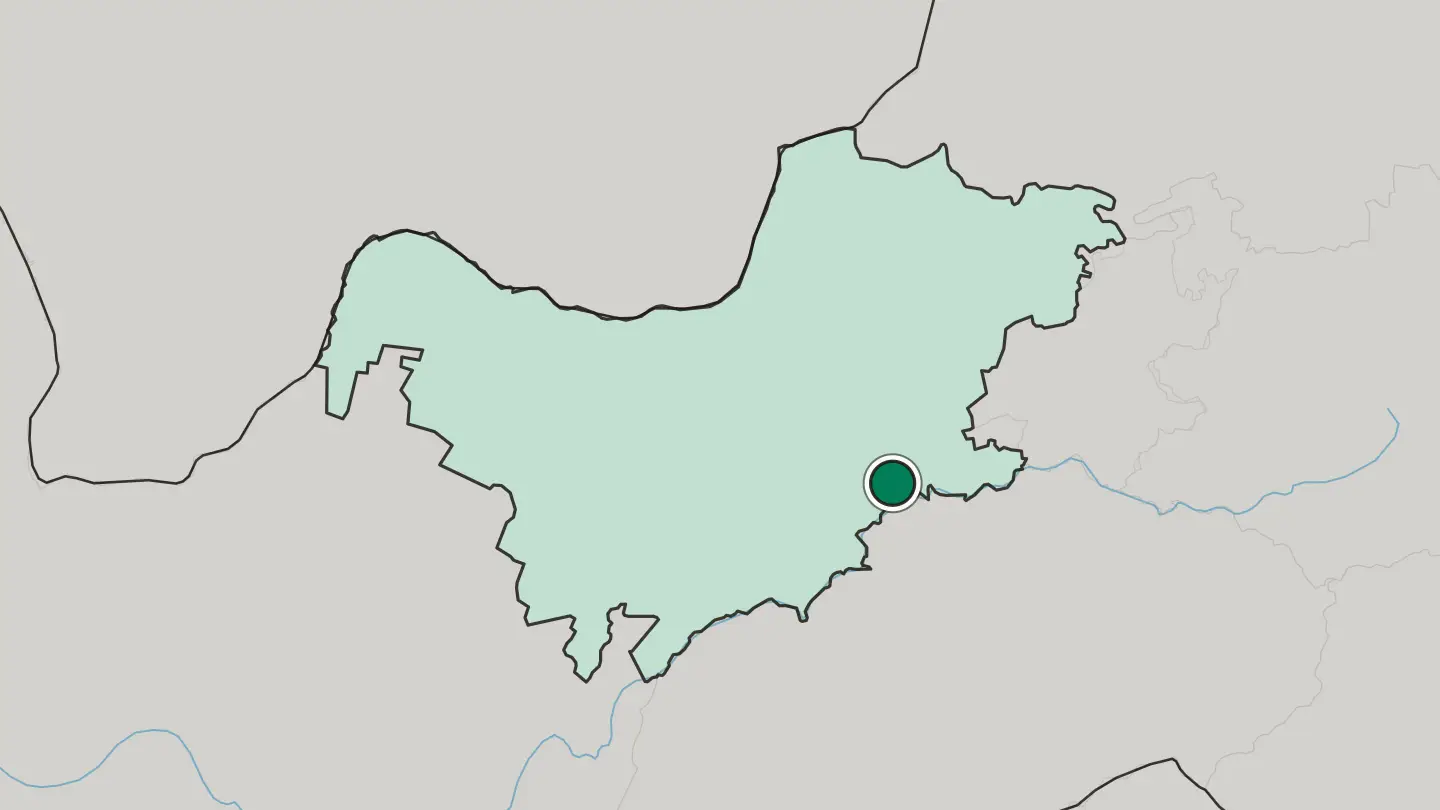 South Africa
Potchefstroom
Potchefstroom, known locally as Potch, is a university city on the Mooi River in North West Province, built around a North-West University campus.Where to stay →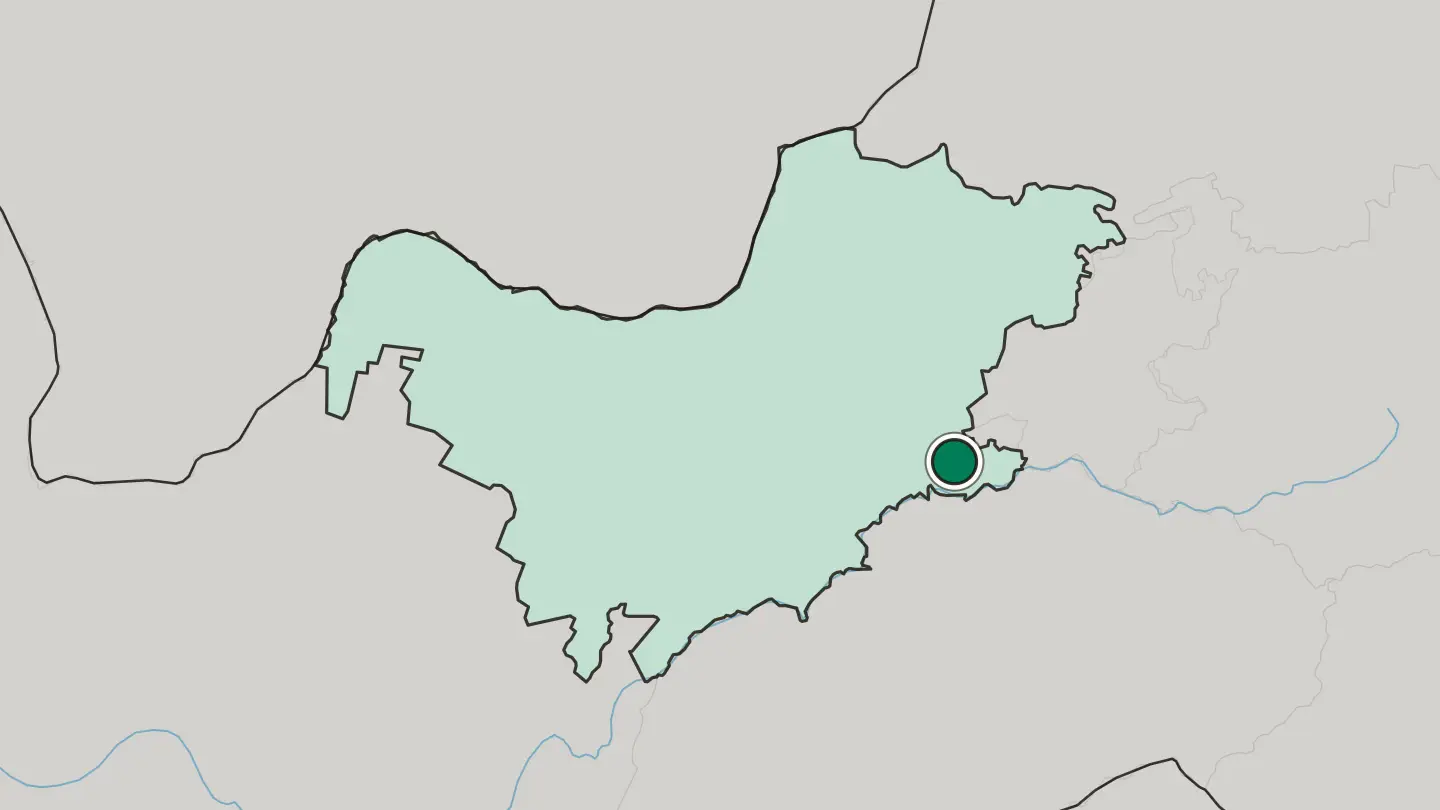
 South Africa
Mafikeng
Mafikeng, officially Mahikeng and historically Mafeking, is the capital of North West Province and the town of the Siege of Mafeking.Where to stay →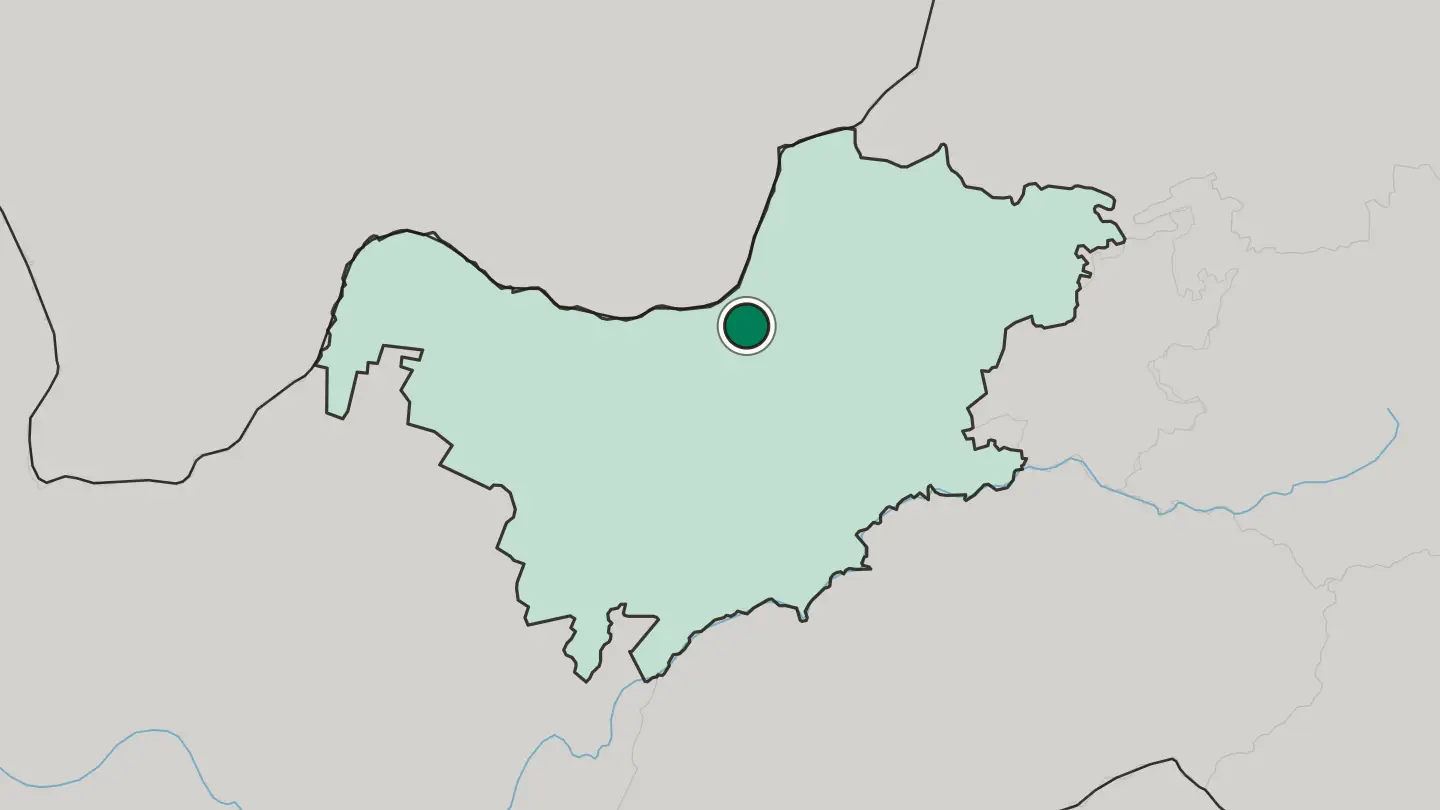
Hotel links are affiliate links: booking through them may earn us a commission, at no extra cost to you. It never affects how places are ranked. How this works
About North West
Two things pull visitors here: game and gold.
What is North West known for?
The Pilanesberg National Park fills the crater of an extinct volcano, and its bush holds the Big Five within an easy drive of the Sun City resort next door. Underground, the reef around Rustenburg and Brits yields more platinum than any comparable ground on the planet. The Setswana-speaking Tswana give the province its language and its name.
Beds cluster near the parks and the mining towns.
Where is North West?
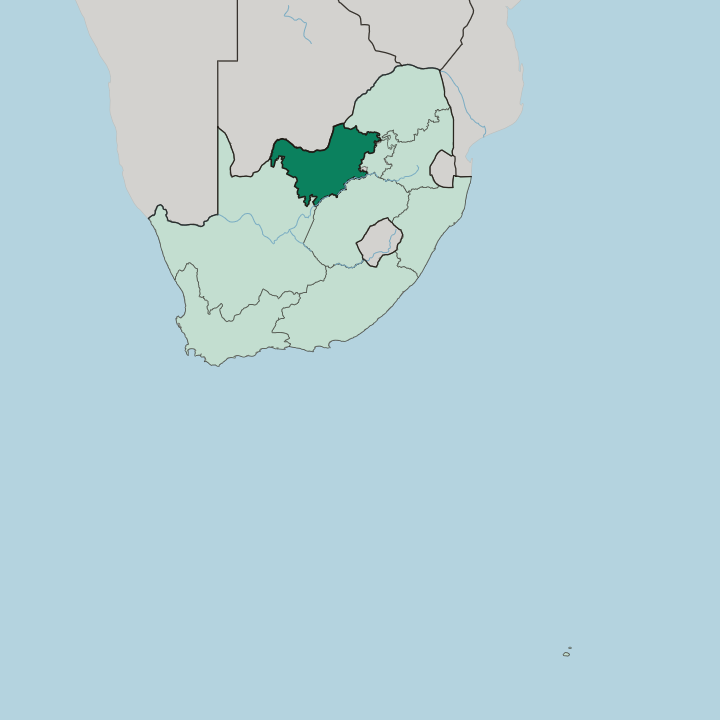
North West occupies the flat interior between Johannesburg and the Botswana frontier, a province of scattered thorn trees and open grassland stretching toward the Kalahari. It is landlocked and inland. Botswana runs the whole length of the northern border, while Gauteng presses against the east, the Free State meets the south-east, and the Northern Cape trails off dry to the south-west.
The land is mostly level. Only in the north-east does the ground rise, where the Magaliesberg ridge runs roughly 130 km from Pretoria across to Rustenburg and shelters the bushveld below it. The Vaal River draws the southern edge, the working boundary with the Free State and the water that feeds the maize and sunflower farms of the south.
Rising from that plain in the north stands the Pilanesberg, three concentric rings of hills left by a volcano that died more than a thousand million years ago and now the wall around one of the country's best-known game parks. Westward the rainfall thins and the veld gives way to Kalahari sand. This is highveld and bushveld country, worn low and wide, with no coast within reach in any direction.
What is North West like?
This is Tswana country first and foremost. Setswana is the mother tongue of most people in the province, the same language spoken across the border in Botswana, and it carries the greetings, the praise poetry and the cattle-keeping traditions of the Tswana people who settled these plains centuries ago. Afrikaans and Sesotho are heard in the southern mining towns.
The mix leans rural and unhurried. Culture here runs along two seams that rarely touch. One is the deep Tswana heartland around Mahikeng, seat of chiefs and, for a strange interval under apartheid, capital of the nominally independent homeland of Bophuthatswana.
The other is the boom-town world of platinum and gold, where migrant labour from across southern Africa built Rustenburg and Klerksdorp into hard, fast places that live by the mine shaft. Cattle still mark wealth and family in the villages. Sun City stitches on a third layer entirely, a casino-and-golf fantasy dropped into the bush, drawing weekend crowds who never see the province beyond its gates.
Old allegiance and new money share the same dry ground.
What is the history of North West?
The Tswana chiefdoms held these plains long before the borders arrived. Mahikeng entered the wider record through the Siege of Mafeking, the 217-day standoff of the South African War that made a hero of the town's defenders far away in Britain. Apartheid then carved much of the region into Bophuthatswana, a scattered patchwork declared an independent homeland in 1977 and never recognised beyond South Africa's own government.
That fiction collapsed with the old order. The province drawn in 1994 fused those homeland fragments with slices of the former Transvaal and Cape into a single North West.
What is the climate of North West?
Summer brings the rain. Almost all of the province's roughly 360 mm falls between October and April, dropped by short, hard afternoon thunderstorms that clear as fast as they build, and the total thins westward as the veld dries toward the Kalahari. Days run hot in that green season and the bush turns thick.
Winters flip the pattern completely: dry, bright and cool, with sharp sunny mornings, cold nights, and bare thornveld that leaves game easy to spot around the Pilanesberg waterholes.
How do you get to North West?
Most visitors arrive overland from Gauteng next door. The usual run is the N4 highway west out of Pretoria, turning north onto the R556 for Sun City and the Pilanesberg gates, a drive of roughly three hours from either Johannesburg or Pretoria. A small airport beside the crater takes charter and safari flights straight into the park.
The Vryburg and Mahikeng roads carry traffic on toward the Botswana border posts in the west.
Common questions
What is the best area to stay in North West?
Pilanesberg and Sun City: safari and the Lost City resort. Rustenburg: a base for the northern game reserves. Potchefstroom and Klerksdorp: the southern towns along the Vaal. Mahikeng: the western capital and Madikwe.
Good for
More regions in South Africa
Updated September 2026