Argentina · Buenos Aires
Where to Stay in Azul, Buenos Aires
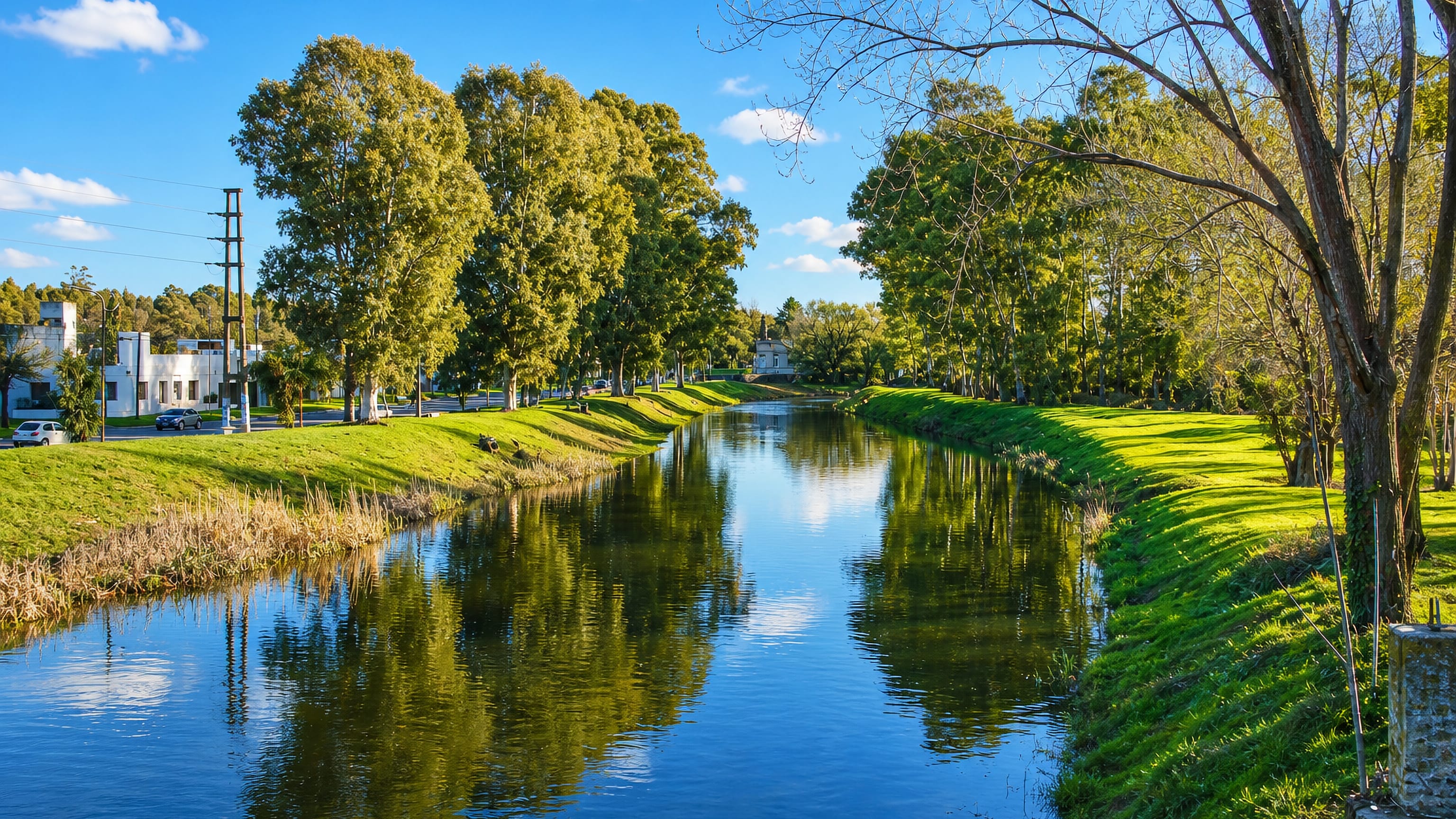
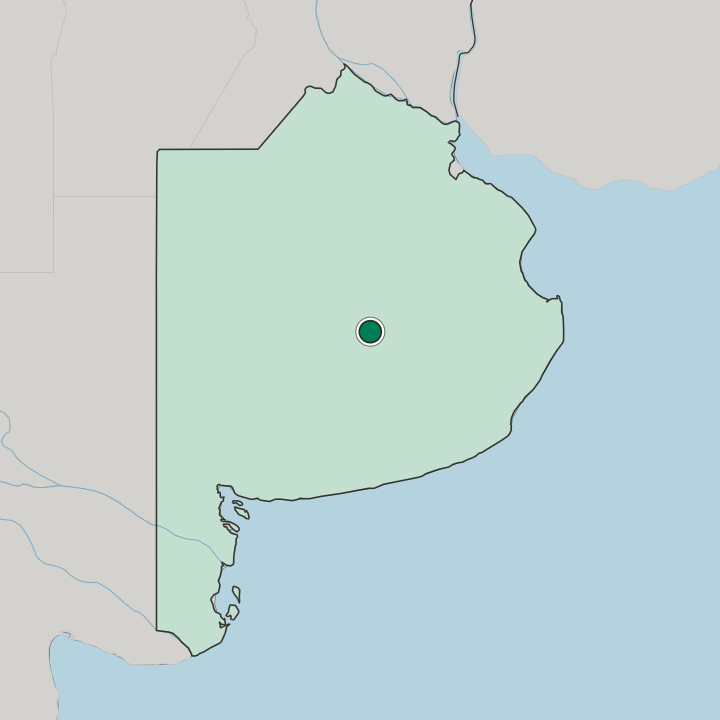
Azul is the head city of the Azul Partido, founded in 1832 in the centre of Buenos Aires Province, some 300 kilometres south of Buenos Aires.
Hotel links are affiliate links: booking through them may earn us a commission, at no extra cost to you. It never affects how places are ranked. How this works


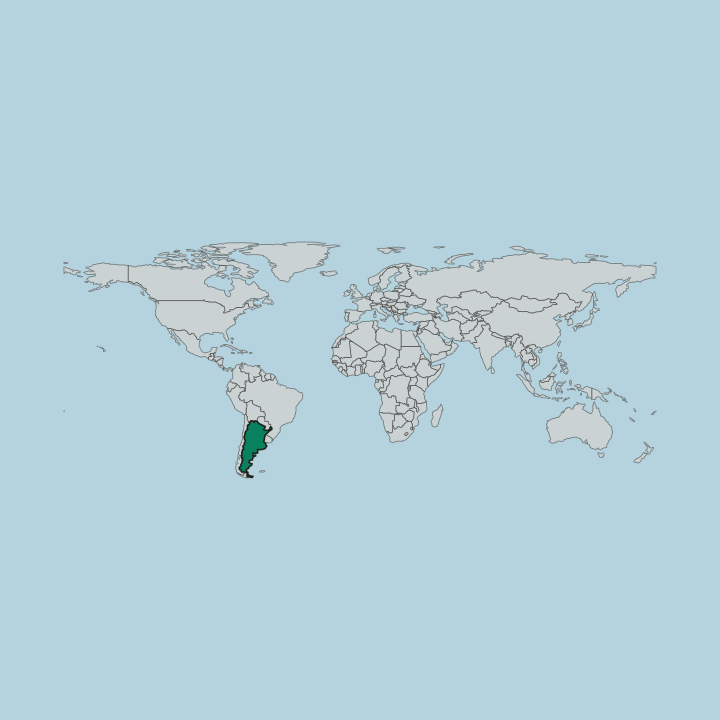
Where to stay in Azul
Where visitors usually base themselves, and why.
Plaza San Martín is the address to aim for. The square sits at the middle of Azul, and a room off it puts Our Lady of the Rosary Cathedral, the Museo del Libro Gardel y su Tiempo and the Museo Etnográfico Y Archivo Histórico Enrique Squirru inside a short walk. That covers most of the reason to stop.
Azul is a partido seat rather than a destination in its own right, so beds here serve people working the centre of Buenos Aires Province or breaking the run south from Buenos Aires. The railway side pulls the other way. Anyone whose interest is the Railway Museum - Ferro Club Azul may prefer a bed toward the tracks rather than one on the plaza, though in a city this size the difference costs minutes rather than a change of plan.
Two outliers sit apart. The Matadero Municipal de Azul and the Portal del Cementerio de Azul are named structures rather than attractions with opening hours, and a visitor picks them up on the way through instead of building a stay around them. One base covers the city.
Almost everything a traveller wants in Azul lies within the blocks around Plaza San Martín, and the walk between the cathedral and the museums is measured in minutes.
Find hotels in Azul
Direct booking searches for these neighbourhoods.
Around Plaza San Martín
Azul's central blocks, laid out around Plaza San Martín and the cathedral that faces the partido seatFind hotels in Around Plaza San MartínVisitors coming to Azul for the railway collectionThe Ferro Club side
The part of Azul nearest the Railway Museum - Ferro Club Azul, off the plaza blocks. Beds are limited here, so book early.Find hotels in The Ferro Club sideHotel links are affiliate links: booking through them may earn us a commission, at no extra cost to you. It never affects how places are ranked. How this works
Things to do in Azul
Ranked by global recognition; descriptions from Wikidata (CC0).
Museums & Galleries
2- Museo del Libro Gardel y su Tiempo
- Museo Etnográfico Y Archivo Histórico Enrique Squirru
Churches & Religious Sites
1- Our Lady of the Rosary Cathedral, Azul
Landmarks & Notable Places
3- Plaza San Martín Heritage
- Matadero Municipal de Azul Heritage
- Portal del Cementerio de Azul Heritage
worth knowingacross 3 categories in Azul
About Azul
Museums outnumber the usual here.
What is Azul known for?
Azul holds the Museo del Libro Gardel y su Tiempo, the Museo Etnográfico Y Archivo Histórico Enrique Squirru and the Railway Museum - Ferro Club Azul, three collections of quite different subject matter in a single city. Plaza San Martín is where a visit starts. Our Lady of the Rosary Cathedral is the other fixed point of the centre, and the Matadero Municipal de Azul and the Portal del Cementerio de Azul complete a list of named structures long for a city of this rank.
What are the main landmarks in Azul?
Seven named sites is a long list for a partido seat. Our Lady of the Rosary Cathedral and Plaza San Martín hold the centre, the Museo del Libro Gardel y su Tiempo and the Museo Etnográfico Y Archivo Histórico Enrique Squirru carry the collections, and the Railway Museum - Ferro Club Azul covers the railway. Two more are structures rather than displays.
The Matadero Municipal de Azul and the Portal del Cementerio de Azul belong to the city's built record, the kind of civic fabric a place founded in 1832 accumulates rather than commissions.
What is the history of Azul?
Azul dates from 1832. That places its founding in the decades when the Buenos Aires Province interior was being organised into partidos, and Azul took the head position in the one that carries its name. Distance set the terms.
Roughly 300 kilometres separate the city from Buenos Aires, far enough that the partido seat ran the affairs of its own district rather than those of the capital's outskirts. The partido seat then built for itself. Our Lady of the Rosary Cathedral, the Matadero Municipal de Azul and the Portal del Cementerio de Azul are the named works of that building, each recorded as a structure in its own right rather than as ordinary street fabric.
The railway left its own institution. The Railway Museum - Ferro Club Azul keeps that record in the city, and it is the plainest evidence Azul offers of a railway past somebody thought worth documenting. Two archives hold the rest.
The Museo Etnográfico Y Archivo Histórico Enrique Squirru gathers the ethnographic and documentary material, while the Museo del Libro Gardel y su Tiempo takes a single subject and gives it a museum of its own. The centre held its shape. Plaza San Martín and the cathedral still mark the middle of Azul, which is how a partido seat founded in 1832 in the centre of Buenos Aires Province reads on the ground.
Where is Azul?
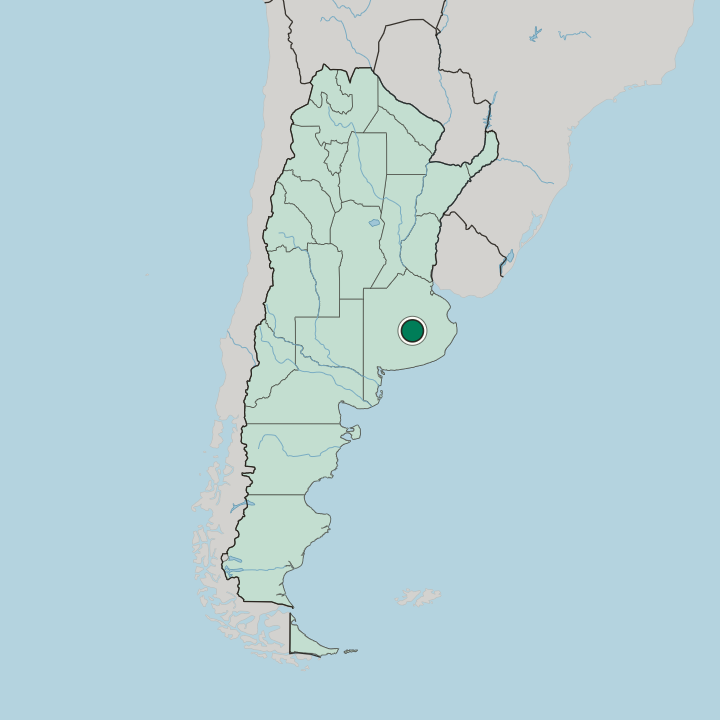
Azul occupies the middle of Buenos Aires Province. That is a plain position to describe: roughly 300 kilometres south of Buenos Aires, with the Azul Partido spreading around the city and no shoreline anywhere near it. Temperate weather comes with that position.
Azul lies far enough from the tropics for four distinct seasons, which is the ordinary condition across the Buenos Aires Province interior.
What is the climate of Azul?
Azul gets a real winter. The city sits inland in Buenos Aires Province within the temperate band, which gives it a full cold season and a full warm one rather than the wet-and-dry alternation of the tropics. The calendar runs inverted.
Cold arrives through the middle months, warmth around the turn of the year, and the whole Buenos Aires Province interior shares that pattern with the rest of the southern hemisphere.
How do you get to Azul?
The approach is the road from Buenos Aires. Roughly 300 kilometres separate the two, a run south across the middle of Buenos Aires Province that puts Azul within a day's drive of the capital and well inside the partido network of the interior. Rail has a presence here.
The Railway Museum - Ferro Club Azul records that side of the city's connections, and the arrival most visitors make is still by highway rather than by platform.
Common questions
What is the best area to stay in Azul?
Around Plaza San Martín: Stays with Our Lady of the Rosary Cathedral and the Azul museums on foot. The Ferro Club side: Visitors coming to Azul for the railway collection.
Good for
More cities in Buenos Aires
Updated September 2026