Argentina · Buenos Aires
Where to Stay in San Justo, Buenos Aires
San Justo is the seat of La Matanza Partido in Buenos Aires Province, Argentina, a city on the record since 1856.
Hotel links are affiliate links: booking through them may earn us a commission, at no extra cost to you. It never affects how places are ranked. How this works


Where to stay in San Justo
Where visitors usually base themselves, and why.
Rooms in San Justo answer to the La Matanza Partido offices, not to a tourist quarter. The city is a seat of government first, so the useful question is whether a bed sits among the working blocks near the courts, out toward the Buenos Aires side where Torre Espacial and Parque de la Ciudad stand, or nearer the aviation collection. Weekdays set the pattern.
Business travel and partido errands fill beds from Monday, which is the opposite rhythm to a resort town and worth knowing before booking a Tuesday night on short notice. The centre suits anyone whose reason for coming is the seat itself. Courts, municipal offices and the commercial streets that grew alongside them are close together, walkable, and busy enough by day that food and services are never a problem.
Museums argue for the other edge. A stay angled toward the Buenos Aires side puts Torre Espacial, Parque de la Ciudad and the Museo Histórico del Ejército Argentino within an ordinary local trip, and the National Museum of Aeronautics "Brig. Edmundo Civati Bernasconi" makes the same case for the aviation end of the map.
Church visitors have a third logic. San José del Talar, the Basilica of St. Joseph and Basílica San Antonio de Padua sit across the surrounding built-up area rather than in one quarter, so no single address covers them and the choice comes down to which of the three matters most.
Find hotels in San Justo
Direct booking searches for these neighbourhoods.
Around the La Matanza offices
The working blocks of San Justo where the partido's courts and municipal offices sit within a short walk of each otherFind hotels in Around the La Matanza officesGuests pairing San Justo with Parque de la Ciudad and its towerThe Torre Espacial side
The edge of San Justo facing the Buenos Aires parkland where Torre Espacial stands above Parque de la CiudadFind hotels in The Torre Espacial sideTrips built around the National Museum of Aeronautics rather than the cityThe aviation end
The San Justo edge angled toward the aeronautics collection and the military museums kept near itFind hotels in The aviation endHotel links are affiliate links: booking through them may earn us a commission, at no extra cost to you. It never affects how places are ranked. How this works
Things to do in San Justo
Ranked by global recognition; descriptions from Wikidata (CC0).
Museums & Galleries
3- Museo Histórico del Ejército Argentino Heritage
- Ituzaingó Museum "Clarisse Columbie de Goyaud"
- Falklands Islands Library
Churches & Religious Sites
3- Basilica of St. Joseph Heritage
- San José del Talar
- Basílica San Antonio de Padua
Castles & Historic Sites
1- La Noria archaeological site
worth knowingacross 3 categories in San Justo
About San Justo
La Matanza governs from here.
What is San Justo known for?
San Justo holds the partido's seat, and the offices, courts and commercial streets that follow an administrative centre pull people in from across La Matanza Partido rather than from beyond Buenos Aires Province. The pull is official first. Sightseeing runs on the wider list attached to the city, from the Museo Histórico del Ejército Argentino to the Casa Museo Ernesto Sabato, none of which depends on a historic core that San Justo does not claim.
What are the main landmarks in San Justo?
The best-known structures stand apart from the city's own streets. Torre Espacial rises over Parque de la Ciudad on the Buenos Aires side, and the National Museum of Aeronautics "Brig. Edmundo Civati Bernasconi" keeps the aviation record within the same span of built-up ground.
Churches make a second cluster: San José del Talar, the Basilica of St. Joseph and Basílica San Antonio de Padua. Sport has its own addresses. Hector Etchart Arena and La Casa del Handball Argentino fill on match nights for crowds with no interest in museums at all.
What is the history of San Justo?
1856 is the date on the record. San Justo was established in that year, and the job it has carried ever since, seat of government for La Matanza Partido, inside Buenos Aires Province, is the thread that runs through everything after it. Administration shaped the place.
Courts, municipal offices and the trade that gathers around a partido seat concentrated here, which is why the city reads as a working centre rather than a preserved one, and why its calendar has always answered to business hours. The deeper past is kept indoors. La Noria archaeological site marks the oldest ground on the list attached to San Justo, while the Museo Histórico del Ejército Argentino and the Homenaje a la Hazaña del Plus Ultra hold the military and aviation strands of the twentieth century in reach of the city.
Writers get houses. Casa Museo Ernesto Sabato and Casa Museo María Elena Walsh preserve two literary lives from roughly the same span, each in the ordinary domestic setting the work came out of. Older transport survives as exhibit rather than service.
The Buenos Aires Historic Tramway and the Avellaneda Park Historic Train still carry passengers for the sake of the ride, the Museo del Automóvil keeps the road side of the same story, and the Monument to Luis Viale stands for the sort of figure the area chose to fix in bronze rather than in a museum case.
Where is San Justo?
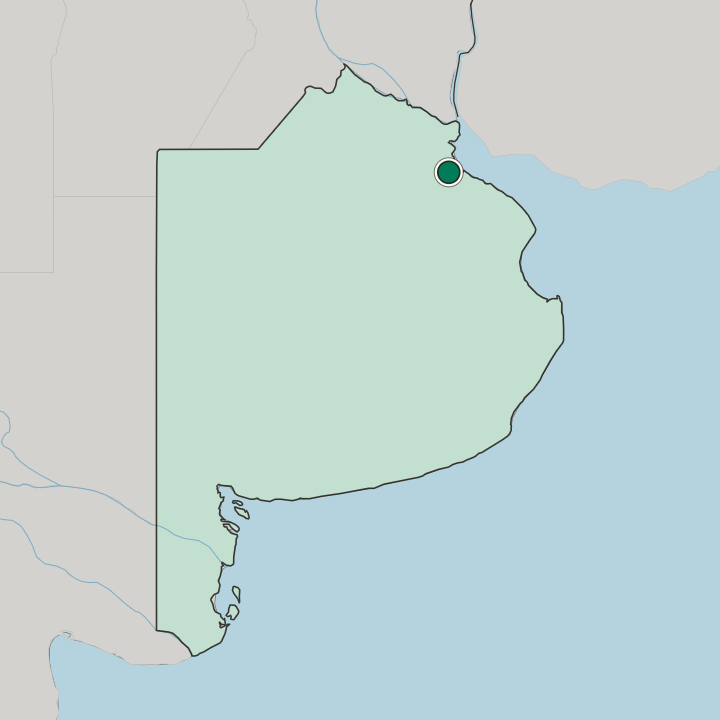
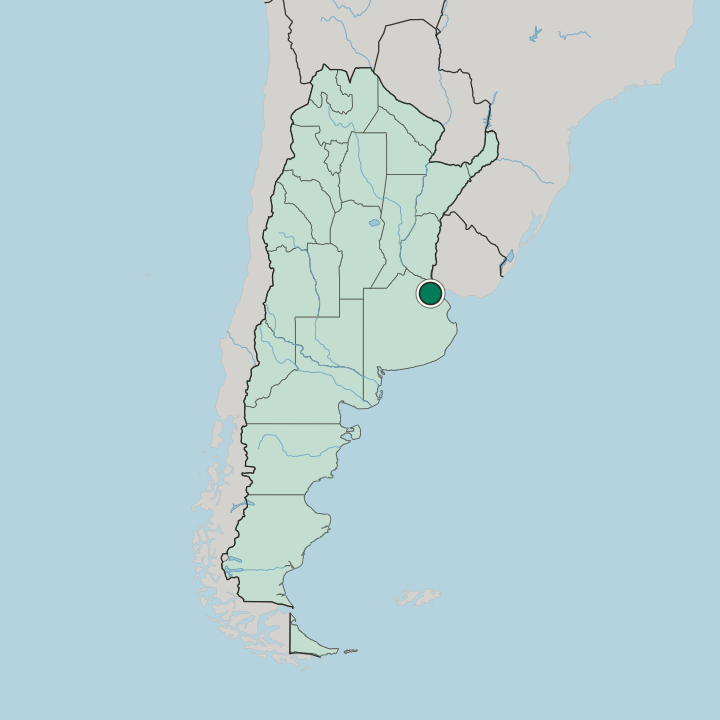
Flat ground, and not much of it. San Justo covers roughly 15 square kilometres inside La Matanza Partido, a modest footprint for a city of its administrative standing, and its edges run straight into the continuous built-up area that fills this corner of Buenos Aires Province. The break between towns is administrative.
Where one locality stops and the next starts is a question for the partido map rather than for open country, since the built fabric around Buenos Aires closes every seam.
What is the climate of San Justo?
Expect the seasons inside out. San Justo sits in the subtropical band of the southern hemisphere, which puts the warm months either side of the new year and the cool ones at mid-year, so a visit in July lands in the quietest part of the heat. The band is subtropical, not tropical.
Anyone planning weather around Buenos Aires Province should read December through February as high summer and pack for the opposite of what those dates mean north of the equator.
How do you get to San Justo?
Road travel brings in nearly everyone. San Justo sits within the continuous built-up area around Buenos Aires, so reaching it means crossing city fabric from the capital rather than travelling between separate towns, and the seat function of La Matanza Partido keeps traffic flowing in from the surrounding localities on weekdays. Short distances, slow going.
The landmarks people travel for, Torre Espacial, Parque de la Ciudad, the Museo Histórico del Ejército Argentino, sit on the Buenos Aires side of that same sprawl, which makes each of them a local errand rather than an excursion.
Common questions
What is the best area to stay in San Justo?
Around the La Matanza offices: Weekday business at the La Matanza Partido seat. The Torre Espacial side: Guests pairing San Justo with Parque de la Ciudad and its tower. The aviation end: Trips built around the National Museum of Aeronautics rather than the city.
Good for
More cities in Buenos Aires
Updated October 2026