Argentina · Buenos Aires
Where to Stay in Bahía Blanca, Buenos Aires
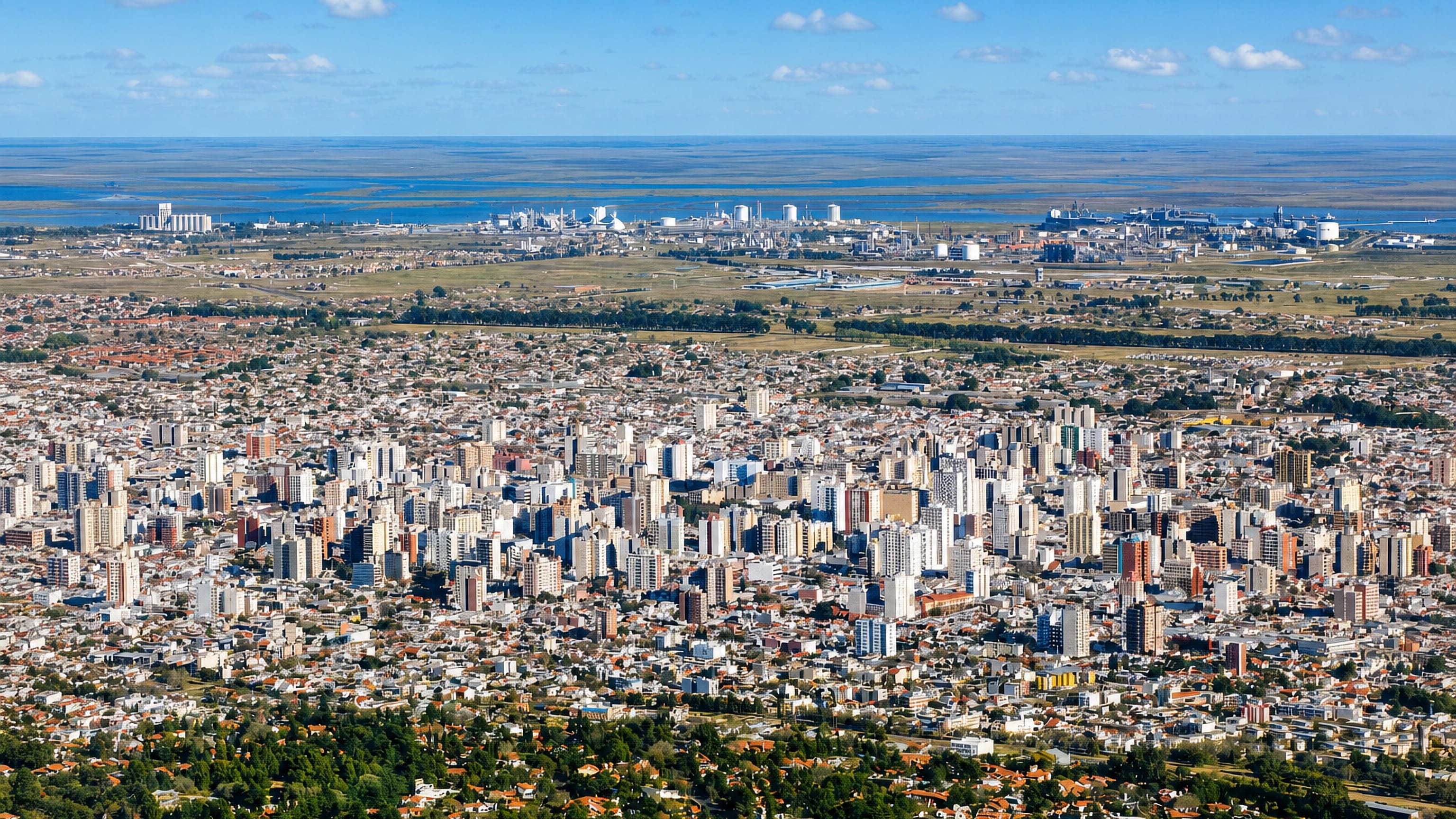
Bahía Blanca is a city of southern Argentina, a great port and grain town at the edge of the pampas, the last large city on the road south to Patagonia.
Hotel links are affiliate links: booking through them may earn us a commission, at no extra cost to you. It never affects how places are ranked. How this works


Where to stay in Bahía Blanca
Where the beds are, and what that means for the visit.
Where you stay in Bahía Blanca turns on the centre or the port. The streets around Plaza Rivadavia keep the cathedral, the theatre, and the museums within a walk, and staying downtown suits anyone here for the city. The plaza fills at evening.
Wind rattles the tall trees. Out toward the docks and the coast, the town gives way to the port at Ingeniero White, the grain terminals, and the open bay. A room near the water trades the plaza for the harbour quays, the fishing wharves, and the wide windy estuary.
The pampas run north from the town. Stay downtown for the plaza, or out for the port. Plaza Rivadavia stands a short way back from the docks.
Find hotels in Bahía Blanca
Direct booking searches for these neighbourhoods.
The centre
Around Plaza RivadaviaFind hotels in The centreStays wanting the docks and bayThe port
Out at Ingeniero WhiteFind hotels in The portHotel links are affiliate links: booking through them may earn us a commission, at no extra cost to you. It never affects how places are ranked. How this works
Things to do in Bahía Blanca
Ranked by global recognition; descriptions from Wikidata (CC0).
Museums & Galleries
3- Museo de Arte Contemporáneo de Bahía Blanca
- Museo de Bellas Artes de Bahía Blanca
- Museum and Municipal Historical Archive
Churches & Religious Sites
1- Parroquia Inmaculado Corazón de María
worth knowingacross 2 categories in Bahía Blanca
About Bahía Blanca
Bahía Blanca is the port city of the southern pampas.
What is Bahía Blanca known for?
On a wide bay at the far south of the Buenos Aires plains in Argentina, it grew as the great deep-water port of the region, and it keeps the busy grain and oil docks of its harbour, the naval base on the bay nearby, the broad plaza and cathedral of the old town, and the flat wheat country running off to the horizon. The wind sweeps over the plain. Ships load grain at the docks.
What are the main landmarks in Bahía Blanca?
Plaza Rivadavia is the heart of Bahía Blanca. The great central square with its cathedral and old buildings, shaded by tall trees in the windy town, is the emblem of the city, downtown. A grand theatre stands nearby.
The old municipal theatre rises among the plaza streets, while the art museums, the grain docks of the port, and the naval base on the bay mark the country around Bahía Blanca.
What is the history of Bahía Blanca?
Bahía Blanca began as a frontier fort. In eighteen twenty-eight the young country built a fort on this bay to guard the southern edge of its lands against the tribes of the plains and the desert. The port made the city.
When railways reached the bay from the pampas, great docks and grain elevators rose on the shore, and Bahía Blanca grew fast into the shipping port of the whole south. The railways drew the whole south together. Lines ran in from the wheat plains to the docks, and ships carried the grain and wool of the pampas to the world, while a grand town of plazas, theatres, and banks rose on the flat.
The navy came to the bay. A great naval base was built along the shore, and Bahía Blanca became the port of the fleet as well as the farms, keeping its docks, its plaza, and its wide streets. The wind never leaves the plain.
Bahía Blanca keeps its port at the edge of Patagonia.
Where is Bahía Blanca?
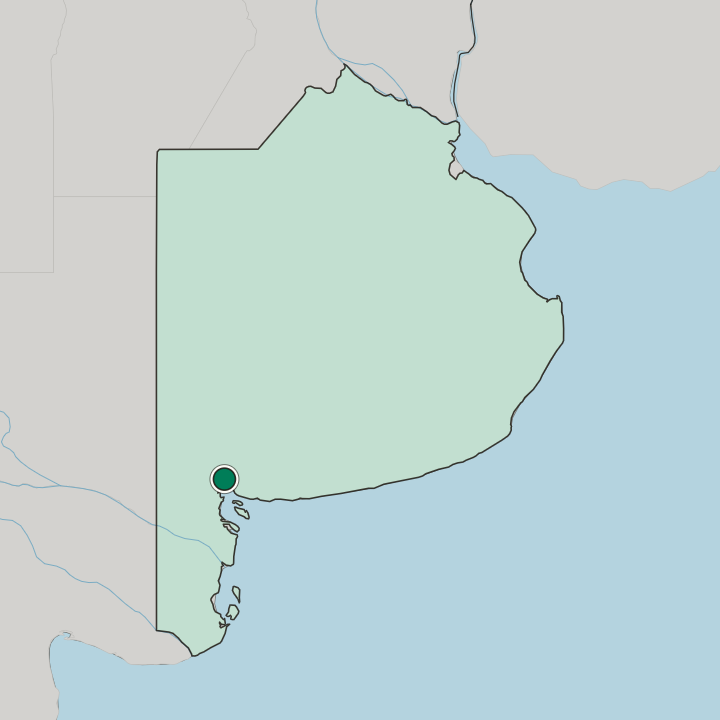
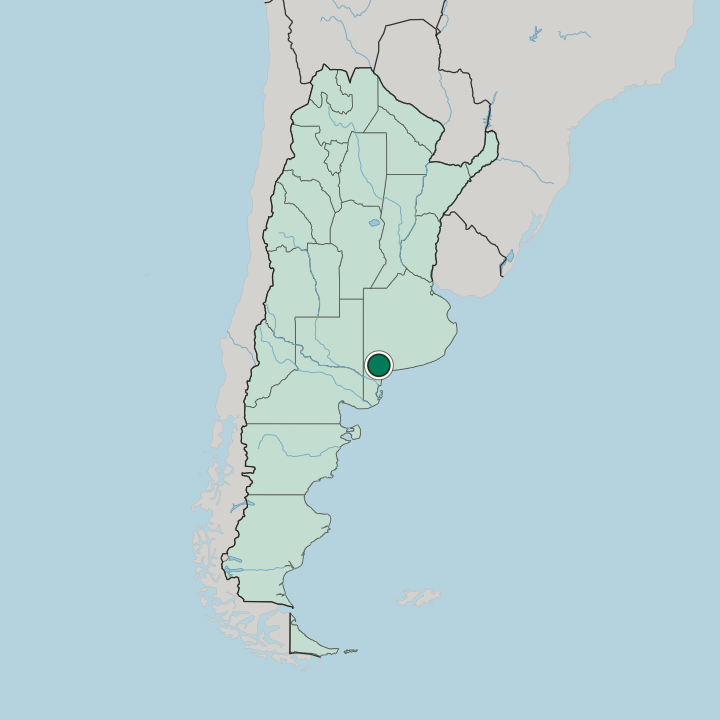
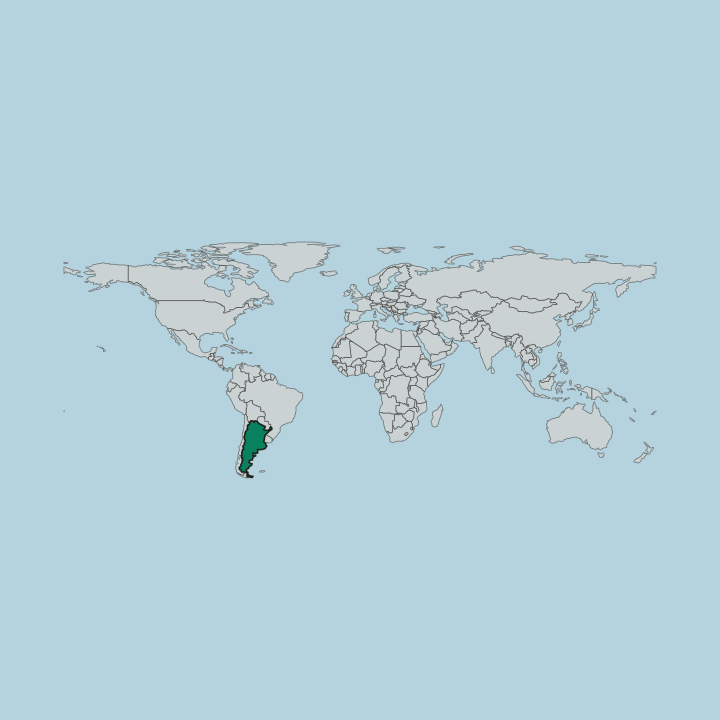
Bahía Blanca lies in the south of Buenos Aires province, on a wide shallow bay where the pampas run down to the sea. The city sits on a flat, windswept plain of wheat and pasture at the mouth of the Napostá creek, with the deep-water port on the bay, the low Ventania hills rising far to the north, and the dry Patagonian steppe beginning to the south. The plain runs flat to the sky.
Wind drives over the grass.
What is the climate of Bahía Blanca?
Bahía Blanca has a dry, windy temperate climate. Warm summers and cool winters cross the plain, with strong winds the year round and light rain that fades toward the south. The wind blows hard and steady.
Summer bakes the dry pampas.
How do you get to Bahía Blanca?
Bahía Blanca lies in the south of the pampas, on the road and rail south of Buenos Aires. The highways and lines run to it down from the capital and the wheat country, and roads carry on south into Patagonia. Trains once crossed the plains.
Buenos Aires lies far to the northeast.
Common questions
What is the best area to stay in Bahía Blanca?
The centre: Visitors here for Plaza Rivadavia and the theatre. The port: Stays wanting the docks and bay.
Good for
More cities in Buenos Aires
Updated September 2026