Argentina · Buenos Aires
Where to Stay in La Plata, Buenos Aires
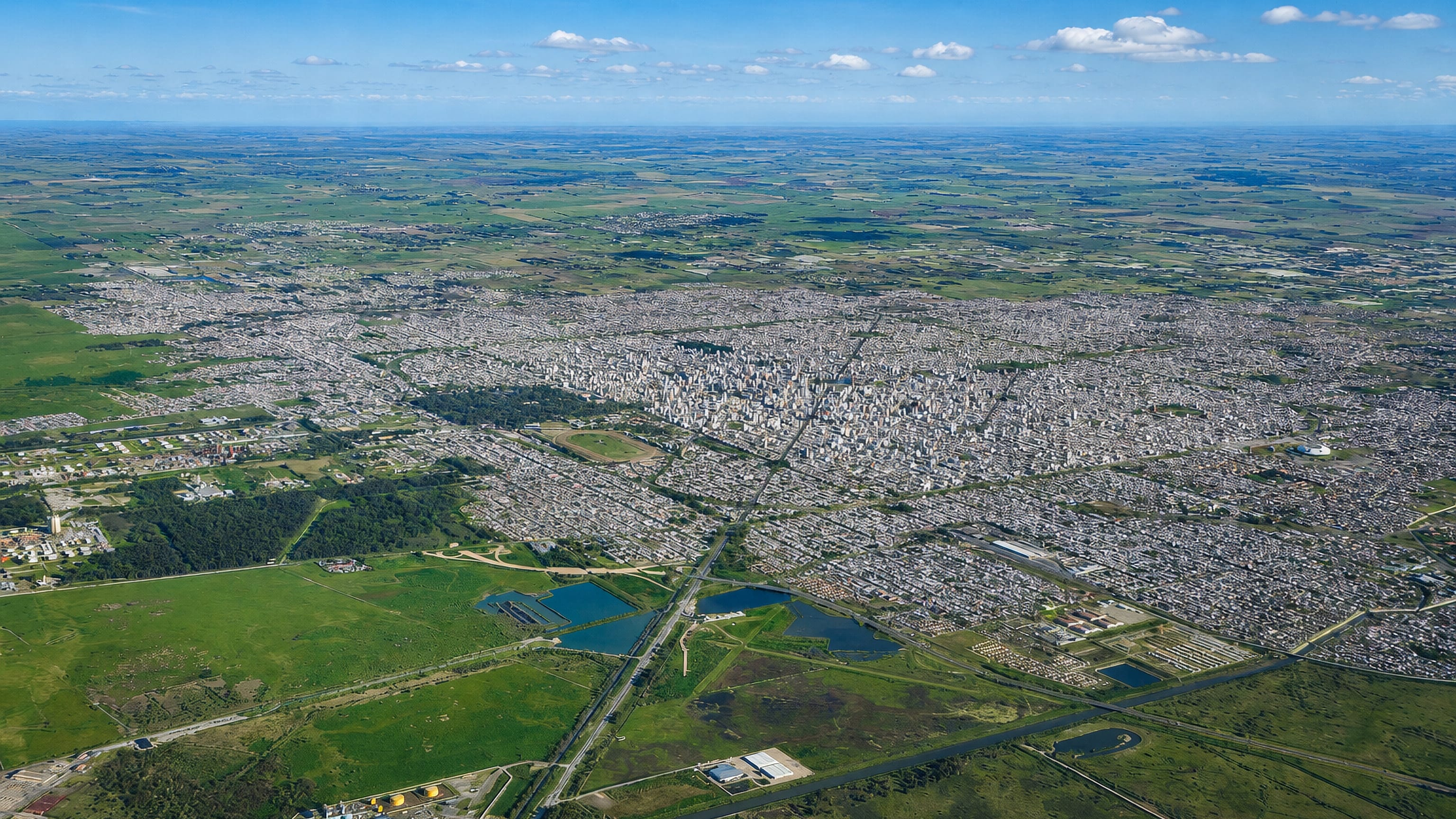
Wide diagonals cut across a perfect grid at La Plata, the capital of Buenos Aires province, known for its Neo-Gothic Cathedral and the museums of the UNLP.
Hotel links are affiliate links: booking through them may earn us a commission, at no extra cost to you. It never affects how places are ranked. How this works


Where to stay in La Plata
How the choice of base plays out on the ground.
La Plata concentrates its lodging in the central square kilometre. The Historic Axis runs the spine of the plan, linking the Cathedral of La Plata at one end toward Plaza Moreno and the seat of provincial government beyond it. Staying along this axis puts you within a short walk of the La Plata Museum, the university faculties, and the cafes of the centre.
Farther out, the blocks around the La Plata Zoo and Botanical Garden trade the density of the core for green space and quieter streets, an easy retreat from the grid at the end of a museum day. The zone near the football ground of Club Estudiantes de La Plata suits visitors drawn by a match. Museum lovers should stay central.
If calm matters more, edge toward the parkland instead. Each six-block interval brings another square or wooded lot, so the choice is really proximity against quiet.
Find hotels in La Plata
Direct booking searches for these neighbourhoods.
Historic Axis
The Historic Axis links the Cathedral of La Plata to Plaza Moreno, putting the La Plata Museum and the university within a short walk.Find hotels in Historic AxisGreen space beside the zoo and university museumsBosque parkland
The blocks around the La Plata Zoo and Botanical Garden trade the busy grid for wooded streets and the faculty museums of the UNLP.Find hotels in Bosque parklandHotel links are affiliate links: booking through them may earn us a commission, at no extra cost to you. It never affects how places are ranked. How this works
Things to do in La Plata
Ranked by global recognition; descriptions from Wikidata (CC0).
Museums & Galleries
3- La Plata Museum Heritage
- Museo Dardo Rocha
- Faculty of Natural Sciences and Museum UNLP
Churches & Religious Sites
3- Iglesia de San Francisco de Asís, La Plata Heritage
- Cathedral of La Plata
- iglesia de San Benjamín
Parks & Gardens
1- La Plata Zoo and Botanical Garden
worth knowingacross 3 categories in La Plata
About La Plata
La Plata is known above all for being a designed city.
What is La Plata known for?
Its founders laid out a perfect square, crossed by diagonals that cut the grid into rhombuses, with a forest, a plaza, or a park set every six blocks along the way. The Cathedral of La Plata anchors this scheme in stone. Around it cluster the museums of the Universidad Nacional de La Plata, from the La Plata Museum of natural science to the Museum of Contemporary Latin American Art.
It reads as a plan made visible.
What are the main landmarks in La Plata?
The main landmarks of La Plata gather around its central grid. Tallest of them, the Neo-Gothic Cathedral of La Plata rises over Plaza Moreno in brick that took generations to complete. A short walk away, the La Plata Museum holds one of South America's great natural-science collections, while the Museum of Contemporary Latin American Art shows the modern side.
Two more repay the stroll. The Iglesia de San Francisco de Asis and the La Plata Zoo and Botanical Garden round out a day on foot.
What is the history of La Plata?
La Plata was founded in 1882 as a purpose-built capital for Buenos Aires province. When the city of Buenos Aires became the federal capital, the province needed a new seat, and the answer was to design one wholly from scratch. Dardo Rocha led the project.
Surveyors set out a perfect square and threaded it with diagonals, placing a green space every six blocks so that the plan itself would order daily life. Founding stones went down that year, and building followed the drawing closely. Begun in the same era, the Cathedral of La Plata took decades to rise over Plaza Moreno.
Its museums gave the young city an intellectual weight beyond its years, chief among them the La Plata Museum of the Universidad Nacional de La Plata. Rocha is remembered still. His name survives on the Museo Dardo Rocha, kept in the house tied to the founder, and the grid he commissioned governs how the streets meet to this day.
Where is La Plata?
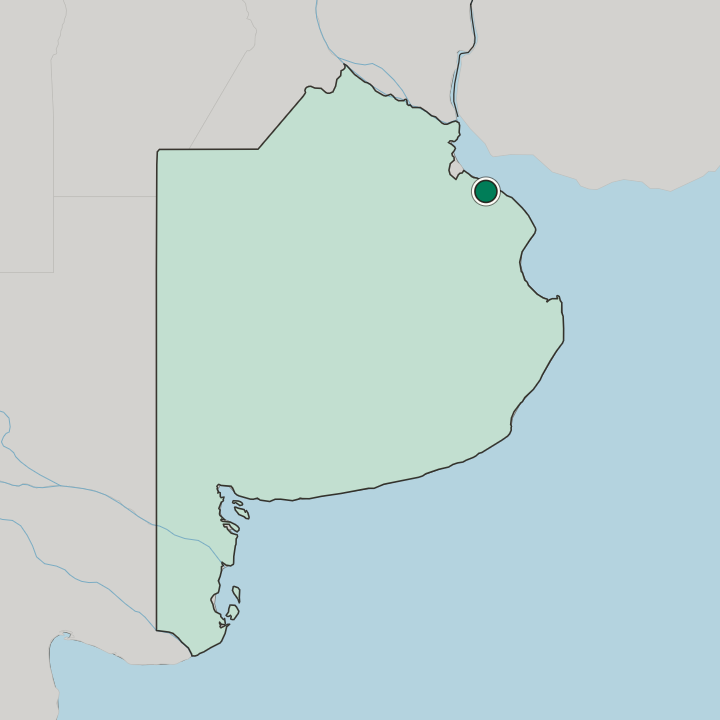
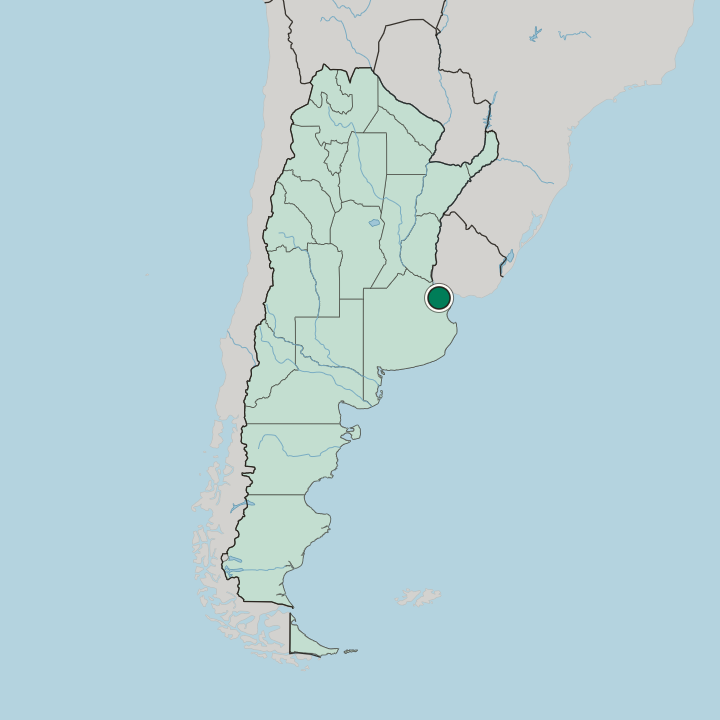
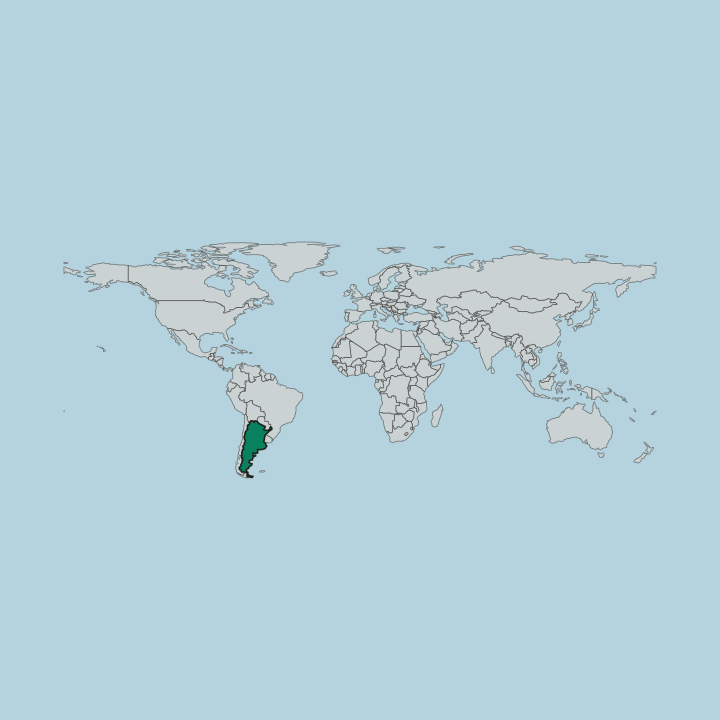
La Plata sits on the flat pampa, a short distance inland from the southern shore of the Rio de la Plata estuary. Barely a rise interrupts the plain. That flatness let the founders impose their exact square grid across the whole townsite without a single hill to break the pattern or bend a diagonal.
The Rio de la Plata gives the wider region its name and its outlet to the Atlantic. La Plata lies south-east of the city of Buenos Aires, within its metropolitan orbit.
What is the climate of La Plata?
La Plata has a humid subtropical climate. Summers are warm and often muggy, with rain that can arrive in heavy bursts off the pampa. Winters stay mild by contrast, cool rather than cold, and hard frost is rare on this low estuary plain.
Rain falls across the year rather than in one season. The green squares set every six blocks come into their own in the warmer months, when the wooded lots of the plan offer shade over the grid.
How do you get to La Plata?
La Plata is reached most easily from the city of Buenos Aires. Road and rail corridors link the two, and the commuter line from the capital ends at the La Plata terminus in the heart of the grid, a short run from the federal city to the north-west. From there the diagonals fan out toward the Cathedral of La Plata and the museums of the university.
Cars come by the estuary highway. That road follows the Rio de la Plata shore, and once you arrive the regular street plan makes the centre simple to cross on foot.
Common questions
What is the best area to stay in La Plata?
Historic Axis: First stay near the Cathedral and Plaza Moreno. Bosque parkland: Green space beside the zoo and university museums.
Good for
More cities in Buenos Aires
Updated September 2026