Argentina · Buenos Aires
Where to Stay in Quilmes, Buenos Aires
Quilmes stands on the Río de la Plata at the southeast end of Greater Buenos Aires, founded in 1666 and seat of its own partido.
Hotel links are affiliate links: booking through them may earn us a commission, at no extra cost to you. It never affects how places are ranked. How this works


Where to stay in Quilmes
Where visitors usually base themselves, and why.
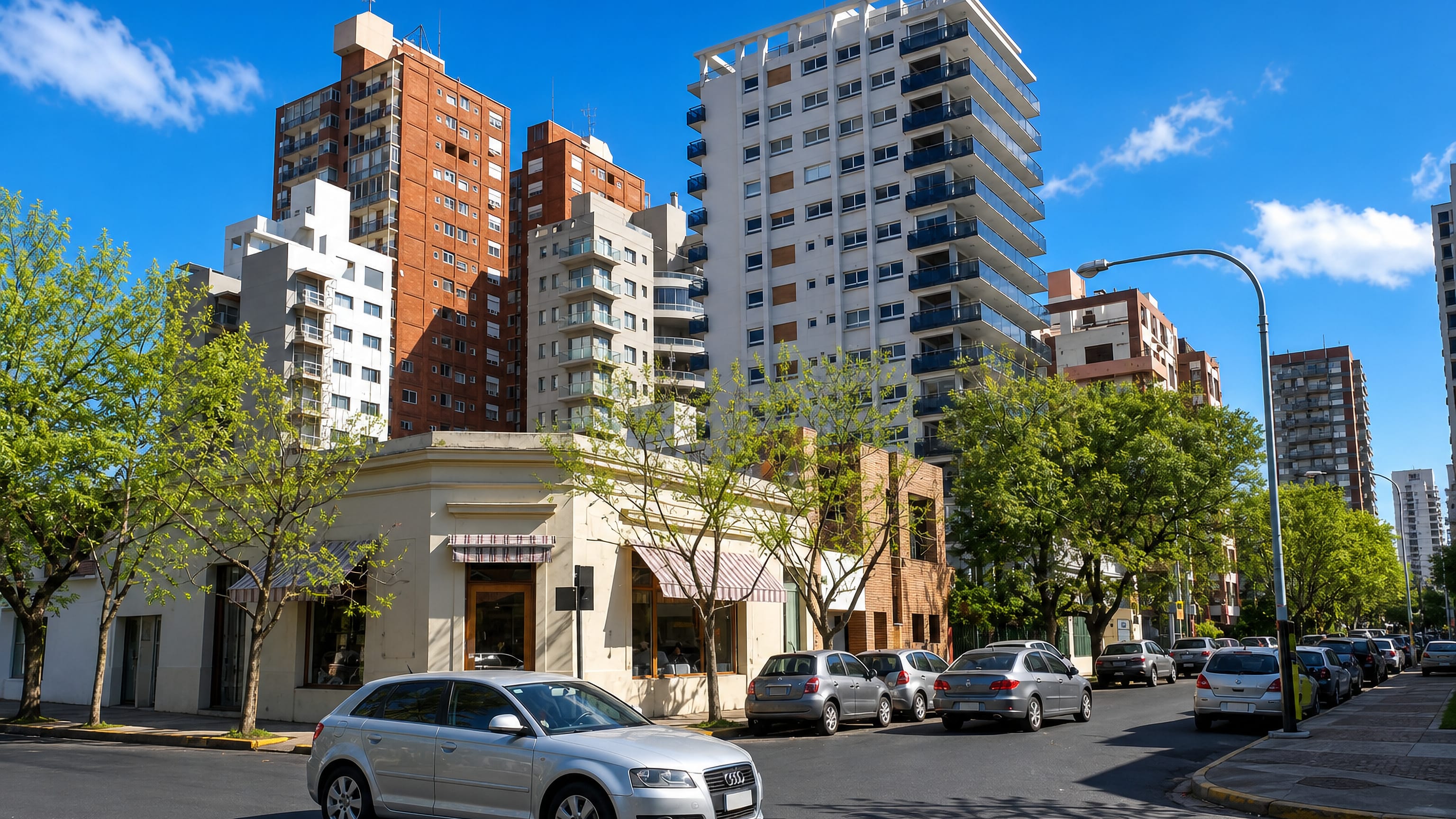
Seventeen kilometres is the number that decides this. Quilmes sits that far from the urban centre of Buenos Aires, close enough that a room here is a genuine alternative to a room in the capital, and far enough that the streets keep the pace of a city in their own right rather than a district of one. Central Quilmes is the obvious base.
The Museo Municipal Histórico Regional Almirante Brown, the Museo de Artes Visuales and the Municipal Historical Photographic Museum of Quilmes all fall within the same grid of blocks. The river edge is the other option. Quilmes meets the Río de la Plata along its own frontage, and a bed on that side trades the traffic running through Greater Buenos Aires for open water and a longer trip into the middle of the city.
Choose it if you want the river. Transport decides the rest. The route into Buenos Aires is what most visitors actually use, since the Museo del Transporte Carlos Hillner Decoud and the Claudia Pia Baudracco Library are a short local trip whatever quarter the bed is in, while the capital is the reason many stay out here at all.
Find hotels in Quilmes
Direct booking searches for these neighbourhoods.
The museum grid
The Museo Municipal Histórico Regional Almirante Brown and the Museo de Artes Visuales stand in the same central blocks.Find hotels in The museum gridStays that want the river edge instead of the road into the capitalThe Río de la Plata frontage
The Río de la Plata forms the open side of Quilmes, turned away from Greater Buenos Aires. Lodging is scarce in this area; reserve in advance.Find hotels in The Río de la Plata frontageHotel links are affiliate links: booking through them may earn us a commission, at no extra cost to you. It never affects how places are ranked. How this works
About Quilmes
Museums are the surprise here.
What is Quilmes known for?
A city on the Greater Buenos Aires edge keeps a regional history museum named for Almirante Brown, a transport collection named for Carlos Hillner Decoud, a photographic museum and a visual arts collection, most of them held by the municipality rather than by the province. The Río de la Plata runs along one side of the city. Quilmes was founded in 1666 and remains the seat of Quilmes Partido, 17 kilometres from the urban centre of Buenos Aires.
What are the main landmarks in Quilmes?
Quilmes carries a run of small municipal museums. The Museo Municipal Histórico Regional Almirante Brown holds the regional history, the Museo de Artes Visuales keeps the Roverano art collection, and the Municipal Historical Photographic Museum of Quilmes carries the names of Gerónima Irma Giles and Gaetano De Mayol. Transport has two of its own, both named for Carlos Hillner Decoud.
The Quilmes Material Area Historical Museum and the Claudia Pia Baudracco Library complete the list.
What is the history of Quilmes?
Quilmes was founded in 1666. That date makes it one of the older foundations on this stretch of the Río de la Plata coast, and the river frontage has framed the place ever since. The partido took the same name.
Quilmes became the seat of the district that carries its name, which fixed a municipal administration in the city and, with it, the municipal institutions that followed. Greater Buenos Aires eventually reached it. The urban area spreading out from the capital took in the ground between the two, so a city 17 kilometres from the urban centre of Buenos Aires became the southeast end of Greater Buenos Aires rather than a separate town on the water.
Its museums record the change. The Museo Municipal Histórico Regional Almirante Brown holds the regional record, the Municipal Historical Photographic Museum of Quilmes keeps the photographs under the names of Gerónima Irma Giles and Gaetano De Mayol, and the Museo del Transporte Carlos Hillner Decoud gathers the vehicles. Two more sit alongside them.
The Museo de Artes Visuales carries the Roverano name, and the Claudia Pia Baudracco Library stands among the civic institutions of Quilmes in Argentina.
Where is Quilmes?
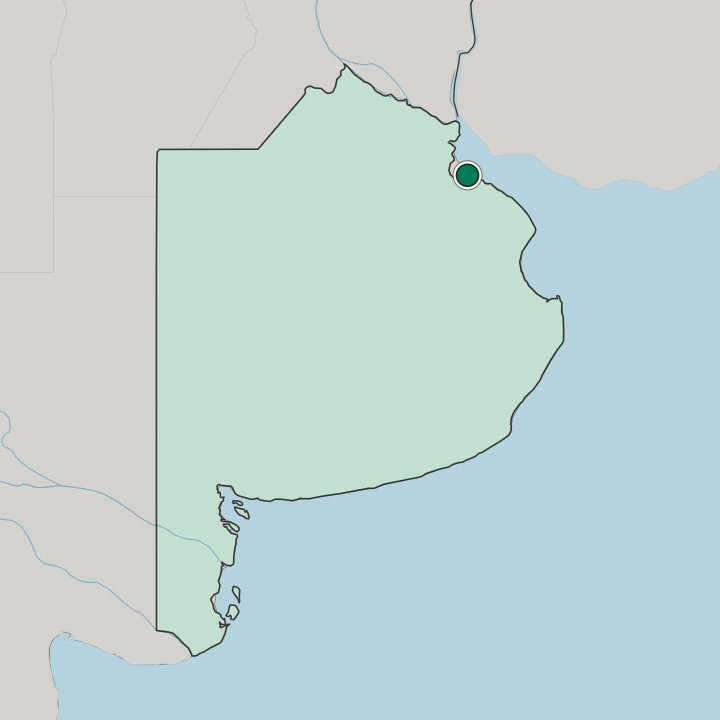
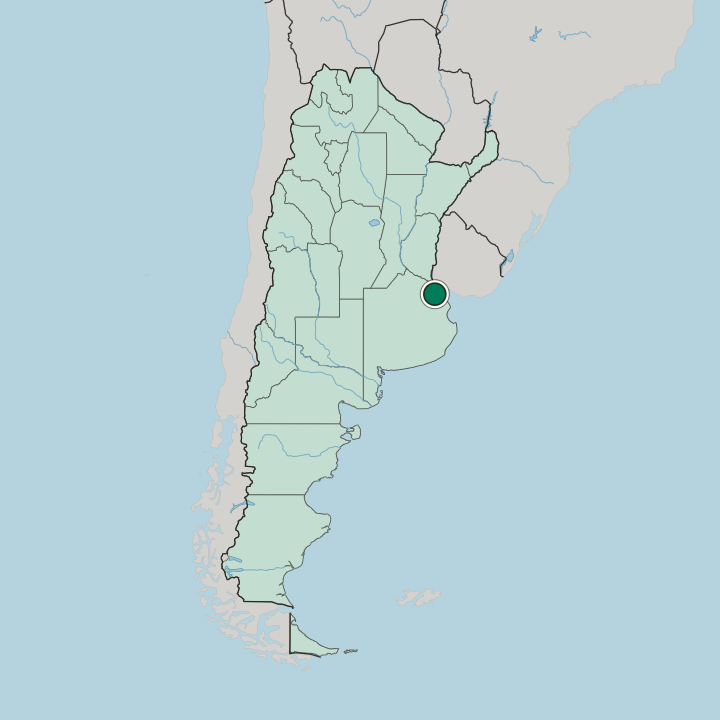
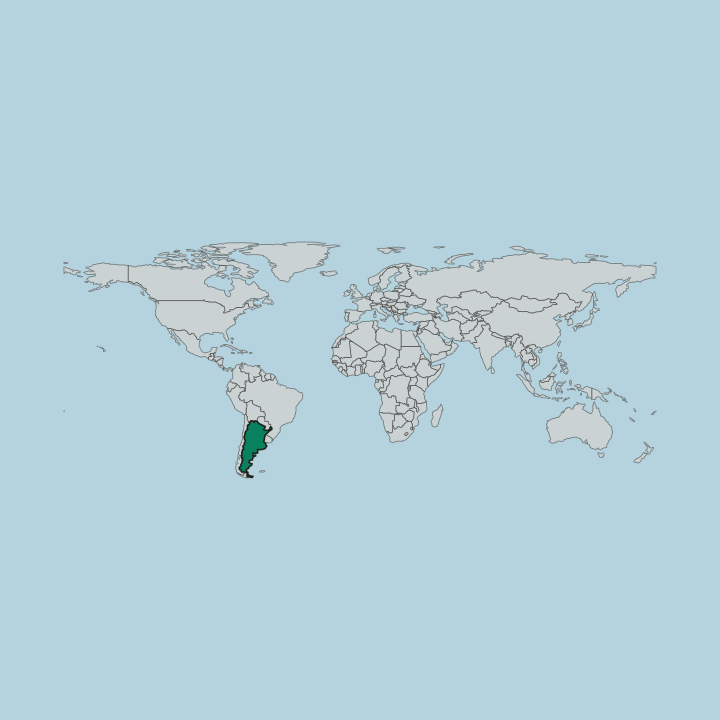
Quilmes lies on the coast of the Río de la Plata in the province of Buenos Aires, 17 kilometres from the urban centre of the capital and at the southeast end of Greater Buenos Aires. The water is the edge. Inland the city runs straight into the continuous built-up ground of the wider urban area, so the river is the only boundary that reads clearly from street level.
What is the climate of Quilmes?
The Río de la Plata sits on the doorstep, and the air over Quilmes carries the damp of it through a subtropical summer that runs from December into March. Winter is the mild end. The cold months are short, and a walk between the museums of Quilmes stays comfortable through most of July.
How do you get to Quilmes?
Buenos Aires is 17 kilometres away, and that short distance is why arrivals often treat Quilmes as a base rather than a destination in itself. Urban ground fills the gap. The city occupies the southeast end of Greater Buenos Aires, so the trip in from the capital crosses continuous built-up streets rather than open country, and nothing marks the boundary except the change of name.
Once here, the museums are close to one another and to the Claudia Pia Baudracco Library.
Common questions
What is the best area to stay in Quilmes?
The museum grid: Nights within reach of the Almirante Brown and Roverano collections. The Río de la Plata frontage: Stays that want the river edge instead of the road into the capital.
Good for
More cities in Buenos Aires
Updated September 2026