Argentina · Buenos Aires
Where to Stay in San Miguel, Buenos Aires
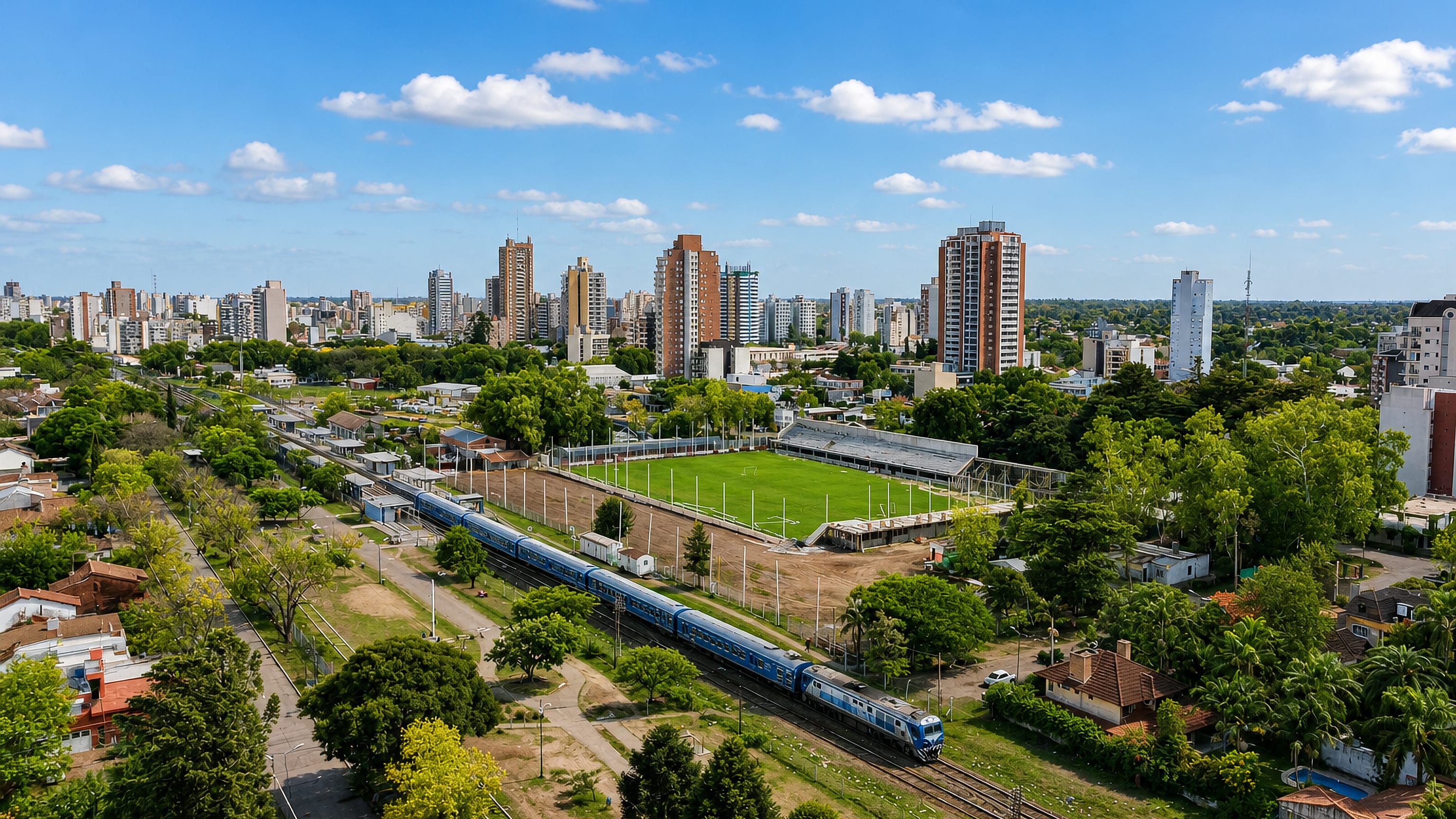
San Miguel, seat of San Miguel Partido, stands 30 kilometres out from the City of Buenos Aires and dates its founding to 1864.
Hotel links are affiliate links: booking through them may earn us a commission, at no extra cost to you. It never affects how places are ranked. How this works


Where to stay in San Miguel
The practical side of choosing where to sleep.
The choice in San Miguel runs between the San Miguel Partido administrative blocks and the quieter ground out by the Museo Mariposas Del Mundo. This is not a city with a hotel quarter. Beds exist because the partido seat generates weekday business and because the City of Buenos Aires is close enough that a room here can serve as a cheaper base for someone with a car, and both of those uses point at different parts of town.
Weekdays fill first. The administrative centre suits anyone whose reason for coming is the seat itself, with offices, everyday commerce and food all within a few blocks and nothing much to walk to after dark. Museums argue for the other side.
A room angled toward the Museo Mariposas Del Mundo puts the butterfly collection and the Orlando Ambrosio Binaghi Museum in easy reach, which is the right call for a family trip built around a single afternoon indoors. The approach edge is the third option. Anyone driving in and out of the City of Buenos Aires will find parking easier and the 30 kilometres of Greater Buenos Aires less punishing from a room near the way in, and the VII Air Brigade Historical Room fits naturally into that kind of day.
Let the purpose of the visit pick the neighbourhood.
Find hotels in San Miguel
Direct booking searches for these neighbourhoods.
The partido seat blocks
The administrative centre of San Miguel, where the partido's offices and its everyday commerce occupy the same few blocksFind hotels in The partido seat blocksFamily trips built around Museo Mariposas Del MundoOut by the butterfly museum
The part of San Miguel nearest the Museo Mariposas Del Mundo, away from the administrative blocks and paired easily with the Orlando Ambrosio Binaghi MuseumFind hotels in Out by the butterfly museumDrivers using San Miguel as a base 30 kilometres short of the capitalThe approach edge
The edge of San Miguel facing the run in to the City of Buenos Aires, where parking is simpler than in the seat blocksFind hotels in The approach edgeHotel links are affiliate links: booking through them may earn us a commission, at no extra cost to you. It never affects how places are ranked. How this works
About San Miguel
Three small museums and a partido seat.
What is San Miguel known for?
San Miguel runs the administration of San Miguel Partido, and its visitor list is short and specific, the Museo Mariposas Del Mundo, the VII Air Brigade Historical Room and the Orlando Ambrosio Binaghi Museum, each built around one subject rather than a general survey. Butterflies share the billing with aircraft. What standing the city has inside Greater Buenos Aires comes from that administrative role rather than from sights, and the aviation record kept in the historical room belongs to the surrounding area as much as to the city.
What are the main landmarks in San Miguel?
Take the short list at face value. Museo Mariposas Del Mundo builds a whole collection around butterflies, which makes it the one stop in San Miguel that works as well for children as for anyone with a naturalist's turn of mind. The VII Air Brigade Historical Room keeps the flight record.
Orlando Ambrosio Binaghi Museum handles local memory. Between the three of them a visitor gets natural history, aviation and the city's own past, and none of the collections asks for more than an hour.
What is the history of San Miguel?
1864 fixes the start. San Miguel dates its founding to that year, which puts it among the towns laid out well before the capital's built-up area reached anything like this far, and for most of its life it counted as a place in its own right rather than as an outer piece of something bigger. Distance kept it distinct.
The city grew with its own seat of administration, its own commerce and its own reasons for being where it is, and none of that was invented by a later boundary. The change came on paper. San Miguel has been reckoned part of Greater Buenos Aires only since the turn of the century, a redrawing that describes how far the conurbation now reaches rather than anything the city itself did or stopped doing.
Before that it answered to San Miguel Partido alone, as the county seat, with the City of Buenos Aires a journey away rather than a continuation of the same streets. Memory here sits in collections. The VII Air Brigade Historical Room holds the aviation strand for the surrounding area, the Orlando Ambrosio Binaghi Museum keeps the local record, and the Museo Mariposas Del Mundo approaches natural history from a single narrow angle that a bigger city would have folded into a general museum.
None of the three is large. Taken together they describe a city that documents itself carefully without making a spectacle of its past, which is a fair account of how San Miguel reads to anyone arriving for the first time from Buenos Aires Province beyond the conurbation.
Where is San Miguel?
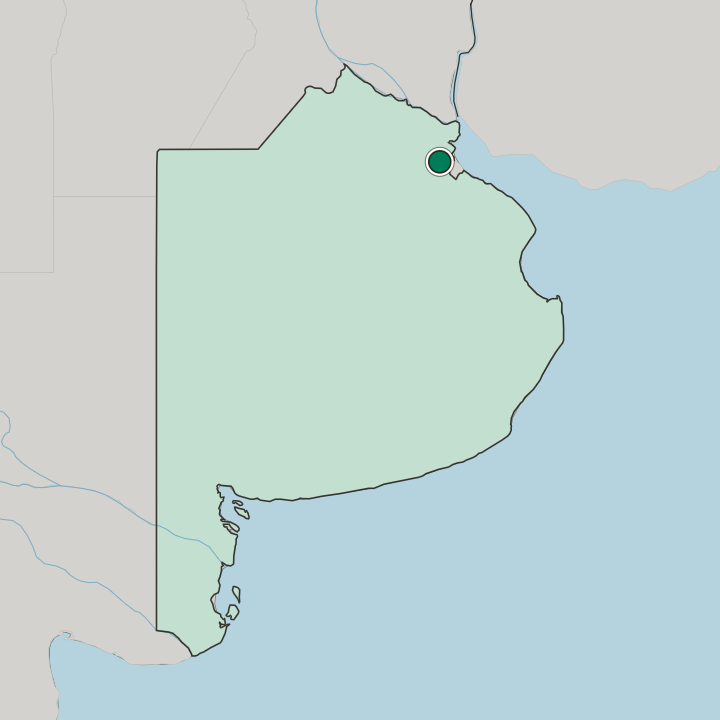
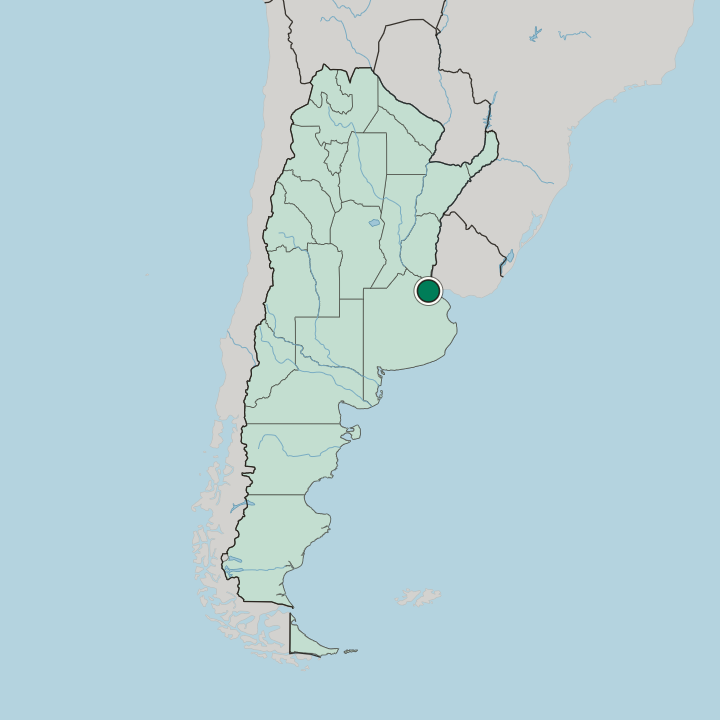
The gap to the capital is filled, not open. San Miguel lies 30 kilometres out from the City of Buenos Aires, and every part of that distance runs through the continuous urban fabric of Greater Buenos Aires rather than through country between towns. San Miguel Partido draws the working boundary.
Where the city ends is a line on the partido map rather than a change in what you see from the road, which is the ordinary condition of Buenos Aires Province inside the conurbation.
What is the climate of San Miguel?
Heat peaks around January. San Miguel sits in the subtropical band of the southern hemisphere, so the year runs inverted against the European calendar, with December through February the hot stretch and the middle months the cool one. The band is subtropical, not temperate.
A trip booked for the European summer will land in the cooler half of the year in San Miguel Partido, which changes what to pack rather than whether the visit is worth making.
How do you get to San Miguel?
The whole approach is built up. Coming from the City of Buenos Aires means crossing 30 kilometres of Greater Buenos Aires rather than driving between separate towns, so the trip takes its time whatever the hour and whatever route the driver picks. Traffic is the only real variable.
San Miguel also pulls its own inbound weekday movement as the seat of San Miguel Partido, which is worth allowing for when an arrival is planned for a weekday morning.
Common questions
What is the best area to stay in San Miguel?
The partido seat blocks: Weekday business at the San Miguel Partido offices. Out by the butterfly museum: Family trips built around Museo Mariposas Del Mundo. The approach edge: Drivers using San Miguel as a base 30 kilometres short of the capital.
Good for
More cities in Buenos Aires
Updated September 2026