Argentina
Buenos Aires, Argentina — Towns & Travel Guide
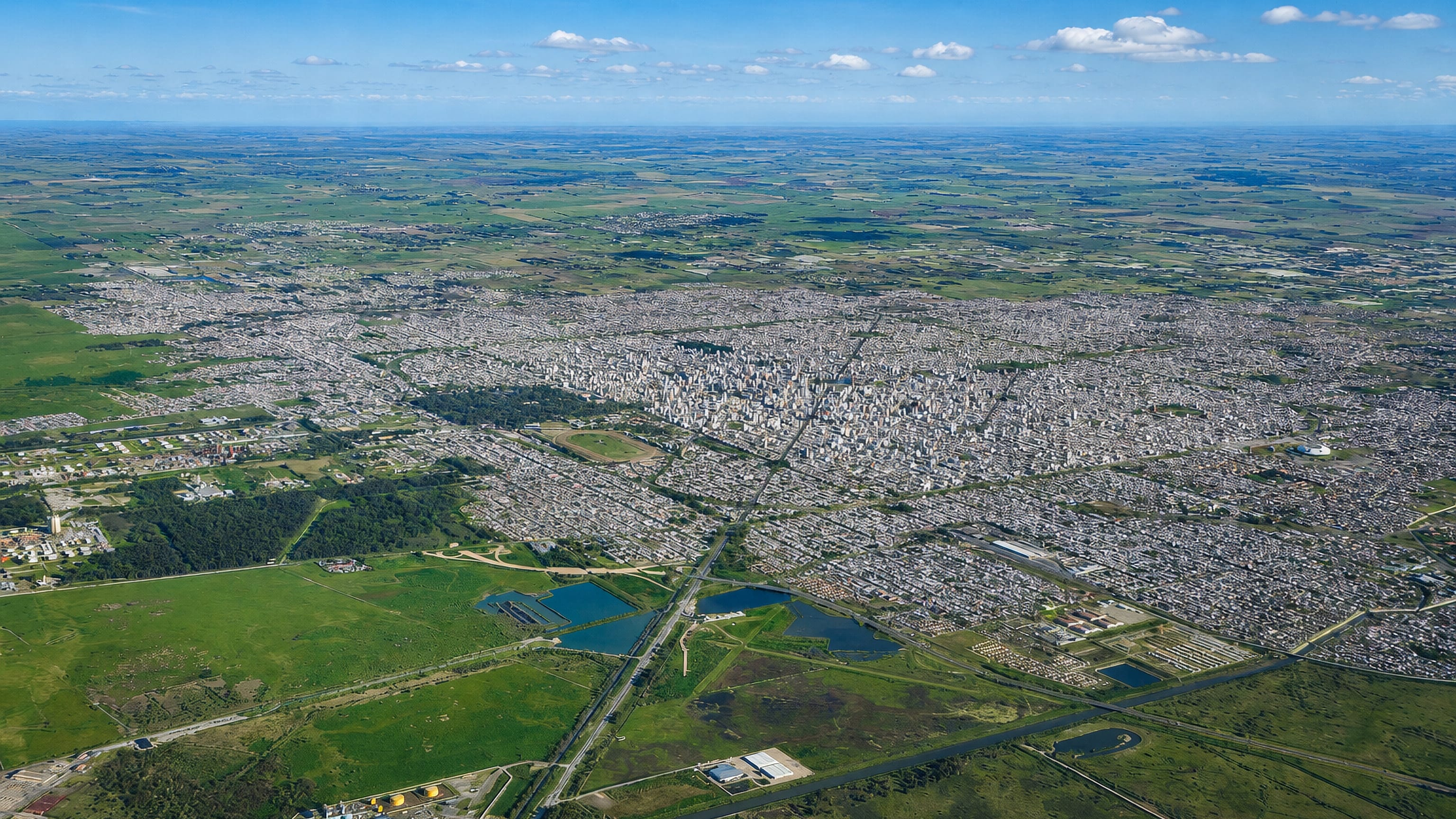
Buenos Aires is Argentina's largest province, wrapping the Pampas around the capital, from the Río de la Plata to the Atlantic beaches at Mar del Plata.
Hotel links are affiliate links: booking through them may earn us a commission, at no extra cost to you. It never affects how places are ranked. How this works


Towns & cities in Buenos Aires
Pick a town or city — each links to where to stay.
 Argentina
Mar del Plata
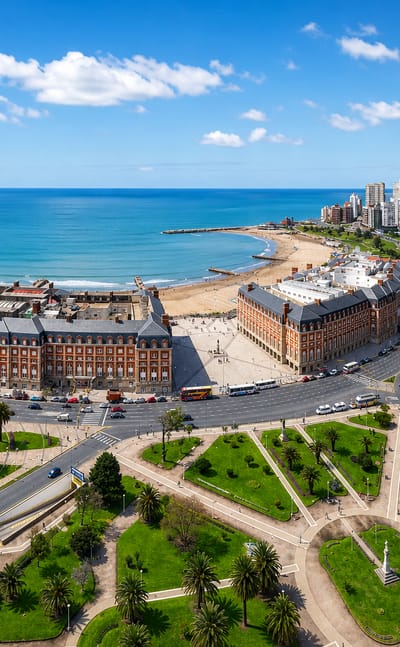
Waves break along the beaches of Mar del Plata, a resort and fishing port on the Atlantic coast of Buenos Aires Province, known for its harbour sea lions.Where to stay →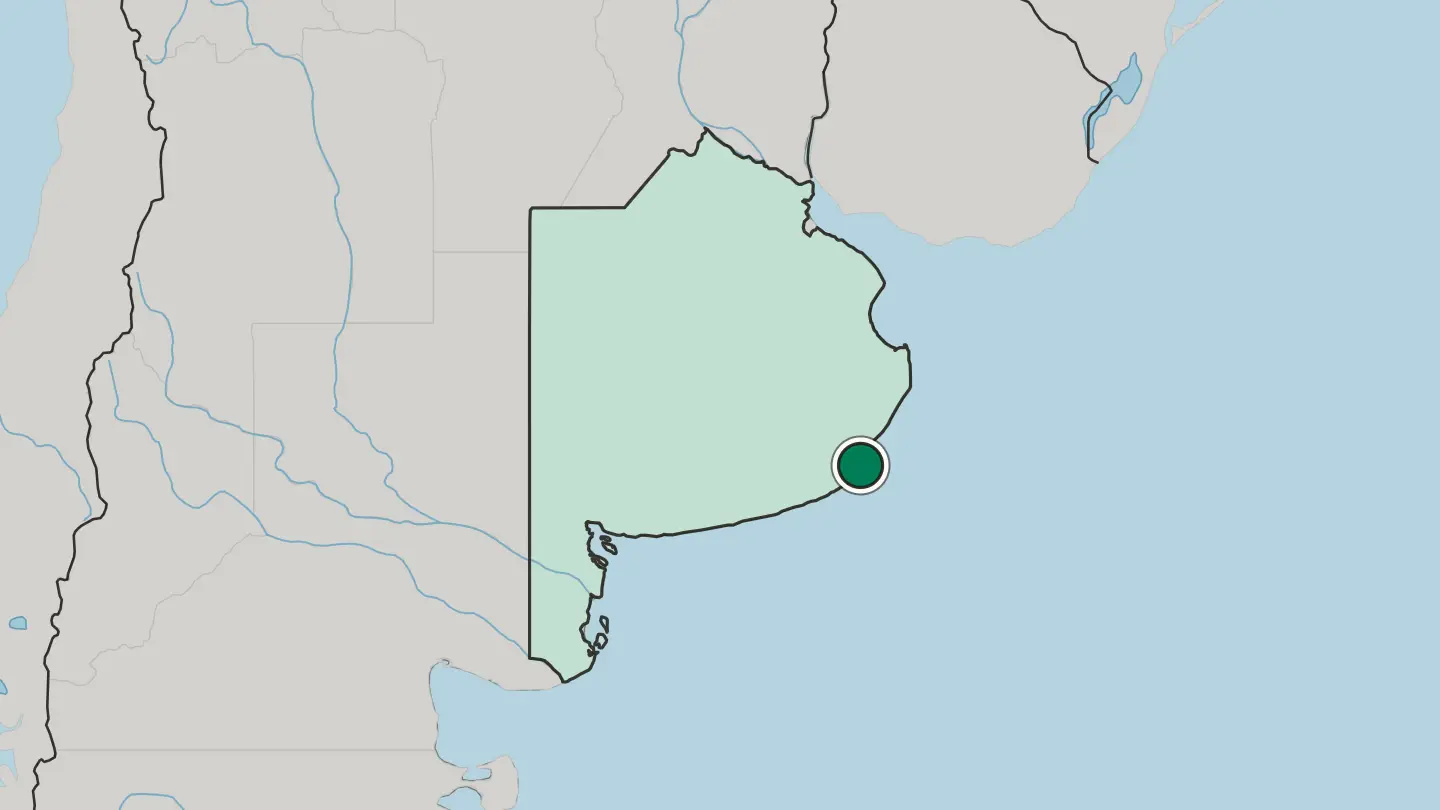
 Argentina
Bahía Blanca
Bahía Blanca is a city of southern Argentina, a great port and grain town at the edge of the pampas, the last large city on the road south to Patagonia.Where to stay →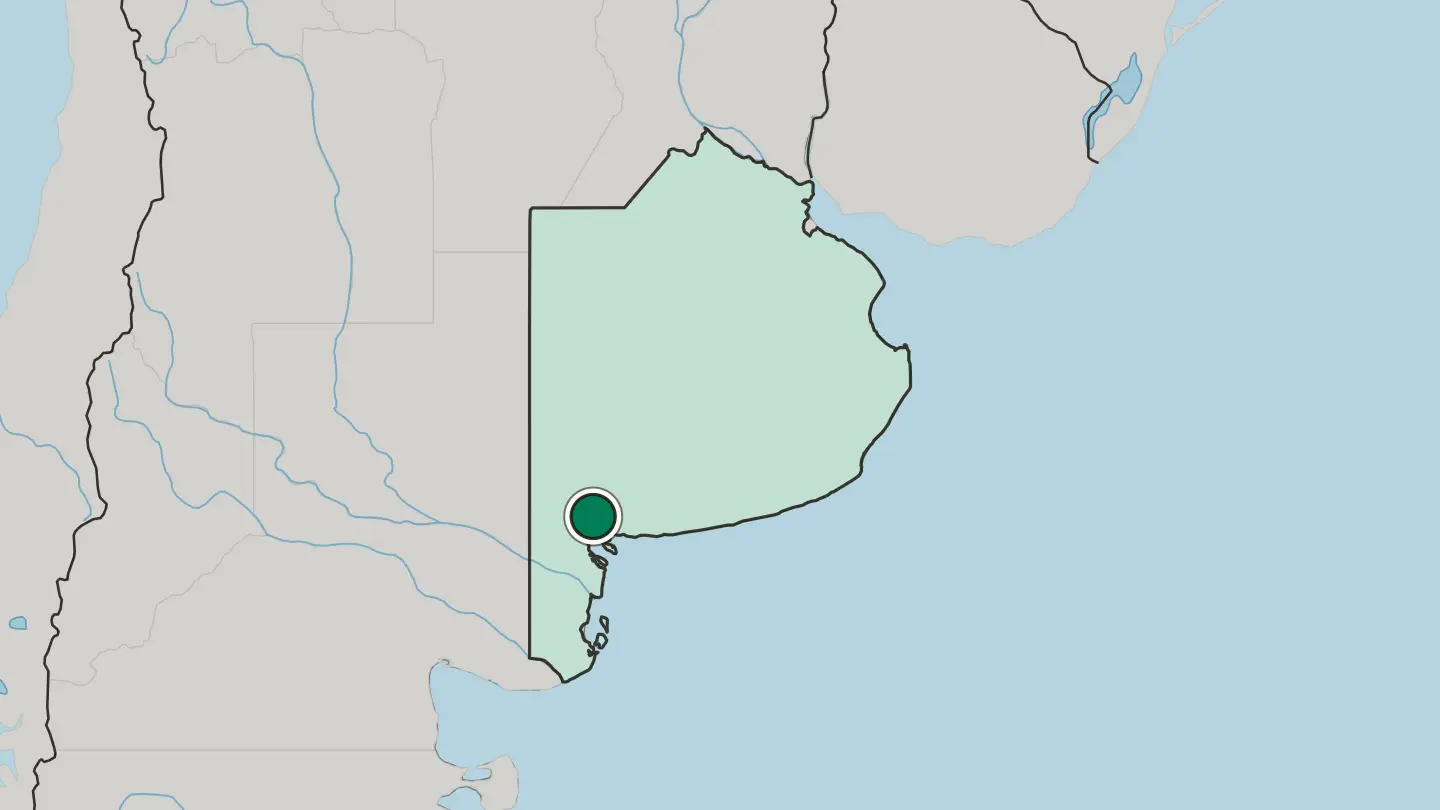 Argentina
Merlo
Merlo is the head city of the Merlo Partido, a Greater Buenos Aires municipality founded in 1755 and still run from its own municipal seat.Where to stay →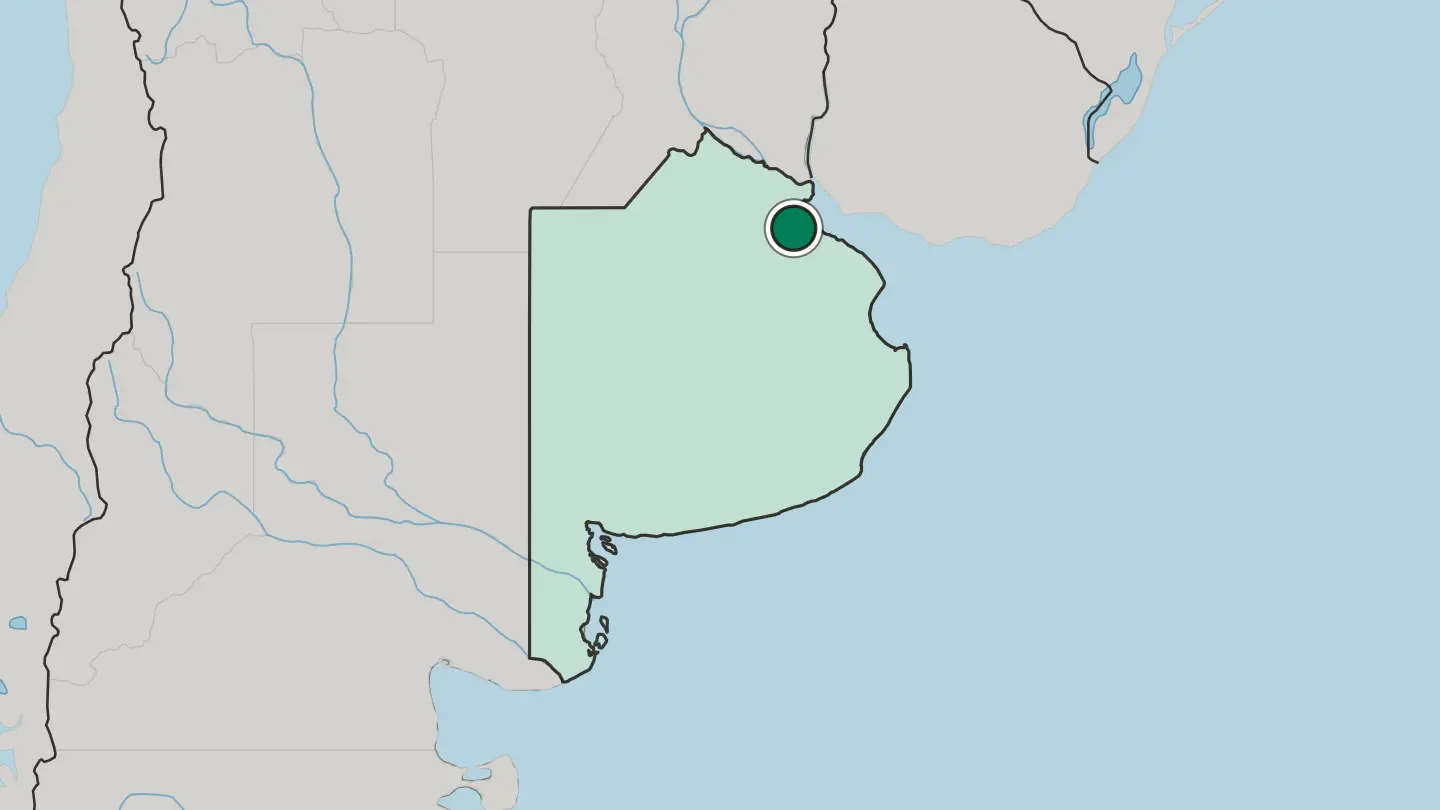
 Argentina
Quilmes
Quilmes stands on the Río de la Plata at the southeast end of Greater Buenos Aires, founded in 1666 and seat of its own partido.Where to stay →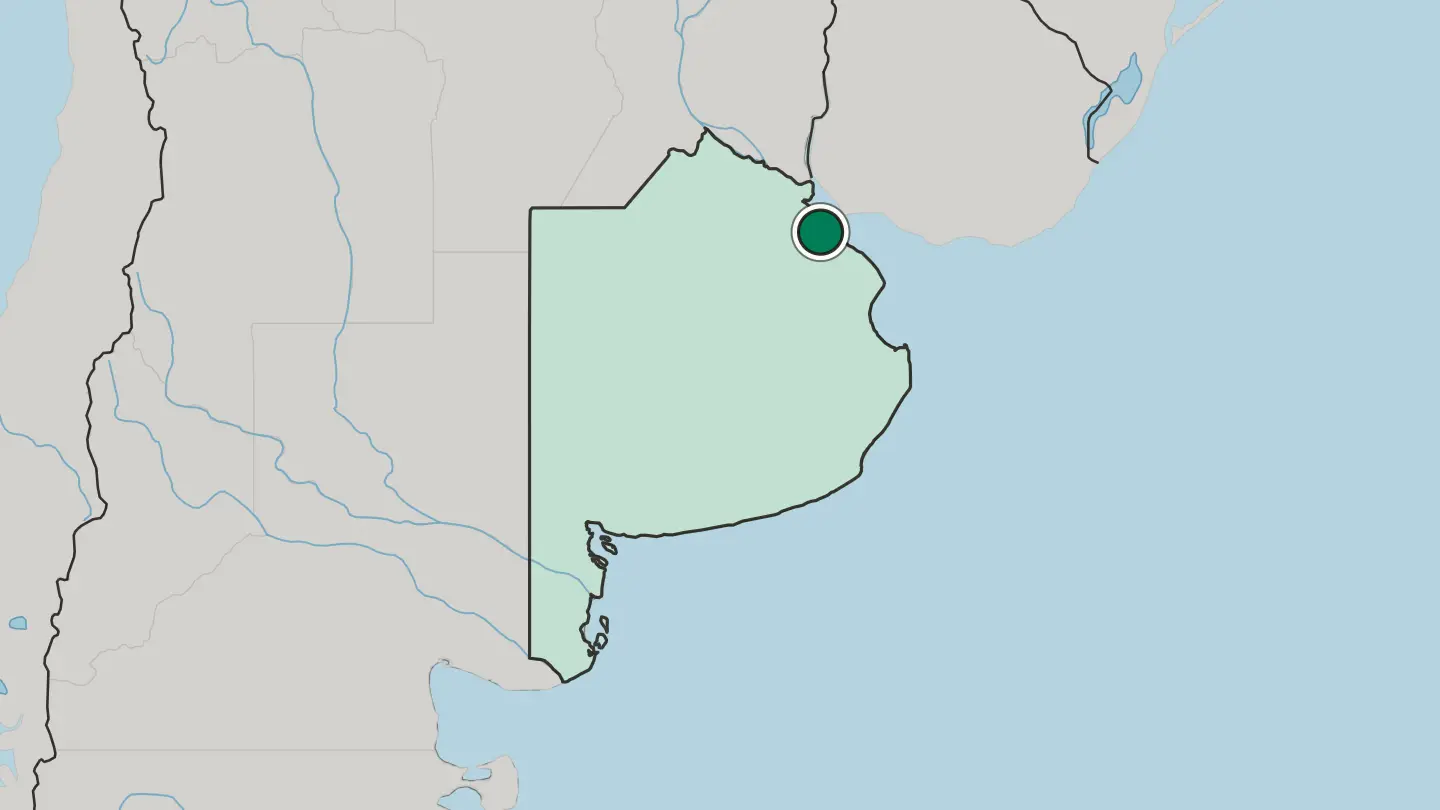
 Argentina
La Plata
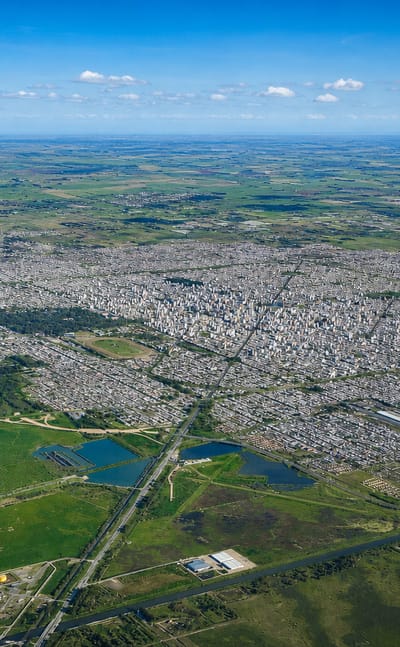
Wide diagonals cut across a perfect grid at La Plata, the capital of Buenos Aires province, known for its Neo-Gothic Cathedral and the museums of the UNLP.Where to stay →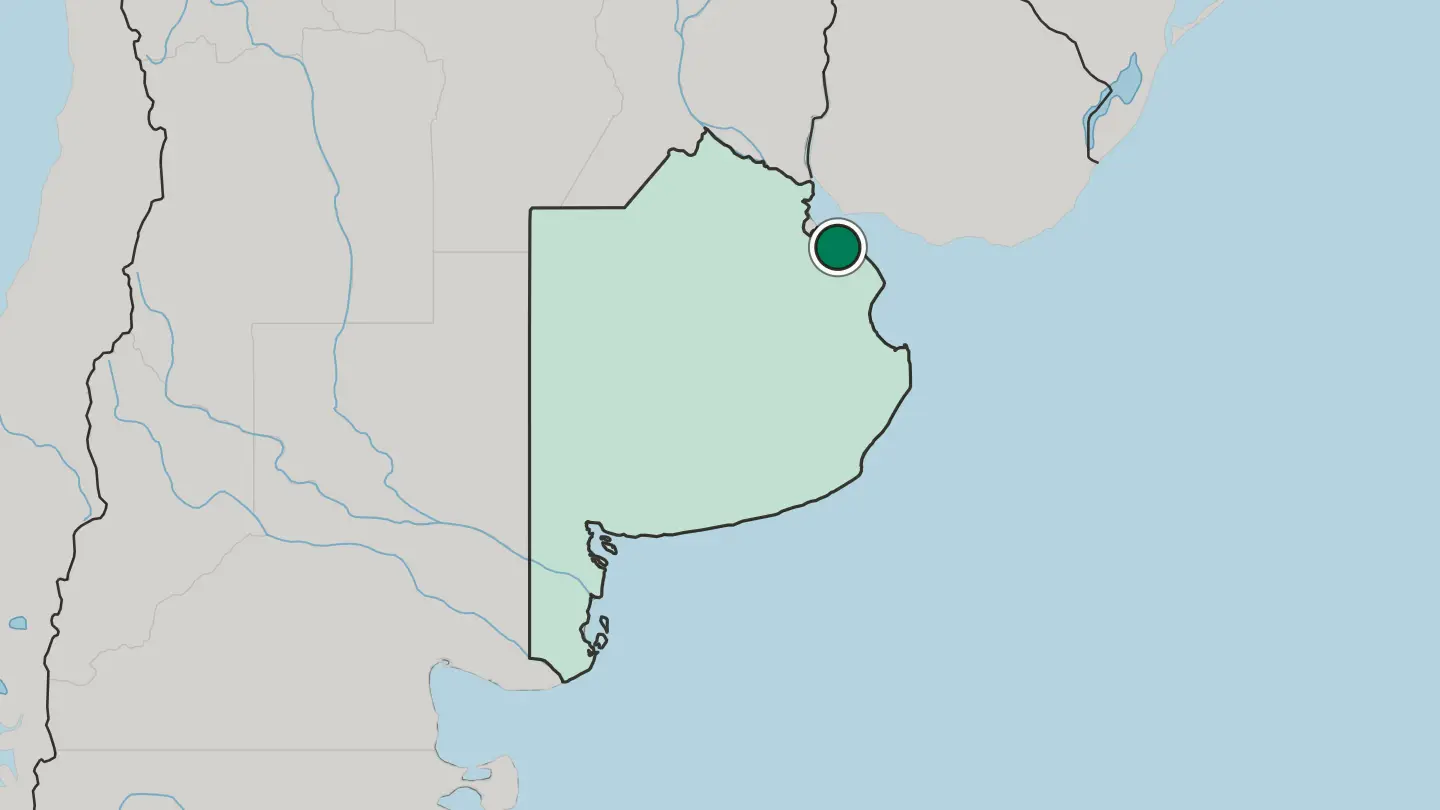
 Argentina
San Miguel
San Miguel, seat of San Miguel Partido, stands 30 kilometres out from the City of Buenos Aires and dates its founding to 1864.Where to stay →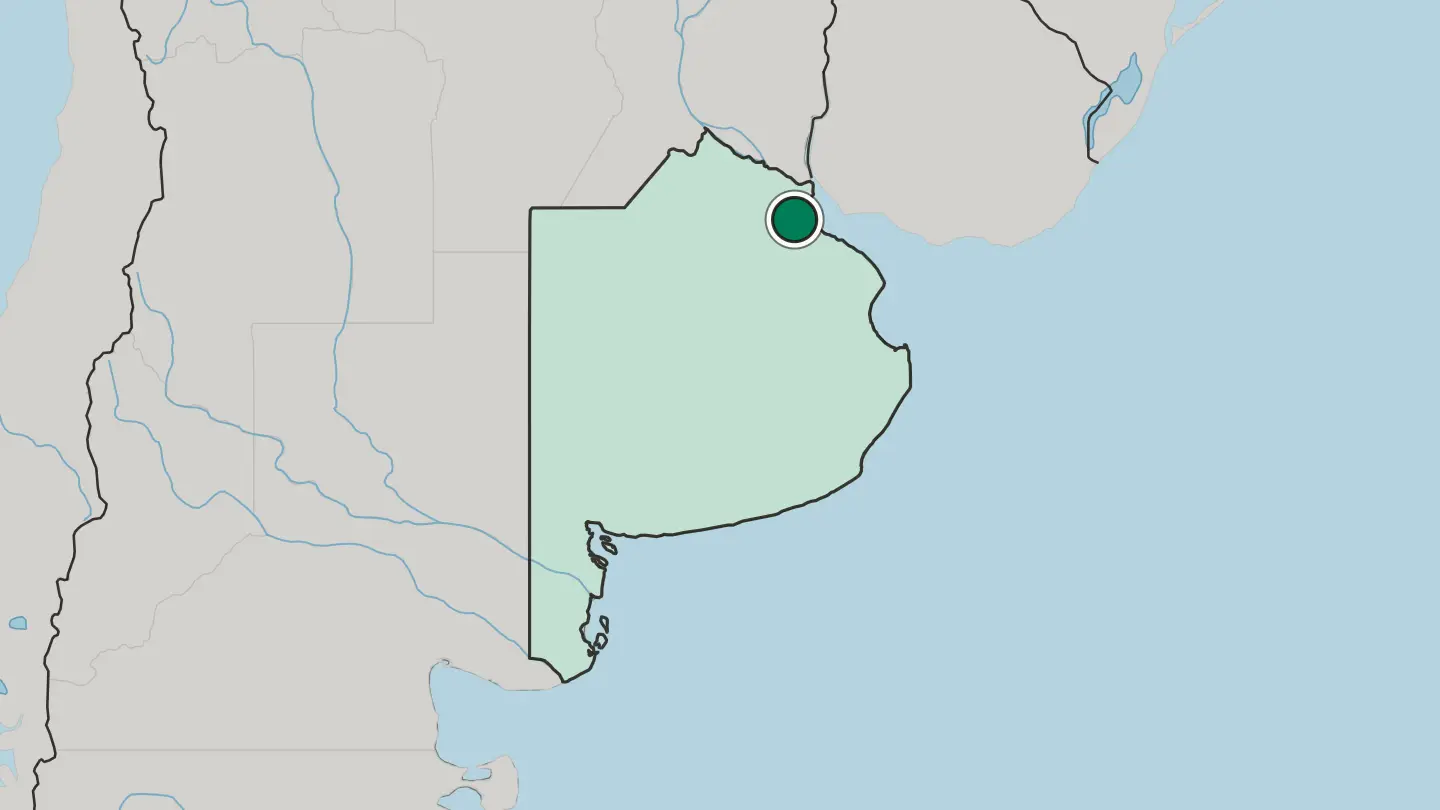
 Argentina
San Nicolás de los Arroyos
San Nicolás de los Arroyos stands on the western shore of the Paraná River in Buenos Aires province, and is also called Ciudad de María.Where to stay →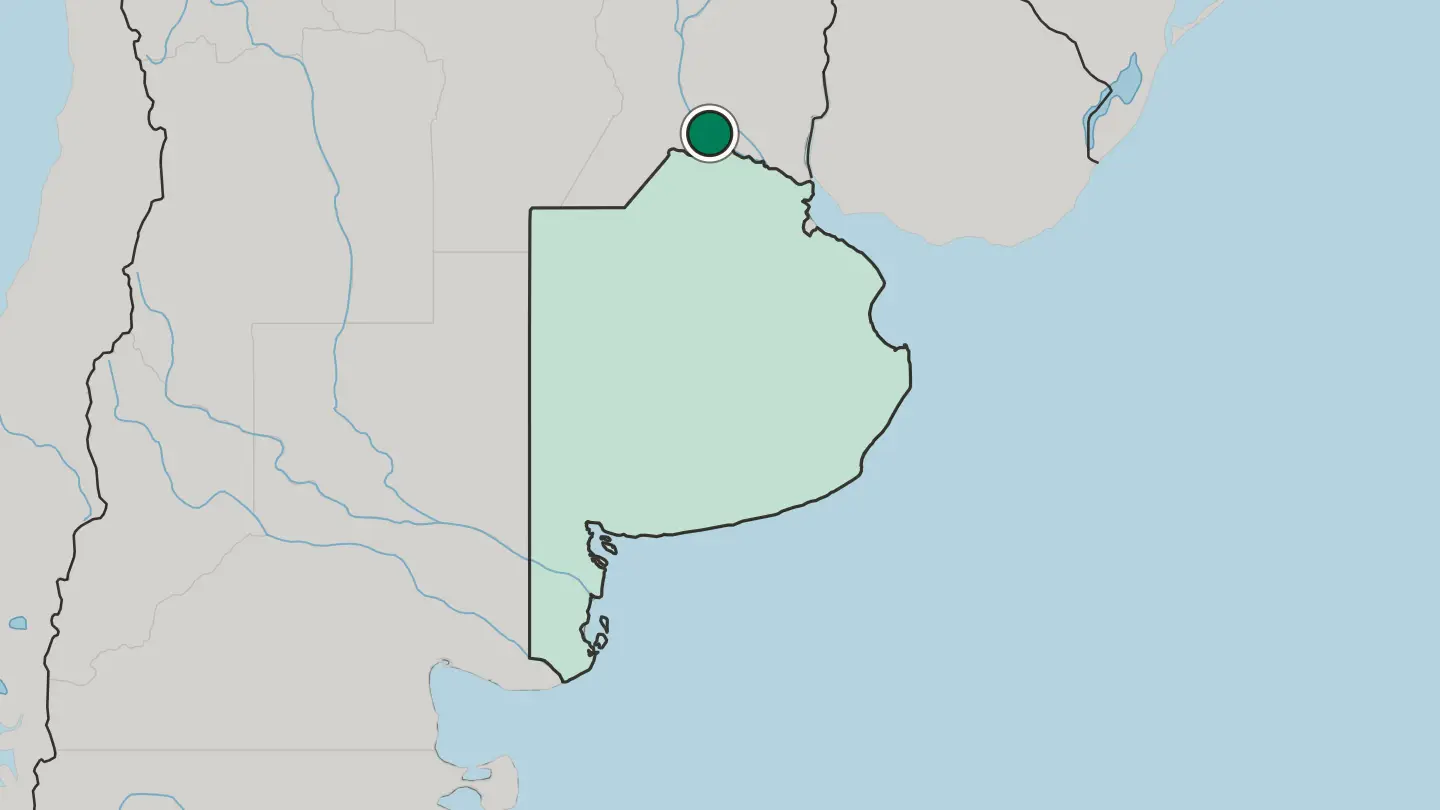
 Argentina
Tandil
Tandil is a hill town of the Buenos Aires pampa in Argentina, a city among ancient granite sierras, famous for its balancing rock and its cured meats.Where to stay →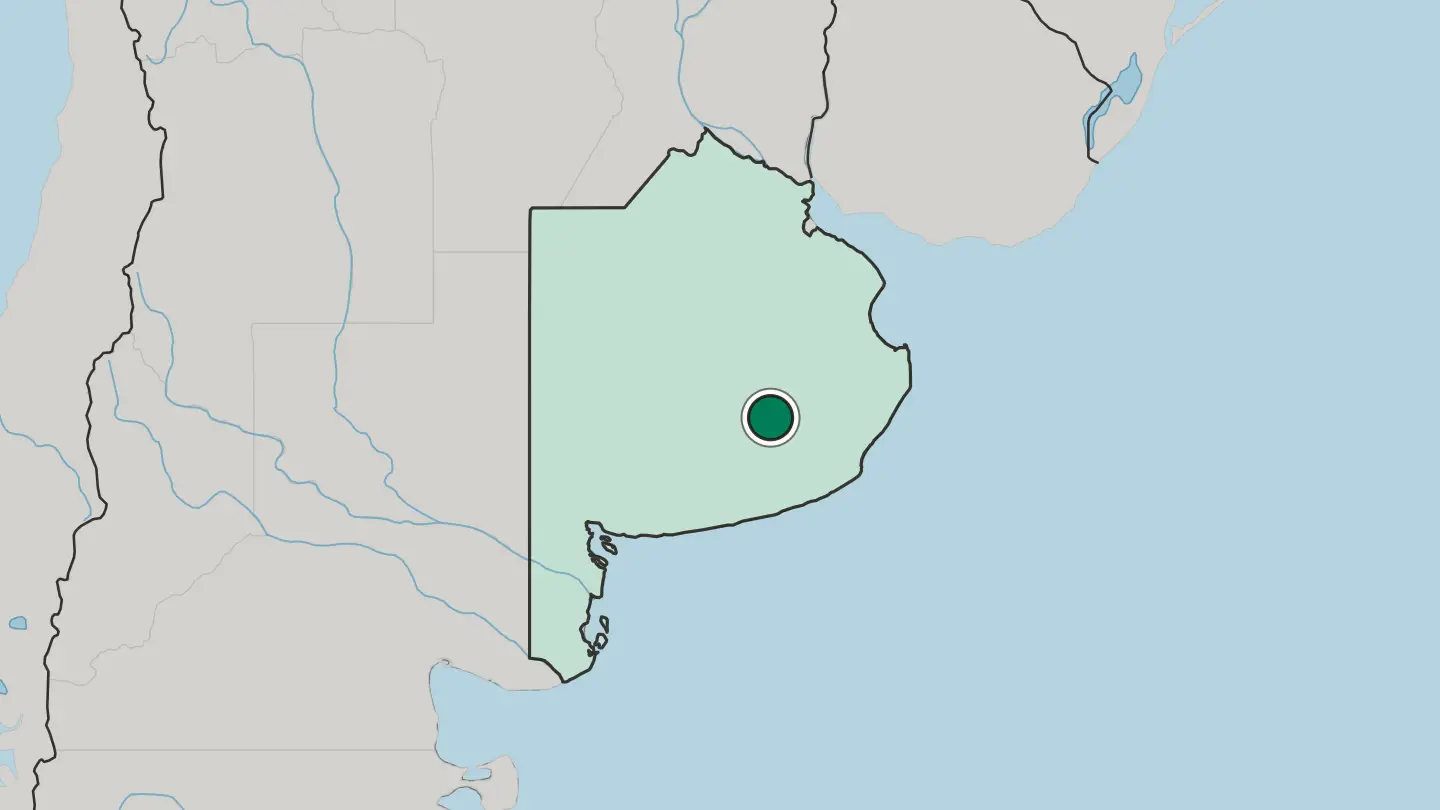
All towns & cities (22)
Argentina
Ezeiza
Ezeiza is the capital of the Ezeiza Partido in Greater Buenos Aires, the town wrapped around Aeropuerto Ministro Pistarini.Where to stay →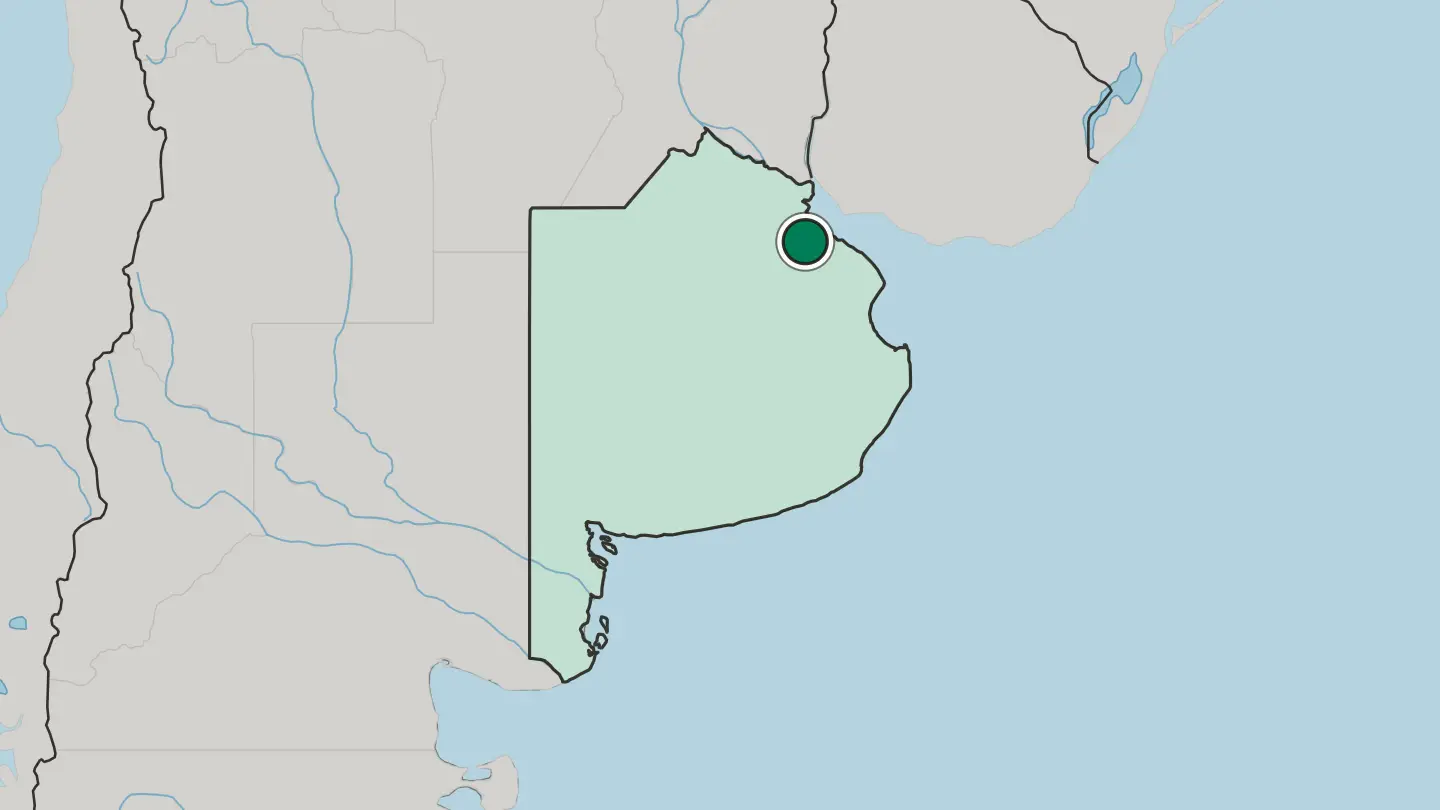
 Argentina
Lomas de Zamora
Lomas de Zamora, founded in 1864, is the capital of Lomas de Zamora Partido, a city of Greater Buenos Aires south of the City of Buenos Aires.Where to stay →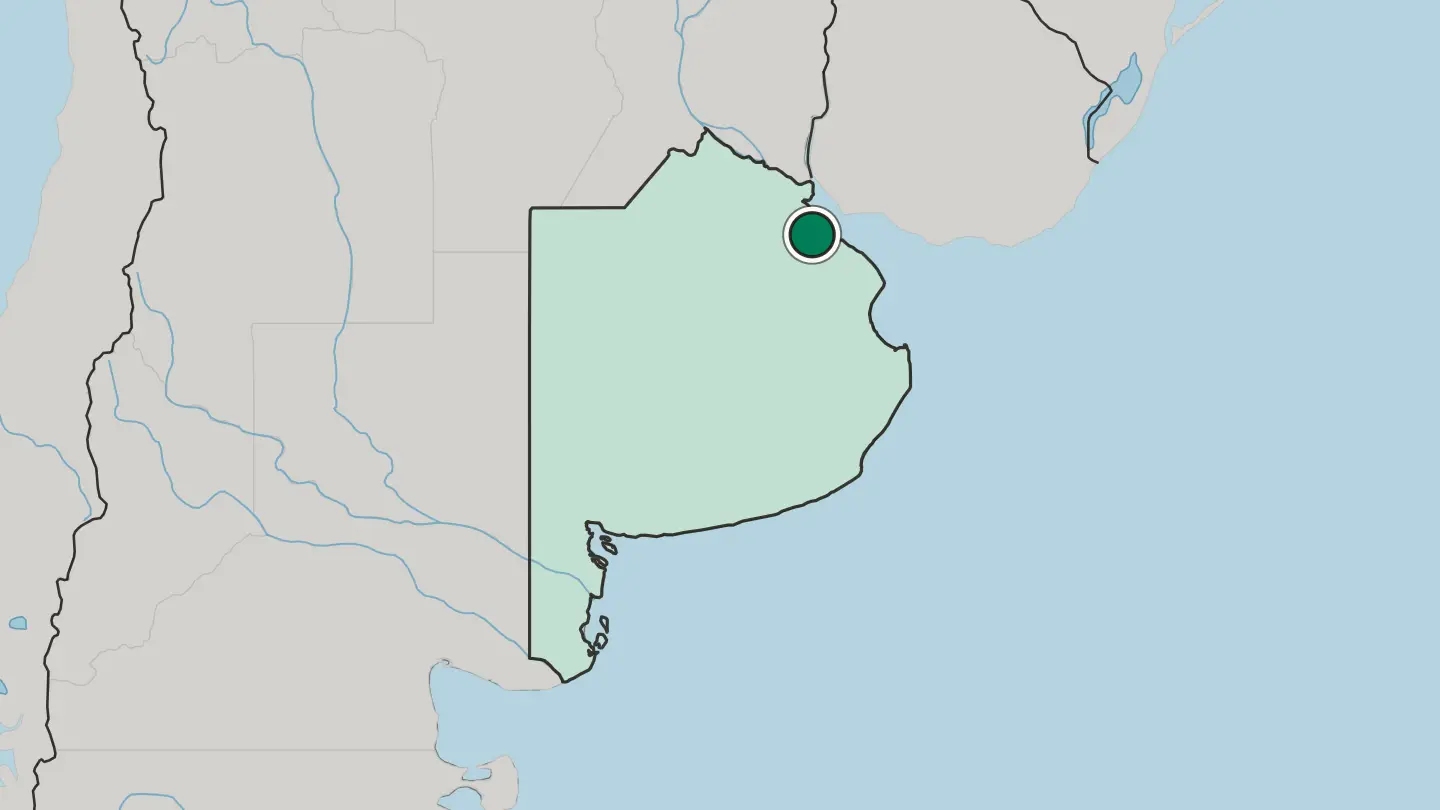 Argentina
San Justo
San Justo is the seat of La Matanza Partido in Buenos Aires Province, Argentina, a city on the record since 1856.Where to stay →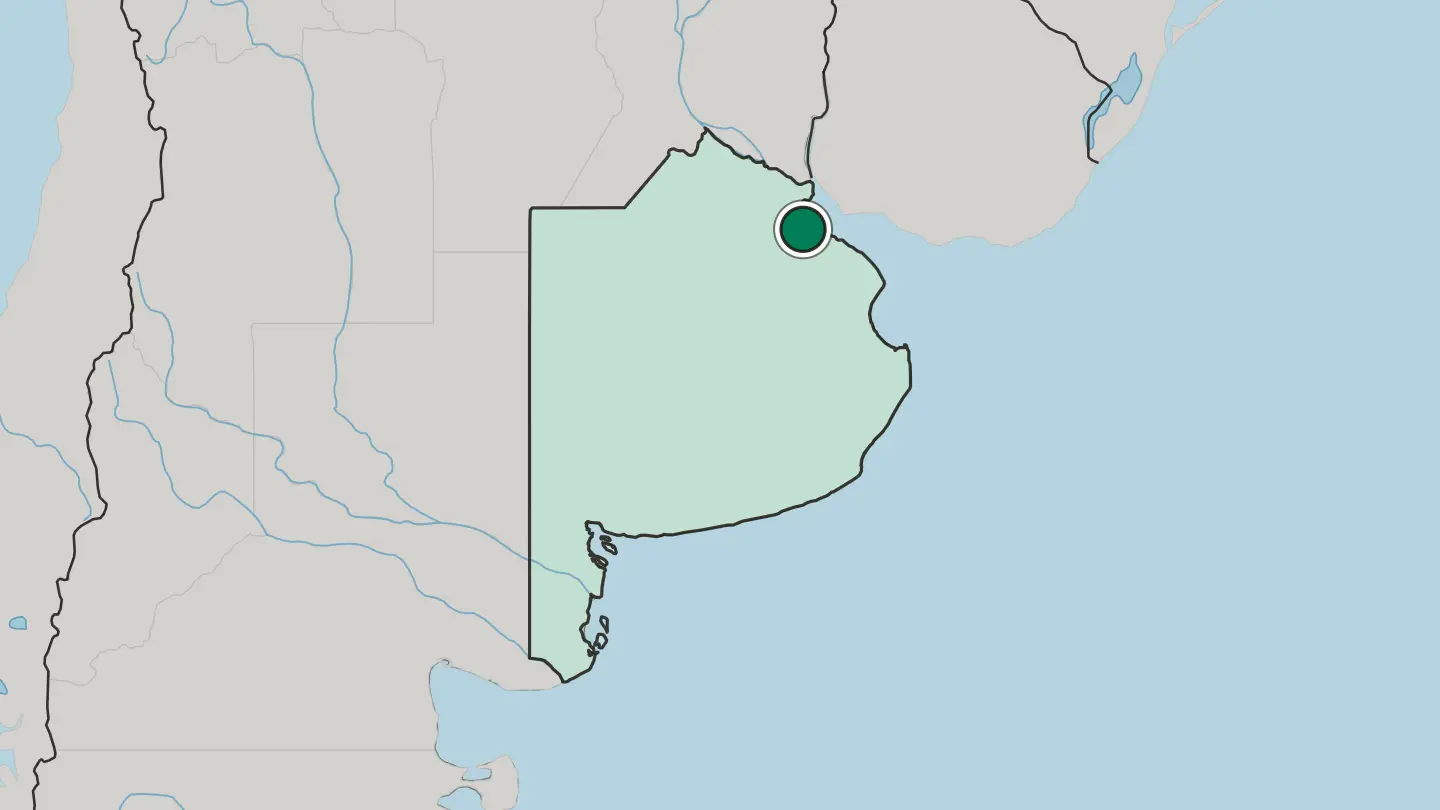 Argentina
Morón
Morón is the capital of the Morón partido, a Greater Buenos Aires city served by the Sarmiento railway line and by Avenida Rivadavia.Where to stay →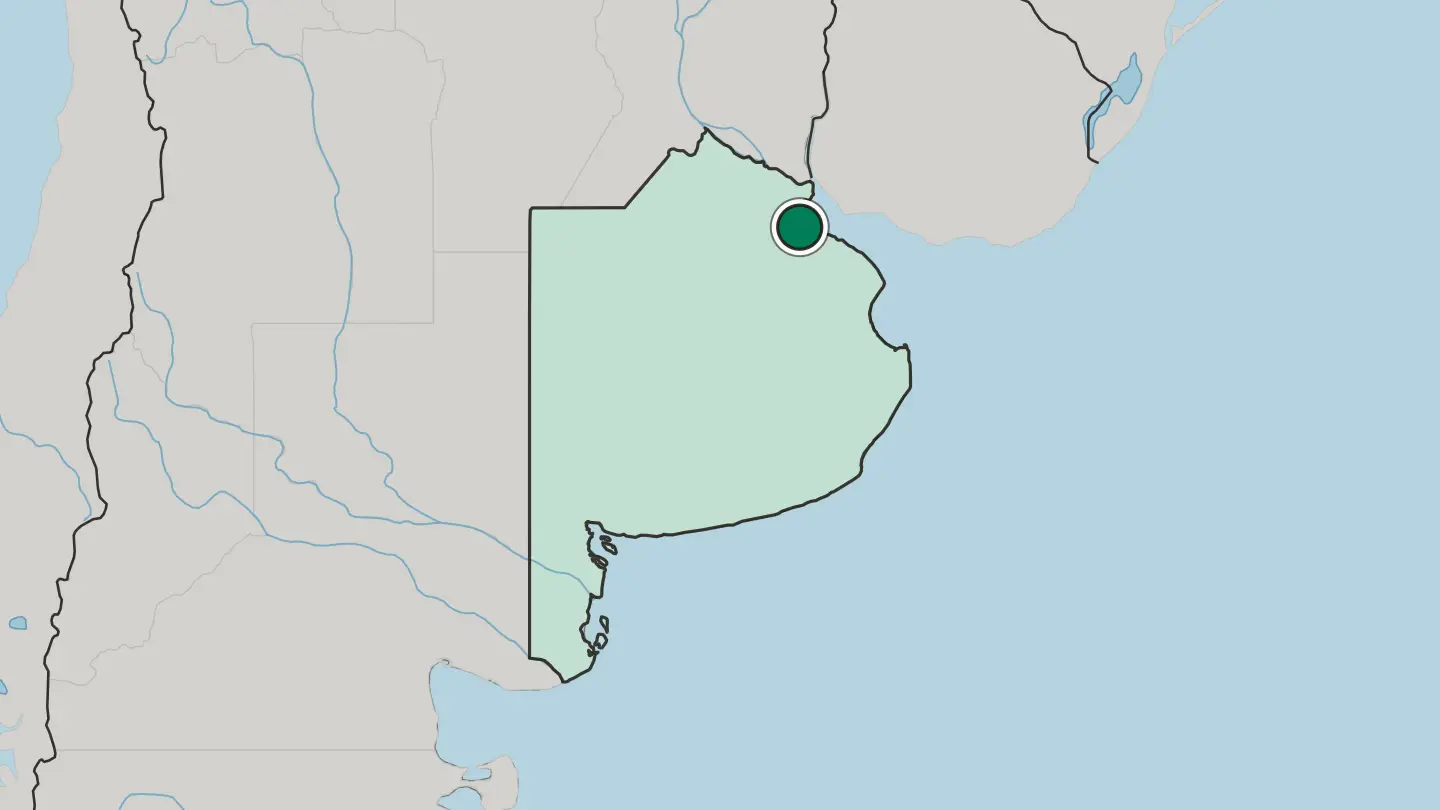 Argentina
Zárate
Zárate is the administrative capital of Zárate Partido, an industrial city founded in 1854 on the right bank of the Paraná River.Where to stay →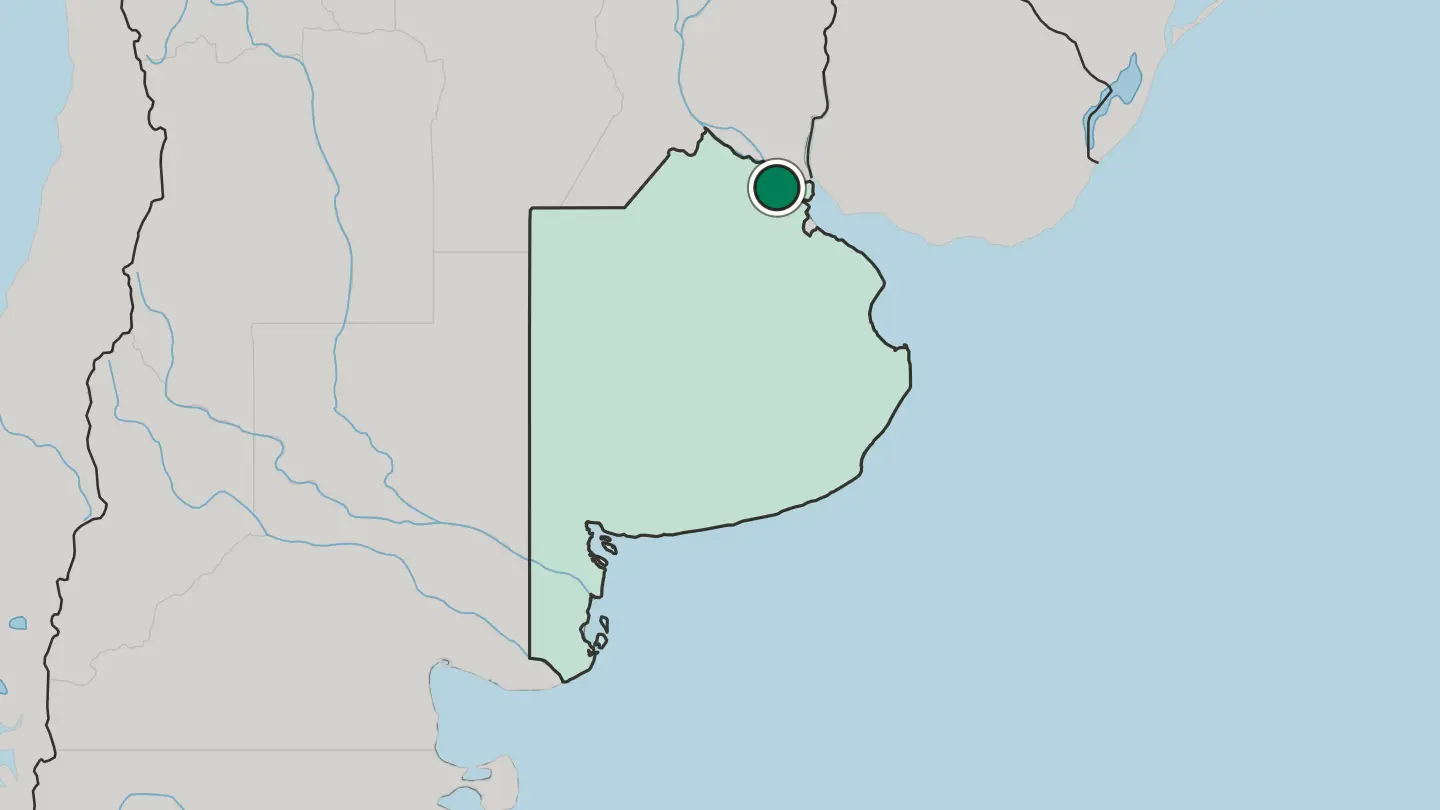
 Argentina
Luján
Luján is a city of Buenos Aires province in Argentina, grown around the Basilica of Our Lady of Luján and the Virgen de Luján.Where to stay →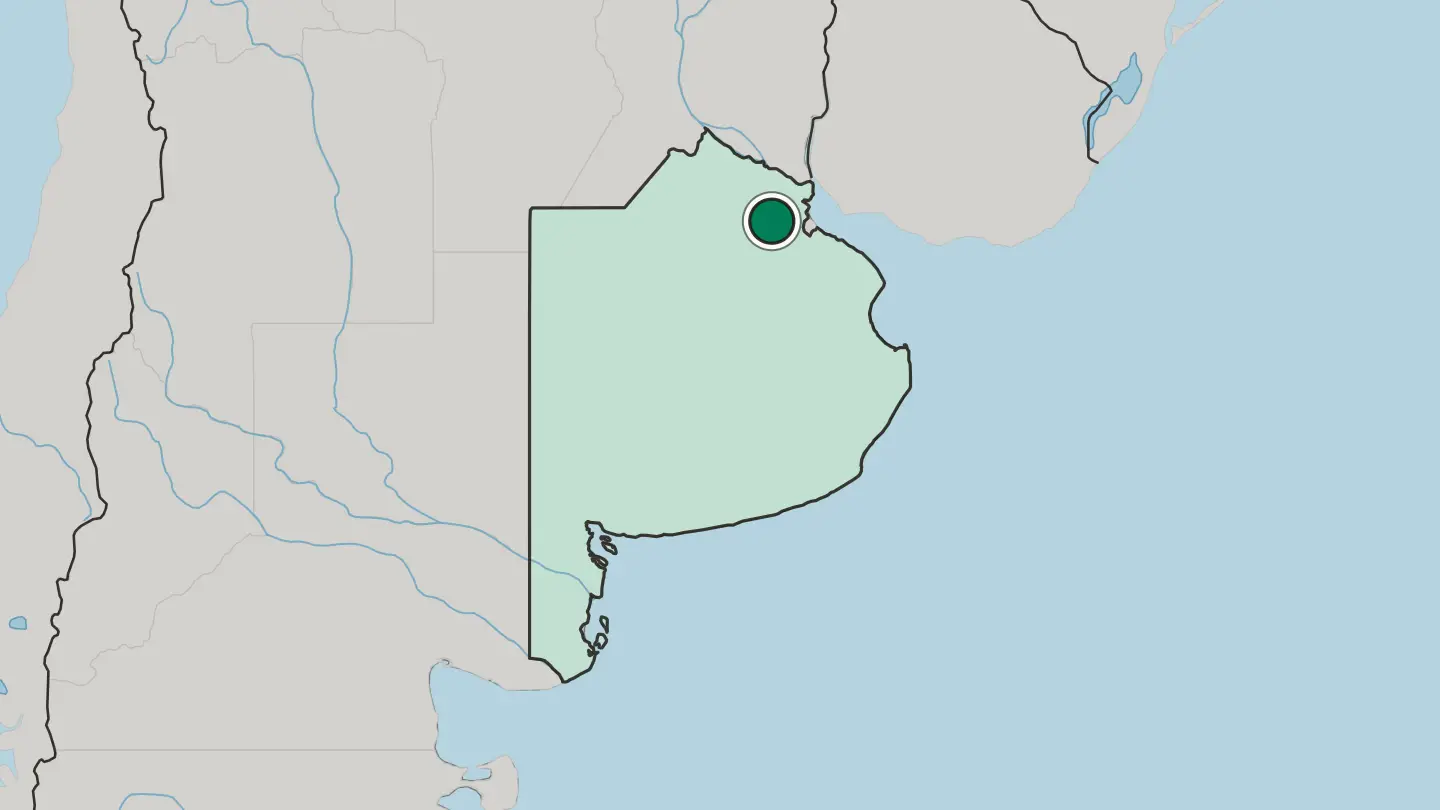
 Argentina
Pergamino
Pergamino is a farming city of Buenos Aires Province in Argentina, seat of Pergamino Partido and site of an INTA agricultural experiment station.Where to stay →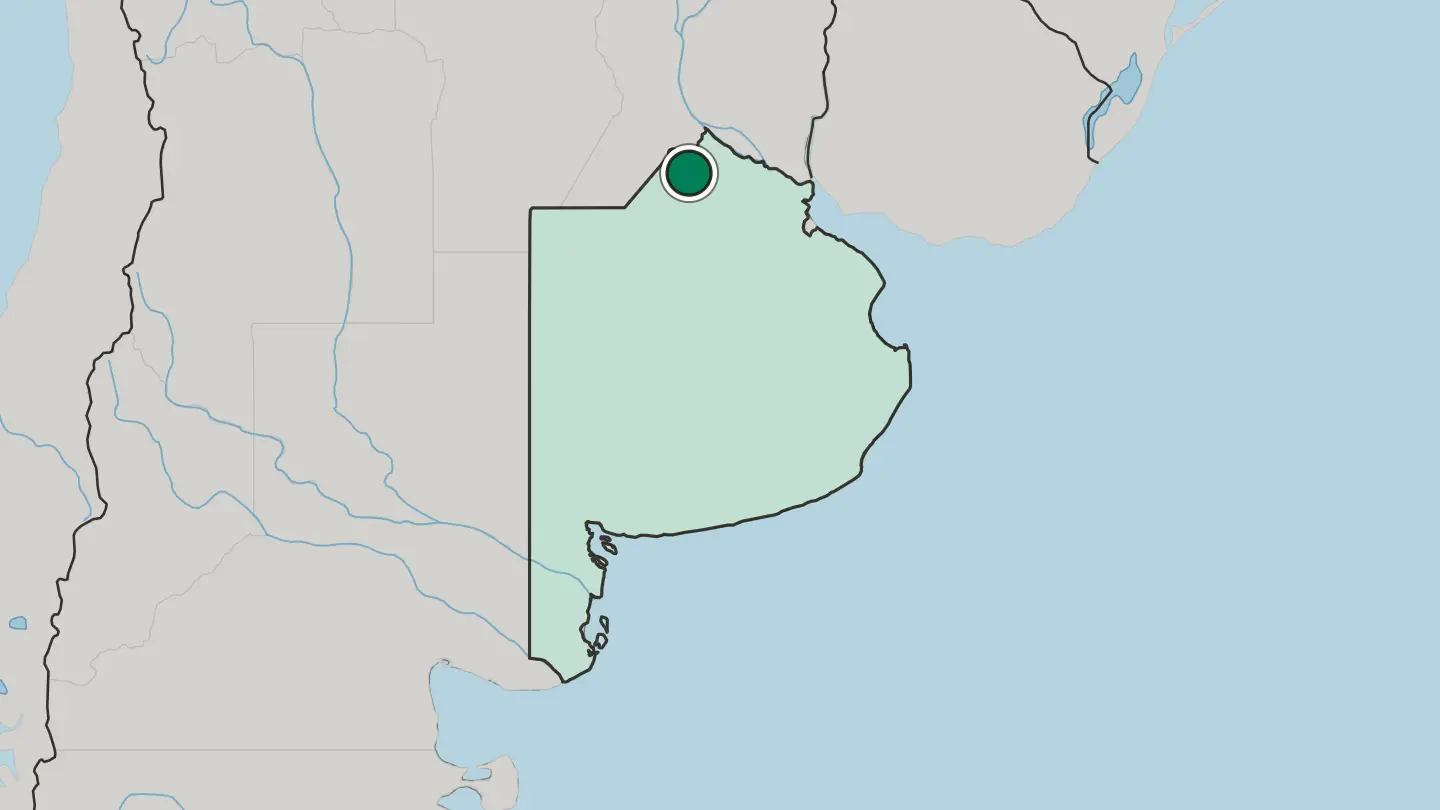 Argentina
Olavarría
Olavarría is the administrative seat of the Olavarría Partido, a city of the province of Buenos Aires founded in 1867.Where to stay →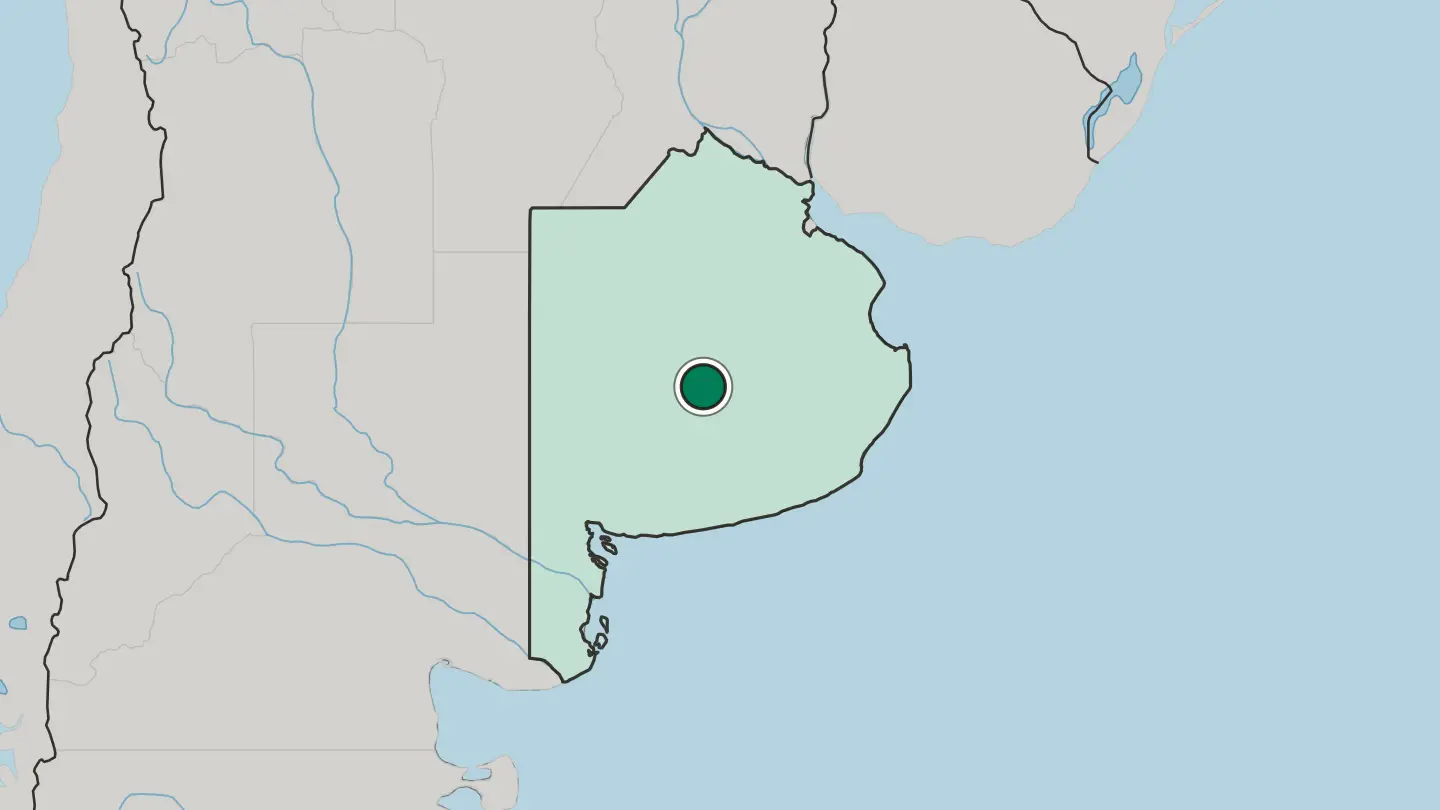 Argentina
Junín
Junín is a city of the province of Buenos Aires, with two museums, two churches and the Monumento a Leandro L. Alem on its landmark register.Where to stay →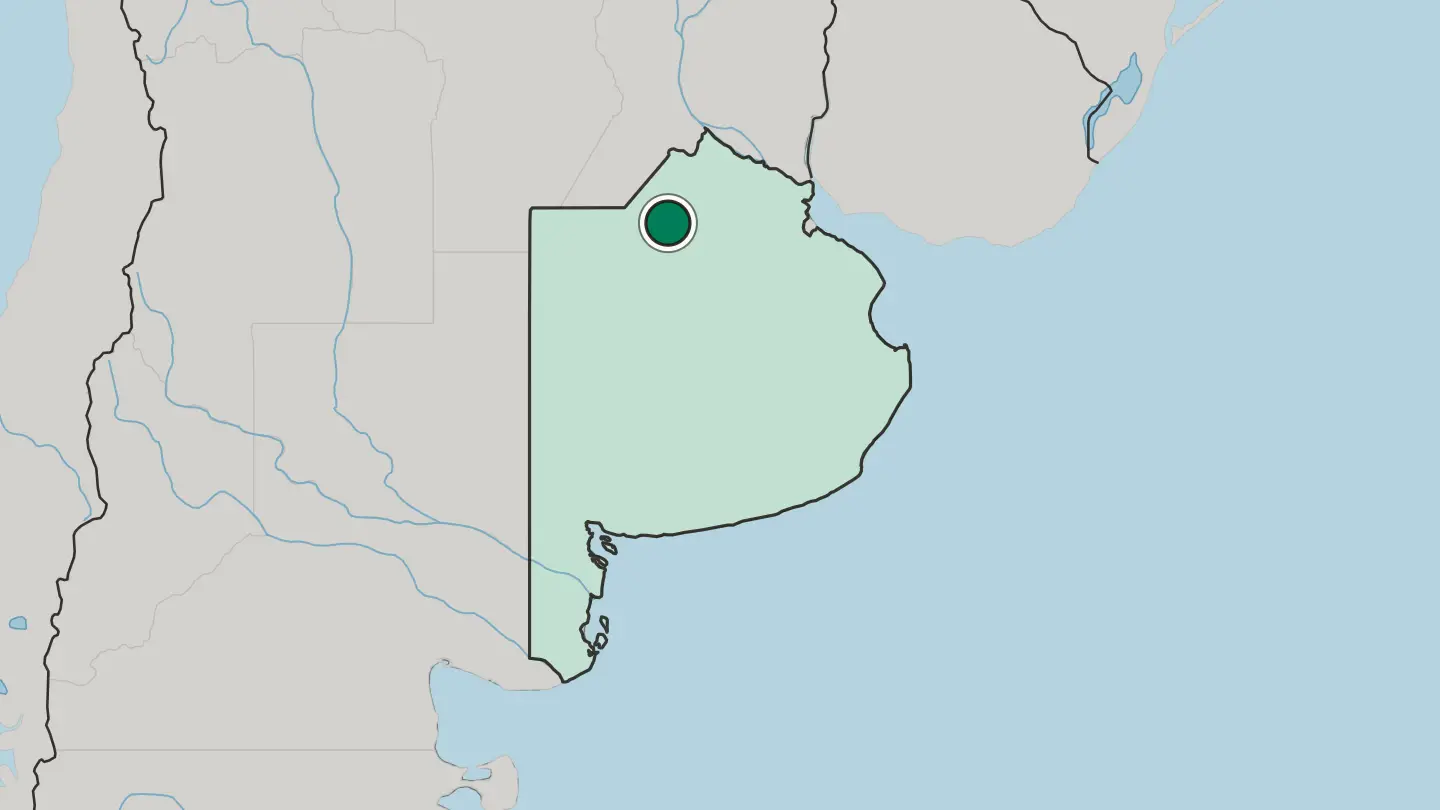
 Argentina
Pilar
Pilar is the seat of the Pilar Partido, a Greater Buenos Aires city that takes its name from the Iglesia Nuestra Señora del Pilar.Where to stay →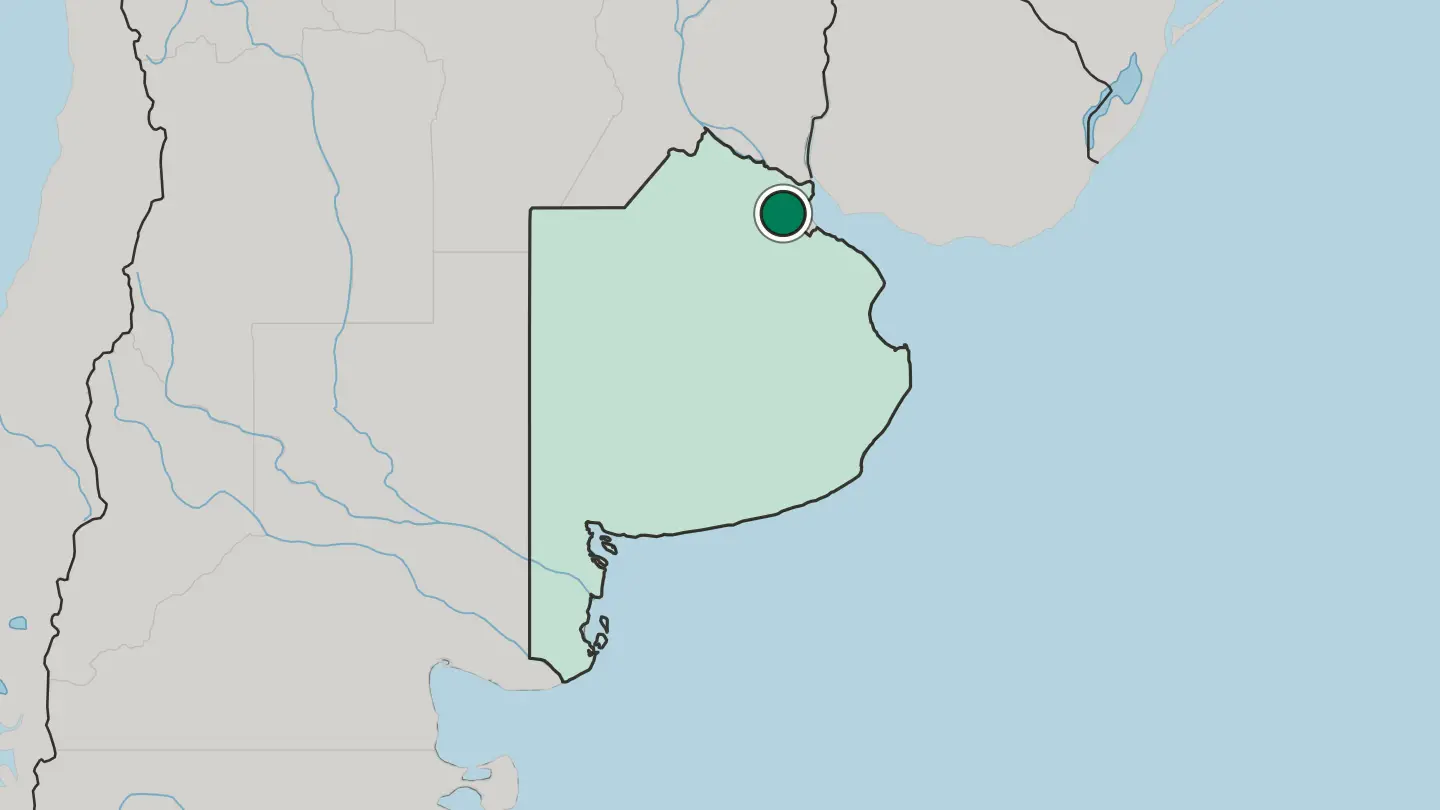
 Argentina
Necochea
Necochea is a port and beach city of Buenos Aires Province in Argentina, standing where the Quequén Grande River reaches the Atlantic.Where to stay →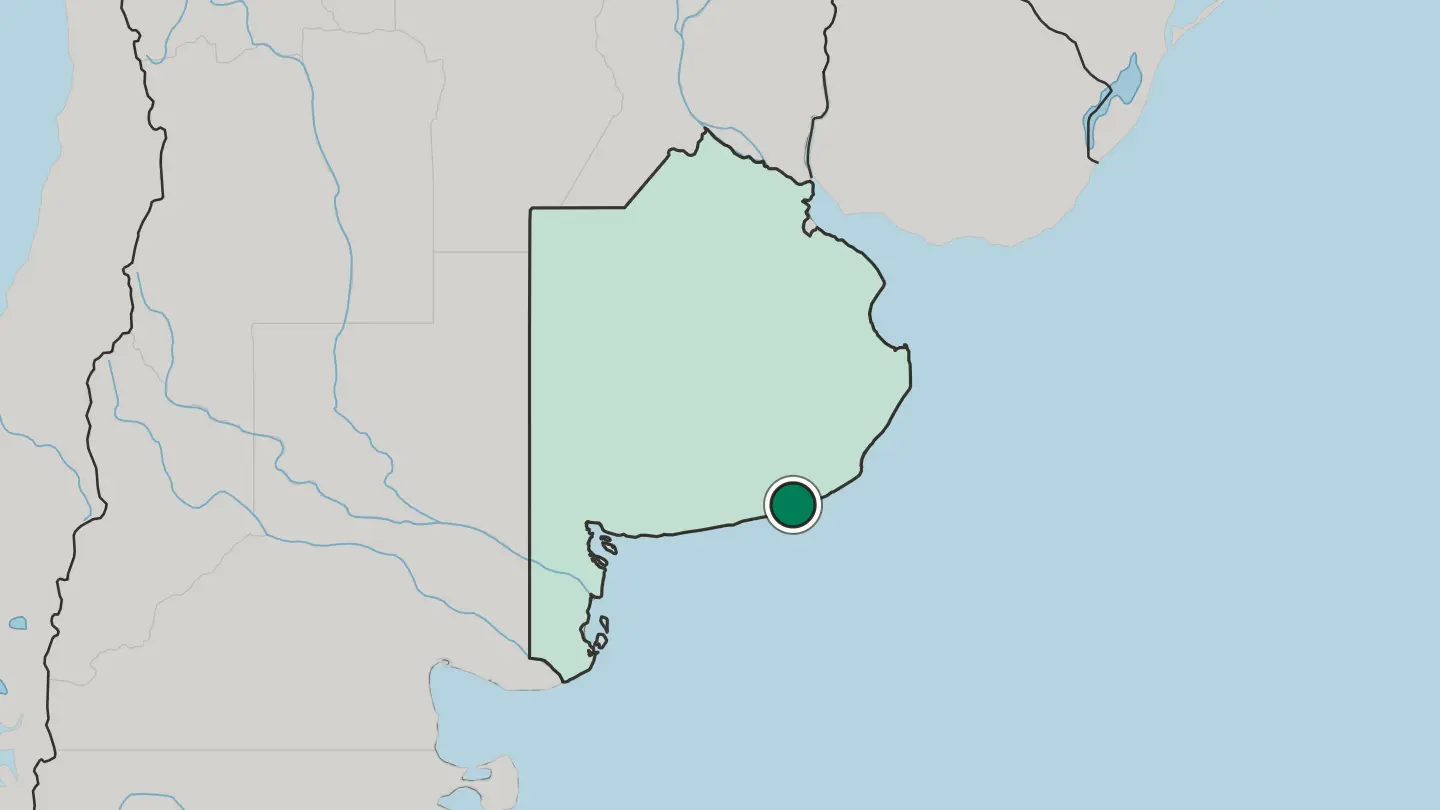 Argentina
Mercedes
Mercedes lies west of Buenos Aires in Argentina, seat of the Catedral Basílica de Mercedes-Luján and head of its own partido and judicial district.Where to stay →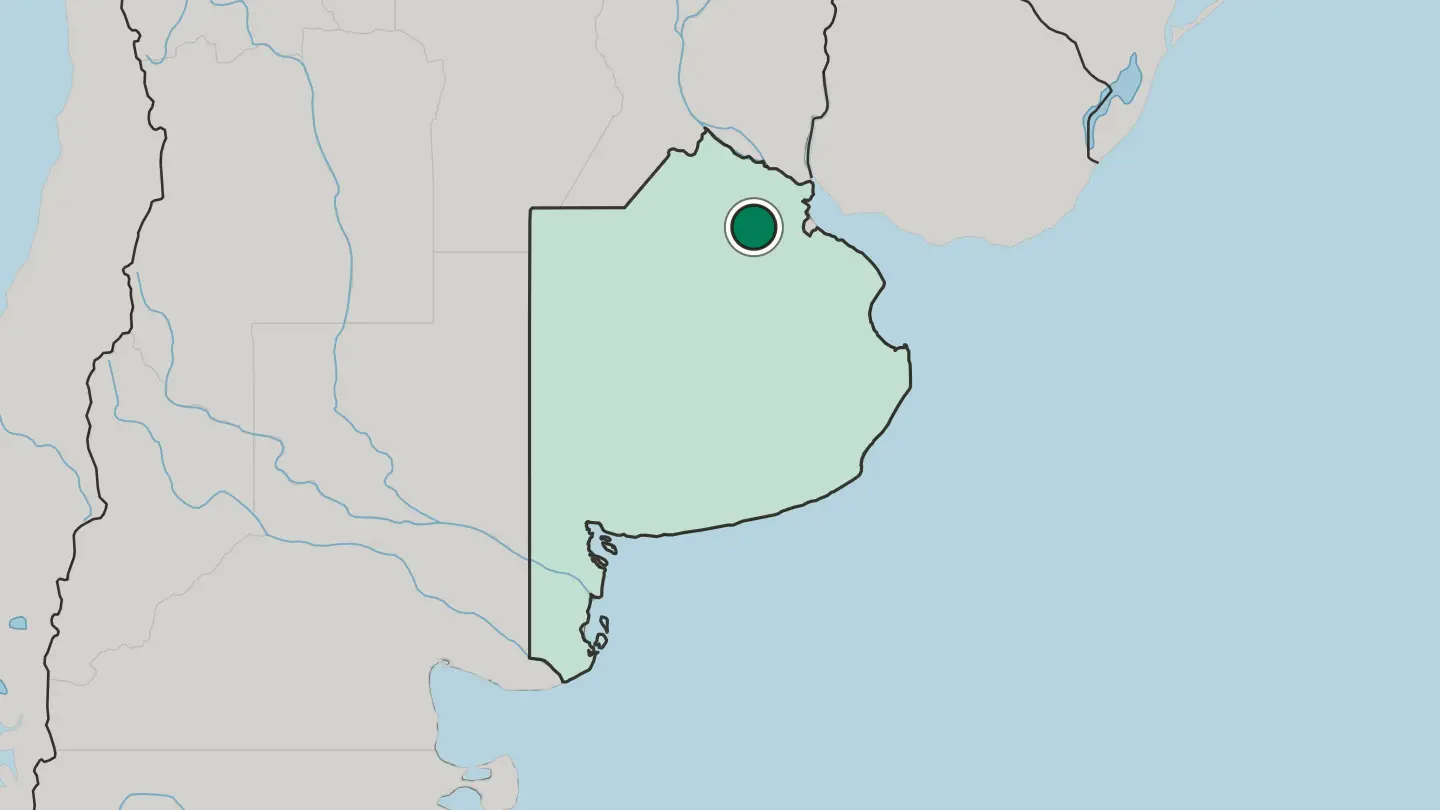 Argentina
Chivilcoy
Chivilcoy, founded in 1854, heads the Chivilcoy Partido in Buenos Aires Province, Argentina, and keeps the Palacio Municipal among its named sites.Where to stay →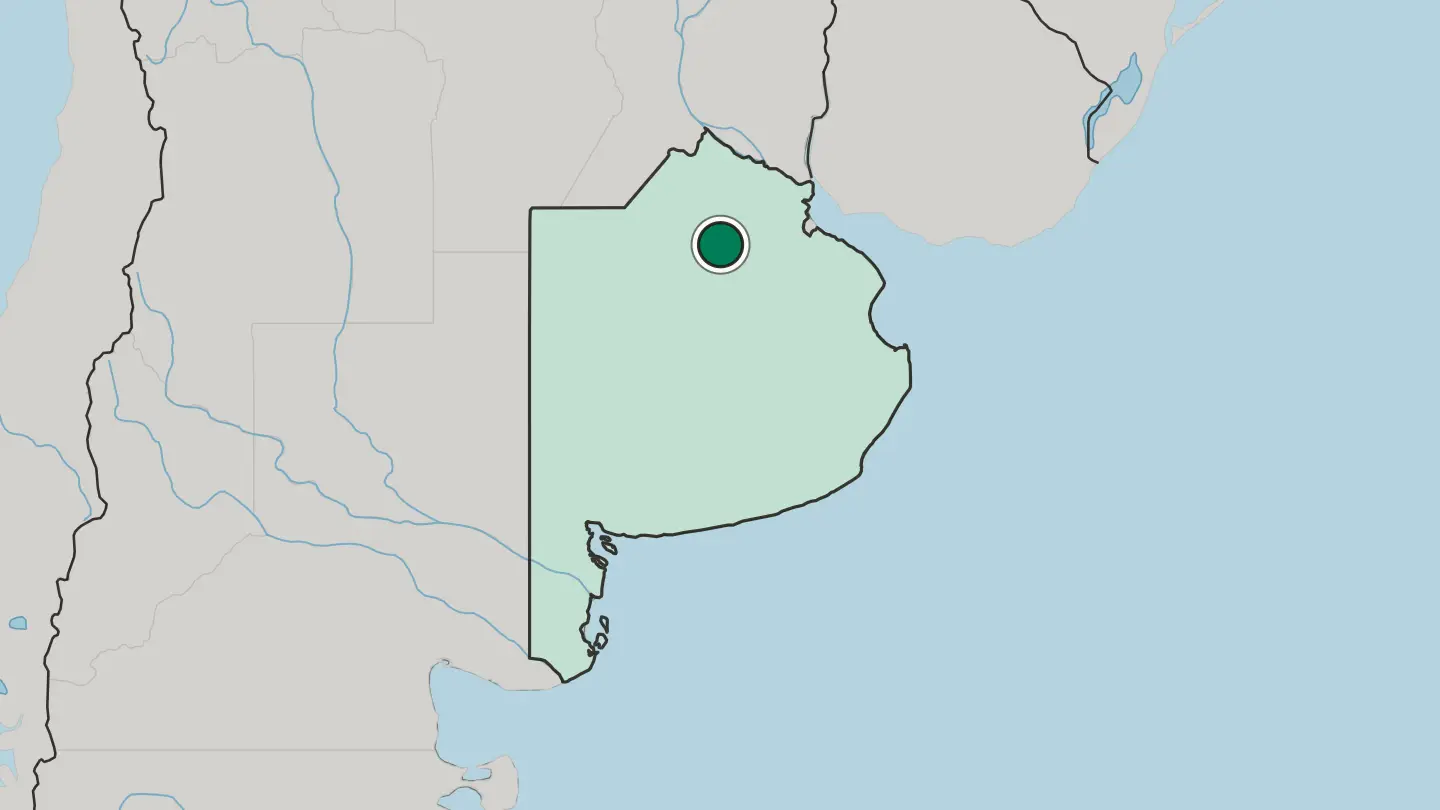
 Argentina
Azul
Azul is the head city of the Azul Partido, founded in 1832 in the centre of Buenos Aires Province, some 300 kilometres south of Buenos Aires.Where to stay →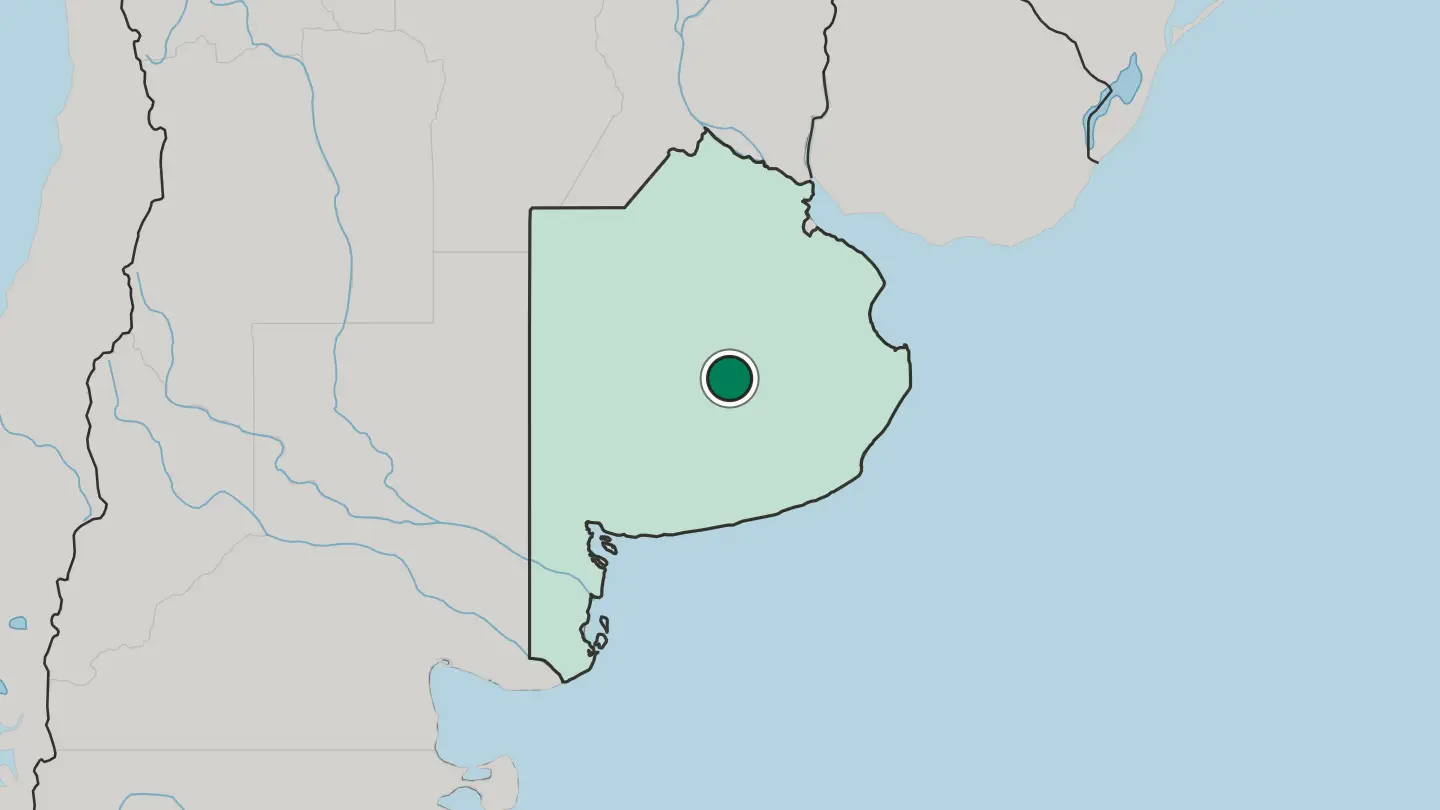
Hotel links are affiliate links: booking through them may earn us a commission, at no extra cost to you. It never affects how places are ranked. How this works
About Buenos Aires
What is Buenos Aires known for?
Buenos Aires is the largest and most populous of Argentina's provinces. It is grassland country. Almost all of it lies within the Pampas, the flat and fertile plain that feeds much of the nation's grain and cattle.
The autonomous City of Buenos Aires sits in its northeast, federalized and administered apart, so the province rings the capital rather than containing it. La Plata serves as the provincial capital instead. Along the eastern edge, the Atlantic coast strings out a run of beach towns, with Mar del Plata the busiest of them.
Where is Buenos Aires?
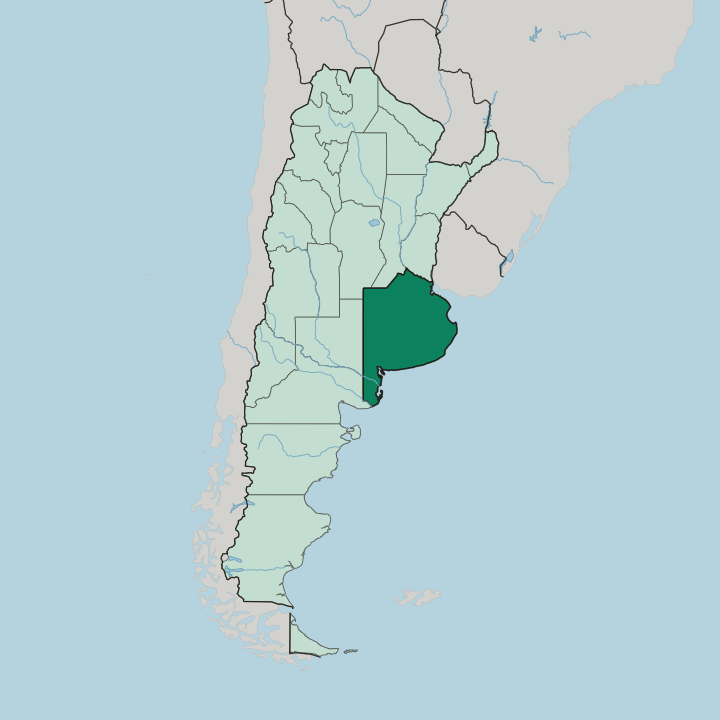
Buenos Aires fills the east-central pampa of Argentina, the country's largest province by both area and population. Almost the whole of it is flat. It lies within the Pampas, the vast fertile plain that runs west from the Atlantic toward the distant Andes, and here the land is grass and grain nearly to every horizon.
The Atlantic Ocean forms the long eastern edge, and in the northeast the wide estuary of the Río de la Plata divides the province from Uruguay across the water. The federal capital sits inside that northeastern corner, an autonomous district the province surrounds but does not govern. Water and rock break the flatness in only a few places.
The Río Salado crosses from the northwest to the southeast for some 640 kilometres before it empties into Samborombón Bay on the estuary, draining more than half the province. Two low ranges rise out of the plain far to the south. The Sierra del Tandil stands near the town of Tandil, and the Sierra de la Ventana climbs higher toward Bahía Blanca, where Cerro Tres Picos reaches 1,239 metres, the highest ground for hundreds of kilometres.
Entre Ríos, Santa Fe, Córdoba, La Pampa and Río Negro ring the province inland; the extreme south shades into Patagonia. Everything else is open country.
What is Buenos Aires like?
The province lives by the land and the sea in equal measure. Its identity is rural at heart. The Pampas gave Argentina the gaucho, the horseman of the open range, and the estancias that still work the grass keep the cattle culture alive in asados, riding and country fairs.
San Antonio de Areco, north of the capital, holds the best-known gaucho festival each year. That plains tradition sits beside a very different coastal one. Summer empties the inland towns toward the shore.
Mar del Plata fills with families for the season, its theatres and casino running at full tilt while the beaches below the headland stay crowded from morning to night. Football threads through all of it, and clubs from across the province carry fierce local followings. La Plata adds the note of a planned city, its wide diagonals and grand civic buildings laid out to a single design in the 1880s.
Spanish is the language everywhere, spoken in the strong Rioplatense accent shared with the capital across the estuary. Meat, mate and dulce de leche anchor the table.
What is the history of Buenos Aires?
Pedro de Mendoza first planted a settlement on the estuary in 1536, and Juan de Garay refounded the port for good in 1580. City and hinterland were long one. The break came in 1880, when the City of Buenos Aires was federalized and lifted out of the province to become the national capital.
That left the province without a seat of its own, so Governor Dardo Rocha laid out an entirely new capital on open ground and founded La Plata in 1882. A purpose-built city on a mathematical grid, it has governed the province ever since.
What is the climate of Buenos Aires?
The province is temperate and largely humid, warmest and most subtropical in the north and cooler toward the south. Rain falls fairly evenly through the year, a little heavier in the warm months, and it thins out as you move inland from the Atlantic. The coast around Mar del Plata runs milder and more oceanic, with humid summers and cool winters that can draw in cold air off the far south.
Summers are hot on the open Pampas. Winters there are chilly but rarely severe.
How do you get to Buenos Aires?
Most arrive through the capital it surrounds. The main international airport, Ezeiza, sits just inside the province's northeastern edge, so nearly every visitor lands on provincial soil before anything else. From there roads and rail fan out across the flat pampa to every corner.
La Plata is a short run southeast toward the estuary. Mar del Plata and the Atlantic beaches lie a few hours down the coast, and long highways strike west and south toward Bahía Blanca and the threshold of Patagonia.
Common questions
What is the best area to stay in Buenos Aires?
La Plata: the planned capital and its museums. Mar del Plata: beaches and the summer coast. Bahía Blanca: the southwestern port and Patagonia's threshold. Tandil: the Tandilia hills and ranch country.
Good for
More regions in Argentina
Updated September 2026