Argentina · Buenos Aires
Where to Stay in Lomas de Zamora, Buenos Aires
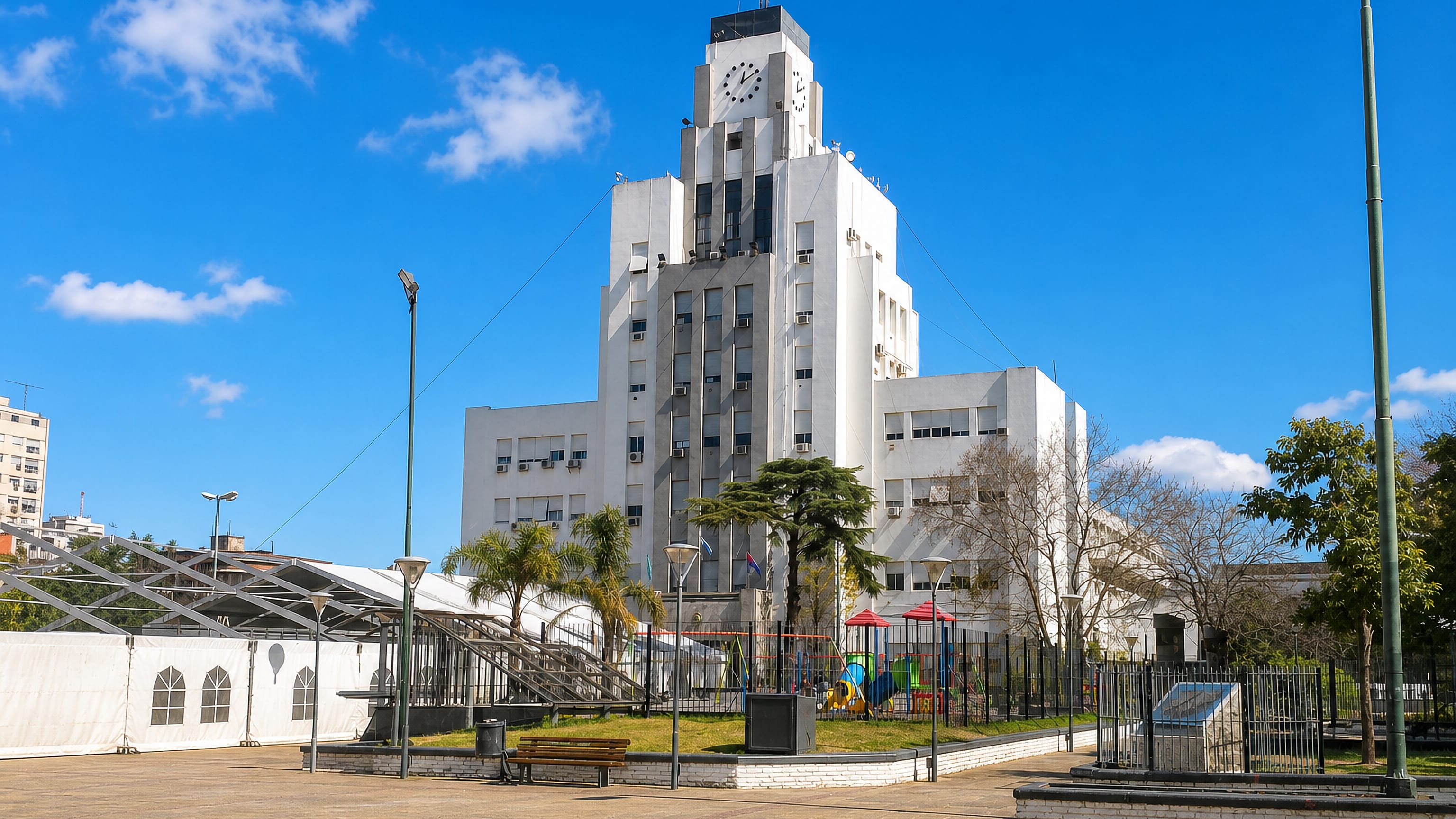
Lomas de Zamora, founded in 1864, is the capital of Lomas de Zamora Partido, a city of Greater Buenos Aires south of the City of Buenos Aires.
Hotel links are affiliate links: booking through them may earn us a commission, at no extra cost to you. It never affects how places are ranked. How this works


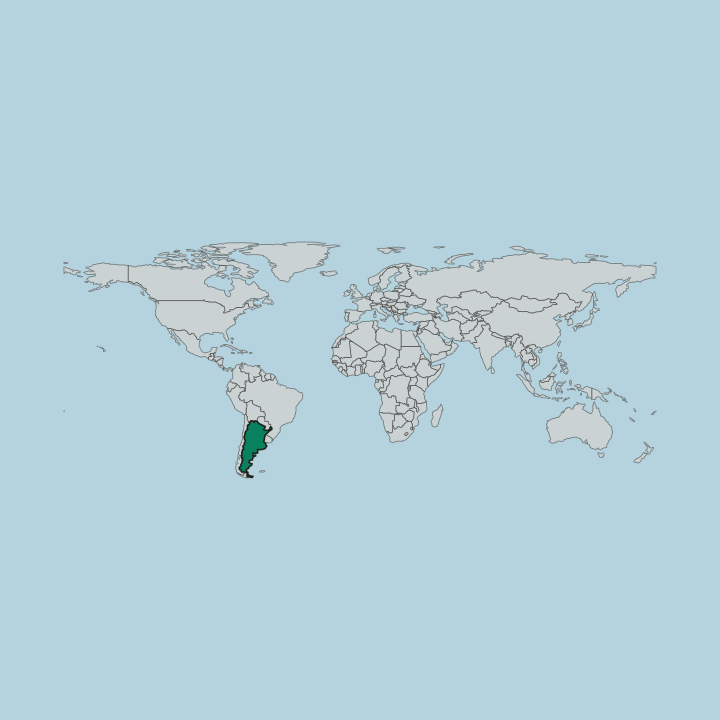
Where to stay in Lomas de Zamora
Where visitors usually base themselves, and why.
Lomas de Zamora is a Greater Buenos Aires address, and that is the first thing to weigh. A room here belongs to the conurbation: the City of Buenos Aires lies north, and anyone whose business is in the capital trades a central bed for a ride in each morning. The centre itself is walkable.
The protected sector between Azara, Portela, Rivera, Manuel Castro and Boedo is the part worth booking into, with the Cathedral Basilica of Our Lady of Peace and the Plaza Victorio Grigera inside it. Quiet is relative. This is a dense partido capital rather than a resort, so the through streets carry traffic well into the evening and a room facing the plaza is a different night from one on a main road.
The Biblioteca Popular Antonio Mentruyt and the Museo Americanista are both central, which makes an afternoon here easy to fill on foot. If you are commuting north, stay where the road out is quick; if you want Lomas de Zamora itself, stay in the protected sector and walk. The edge out at Sta.
Catalina is the exception, and it is a long way from the cathedral.
Find hotels in Lomas de Zamora
Direct booking searches for these neighbourhoods.
The protected sector between Azara and Boedo
The block of streets running between Azara, Portela, Rivera, Manuel Castro and Boedo is listed as a single piece of urban fabric.Find hotels in The protected sector between Azara and BoedoOpen ground on the doorstep in a dense partido capitalAround Plaza Victorio Grigera
Plaza Victorio Grigera gives the centre its square, a few steps from the Cathedral Basilica of Our Lady of Peace. Beds are limited here, so book early.Find hotels in Around Plaza Victorio GrigeraSpace at the edge, near the agronomy and veterinary schoolOut toward Sta. Catalina
The Escuela de Agronomía y Veterinaria stands at Sta. Catalina, well beyond the protected streets of the centre. Lodging is scarce in this area; reserve in advance.Find hotels in Out toward Sta. CatalinaHotel links are affiliate links: booking through them may earn us a commission, at no extra cost to you. It never affects how places are ranked. How this works
Things to do in Lomas de Zamora
Ranked by global recognition; descriptions from Wikidata (CC0).
Museums & Galleries
1- Museo De Artes Plásticas Pío Collivadino
Churches & Religious Sites
1- Cathedral Basilica of Our Lady of Peace
Landmarks & Notable Places
3- Museo Americanista Heritage
- Conjunto formado por la Iglesia Catedral y Basílica de Nuestra Señora de la Paz, la sede Parroquial (ex Instituto "Presbítero Dr. Antonio Sáenz") y la casa Parroquial Heritage
- Escuela N° 1 "Bartolomé Mitre" (ex escuela común N° 1) Heritage
worth knowingacross 3 categories in Lomas de Zamora
About Lomas de Zamora
The cathedral basilica anchors the centre.
What is Lomas de Zamora known for?
The Cathedral Basilica of Our Lady of Peace is listed together with its parish seat and parish house as one protected group, and the streets around it hold the Plaza Victorio Grigera and the Biblioteca Popular Antonio Mentruyt. Schools carry much of the rest. Bartolomé Mitre gives his name to the first common school of the town, while agronomy and veterinary teaching went out to Sta.
Catalina. Two collections close the list: the Museo Americanista and the Museo De Artes Plásticas Pío Collivadino.
What are the main landmarks in Lomas de Zamora?
The Cathedral Basilica of Our Lady of Peace is the largest name on the list. Around it the city keeps the ordinary furniture of an Argentine centre, the Plaza Victorio Grigera and the Biblioteca Popular Antonio Mentruyt among it, with an equestrian monument to San Martín standing nearby. Two museums sit close.
The Museo Americanista and the Museo De Artes Plásticas Pío Collivadino split the ground between an Americanist collection and the fine arts, and neither asks for more than an afternoon.
What is the history of Lomas de Zamora?
The city dates from 1864. Lomas de Zamora grew south of the City of Buenos Aires and became the capital of Lomas de Zamora Partido, the administrative role it still holds inside Greater Buenos Aires. The church came with the town.
The Cathedral Basilica of Our Lady of Peace, its parish seat and its parish house are listed together as one protected group, and the parish seat was earlier the institute that carried the name of Antonio Sáenz. Schooling has its own listed buildings. The school named for Bartolomé Mitre began as the first common school of the place, and the Escuela de Agronomía y Veterinaria took technical teaching out to Sta.
Catalina, away from the centre. A whole quarter is protected rather than a handful of buildings: the sector bounded by Azara, Portela, Rivera, Manuel Castro and Boedo is listed as one piece of urban fabric. An equestrian monument to San Martín stands among them.
Collections followed. The Biblioteca Popular Antonio Mentruyt, the Museo Americanista and the Museo De Artes Plásticas Pío Collivadino are what the city now keeps of its own record.
Where is Lomas de Zamora?
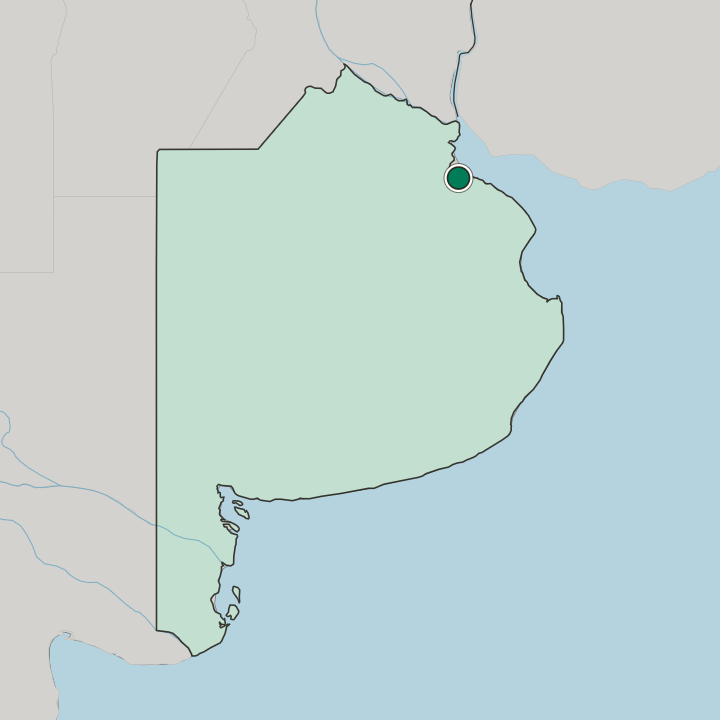
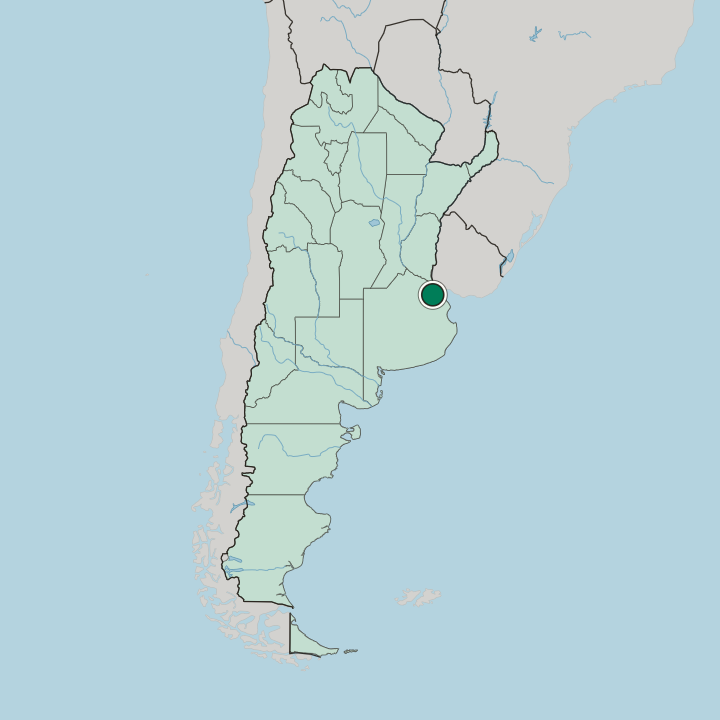
Lomas de Zamora lies south of the City of Buenos Aires, inside the metropolitan area of Greater Buenos Aires and within the province of Buenos Aires that surrounds it. The ground is built up throughout. Little separates the city from its neighbours beyond street names and the boundary of Lomas de Zamora Partido, which is what a partido capital looks like at this end of the conurbation.
Sta. Catalina holds the loosest edge.
What is the climate of Lomas de Zamora?
Greater Buenos Aires makes its own heat. Brick, asphalt and the sheer extent of the conurbation hold the warmth into the night, and the subtropical band across the province puts the summer in December and January rather than in June. Cold snaps are brief.
Rain falls through the whole year, and an afternoon indoors at the Museo Americanista is a reasonable answer to the worst of the heat.
How do you get to Lomas de Zamora?
The City of Buenos Aires is the reference. Lomas de Zamora lies south of it and inside Greater Buenos Aires, so an approach is a movement through the conurbation rather than a trip between separate towns, and the built ground never really stops on the way. Streets do the work.
Azara, Portela, Rivera, Manuel Castro and Boedo bound the protected centre, and any arrival meaning to see Lomas de Zamora itself ends inside that sector. The Cathedral Basilica of Our Lady of Peace is the marker.
Common questions
What is the best area to stay in Lomas de Zamora?
The protected sector between Azara and Boedo: Walking the streets Lomas de Zamora protects as one set. Around Plaza Victorio Grigera: Open ground on the doorstep in a dense partido capital. Out toward Sta. Catalina: Space at the edge, near the agronomy and veterinary school.
Good for
More cities in Buenos Aires
Updated September 2026