Argentina · Buenos Aires
Where to Stay in Luján, Buenos Aires
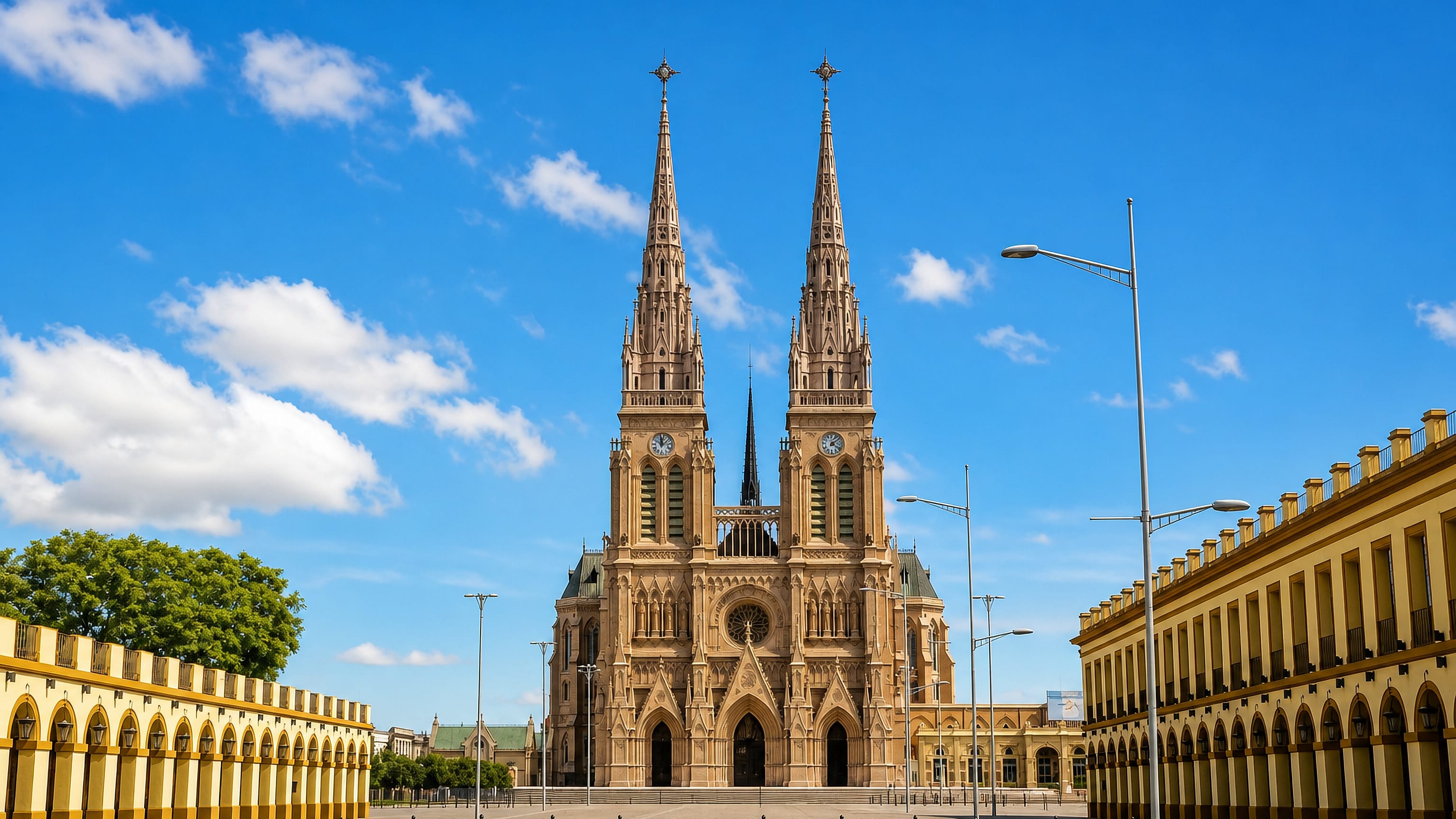
Luján is a city of Buenos Aires province in Argentina, grown around the Basilica of Our Lady of Luján and the Virgen de Luján.
Hotel links are affiliate links: booking through them may earn us a commission, at no extra cost to you. It never affects how places are ranked. How this works


Where to stay in Luján
Where the beds are, and what that means for the visit.
Luján is small enough to cross on foot, so the choice comes down to which landmark sits at the end of the street. The Basilica of Our Lady of Luján is the fixed point. Rooms in the streets around it keep the Cabildo and the ground where the Virgen de Luján was first venerated within a few minutes' walk, which suits you if the shrine is the reason for the trip.
Walking distances stay short in Luján. The museum blocks differ. Casa del Virrey Sobremonte, Casa de los Ameghino and the Museo del Automóvil sit inside the Complejo Museográfico Provincial Enrique Udaondo, so a bed on those streets puts the collections at the door instead of the shrine.
Castillo Naveira and the Museum of Fine Arts Fernán Félix de Amador give the town a second afternoon. Casa de Pepa Galarza is close by. Because most arrivals come out from the city of Buenos Aires for the day and go home again, Luján keeps a modest stock of rooms rather than a hotel quarter, and the stock thins fastest around the Basilica of Our Lady of Luján.
Booking ahead matters more than choosing a district.
Find hotels in Luján
Direct booking searches for these neighbourhoods.
Around the Basilica
The Basilica of Our Lady of Luján and the Cabildo stand within a few streets of each other.Find hotels in Around the BasilicaSlower stays built around Castillo Naveira and the collectionsThe Enrique Udaondo museum streets
Casa del Virrey Sobremonte and the Museo del Automóvil sit inside the Complejo Museográfico Provincial Enrique Udaondo. Lodging is scarce in this area; reserve in advance.Find hotels in The Enrique Udaondo museum streetsHotel links are affiliate links: booking through them may earn us a commission, at no extra cost to you. It never affects how places are ranked. How this works
Things to do in Luján
Ranked by global recognition; descriptions from Wikidata (CC0).
Museums & Galleries
3- Provincial Museum Complex «Enrique Udaondo»
- Museum of Fine Arts Fernán Félix de Amador
- Complejo Museográfico Provincial Enrique Udaondo - Museo del Automóvil
Churches & Religious Sites
1- Basilica of Our Lady of Luján Heritage
Castles & Historic Sites
1- Castillo Naveira
Landmarks & Notable Places
4- Cabildo de la ciudad de Lujan Heritage
- Casa del Virrey Sobremonte Heritage
- Casa de Pepa Galarza Heritage
- Casa de los Ameghino Heritage
worth knowingacross 4 categories in Luján
About Luján
What is Luján known for?
The Basilica of Our Lady of Luján rises over the low streets, and the spot where veneration of the Virgen de Luján first began is marked within the city, which draws visitors from across Buenos Aires province. Museums crowd the old centre. The Complejo Museográfico Provincial Enrique Udaondo gathers colonial buildings, carriages and the Museo del Automóvil, while the Museum of Fine Arts Fernán Félix de Amador keeps the fine art.
Castillo Naveira is the other landmark.
What are the main landmarks in Luján?
The Basilica of Our Lady of Luján is the building the town is measured against. Close by stand the Cabildo, Casa del Virrey Sobremonte and Casa de Pepa Galarza, all held inside or beside the Complejo Museográfico Provincial Enrique Udaondo, which also keeps the Museo del Automóvil and a windmill with its tahona. A column honours Manuel Belgrano there.
Castillo Naveira and the Museum of Fine Arts Fernán Félix de Amador sit apart from the church block, and Casa de los Ameghino marks where the brothers lived.
What is the history of Luján?
Luján began with an image rather than a garrison. Veneration of the Virgen de Luján started on ground that the city still marks with a monument of its own, and the settlement thickened around that devotion through the eighteenth century until the colonial administration granted it a cabildo. The Cabildo still stands.
Casa del Virrey Sobremonte carries into the present the title of a viceroy, and the low colonial houses along those blocks were kept rather than cleared as the town grew. A single family gave Luján a second reputation. Carlos, Juán and Florentino Ameghino lived here in a house whose plot the city marks, and Casa de los Ameghino keeps that association alive for visitors.
A column raised to Manuel Belgrano stands inside the Complejo Museográfico Provincial Enrique Udaondo, beside a windmill and its tahona in the complex's second area. The museums arrived in a cluster. Casa de Pepa Galarza, the Museo del Automóvil and the Museum of Fine Arts Fernán Félix de Amador turned the older blocks into a single open collection, while Castillo Naveira gave the town a large private house to show and the Basilica of Our Lady of Luján went on drawing arrivals from across Buenos Aires province.
Where is Luján?
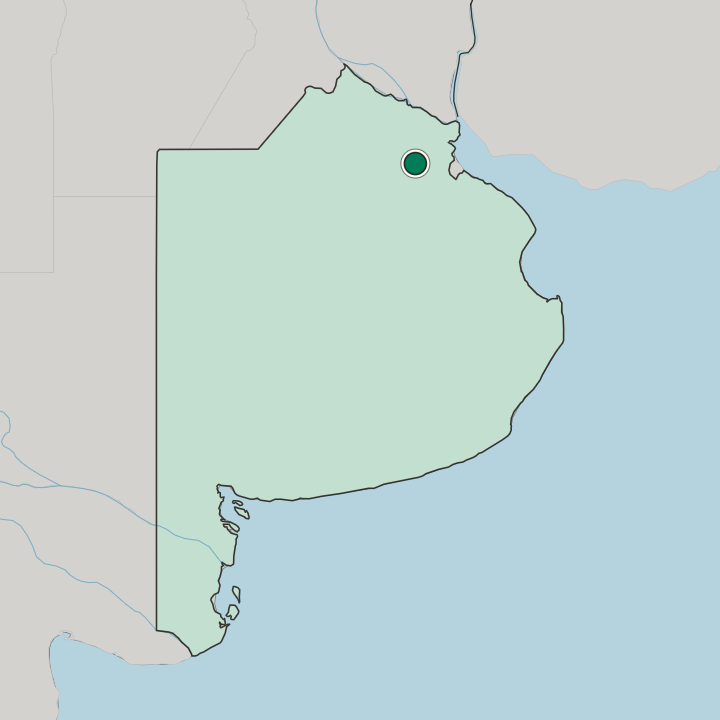
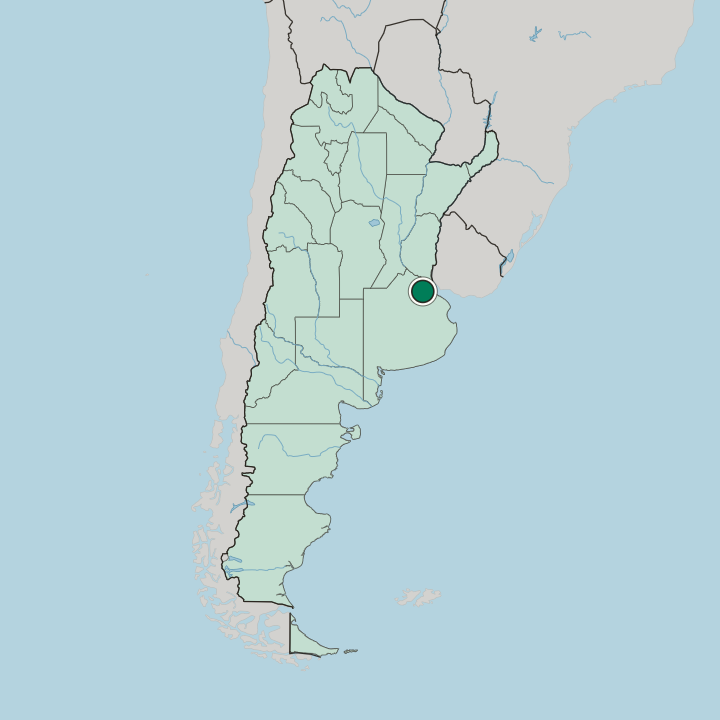
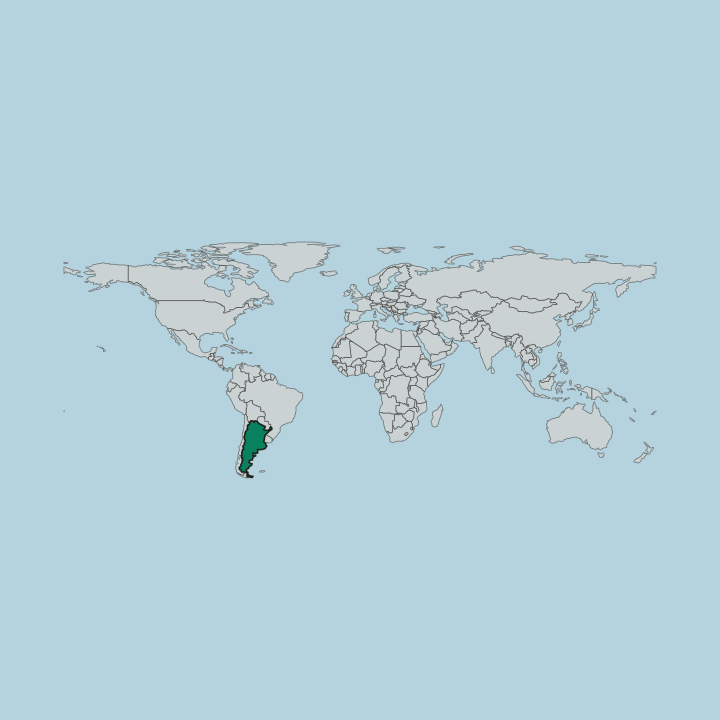
Luján stands 68 kilometres northwest of the city of Buenos Aires, well inside Buenos Aires province, in the subtropical band south of the equator. The old blocks hold together. Streets converge on the Basilica of Our Lady of Luján, with the Complejo Museográfico Provincial Enrique Udaondo beside it and Castillo Naveira apart from the centre, so the part of the city worth walking stays compact.
What is the climate of Luján?
Luján's calendar runs opposite the northern one. January is the height of summer in Luján and July the coldest stretch, because the town lies south of the equator, and the subtropical band it sits in keeps winters short rather than severe. Shade matters in January.
Visitors crossing the open blocks between the Basilica of Our Lady of Luján and the Complejo Museográfico Provincial Enrique Udaondo feel the summer sun with little to break it.
How do you get to Luján?
Nearly everyone arrives from the city of Buenos Aires. Luján lies 68 kilometres out. The distance is short enough that the trip out and back fits comfortably inside a day, so most visitors reach Luján without needing a bed in the town at all.
On arrival the Cabildo, the Complejo Museográfico Provincial Enrique Udaondo and Castillo Naveira are all within walking distance of one another.
Common questions
What is the best area to stay in Luján?
Around the Basilica: Arrivals whose day begins at the Virgen de Luján shrine. The Enrique Udaondo museum streets: Slower stays built around Castillo Naveira and the collections.
Good for
More cities in Buenos Aires
Updated October 2026