Brazil · São Paulo
Where to Stay in Bertioga, São Paulo
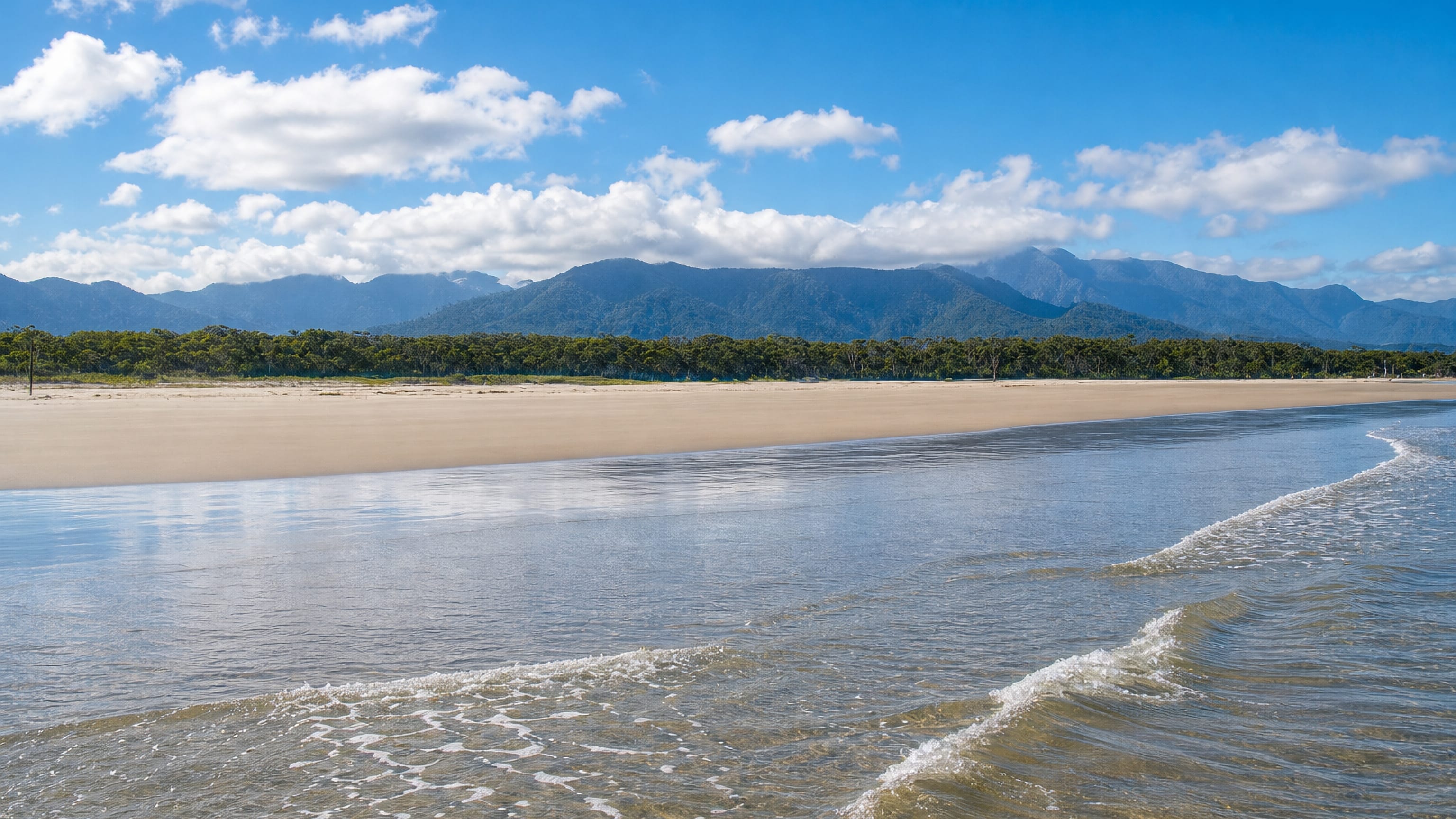
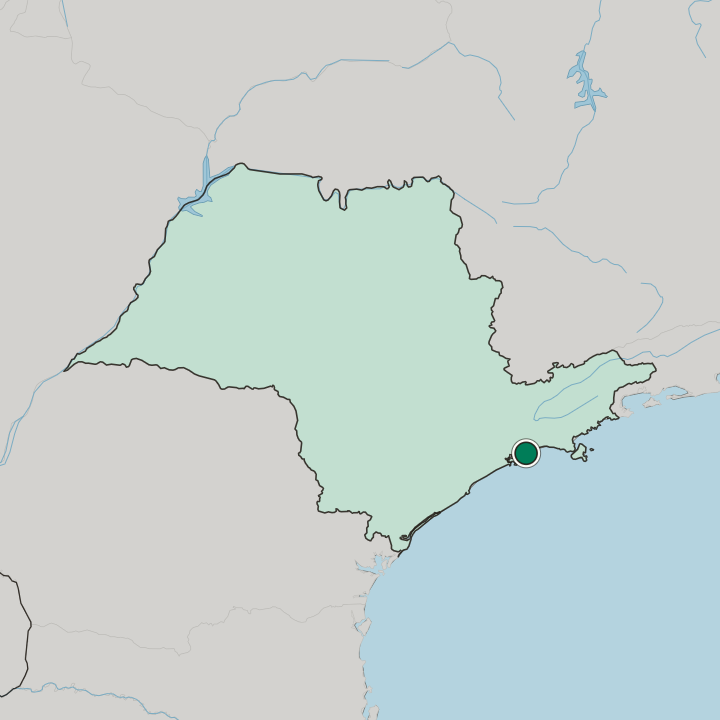
Bertioga is a seaside town on the São Paulo coast, its beaches backed by forest and held by the Forte de São João da Bertioga.
Hotel links are affiliate links: booking through them may earn us a commission, at no extra cost to you. It never affects how places are ranked. How this works


Where to stay in Bertioga
Where the beds are, and what that means for the visit.
The shore sets everything. Beds in Bertioga cluster along the built stretch of seafront near the Forte de São João da Bertioga and the Marco da Paz, which is where the town's services sit and where a visitor without a car can function. Summer fills that seafront, so reserve early.
The surrounding resort towns fill at the same time, so availability tightens across the Baixada Santista Metropolitan Region all at once rather than town by town. Vila da Prainha Branca is the other kind of stay. It is a small shore settlement with forest at its back, reached separately from the main seafront, and the handful of rooms there suits people who want the cove and the walk rather than a strip of restaurants.
Nothing about it is convenient. That is the point, and it is also why anyone booking there should confirm the room before travelling rather than arriving on spec. Santos is the fallback. The older port that Bertioga was once a district of carries beds through the whole year, and the run up the coast makes a day trip out of the fort, the Laje de Bertioga and the beaches.
Find hotels in Bertioga
Direct booking searches for these neighbourhoods.
The seafront by the Forte de São João da Bertioga
The Forte de São João da Bertioga and the Marco da Paz stand at the built end of the shore, where the town's services and most of its rooms are.Find hotels in The seafront by the Forte de São João da Bertiogaa cove settlement with forest behind and no restaurant stripVila da Prainha Branca
Prainha Branca is reached apart from the main seafront and keeps only a handful of rooms, so it rewards walkers and punishes anyone arriving unbooked.Find hotels in Vila da Prainha Brancayear-round beds in the port Bertioga once belonged toToward Santos
Santos holds rooms through every season, and the coast road turns the Forte de São João da Bertioga and the Laje de Bertioga into a day trip.Find hotels in Toward SantosHotel links are affiliate links: booking through them may earn us a commission, at no extra cost to you. It never affects how places are ranked. How this works
About Bertioga
Beaches, forest and a fort.
What is Bertioga known for?
Bertioga lies on the São Paulo coast inside the Baixada Santista Metropolitan Region, and unlike its neighbours it has stayed physically separate, with open ground rather than continuous streets between it and the next town. The Forte de São João da Bertioga anchors the built record, dating from the same century as the settlement itself. Seasons decide the mood here, since the beaches and the resort towns nearby fill in the warm months and empty again once they pass.
What are the main landmarks in Bertioga?
Five entries, and the fort leads. The Forte de São João da Bertioga guards the water approach, and the shorter form Forte São João appears in the record alongside it. Nearby stands the Marco da Paz.
The Laje de Bertioga breaks the surface offshore, while along the coast the Vila da Prainha Branca survives as a settlement rather than a monument.
What is the history of Bertioga?
1531 is the date on the record. That places Bertioga among the earliest foundations on this stretch of the Brazilian coast, generations before the resort economy that shapes the seafront and long before the municipality existed as a separate unit of the state. The fort came with the century.
The Forte de São João da Bertioga was raised to hold the water approach, which is why a fortification and not a church is the oldest thing a visitor sees here. Administration lagged the settlement by centuries. Bertioga spent a long stretch as a district of Santos, the older port down the coast, and only later became a municipality of its own within the modern Baixada Santista Metropolitan Region.
The Marco da Paz belongs to the later record. Two things kept the town from being swallowed as the coast built up: the forest at its back, which is dense and largely empty, and the absence of continuous streets linking it to its neighbours. It is still physically separate.
Both facts survive in the shape of the place, and they are the reason the town reads as a coastal outpost rather than the tail end of a conurbation.
Where is Bertioga?
Forest occupies most of the municipality. Bertioga runs back from its beaches into dense, largely empty woodland that covers far more ground than the built-up seafront, and that green wall is what keeps the town from merging with the Baixada Santista Metropolitan Region towns around it. The shore is the inhabited strip.
Everything else, from the Laje de Bertioga offshore to the coves out by Vila da Prainha Branca, sits outside the daily life of the place.
What is the climate of Bertioga?
Ocean air keeps both extremes in check. Bertioga stands directly on the water in the subtropical band, so its warm months turn humid rather than fierce and its cool months never lose the marine edge that the forest behind the town holds in. Rain comes with the heat.
The wet stretch falls around the turn of the year, which is also when the beaches and the neighbouring resort towns are busiest, and the drier weeks in the middle of the calendar make the quieter half of the year for walking the shore.
How do you get to Bertioga?
Bertioga is reached along the coast. The road from Santos and the rest of the Baixada Santista Metropolitan Region is the standard approach, and the forest at the town's back leaves few alternatives to it. Summer slows that road badly.
Once here, the built seafront near the Forte de São João da Bertioga is walkable, but Vila da Prainha Branca and the far end of the municipality are not, and both need transport arranged in advance.
Common questions
What is the best area to stay in Bertioga?
The seafront by the Forte de São João da Bertioga: beach days within sight of the fort and the Marco da Paz. Vila da Prainha Branca: a cove settlement with forest behind and no restaurant strip. Toward Santos: year-round beds in the port Bertioga once belonged to.
Good for
More cities in São Paulo
Updated September 2026