Brazil · São Paulo
Where to Stay in Botucatu, São Paulo
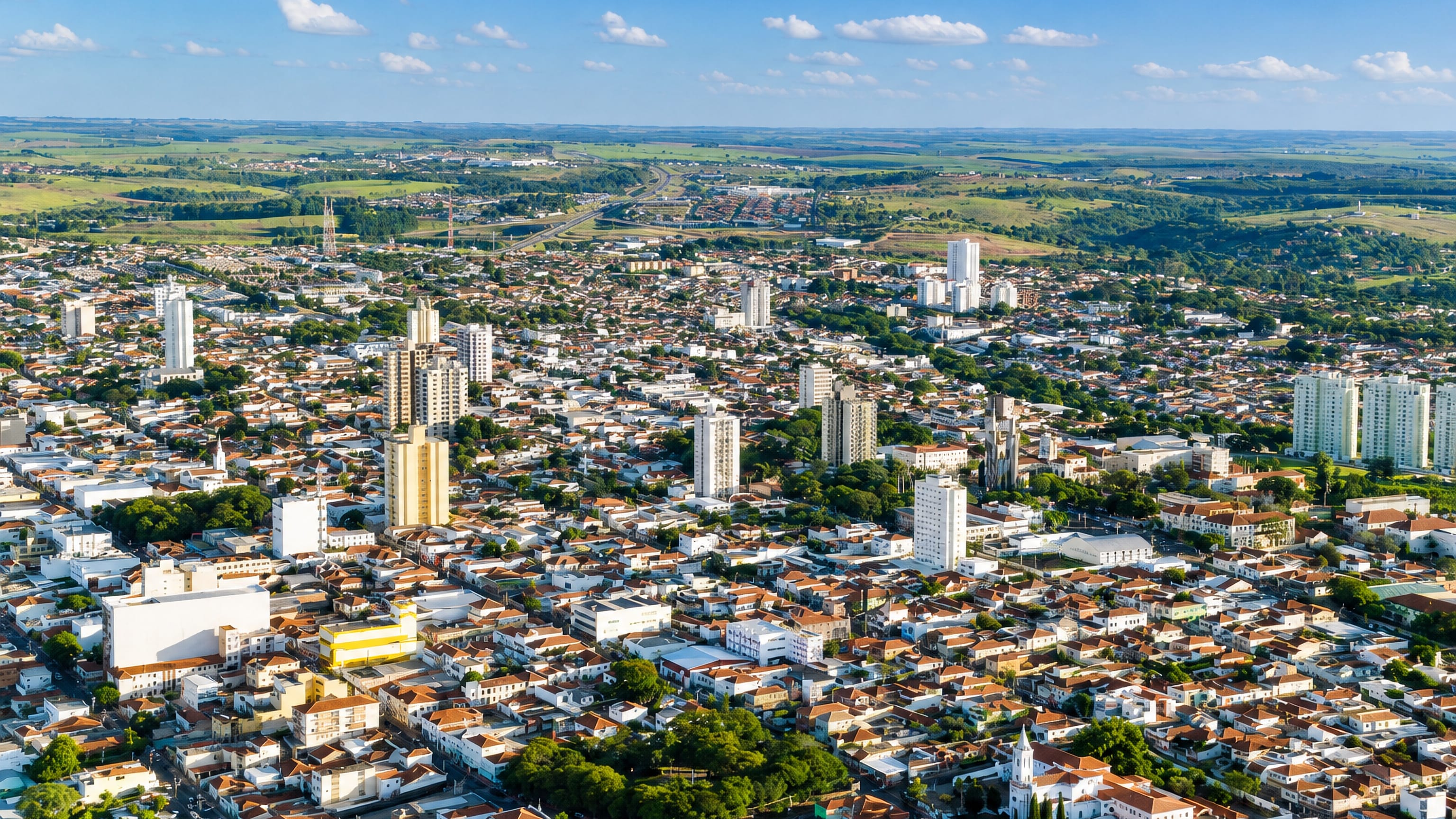
Botucatu is a hill-country city well inland from São Paulo, with waterfalls, coffee-era fazendas and a botanical garden of its own.
Hotel links are affiliate links: booking through them may earn us a commission, at no extra cost to you. It never affects how places are ranked. How this works


Where to stay in Botucatu
Where visitors usually base themselves, and why.
Two very different stays. The central grid around the Fórum de Botucatu is the compact option, with the Museu do Café, the Duque de Caxias statue and the Instituto de Educação Cardoso de Almeida all within a short walk of each other. Most services are here.
Anyone arriving by road and planning to walk rather than drive should take a room in this quarter, because the rest of the municipality is spread over a very large territory. The other option lies out in the fazenda country. Fazenda Lageado, Fazenda Boa Esperança and Fazenda Serra Negra mark the estate landscape that the Museu do Café explains, and beds among them put the waterfall walks and the paragliding launches within reach in a way the centre never manages.
A car is not optional out there. Rooms are also fewer, so the booking has to be made well before arrival rather than sorted out on the day. The Botucatu train station sits between the two, at the edge of the old centre and nearest the roads leading out, which makes it a reasonable compromise for a stay that wants both.
Find hotels in Botucatu
Direct booking searches for these neighbourhoods.
The grid around the Fórum de Botucatu
The Fórum de Botucatu, the Museu do Café and the Duque de Caxias statue sit inside one central grid, with the old teaching institute a block or two off it.Find hotels in The grid around the Fórum de Botucatuthe old rail edge and quick road access toward the fazendasBy the Botucatu train station
The Botucatu train station marks where the old centre stops and the roads out to the estate country begin, which suits a stay that wants both.Find hotels in By the Botucatu train stationwaterfall walks and paragliding from the high groundThe fazenda country
Rooms out among Fazenda Lageado, Fazenda Boa Esperança and Fazenda Serra Negra put the waterfalls and the launch sites first and the city grid second. Beds are limited here, so book early.Find hotels in The fazenda countryHotel links are affiliate links: booking through them may earn us a commission, at no extra cost to you. It never affects how places are ranked. How this works
About Botucatu
Waterfalls and updraughts.
What is Botucatu known for?
Botucatu calls itself a land of adventure, and the claim rests on the waterfalls that walkers hike to and on the paragliding that the high ground above the surrounding country makes possible. The Museu do Café records the crop that built the fazendas. Fazenda Lageado, Fazenda Boa Esperança and Fazenda Serra Negra are the surviving estates, and the botanical garden of Botucatu and the Museu de Arte Contemporânea Itajahy Martins fill the city end of the list.
What are the main landmarks in Botucatu?
Fazendas outnumber monuments. Fazenda Lageado, Fazenda Boa Esperança and Fazenda Serra Negra carry the estate history, while the Museu do Café explains what those estates grew. In town the Fórum de Botucatu, the Duque de Caxias statue and the Botucatu train station mark the civic core, with the Instituto de Educação Cardoso de Almeida a short way off it.
Two specialist collections round it off: the Museu de Arte Contemporânea Itajahy Martins and the Museu de Anatomia, alongside the botanical garden of Botucatu.
What is the history of Botucatu?
Botucatu became a village in 1855. Twenty-one years later it was raised to a city, and the interval between those two dates covers the stretch when coffee turned the surrounding hills into an estate landscape that the Museu do Café sets out. Fazenda Lageado is the clearest survivor.
Fazenda Boa Esperança and Fazenda Serra Negra belong to the same generation, built when the crop paid for buildings on a scale the town itself could not match. Rail followed the crop. The Botucatu train station gave the estates a way to move what they grew and gave the town a reason to keep building after the first boom, and it still marks the edge of the old centre.
Institutions came with the money. The Instituto de Educação Cardoso de Almeida, the Fórum de Botucatu and the Duque de Caxias statue all belong to the civic build-out of a city that had stopped being a village, and the botanical garden of Botucatu extends the same impulse into science. Two museums carry the later record.
The Museu de Arte Contemporânea Itajahy Martins and the Museu de Anatomia are specialist collections rather than town archives, which says something about where the city's attention went.
Where is Botucatu?
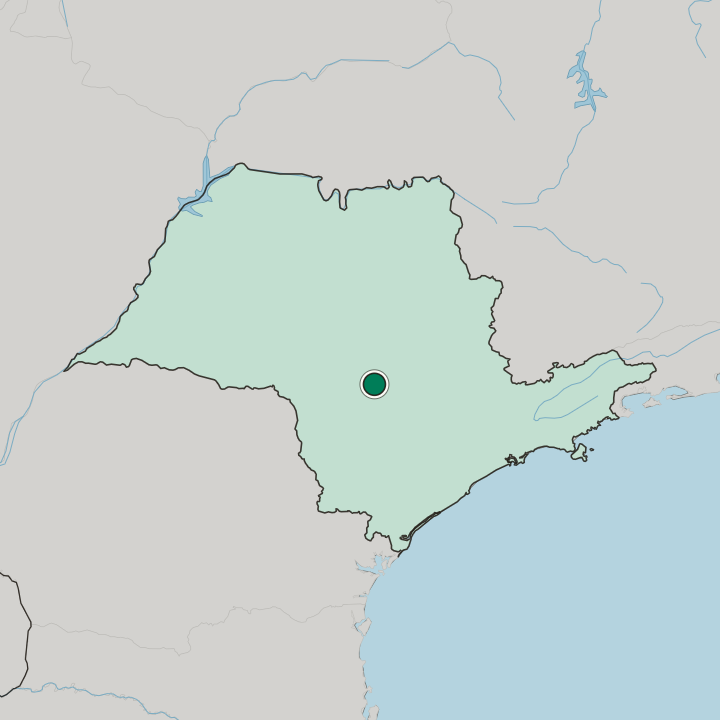
Altitude shapes this place. The ground under Botucatu runs from 756 to 920 metres above sea level, high enough to change the air and to give the edges of the high ground the drop that paragliders use. Its municipal territory is huge.
The land reaches far past the built-up grid into fazenda country and the wooded valleys where the waterfalls are, and crossing from one side to the other is a serious drive rather than an errand.
What is the climate of Botucatu?
Height cools the nights. Botucatu sits in the tropics but well above sea level, so the heat the setting would otherwise deliver is moderated, and the gap between afternoon and dawn is wider here than on the coast. Rain follows the warm months.
The wet stretch runs around the turn of the year and swells the waterfalls that draw walkers, while the middle of the calendar is drier and steadier for hiking and for flying.
How do you get to Botucatu?
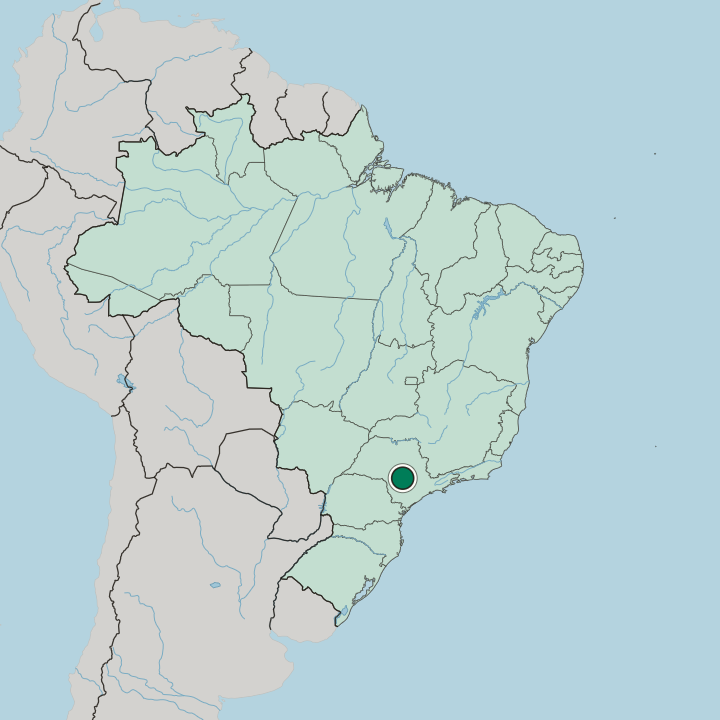
São Paulo is the usual origin. Botucatu lies a long way inland from the state capital, and the approach is by road across the interior rather than by any quick link, which is part of why the city feels detached from the metropolitan orbit. The Botucatu train station belongs to the older order.
Inside the municipality nothing works without a car, since the waterfalls, the fazendas and the launch sites all sit well outside the walkable centre around the Fórum de Botucatu.
Common questions
What is the best area to stay in Botucatu?
The grid around the Fórum de Botucatu: walking to the Museu do Café and the Instituto de Educação Cardoso de Almeida. By the Botucatu train station: the old rail edge and quick road access toward the fazendas. The fazenda country: waterfall walks and paragliding from the high ground.
Good for
More cities in São Paulo
Updated September 2026