Brazil · São Paulo
Where to Stay in Campos do Jordão, São Paulo
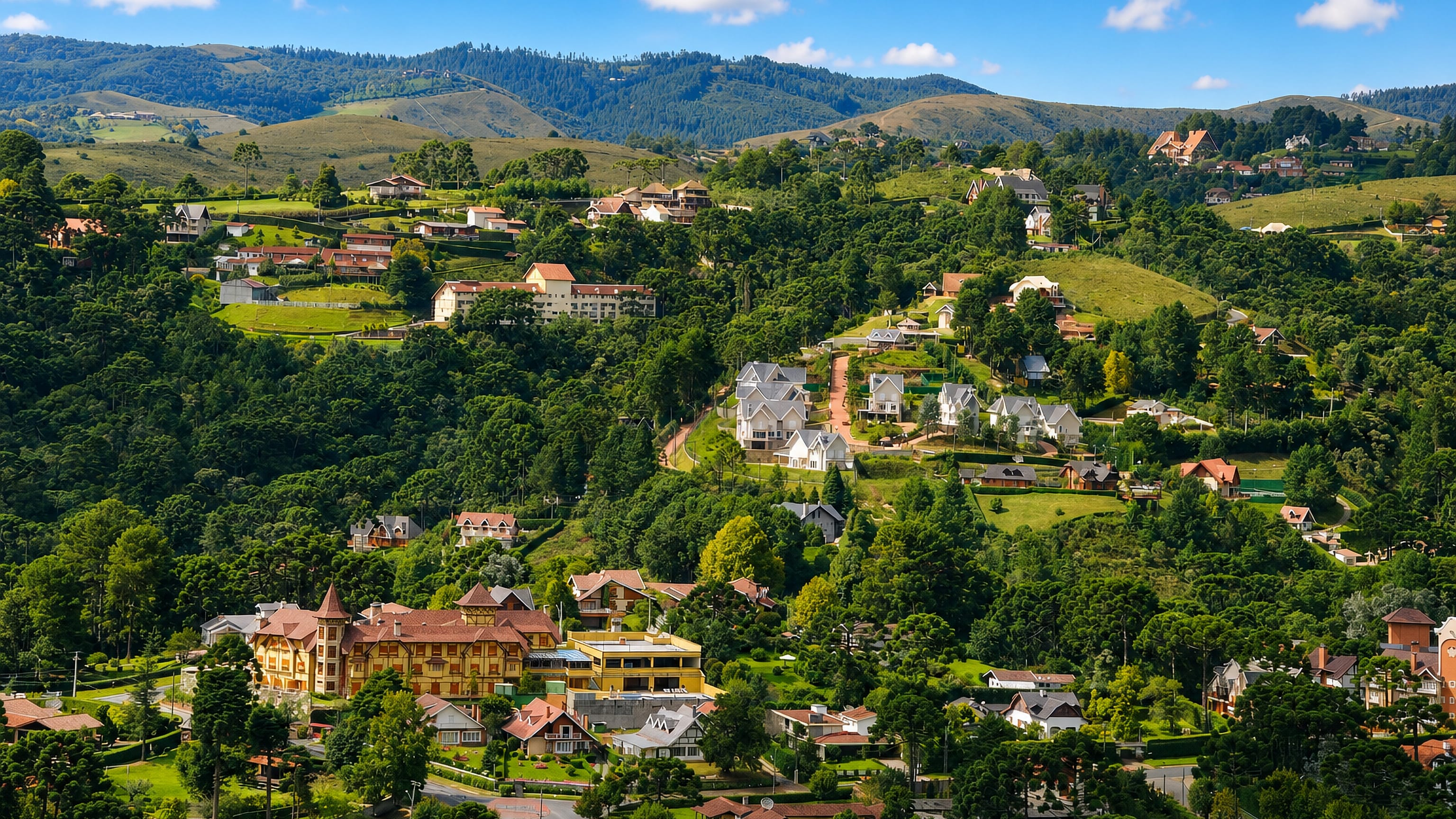
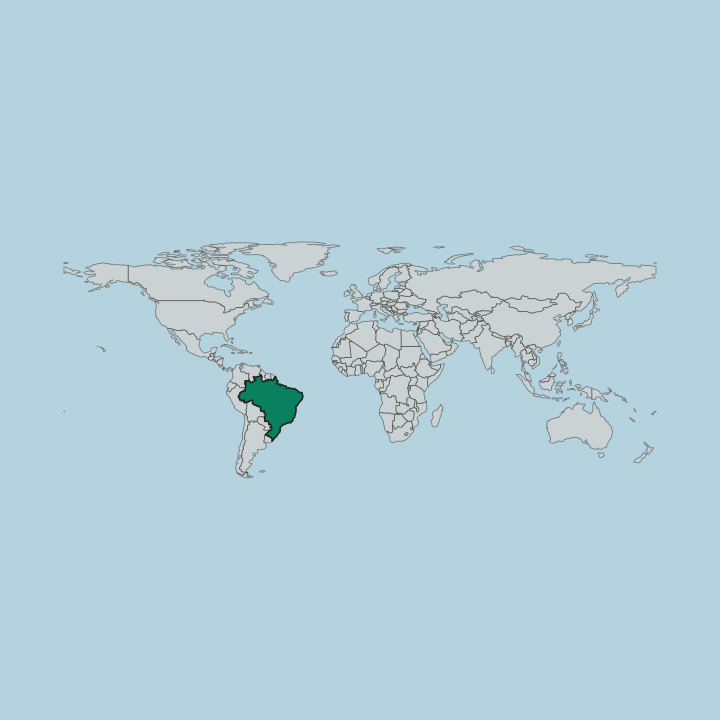
Campos do Jordão is Brazil's highest city. It stands in the Serra da Mantiqueira, in the state of São Paulo, and dates its founding to 1874.
Hotel links are affiliate links: booking through them may earn us a commission, at no extra cost to you. It never affects how places are ranked. How this works


Where to stay in Campos do Jordão
Where the beds are, and what that means for the visit.
Cold is the thing to plan for. Campos do Jordão sits higher than any other city in Brazil, and a room here is judged on heating and on how far it is from the concert hall, not on a sea view or a river frontage. The Auditório Claudio Santoro is the town's concert hall.
A bed within reach of it saves the return trip after a late programme, which matters more here than a view. The Museu Felícia Leirner and the Casa da Xilogravura are the collections worth walking to. Two names anchor the rest.
Cristo Redentor is the landmark figure here, and the Palácio Boa Vista holds the São Paulo state government's art collection, so a stay taking in both covers most of the record. The mountains do the rest. The Serra da Mantiqueira surrounds the municipality, and anyone here for the ridges rather than the concert programme will want a base on the edge of the built area instead of the middle of it.
Campos do Jordão belongs to the Metropolitan Region of Vale do Paraíba e Litoral Norte, which puts the coast within the same administrative frame as the mountains. Portuguese is the language.
Find hotels in Campos do Jordão
Direct booking searches for these neighbourhoods.
Around the Auditório Claudio Santoro
The auditorium is the fixed venue in Campos do Jordão, and a bed near it takes the mountain road out of the end of an evening.Find hotels in Around the Auditório Claudio SantoroThe Museu Felícia Leirner and the Casa da XilogravuraMuseu Felícia Leirner side
These are the two collections the town records, and both reward a base that treats opening hours rather than daylight as the frame of the day.Find hotels in Museu Felícia Leirner sideThe São Paulo state art holdings at Palácio Boa VistaPalácio Boa Vista
The palace carries the Acervo Artístico-Cultural dos Palácios do Governo do Estado de São Paulo, and a stay on that side puts the collection first.Find hotels in Palácio Boa VistaRidge days in the Serra da MantiqueiraSerra da Mantiqueira edge
Campos do Jordão sits higher than any other Brazilian city, and the outer edge of the municipality is where the range takes over from the streets.Find hotels in Serra da Mantiqueira edgeHotel links are affiliate links: booking through them may earn us a commission, at no extra cost to you. It never affects how places are ranked. How this works
Things to do in Campos do Jordão
Ranked by global recognition; descriptions from Wikidata (CC0).
Museums & Galleries
3- Museu Felícia Leirner
- Auditório Claudio Santoro
- Casa da Xilogravura
Castles & Historic Sites
1- Cristo Redentor
worth knowingacross 2 categories in Campos do Jordão
About Campos do Jordão
Altitude is the first fact.
What is Campos do Jordão known for?
Campos do Jordão stands higher than any other Brazilian city, on ground in the Serra da Mantiqueira that gives it a mountain climate unusual for the tropical band it sits in. Music comes second. The Auditório Claudio Santoro carries the concert side of the town, and the Museu Felícia Leirner stands beside it in the same short list of names.
Casa da Xilogravura keeps the woodcut collection.
What are the main landmarks in Campos do Jordão?
Five names make up the record here. Auditório Claudio Santoro, the Museu Felícia Leirner, Casa da Xilogravura, Cristo Redentor and the Palácio Boa Vista are the recorded names, and the last of them holds the art collection of the São Paulo state government's palaces. Two are collections rather than buildings.
The Museu Felícia Leirner and the Casa da Xilogravura hold them, the second given over to woodcut, while the Auditório Claudio Santoro exists for music. Cristo Redentor is the one figure among them.
What is the history of Campos do Jordão?
The founding date is 1874. What the record keeps after that is institutional rather than narrative, and the clearest marker is the Palácio Boa Vista, a São Paulo state government palace with an artistic and cultural collection attached to it. Palácio Boa Vista belongs to a set of state government palaces whose artistic and cultural holdings are recorded together.
Height explains the rest. A town in the Serra da Mantiqueira, higher than any other city in Brazil, has neither a port nor a river crossing in its record to explain it. Even the name gets confused.
Campos de Jordão is the form that appears in error, with Campos do Jordão the correct one. Culture arrived as buildings. The Auditório Claudio Santoro gave the town a concert hall, the Museu Felícia Leirner a museum and the Casa da Xilogravura a home for woodcut, and those three carry most of what a visit is built around.
Cristo Redentor stands among them. Administration draws a wider frame. Campos do Jordão sits inside the Metropolitan Region of Vale do Paraíba e Litoral Norte, an area whose name reaches from the valley to the northern coast of São Paulo state.
Where is Campos do Jordão?
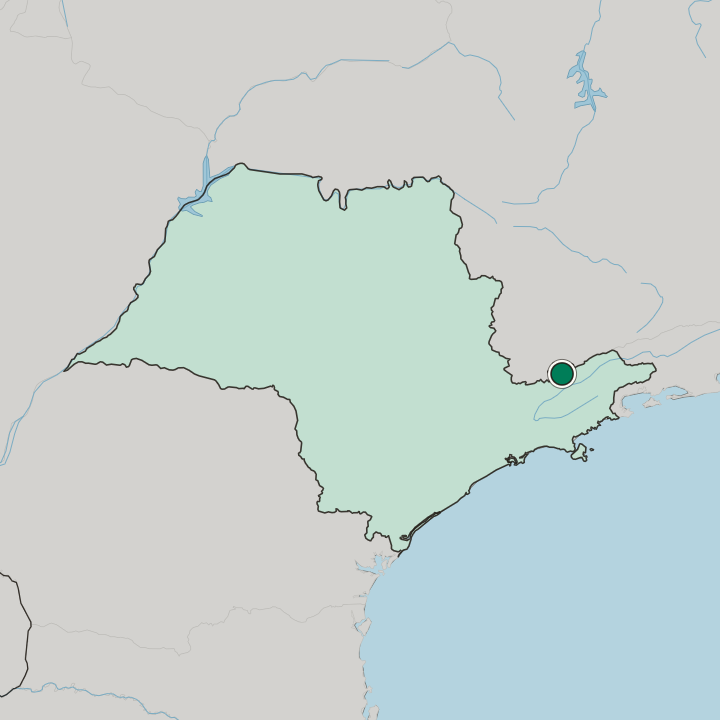
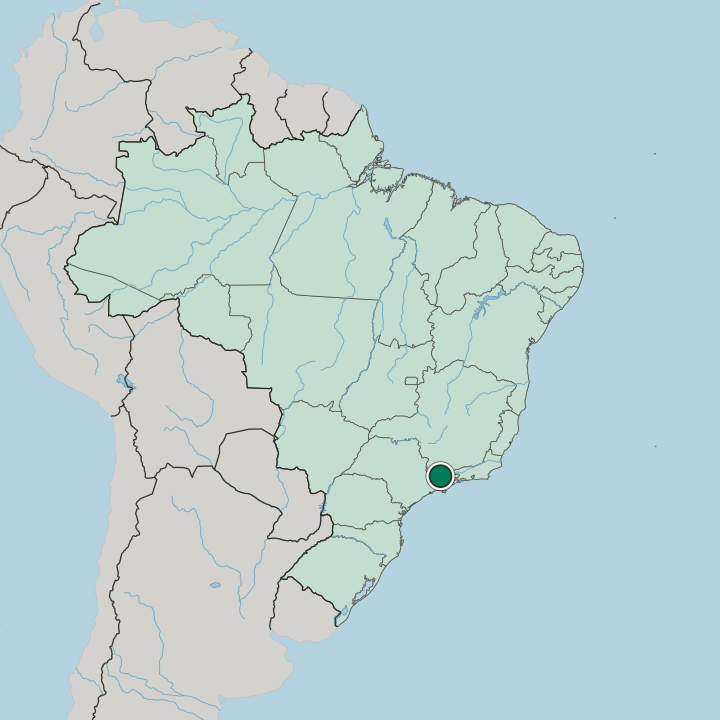
The Serra da Mantiqueira does everything here. Campos do Jordão sits in that range at a height no other Brazilian city reaches, which puts a cool upland inside the tropical band of the southern hemisphere. The seat stands 1628 metres up.
Administration reaches to the coast: this municipality belongs to the Metropolitan Region of Vale do Paraíba e Litoral Norte, an area that links these ridges with the northern coast of São Paulo state. Rivers go unnamed here.
What is the climate of Campos do Jordão?
Altitude sets the weather. Campos do Jordão stands higher than any other city in Brazil, so the Serra da Mantiqueira gives it cool air where the tropical band would otherwise deliver heat. Warm clothing is the practical consequence.
The southern hemisphere reverses the calendar, which puts the coldest stretch in the middle of the year rather than at its ends. No temperatures are recorded in the sources.
How do you get to Campos do Jordão?
Everything arrives uphill. Campos do Jordão sits in the Serra da Mantiqueira above the Vale do Paraíba, and the climb from the valley is the constant in any approach, whichever road a driver picks. No operator is named in the record.
The sources give Campos do Jordão no railway, no highway number and no bus company, so the practical route has to be checked locally against whatever runs up from the Vale do Paraíba. Book the last leg carefully.
Common questions
What is the best area to stay in Campos do Jordão?
Around the Auditório Claudio Santoro: Evening programmes at the Auditório Claudio Santoro. Museu Felícia Leirner side: The Museu Felícia Leirner and the Casa da Xilogravura. Palácio Boa Vista: The São Paulo state art holdings at Palácio Boa Vista. Serra da Mantiqueira edge: Ridge days in the Serra da Mantiqueira.
Good for
More cities in São Paulo
Updated October 2026