Brazil · São Paulo
Where to Stay in São Vicente, São Paulo
Founded in 1532 on the coast of southern São Paulo, São Vicente counts as the first city of Brazil and runs unbroken into Santos.
Hotel links are affiliate links: booking through them may earn us a commission, at no extra cost to you. It never affects how places are ranked. How this works


Where to stay in São Vicente
Where the beds are, and what that means for the visit.
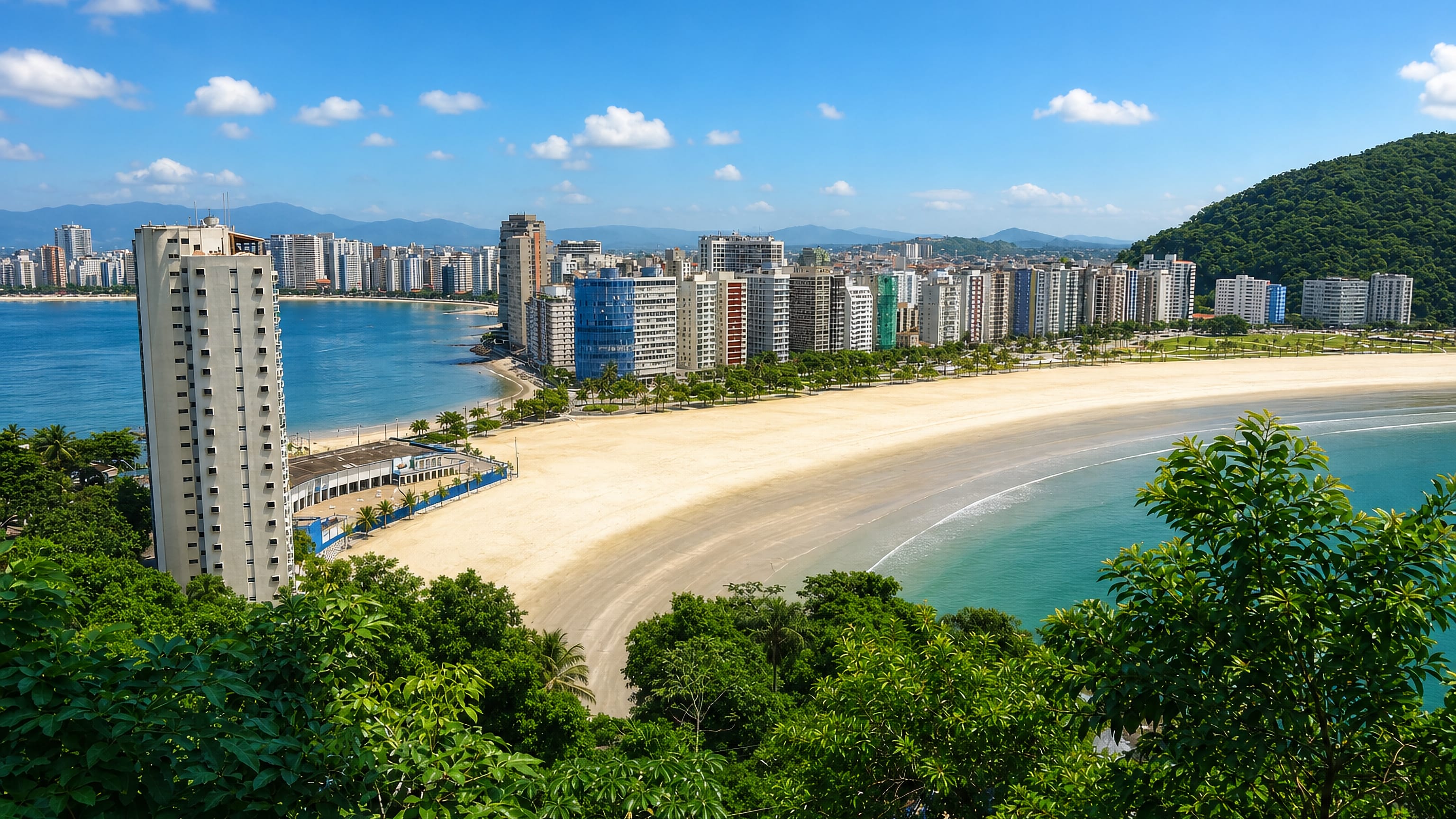
The beachfront decides most bookings in São Vicente. Rooms along the shore put the Surf Museum, the Niemeyer Monument, and open sand within a short walk, and that answers for you if the sea is the point of the trip and a quiet evening beats a long night out. Sand does the work here.
Santos lies near enough that the two seafronts read as one. Inland from the sand, the older core keeps Casa Martim Afonso and the Instituto Histórico e Geográfico da Cidade de São Vicente, together with the Monumento Lusíadas and a scatter of civic bronze. Hotels grow scarce inland.
Anyone booking off the water should reckon on a walk or a short ride back to it, because the municipality spreads over 148 square kilometres of shore, hillside, and mainland ground. Santos absorbs the overflow. The two cities run together across the Baixada Santista, so a room on the Santos side still reaches the São Vicente beaches and All Saints' Church without much trouble, and the choice widens considerably whenever the seafront fills.
Pick by the walk you want.
Find hotels in São Vicente
Direct booking searches for these neighbourhoods.
The São Vicente seafront
The Marco Padrão and the open sand line one continuous seafront walkFind hotels in The São Vicente seafrontHistory-minded stays within reach of Casa Martim AfonsoThe older core
The Instituto Histórico e Geográfico and the Monumento Lusíadas stand inland from the sand. Beds are limited here, so book early.Find hotels in The older coreOverflow bookings when the São Vicente seafront is fullAcross into Santos
The conurbation runs unbroken to All Saints' Church on the Santos sideFind hotels in Across into SantosHotel links are affiliate links: booking through them may earn us a commission, at no extra cost to you. It never affects how places are ranked. How this works
Things to do in São Vicente
Ranked by global recognition; descriptions from Wikidata (CC0).
Museums & Galleries
3- Instituto Histórico e Geográfico da Cidade de São Vicente Heritage
- Museum of Natural Sciences and Cultural Center Jewels of Nature
- Casa Martim Afonso
Castles & Historic Sites
3- Niemeyer Monument Heritage
- Marco Padrão Heritage
- Monumento ao 4º Centenário do Descobrimento do Brasil Heritage
Landmarks & Notable Places
1- Casa do Barão e Cobertura Vegetal Heritage
worth knowingacross 3 categories in São Vicente
About São Vicente
What is São Vicente known for?
Brazil's first city sits here. Founded in 1532, São Vicente wears that primacy more in name than in fabric, since most of its historical heritage has been lost with time and the beaches do the drawing instead. Scenery is the pull.
The Surf Museum, the Niemeyer Monument, and the Marco Padrão give the seafront its markers, while the grid runs straight on into Santos across the conurbation.
What are the main landmarks in São Vicente?
The Marco Padrão stands for the founding. Casa Martim Afonso and the Instituto Histórico e Geográfico da Cidade de São Vicente carry what survived of the sixteenth-century town, and All Saints' Church sits over toward Santos. Monuments crowd the rest: the Niemeyer Monument, the Monumento Lusíadas, the Monument of 100 Years of Japanese Immigration with its companion Aos Imigrantes Japoneses, and O Ciclista Trabalhador out in the street.
The Surf Museum records the board. Casa do Barão e Cobertura Vegetal keeps its green plot.
What is the history of São Vicente?
São Vicente dates from 1532. That makes it the first city of Brazil, the earliest Portuguese town planted on this coast, and the claim is the single fact every account of the place opens with. The Marco Padrão stands for that beginning.
Casa Martim Afonso carries a name from the founding generation, and the Instituto Histórico e Geográfico da Cidade de São Vicente exists to keep the record of it. Primacy is the whole calling card. Little of the sixteenth century is left standing.
Most of the city's historical heritage has been lost with time, so the record survives in institutions and in bronze rather than in streets, and the draw shifted to scenery and beaches instead. Later arrivals left their own marks. The Monument of 100 Years of Japanese Immigration and Aos Imigrantes Japoneses mark a centenary of Japanese settlement, while the Niemeyer Monument and O Ciclista Trabalhador belong to a far more recent civic taste.
Conurbation finished the job, pulling São Vicente and Santos into the Baixada Santista as one continuous built-up coast.
Where is São Vicente?
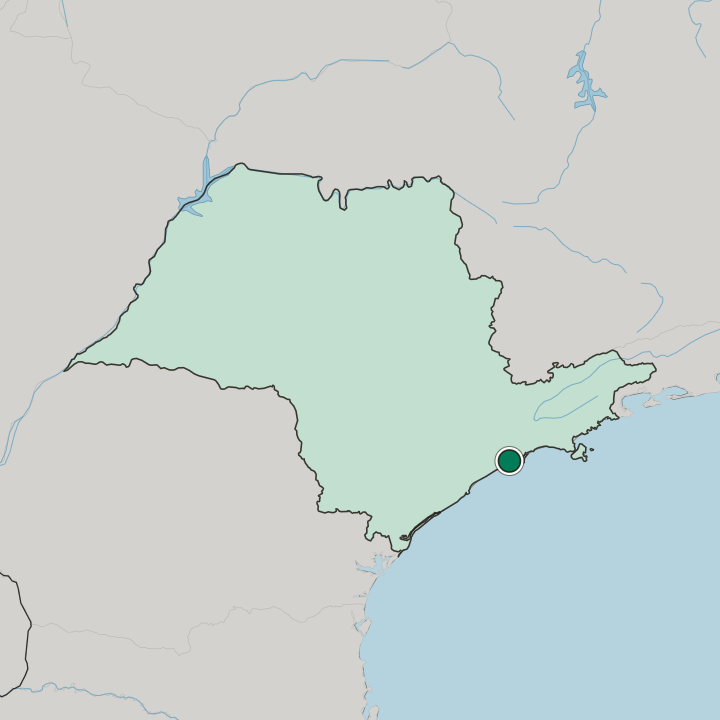
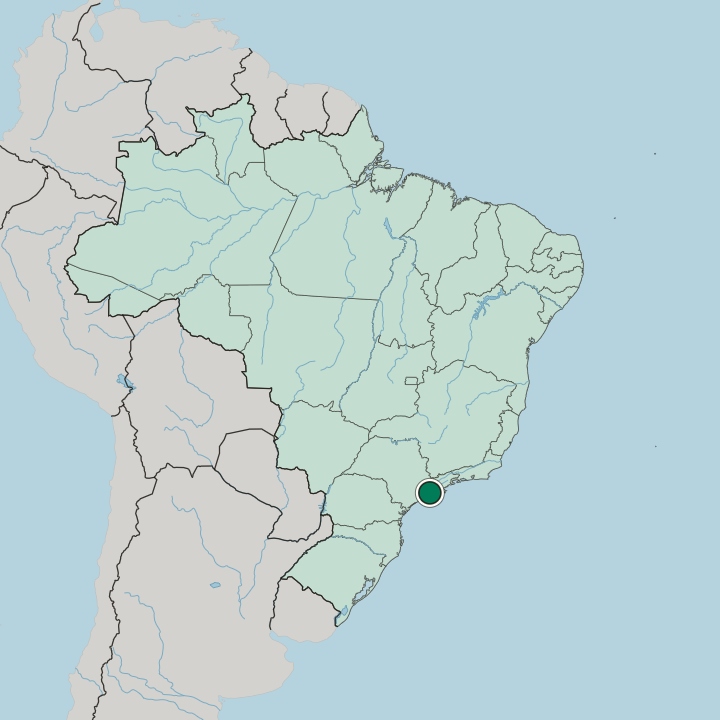
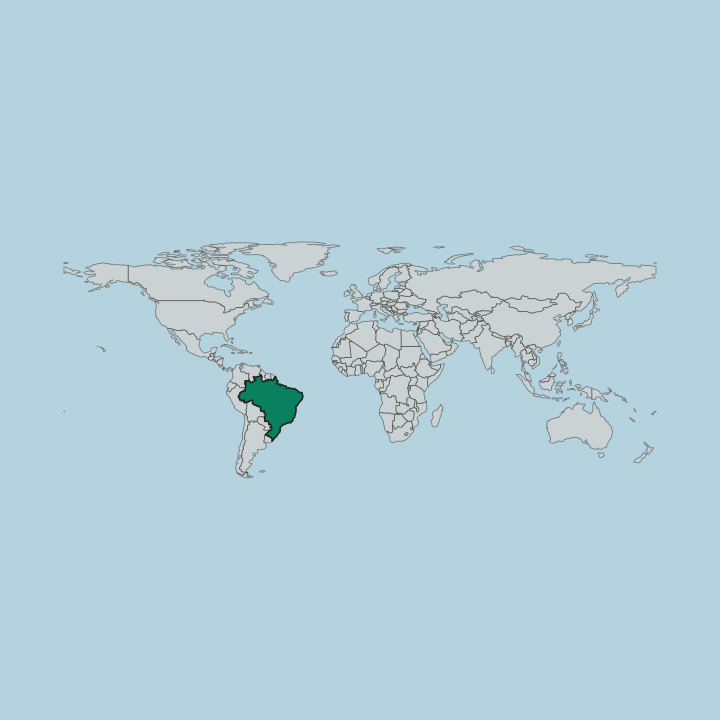
São Vicente is a coastal municipality in southern São Paulo, wrapped into the Metropolitan Region of the Baixada Santista. Its ground covers about 148 square kilometres of beach, hillside, and mainland district, running without a break into Santos, so the line between the two is administrative rather than anything a visitor can see. Nothing here sits far from the shore.
Beaches face the open sea along the whole seafront.
What is the climate of São Vicente?
Sea air governs the year, and the low ground of the Baixada Santista holds enough of it that humidity in São Vicente rarely lets go, whatever the month. Rain arrives with the southern summer. Winters stay short and mild along this part of southern São Paulo, without the swings that inland ground takes.
The beaches empty rather than close. Salt is constant.
How do you get to São Vicente?
Most arrivals pass through Santos first. The two cities share a continuous grid across the Baixada Santista, so the crossing between them is a matter of streets rather than any real journey, and local transport treats the pair as a single metro area. Roads run inland toward São Paulo.
Traffic thickens whenever the beaches do.
Common questions
What is the best area to stay in São Vicente?
The São Vicente seafront: Beach stays wanting the Surf Museum and the Niemeyer Monument close by. The older core: History-minded stays within reach of Casa Martim Afonso. Across into Santos: Overflow bookings when the São Vicente seafront is full.
Good for
More cities in São Paulo
Updated October 2026