China · Jiangsu
Where to Stay in Taicang, Jiangsu
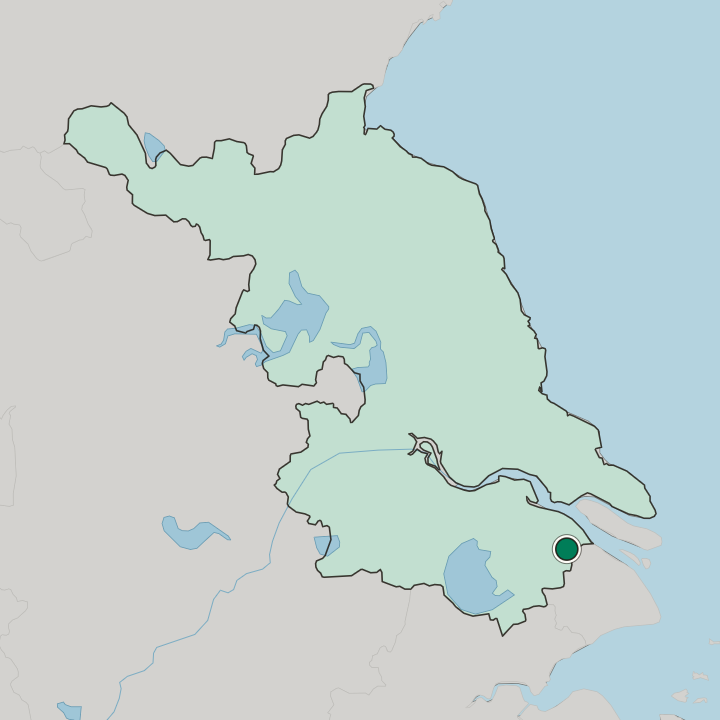
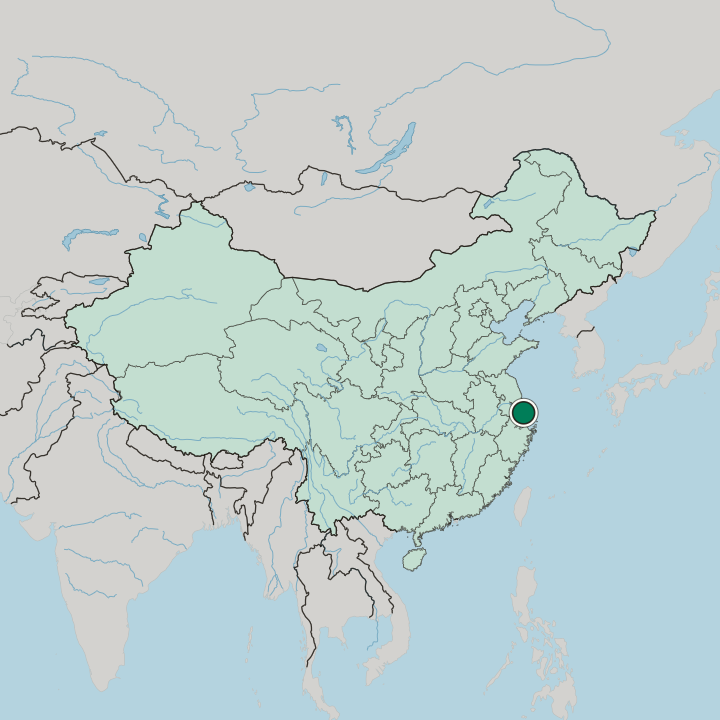
Taicang is a county-level city of Suzhou at the Yangtze River estuary, bordering Shanghai and holding the Site of Taicang Maritime Granary.
Hotel links are affiliate links: booking through them may earn us a commission, at no extra cost to you. It never affects how places are ranked. How this works


Where to stay in Taicang
How the choice of base plays out on the ground.
Proximity to Shanghai is the fact that shapes a Taicang booking. The city's southern boundary meets Shanghai proper, so a room here can serve a trip that is really about the larger city while costing less of the day than a central address would. That cuts both ways.
Travellers who came for Taicang itself, for the Taicang Museum, the Stone Arch Bridges of Taicang or the Site of Taicang Maritime Granary, should make sure the bed sits on the town's own ground rather than out on the Shanghai edge. Roughly 810 square kilometres is a lot of county. Liuhe, where the Remains of Tianfei Palace stand, is a different proposition from the estuary frontage facing Nantong and Chongming Island, and a booking made without checking which end of Taicang it sits in can add an hour to every outing.
Suzhou is the deeper market. The prefecture-level city that administers Taicang carries far more rooms, so anyone whose plans are flexible can treat the two as a single search. Zhang Pu Residence rewards a short stay.
A visitor with one afternoon should aim at the residence and the Taicang Museum together, which keeps the day inside the town instead of spreading it across the estuary.
Find hotels in Taicang
Direct booking searches for these neighbourhoods.
The Shanghai boundary
Taicang's southern limit runs against Shanghai proper, which makes this edge the practical way to work the larger city without booking inside it.Find hotels in The Shanghai boundaryAfternoons spent between Zhang Pu Residence and the Taicang MuseumThe old town by Zhang Pu Residence
Taicang's own sights sit close together here, so the Stone Arch Bridges of Taicang and the museum fall into one walk rather than one drive. Rooms are few around here — worth securing early.Find hotels in The old town by Zhang Pu ResidenceVisitors bound for the Remains of Tianfei Palace in LiuheThe Liuhe estuary side
Liuhe sits on the estuary frontage looking toward Nantong and Chongming Island, which puts the Tianfei Palace remains and the open water inside the same stay. Few places to stay nearby — book ahead.Find hotels in The Liuhe estuary sideHotel links are affiliate links: booking through them may earn us a commission, at no extra cost to you. It never affects how places are ranked. How this works
About Taicang
Shanghai is the neighbour.
What is Taicang known for?
Taicang reaches the boundary of Shanghai proper to the south and the Yangtze River estuary on its other flank, which is an unusual position for a county-level city administered from Suzhou. Grain moved through here. The Site of Taicang Maritime Granary survives as the record of that trade, and the Stone Arch Bridges of Taicang show how the town crossed its own water.
What are the main landmarks in Taicang?
Five listed sites, and no two alike. The Site of Taicang Maritime Granary records the grain trade, the Stone Arch Bridges of Taicang record the crossings, and the Remains of Tianfei Palace in Liuhe record a building that no longer stands whole. Zhang Pu Residence is domestic.
The Taicang Museum holds the explanation for all of it, which makes it the sensible first stop for a visitor who wants the sites to mean something.
What is the history of Taicang?
The granary is the oldest argument for Taicang's importance. A maritime granary is built where sea and river traffic have to be stored and redistributed, and the survival of that site at the Yangtze River estuary says the town handled cargo long before it became a county-level city under Suzhou. Taicang's charter year is missing from the record.
What remains is physical evidence, from the granary site to the Stone Arch Bridges of Taicang and the Remains of Tianfei Palace in Liuhe. Water drew the boundaries. The Yangtze River marks much of Taicang's northeastern limit along Chongming Island, with Nantong facing the city across the estuary, and those lines have done more to shape the place than any inland border.
Shanghai closed in from the other side. A county-level city whose southern edge touches Shanghai proper sits in a different world from an interior county, and Taicang's later story is bound up with that adjacency. Zhang Pu Residence keeps one life on the record.
The Taicang Museum keeps the rest, gathering the granary, the bridges and the Liuhe remains into a single account a visitor can read in an hour.
Where is Taicang?
Taicang occupies the southern side of the Yangtze River estuary, with Nantong across the water and Chongming Island tracing much of the northeastern boundary. Shanghai proper lies to the south. Roughly 810 square kilometres of ground belong administratively to Suzhou, in Jiangsu province, which leaves the city holding an estuary frontage, a metropolitan border and a provincial identity at once.
What is the climate of Taicang?
The estuary sets the terms. Taicang stands on open water at the mouth of the Yangtze River, and a subtropical position on that frontage means the air crossing from Chongming Island and Nantong arrives off the river rather than off the land. Nowhere in Taicang is the river far off.
A traveller comparing Taicang with the rest of Suzhou should expect the estuary to keep conditions closer to those of neighbouring Shanghai than to those of the province's interior.
How do you get to Taicang?
Shanghai is the practical door. Taicang's southern boundary meets Shanghai proper, so most arrivals reach the county-level city overland from the metropolis rather than from Suzhou, the prefecture-level city that administers it. Water still counts.
The Yangtze River estuary carries the traffic that made the Site of Taicang Maritime Granary worth building, and Nantong faces the city across that water, with Chongming Island tracing much of the northeastern boundary.
Common questions
What is the best area to stay in Taicang?
The Shanghai boundary: Stays that lean on Taicang's shared border with Shanghai proper. The old town by Zhang Pu Residence: Afternoons spent between Zhang Pu Residence and the Taicang Museum. The Liuhe estuary side: Visitors bound for the Remains of Tianfei Palace in Liuhe.
Good for
More cities in Jiangsu
Updated September 2026