China · Jiangsu
Where to Stay in Zhenjiang, Jiangsu
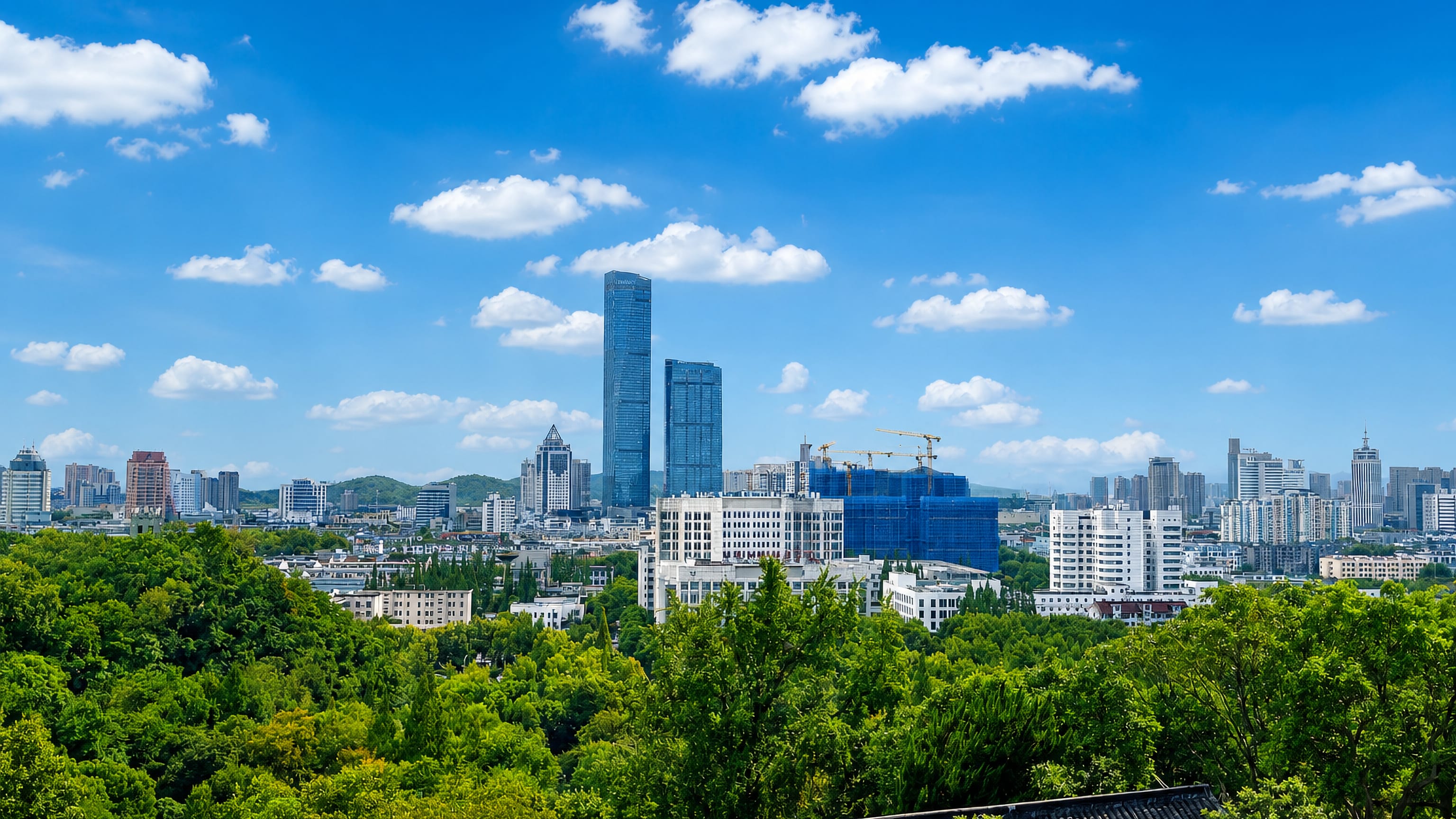
Zhenjiang is an old river city in Jiangsu, eastern China, where the Grand Canal crosses the Yangtze below three temple hills.
Hotel links are affiliate links: booking through them may earn us a commission, at no extra cost to you. It never affects how places are ranked. How this works


Where to stay in Zhenjiang
How the choice of base plays out on the ground.
Where you stay in Zhenjiang turns on the hills or the town. The streets below Jinshan and the old centre keep the temples, the shops, and the river within reach, and staying near the hills suits anyone here for the sights. The river runs past the temple gates.
Beds cluster close to the riverbank. Out toward the newer town and the stations, the city spreads across the plain. A room in the new town trades the temple hills for the malls, the rail links, and the road out to the delta.
The wide plain opens past the edge. If you want the temples and the river, stay by the hills; if you want the trains, take a room in the new town. Either way, the hills are close at hand.
Find hotels in Zhenjiang
Direct booking searches for these neighbourhoods.
The temple hills
Below Jinshan within reach of the river hillsFind hotels in The temple hillsStays wanting the trains and mallsThe new town
Toward the stations across the delta plainFind hotels in The new townHotel links are affiliate links: booking through them may earn us a commission, at no extra cost to you. It never affects how places are ranked. How this works
About Zhenjiang
Zhenjiang is the city of the three hills on the Yangtze.
What is Zhenjiang known for?
Where the Grand Canal crosses the great river, it rises around Jinshan, Jiaoshan, and Beigushan, hills crowned with temples, and it is known for the Jinshan temple of the White Snake legend, its dark aromatic vinegar, and an old treaty-port quarter on the bluff. The wide river runs past the hills. Temples and river mark the city.
What are the main landmarks in Zhenjiang?
Jinshan temple crowns its hill above Zhenjiang. The golden monastery, climbing a hill by the river with a tall pagoda at its peak, is the setting of the White Snake legend, the emblem of the city, over the water. A second hill rises downstream.
Jiaoshan stands green in the river with its temple and old stone carvings, while the Ganlu temple, the vinegar museum, and the old British consulate mark the streets of Zhenjiang.
What is the history of Zhenjiang?
Zhenjiang has guarded the river crossing since ancient days. It grew as a fortress and a port at the crossing of the canal and the Yangtze, watching the way between the north and the rich south, and in the Three Kingdoms its hills were held by the warlords of Wu. The hills filled with temples.
Monks built the Jinshan temple and the Ganlu temple on the river hills, and around Jinshan grew the tale of the White Snake and the monk Fahai. The canal made the city a great port. Grain and salt passed through Zhenjiang along the Grand Canal for centuries, and the town grew rich on the trade of the water.
Then the foreign powers came. In the treaty-port days the British opened a concession on the bluff, and steamers called at the Yangtze wharves. The old temples still crown the hills.
Zhenjiang keeps its hills and its vinegar on the Yangtze.
Where is Zhenjiang?
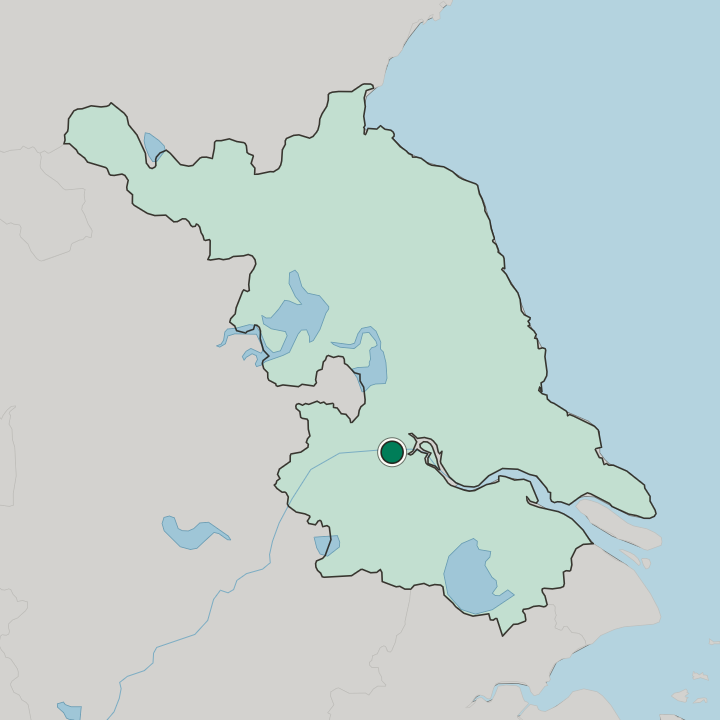
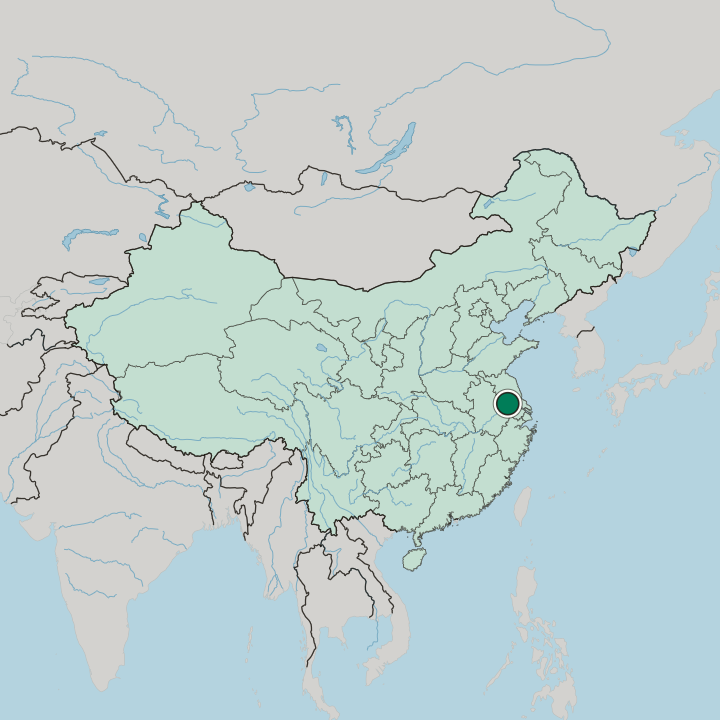
Zhenjiang lies on the south bank of the Yangtze in southern Jiangsu, eastern China. The city sits at the crossing of the Grand Canal and the Yangtze, among low hills that rise from the delta plain, downstream of Nanjing. Low green hills rise around.
The wide river runs east to the sea.
What is the climate of Zhenjiang?
Zhenjiang has a humid subtropical climate. Hot, wet summers and cool, damp winters cross the delta, and the monsoon brings heavy rain in the warm months, with a mild spring and a misty autumn. Fog rises off the river in the cold season.
The hills stay green much of the year.
How do you get to Zhenjiang?
Zhenjiang lies in southern Jiangsu, downstream of Nanjing on the Yangtze. Fast trains on the main line run to it from Nanjing and Shanghai along the river, and the Grand Canal and the Yangtze carry boats, while roads cross the river by bridge. Buses reach the delta towns around.
Most arrive by rail from Nanjing.
Common questions
What is the best area to stay in Zhenjiang?
The temple hills: Visitors here for the temples, river, and old town. The new town: Stays wanting the trains and malls.
More cities in Jiangsu
Updated September 2026