China · Zhejiang
Where to Stay in Hangzhou, Zhejiang
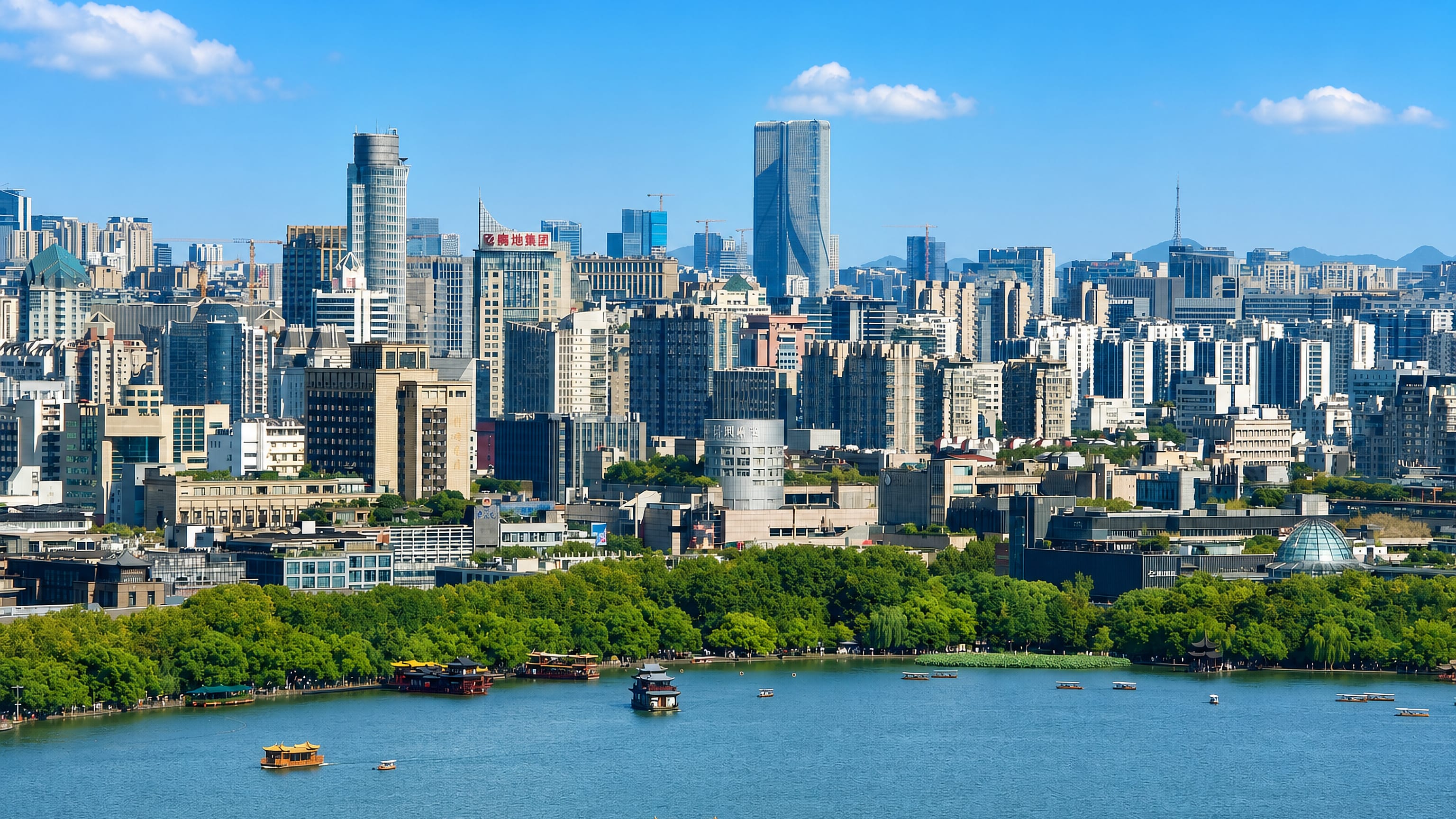
Willows lean over West Lake at Hangzhou, capital of Zhejiang where the Grand Canal ends, an old Chinese capital known for its lake and silk.
Hotel links are affiliate links: booking through them may earn us a commission, at no extra cost to you. It never affects how places are ranked. How this works


Where to stay in Hangzhou
One neighbourhood here has its own guide — here's what it is best for.

 HangzhouChina
Tianducheng
Tianducheng, officially Guangsha Tianducheng, is a housing estate in Xingqiao Subdistrict of Linping District, Hangzhou. Paris is the model.Where to stay →Hotel links are affiliate links: booking through them may earn us a commission, at no extra cost to you. It never affects how places are ranked. How this works
Find hotels in Hangzhou
Direct booking searches for these neighbourhoods.
West Lake shore
The West Lake Museum and the Zhejiang Provincial Museum sit on the eastern edge of West Lake, a short boat or walk from its causeways and temple hills.Find hotels in West Lake shoreQuieter lanes along the historic waterwayGrand Canal old town
The Hu Qing Yu Tang apothecary and the Hangzhou Museum stand near the southern end of the Grand Canal, away from the busiest lakefront of Hangzhou.Find hotels in Grand Canal old townHotel links are affiliate links: booking through them may earn us a commission, at no extra cost to you. It never affects how places are ranked. How this works
Things to do in Hangzhou
Ranked by global recognition; descriptions from Wikidata (CC0).
Museums & Galleries
3- Hu Qing Yu Tang Heritage
- Zhejiang Provincial Museum
- China National Silk Museum
Churches & Religious Sites
1- Cathedral of the Immaculate Conception
Castles & Historic Sites
1- Deshou Palace
Nature & Outdoors
1- West Lake
Stadiums & Sports
1- Hangzhou Guangxia Gymnasium
worth knowingacross 5 categories in Hangzhou
About Hangzhou
What is Hangzhou known for?
Hangzhou is known above all for West Lake, the broad water at its western edge ringed by causeways, temples, and hills. One of the old capitals of China, it sits where the Grand Canal reaches its southern end near Hangzhou Bay, and that long standing made it a centre of culture and craft. The city keeps the trade at the China National Silk Museum and the old apothecary of Hu Qing Yu Tang.
It is the capital of Zhejiang.
What are the main landmarks in Hangzhou?
West Lake is the heart of Hangzhou. Its causeways, islets, and lakeside temples draw more visitors than anything else in the city, ringed by wooded hills. Around the shore the West Lake Museum and the Zhejiang Provincial Museum gather the region's collections, while the China National Silk Museum keeps the trade the city grew rich on.
In the old streets the Hu Qing Yu Tang preserves a famous apothecary, and the Deshou Palace marks a vanished imperial court. The Hangzhou Museum and the CAA Art Museum round out the set.
What is the history of Hangzhou?
Hangzhou is one of the old capitals of China. Its rise came from water: the Grand Canal reached its southern end here, tying the city into the great inland trade route, and the sheltered ground near Hangzhou Bay let it grow into a wealthy centre of commerce and craft. As an imperial capital it drew scholars, merchants, and artisans.
The silk trade made its fortune. That wealth left the city its lasting institutions. The craft of silk is kept at the China National Silk Museum, and the old apothecary trade survives at the Hu Qing Yu Tang, a medicine hall that grew famous across the country.
The Deshou Palace marks the site of a court from the city's years as a capital, its grounds now excavated and shown. Through every era West Lake stayed at the centre of the place, its shores lined with the temples, gardens, and causeways that made Hangzhou a byword for scenery long before it became the capital of Zhejiang.
Where is Hangzhou?
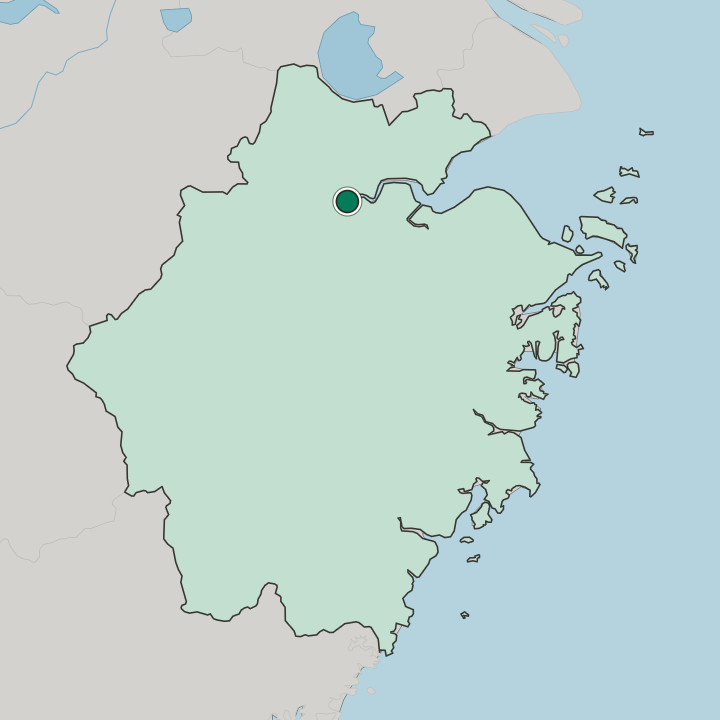
Hangzhou lies where the Grand Canal reaches its southern end and the land meets Hangzhou Bay, the capital of Zhejiang set among low hills. West Lake fills a basin on the city's western side, held by wooded ridges and fed by the streams that come down off the hills, while the canal threads north from the shore toward the wider delta. Hills close the western edge.
The lake, the canal, and the bay give the city three distinct kinds of water, and the tea-planted slopes above West Lake lift the ground into a green rim that frames the whole basin of Hangzhou.
What is the climate of Hangzhou?
Hangzhou has a humid, four-season climate typical of the lower Yangtze country around Hangzhou Bay. Summers turn hot and muggy, winters cool and damp, and a long wet season falls in the warmer half of the year, so the seasons swing widely from one to the next. Its summers run humid and heavy.
Lying inland from the bay yet close to it, the city holds moisture through much of the year, and mist often settles over West Lake in the cooler, damper months.
How do you get to Hangzhou?
Hangzhou sits at the southern end of the Grand Canal, well linked by rail, road, and air. Fast trains run in from every direction, the old canal still carries water traffic toward Hangzhou Bay, and the capital of Zhejiang lies within easy reach of the wider delta. Most long-distance visitors arrive by train or plane.
From either, the ride to the shores of West Lake is short, leaving the lake, the causeways, and the museum quarter close to arrival.
Common questions
What is the best area to stay in Hangzhou?
West Lake shore: Lakeside museums and the causeway walks. Grand Canal old town: Quieter lanes along the historic waterway.
Good for
More cities in Zhejiang
Updated October 2026