China · Zhejiang
Where to Stay in Quzhou, Zhejiang
Quzhou is a prefecture-level city on the upper Qiantang River in Zhejiang, holding the Temple of Southern Confucianism and the Longyou Caves.
Hotel links are affiliate links: booking through them may earn us a commission, at no extra cost to you. It never affects how places are ranked. How this works


Where to stay in Quzhou
Where the beds are, and what that means for the visit.
Two districts hold the beds. Kecheng and Qujiang make up the built-up part of Quzhou, and everything else in the prefecture-level city is countryside, county towns and the roads between them. Kecheng carries the old ground.
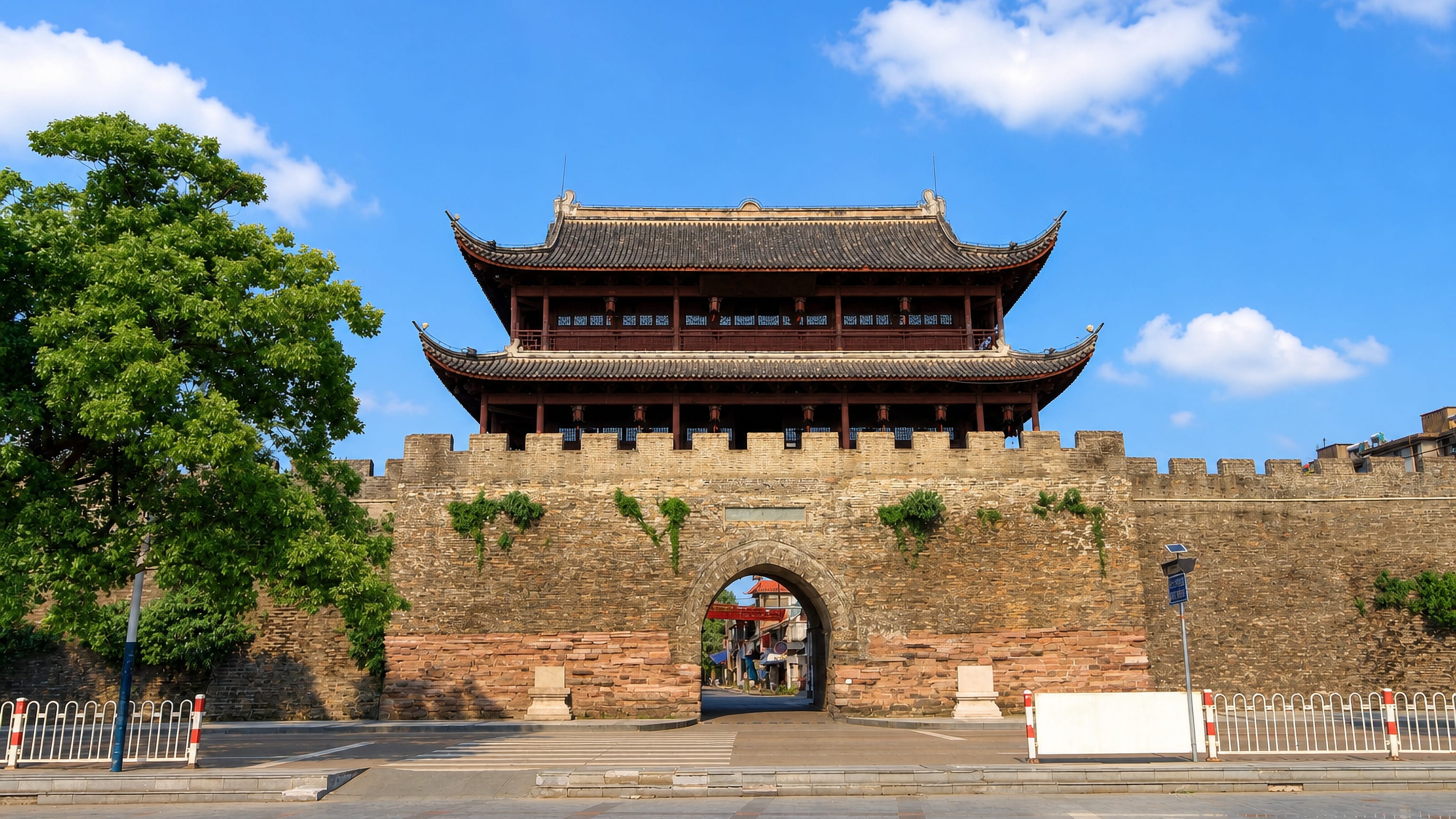
The Temple of Southern Confucianism, the Quzhou city walls and the Jimingshan Residential Garden sit on that side, which makes it the obvious choice for anyone whose reason for coming is the Confucian temple. Qujiang is the quieter half. Hangzhou and Jinhua lie beyond the prefecture's edges, close enough that Quzhou also works as a stop rather than only a destination. The rest of Quzhou is a drive.
Longyou Caves, the Sarira Pagoda in Huzhen and the Wenchang Palace in Jiangshan all lie out in the counties, so a room booked for those needs checking against the road rather than against the city centre. Quzhou Museum sits in town. Anyone splitting the trip between the museum, the Porcelain Workshop in Sanqingkou and the ancestral halls at Chetang and Nanwu will find the urban districts the only base that reaches all of them.
The Qiantang River runs past both. Water was the old approach.
Find hotels in Quzhou
Direct booking searches for these neighbourhoods.
Kecheng
The urban district holding the Confucian temple, the Quzhou city walls and the Jimingshan Residential GardenFind hotels in KechengQuieter nights still within reach of the Quzhou MuseumQujiang
The second urban district of the built-up area, set along the upper Qiantang River away from the temple trafficFind hotels in QujiangDays given over to the Longyou CavesThe Longyou county road
The county side of the prefecture, taken when the caves and the Sarira Pagoda in Huzhen matter more than the two urban districts. Lodging is scarce in this area; reserve in advance.Find hotels in The Longyou county roadHotel links are affiliate links: booking through them may earn us a commission, at no extra cost to you. It never affects how places are ranked. How this works
About Quzhou
Confucian standing settled here.
What is Quzhou known for?
The Temple of Southern Confucianism gives Quzhou a rank no other prefecture-level city in Zhejiang carries, and the Longyou Caves add a second draw of an entirely different kind on the same ground. Quzhou Museum keeps the record. City walls survive as well, and the Porcelain Workshop in Sanqingkou marks the making that went on along the upper Qiantang River.
What are the main landmarks in Quzhou?
Sites here run to a long tally. Quzhou holds the Temple of Southern Confucianism, the Quzhou city walls, the Jimingshan Residential Garden and the Zhouxuanlingwang Miao within its urban districts, with the Quzhou Museum gathering what the sites themselves cannot show. The counties hold as many again.
Longyou Caves, the Xianyandong Cliff Inscriptions, the Sanhuai Halls, the Guanxi Shijia and the Sanmenyuan Ye Residence are spread through them, and the Shaoyi Hall and Hengshan Pagoda close the set.
What is the history of Quzhou?
Walls came before anything else. The Quzhou city walls mark the defended core of a place set against three provincial boundaries at once, since Fujian, Jiangxi and Anhui all begin close by, and that kind of junction gets fortified rather than left open. The temple gave it rank.
A Temple of Southern Confucianism placed the city inside the Confucian tradition under its own name, and that name still fixes Quzhou's standing among the cities of Zhejiang. The upper course of the Qiantang River runs through the prefecture, and Quzhou sits on it rather than on the provincial boundaries that ring the rest of its territory. Kilns and clans left their own record.
The Porcelain Workshop in Sanqingkou survives from the making side of the economy, while the Beiyu Lanshi Zongci, the Yang Ancestral Hall at Nanwu and Wu's Ancestral Hall in Chetang record the families who held the land around it. Religion built upward. The Sarira Pagoda in Huzhen and the Hengshan Pagoda beside Shaoyi Hall mark that thread, and the Wenchang Palace at Jiangshan carries the scholarly one.
Zhou Xun was born in Quzhou. The city keeps its own line of names as carefully as it keeps the walls and the halls, and the Quzhou Museum is where that keeping is done.
Where is Quzhou?
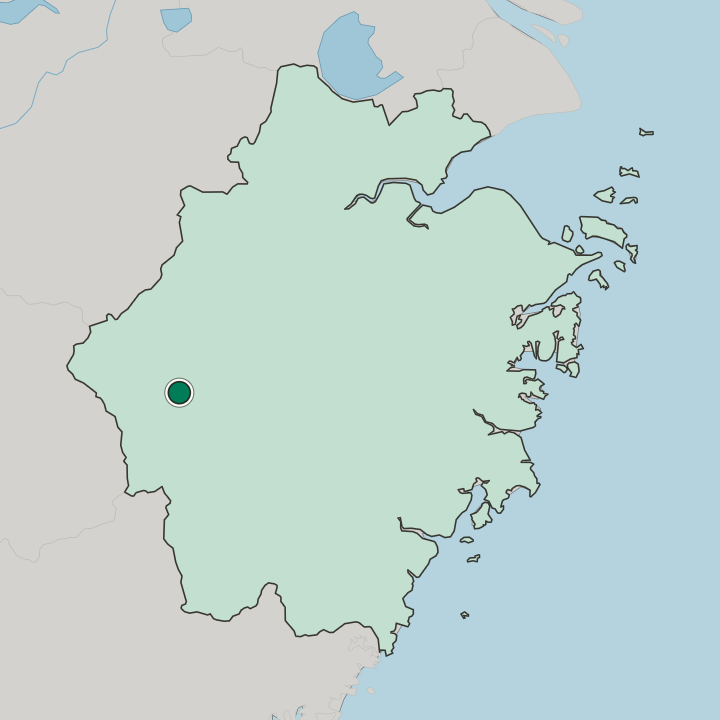
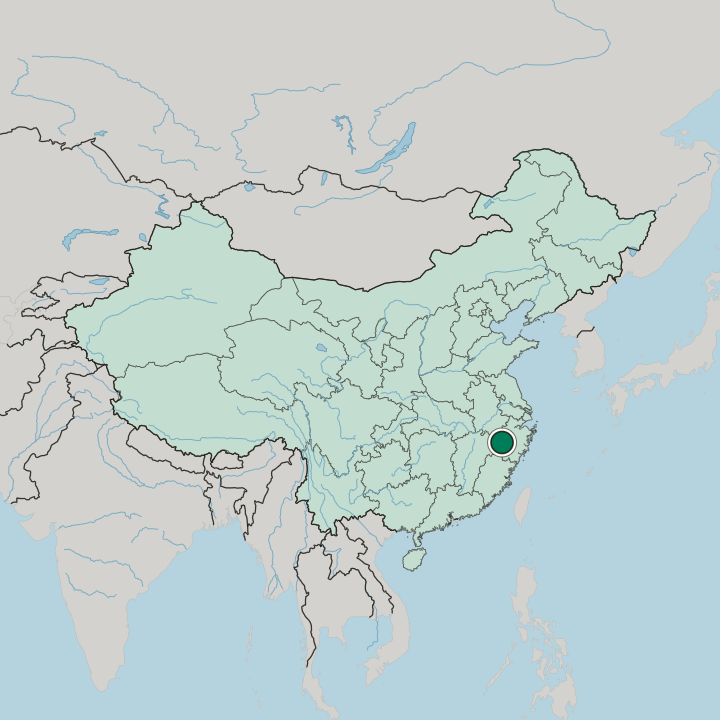
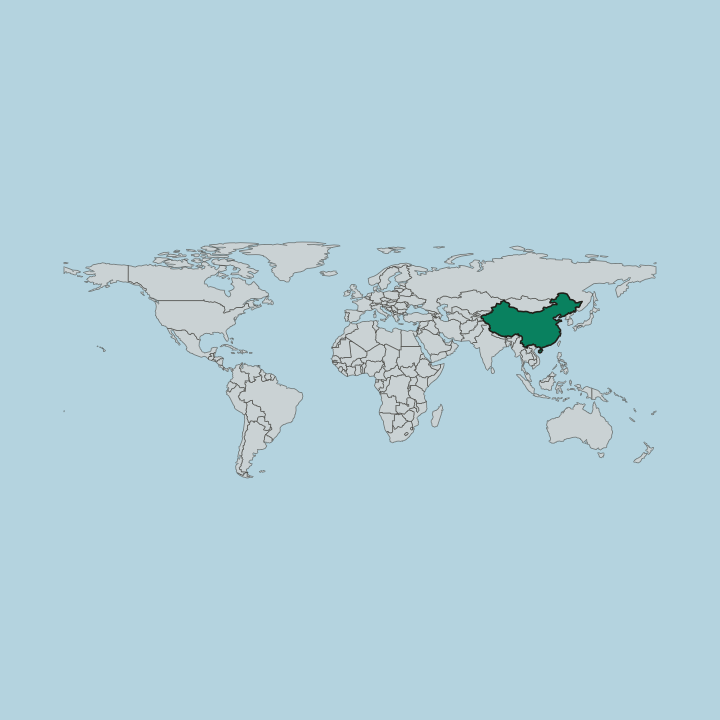
Three provinces touch the edge. Quzhou borders Hangzhou to the north, Jinhua to the east and Lishui to the southeast, while Fujian, Jiangxi and Anhui meet it to the south, southwest and northwest. The Qiantang River sets the axis.
Its upper course runs through the prefecture-level city, and Qujiang and Kecheng form the built-up part of a territory that otherwise runs to county towns and hills.
What is the climate of Quzhou?
Seasons here answer to the subtropical zone. Quzhou sits inside it north of the equator, which gives a long warm season and a short cool one, and the upper Qiantang River carries the rain of that season down through the prefecture. Longyou Caves stay even.
Underground the temperature holds steady where the surface does not, which is part of why the caves draw visitors through both halves of the Zhejiang year.
How do you get to Quzhou?
Neighbours make the approach. Quzhou is reached from Hangzhou, Jinhua and Lishui within Zhejiang, and from Fujian, Jiangxi and Anhui across the provincial lines that meet around the prefecture. Kecheng is where arrivals land.
The built-up area of Kecheng and Qujiang is the practical entry point, and the county sites at Longyou, Huzhen and Jiangshan are reached onward from there.
Common questions
What is the best area to stay in Quzhou?
Kecheng: Mornings at the Temple of Southern Confucianism. Qujiang: Quieter nights still within reach of the Quzhou Museum. The Longyou county road: Days given over to the Longyou Caves.
More cities in Zhejiang
Updated September 2026