China · Zhejiang
Where to Stay in Ningbo, Zhejiang
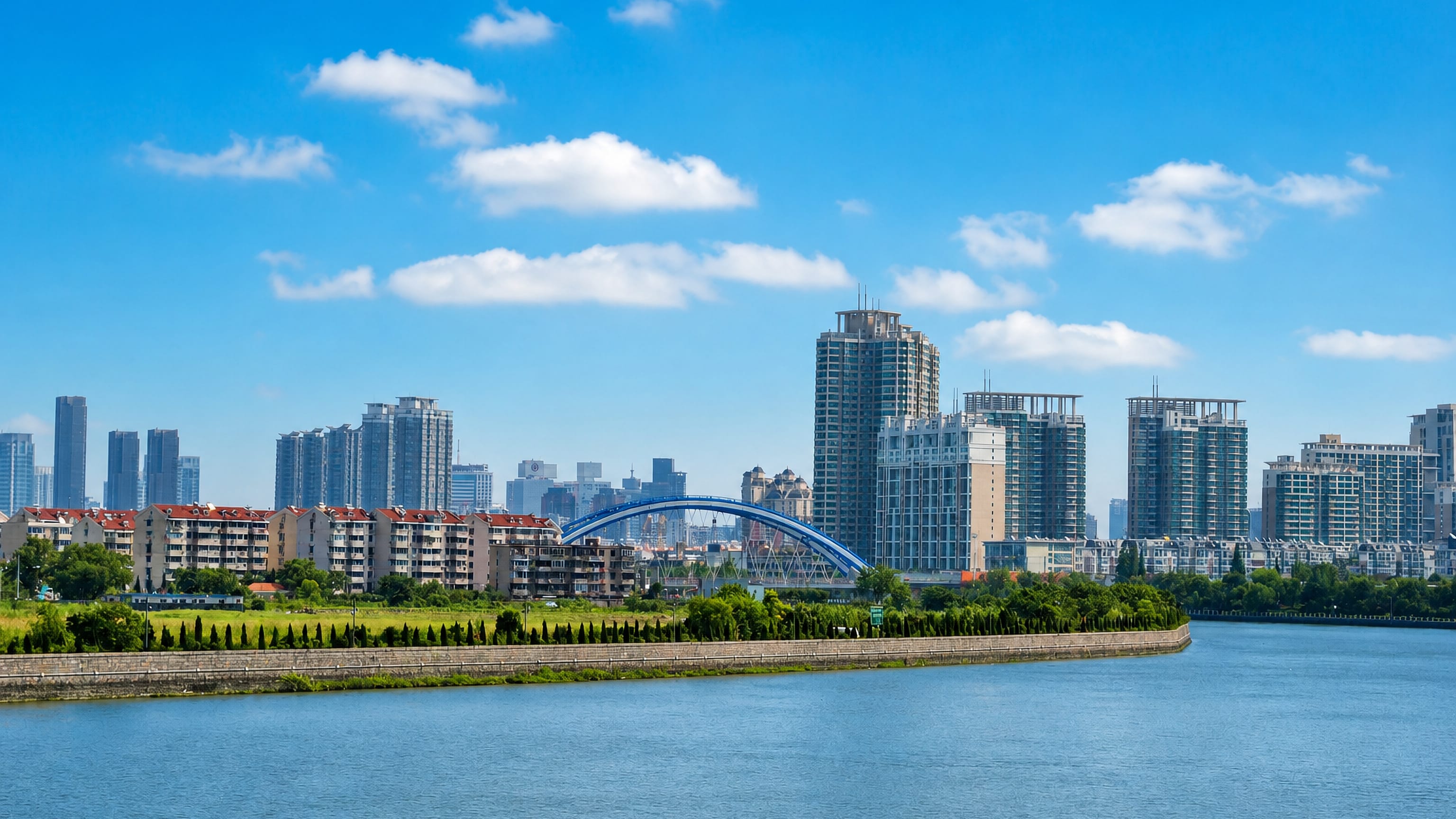
Cargo cranes line the water at Ningbo, a port city in northeast Zhejiang on Hangzhou Bay, known for the old library of the Tianyi Pavilion.
Hotel links are affiliate links: booking through them may earn us a commission, at no extra cost to you. It never affects how places are ranked. How this works


Where to stay in Ningbo
The practical side of choosing where to sleep.
Ningbo splits into urban districts along its rivers, so where you stay depends on which side of the water you want at hand. Haishu holds the old core on the western bank, near the Tianyi Pavilion and the historic streets, and it suits you if you want the city's heritage and its shopping lanes on your doorstep. The Sanjiangkou point sits where the three rivers meet, a district of towers, malls, and riverside hotels close to the Sacred Heart Cathedral and the night-lit waterfront.
Jiangdong lies on the east bank. Its business hotels stand near the Ningbo Museum of Art and the wide new avenues, a steadier base for travellers who want space and easy transport. Toward the coast, the port districts and the county towns run out to Hangzhou Bay and the East China Sea.
Beds run plentiful across the city, though rooms fill when trade brings buyers and shippers to the great harbour of Ningbo.
Find hotels in Ningbo
Direct booking searches for these neighbourhoods.
Haishu
The old western-bank core near the Tianyi Pavilion library and the historic lanes.Find hotels in Haishuriverside nightlifeSanjiangkou
Towers and hotels at the meeting of the three rivers by the Sacred Heart Cathedral.Find hotels in Sanjiangkoubusiness and spaceJiangdong
East-bank hotels near the Ningbo Museum of Art and the new avenues.Find hotels in JiangdongHotel links are affiliate links: booking through them may earn us a commission, at no extra cost to you. It never affects how places are ranked. How this works
Things to do in Ningbo
Ranked by global recognition; descriptions from Wikidata (CC0).
Museums & Galleries
2- Tianyi Pavilion Museum
- Ningbo Museum of Art
Churches & Religious Sites
1- Sacred Heart Cathedral Heritage
Castles & Historic Sites
1- Yongfeng Warehouse Site Heritage
Stadiums & Sports
1- Ningbo Sports Development Center
worth knowingacross 4 categories in Ningbo
About Ningbo
What is Ningbo known for?
Ningbo is known as a great port city of the Yangtze Delta, set where the rivers of northeast Zhejiang meet Hangzhou Bay and the East China Sea. Its harbour is among the world's major cargo ports. The city is also a place of old learning, home to the Tianyi Pavilion, one of the oldest surviving private libraries in the country, while the Ningbo Museum of Art and the Sacred Heart Cathedral mark its later chapters.
Shanghai lies across the bay. Trade has shaped Ningbo for centuries.
What are the main landmarks in Ningbo?
Ningbo keeps its greatest landmark in a garden of the old town. The Tianyi Pavilion is the great one, ranking among the oldest surviving private libraries anywhere in the country, a scholar's book collection housed in halls and courtyards set beside a quiet ornamental pool. By the waterfront where the rivers meet stands the Sacred Heart Cathedral, a reminder of the port's long trading contacts with the wider world.
Art has its home too. The Ningbo Museum of Art occupies a converted shipping hall by the river, and the Yongfeng Warehouse Site preserves the remains of a granary from the city's days as a maritime trade hub.
What is the history of Ningbo?
Ningbo has lived by the sea for well over a thousand years. The city rose where three rivers join before running out to Hangzhou Bay, a natural harbour that made it one of the great trading ports of the eastern coast in the imperial centuries. Ships from Japan, Korea, and Southeast Asia put in here, and the Yongfeng Warehouse Site recalls the granaries and depots that stored the goods of that maritime trade.
Merchants and scholars prospered together. Wealth from the sea built a city of learning as well as commerce. In the sixteenth century a retired official founded the Tianyi Pavilion, gathering a library that would outlast dynasties and become one of the oldest private book collections still standing in China.
The port opened further to foreign trade in the nineteenth century, and the Sacred Heart Cathedral rose from those contacts with the outside world. Ningbo merchants carried their name to Shanghai and beyond. Through every change the harbour stayed at the heart of the city, growing at last into the great cargo port that spreads along Hangzhou Bay and the East China Sea.
Where is Ningbo?
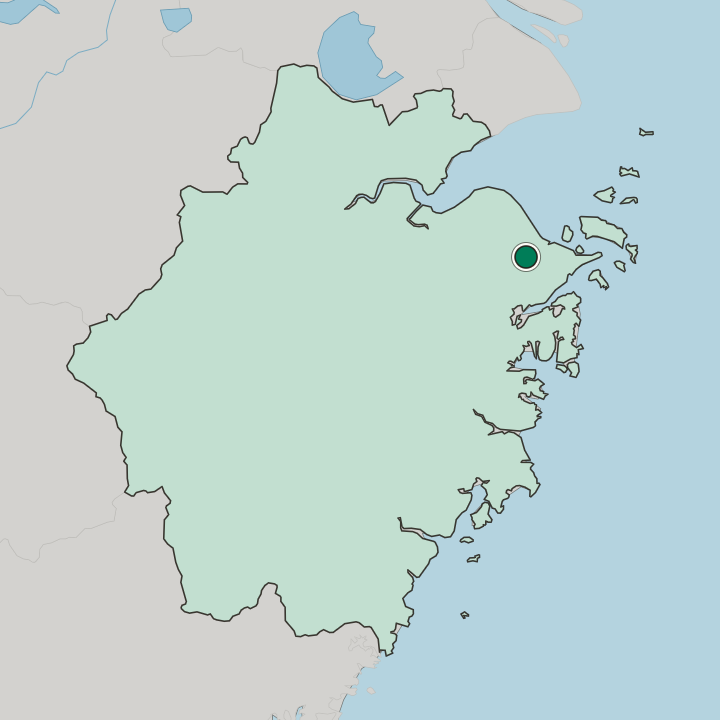
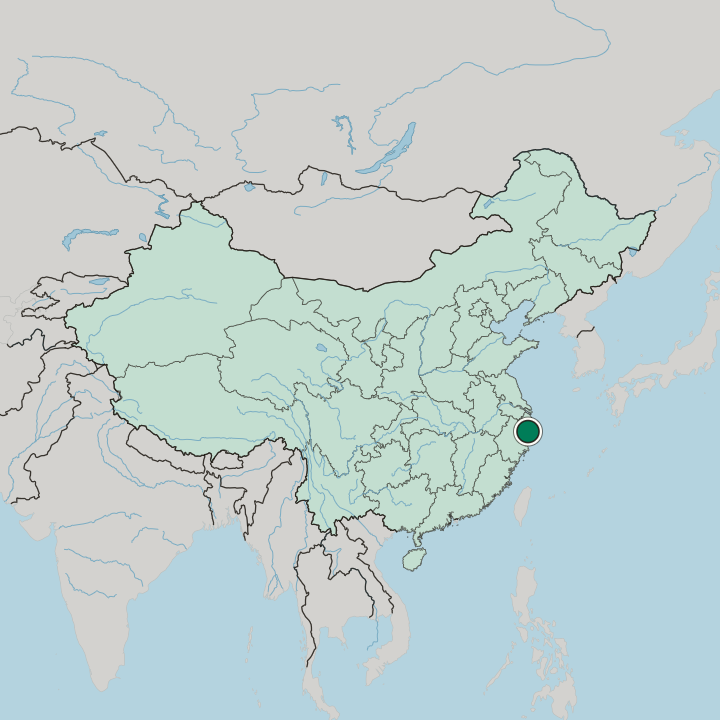
Ningbo lies in northeast Zhejiang, on the coast where the rivers of the Yangtze Delta drain into Hangzhou Bay and the East China Sea. Three rivers meet in the city. Their junction at Sanjiangkou forms the heart of the old port, and the urban districts spread along the banks between low green hills and the flat reclaimed ground toward the water.
Offshore, islands scatter across the bay and the sea, and the coast runs out to the sprawling harbour, so Ningbo sits between the delta plain behind it and the shipping lanes of the East China Sea ahead.
What is the climate of Ningbo?
Ningbo has a humid subtropical climate softened and threatened by the sea. Summers are hot and wet. The East Asian monsoon brings heavy rain from late spring into summer, and typhoons can drive in off the East China Sea in late summer and autumn, so the warm months are the stormiest.
Winters are cool, damp, and grey rather than truly cold, with occasional frost on the delta. Spring arrives mild and rainy, greening the hills around Hangzhou Bay.
How do you get to Ningbo?
Ningbo sits well connected within the Yangtze Delta and beyond. Fast trains reach it easily. High-speed lines link the city to Hangzhou, Shanghai, and the wider network, running along the southern shore of Hangzhou Bay, while the airport connects Ningbo to cities across China.
The great cross-bay bridges over Hangzhou Bay shorten the road to Shanghai, and expressways thread the delta towns. Ferries serve the islands of the East China Sea offshore, and the port ties the city to shipping routes worldwide.
Common questions
What is the best area to stay in Ningbo?
Haishu: heritage and shopping. Sanjiangkou: riverside nightlife. Jiangdong: business and space.
Good for
More cities in Zhejiang
Updated September 2026