China · Zhejiang
Where to Stay in Wuzhen, Zhejiang
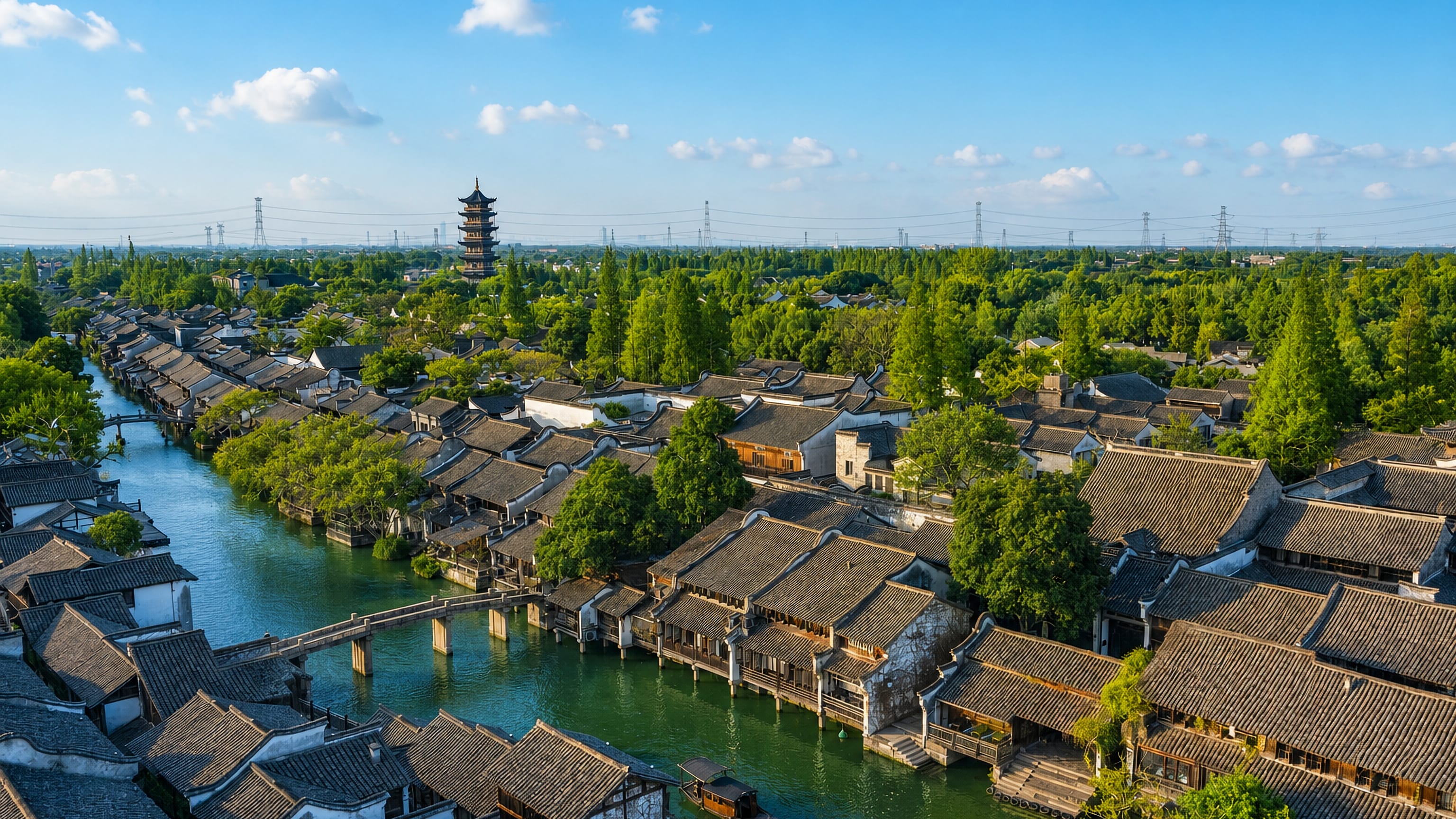
Wuzhen is a historic water town of Tongxiang in Zhejiang, built mainly in the 7th century under the Tang dynasty, with the former residence of Mao Dun.
Hotel links are affiliate links: booking through them may earn us a commission, at no extra cost to you. It never affects how places are ranked. How this works


Where to stay in Wuzhen
Where the beds are, and what that means for the visit.
The water decides everything. Wuzhen is small enough to walk end to end, so the real choice is between a room on the canal itself and one back in Tongxiang where the town's own scale stops mattering. Canal-side rooms sell first.
A bed over the water puts the lanes, the bridges and the former residence of Mao Dun outside the door, which is the whole point of coming to a water town rather than a city. Space is the trade; rooms over the canal run small. Tongxiang is the practical fallback.
The county-level city around Wuzhen holds the everyday stock, and it makes sense for anyone driving, arriving late, or using the town as one stop among several in Zhejiang. Textiles built its trade. Art pulls in another direction.
Muxin Art Museum and the Nanxun Christ Church reward an unhurried morning, and staying inside the seventy-odd square kilometres of the town means reaching both before the day-trip coaches do. Nights are the reason to stay. Once the coaches leave, the canals belong to whoever booked a room, and that difference is worth more here than the room itself.
Find hotels in Wuzhen
Direct booking searches for these neighbourhoods.
The canal lanes
The core of Wuzhen along the canals, with the former residence of Mao Dun and the bridges at the door. Beds are limited here, so book early.Find hotels in The canal lanesSlow mornings between the art museum and the Nanxun Christ ChurchThe Muxin Art Museum end
The quieter part of the town nearest the Muxin Art Museum, off the busiest canal frontageFind hotels in The Muxin Art Museum endDrivers and late arrivals treating Wuzhen as one stop in ZhejiangTongxiang
The county-level city surrounding the water town, carrying the ordinary hotel stock Wuzhen itself does notFind hotels in TongxiangHotel links are affiliate links: booking through them may earn us a commission, at no extra cost to you. It never affects how places are ranked. How this works
About Wuzhen
Canals do the work here.
What is Wuzhen known for?
Wuzhen is one of the water towns of Tongxiang, and the building that went up in the 7th century under the Tang dynasty is still what visitors come along the waterways to see. Mao Dun is the town's writer. The former residence of Mao Dun stands among the lanes, and the Muxin Art Museum and the Nanxun Christ Church give the place two more stops of quite different age.
What are the main landmarks in Wuzhen?
Four things carry the town. Wuzhen itself is listed as the sight, a water town whose lanes and canals are the monument rather than any single building within them. The former residence of Mao Dun sits inside it.
Muxin Art Museum and the Nanxun Christ Church complete the set, and the two of them place a modern gallery and a church beside a town that was built in the 7th century.
What is the history of Wuzhen?
The 7th century set the plan. Wuzhen was built primarily then, under the Tang dynasty, and the water town that resulted has kept the shape of that period more completely than most places of its age in Zhejiang, which is why the whole settlement is treated as the sight rather than any one building standing in it. Canals came first, then the lanes.
Building along water rather than along a road produced a settlement organised by its frontages, and that logic still governs how the town is entered and crossed. Tongxiang absorbed it. Wuzhen is part of that county-level city, recorded in Chinese as Wuzhen Town, and the textile trade of Tongxiang gave the district an economy that did not depend on visitors at all.
Mao Dun came from this ground. The former residence of Mao Dun is preserved as a museum, and the writer's name did as much as the canals to bring the town to national attention. Newer institutions arrived on top.
Muxin Art Museum and the Nanxun Christ Church belong to layers laid down long after the Tang dynasty, and they sit within the same street pattern without displacing it. Tourism became the second trade.
Where is Wuzhen?
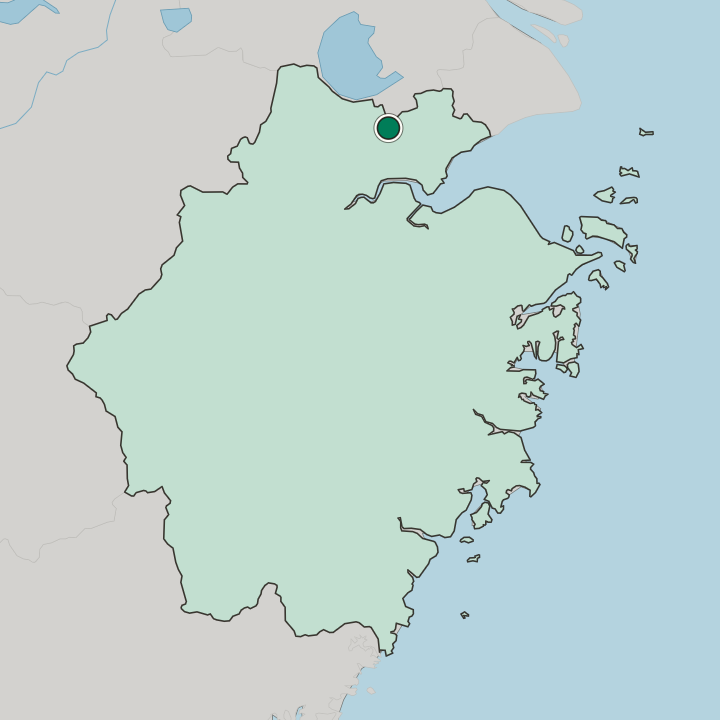
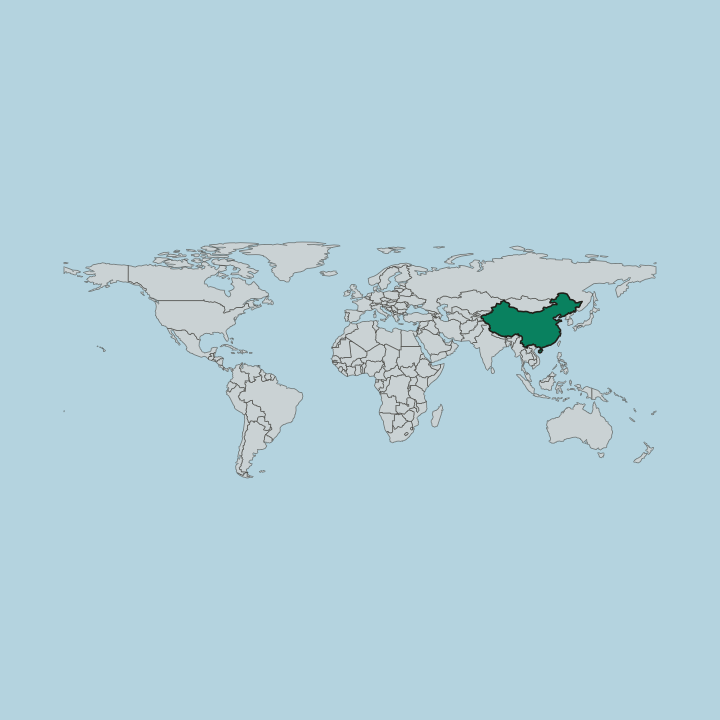
Water lays out the ground. Wuzhen occupies roughly seventy square kilometres within Tongxiang, and canals rather than streets set the pattern of the town, which is the defining fact of a water town anywhere in Zhejiang. Tongxiang encloses it entirely.
The county-level city carries the surrounding country and the textile trade, and Wuzhen sits inside that frame as its best-known part.
What is the climate of Wuzhen?
The canals feel the season. Wuzhen sits in the subtropical band north of the equator, so its summers are long and wet and its winters short, and water running through the middle of a town registers both ends of that year quickly. Moisture stays with the town all year.
Zhejiang weather of this kind keeps the country around Tongxiang green for most of the calendar, and the water towns take their character from the same abundance.
How do you get to Wuzhen?
Tongxiang is the way in. Wuzhen belongs to that county-level city, so travellers reach it through Tongxiang rather than by any route of its own. The town is walked, not driven.
Once inside, the bridges and frontages carry everything, and the former residence of Mao Dun, the Muxin Art Museum and the Nanxun Christ Church are all reached on foot.
Common questions
What is the best area to stay in Wuzhen?
The canal lanes: Waking on the water once the day visitors have gone. The Muxin Art Museum end: Slow mornings between the art museum and the Nanxun Christ Church. Tongxiang: Drivers and late arrivals treating Wuzhen as one stop in Zhejiang.
Good for
More cities in Zhejiang
Updated September 2026