China · Zhejiang
Where to Stay in Yiwu, Zhejiang
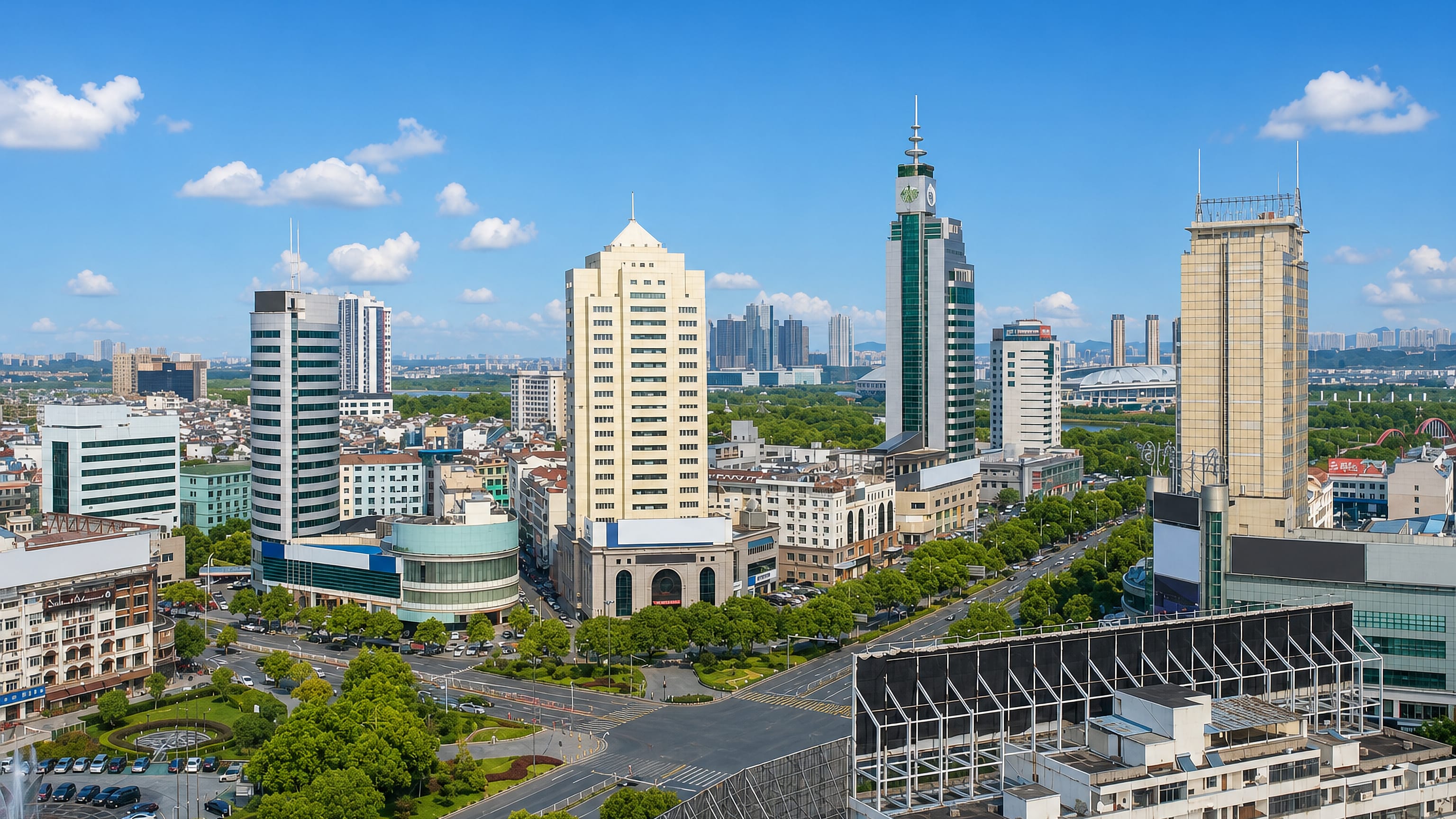
Yiwu is a city of Zhejiang in eastern China, the site of the world's largest market for small goods, where traders from across the earth come to buy.
Hotel links are affiliate links: booking through them may earn us a commission, at no extra cost to you. It never affects how places are ranked. How this works


Where to stay in Yiwu
How the choice of base plays out on the ground.
Where you stay in Yiwu turns on the market or the town. The blocks around the trade city keep the stalls, the wholesale halls, and the trader hotels within a walk, and staying by the market suits anyone here to buy. The halls run for miles.
Traders haggle over samples. Away from the market, the town spreads into its older quarters, the riverside parks, and the streets of the foreign merchants. A room in the town trades the halls for the quiet lanes, the small eateries, and the old stone bridge on the stream.
The city runs busy all year. Stay by the market to buy, or in town to rest. The stalls and the trains keep the city trading.
Find hotels in Yiwu
Direct booking searches for these neighbourhoods.
By the trade city
Around the Futian hallsFind hotels in By the trade cityStays wanting quiet lanes and parksThe older town
Away from the marketFind hotels in The older townHotel links are affiliate links: booking through them may earn us a commission, at no extra cost to you. It never affects how places are ranked. How this works
About Yiwu
Yiwu is the small-commodities capital of the world.
What is Yiwu known for?
In the hills of central Zhejiang in China, it built the greatest wholesale market on earth, and it keeps the vast trading halls of the Futian market, the foreign merchants who settle to buy in bulk, the freight trains that run to Europe, and the old peddler trade of feathers for sugar. Goods of every kind fill the stalls. Buyers crowd the trading floors.
What are the main landmarks in Yiwu?
The Futian market is the pride of Yiwu. The immense trading city of stalls, the largest wholesale market on earth, is the emblem of the town, downtown. Old stone spans a stream.
The Guyue bridge and the Da'an temple pagoda stand among the newer streets nearby, while the trading halls, the freight rail yard, and the house of Chen Wangdao mark the country around Yiwu.
What is the history of Yiwu?
Yiwu lived by peddling. For centuries its men walked the roads with baskets, trading sugar candy for chicken feathers and scrap, and the town learned the ways of the trader. A native son turned to books.
The scholar Chen Wangdao of Yiwu made the first full Chinese rendering of a famous foreign work, and the county honoured his old house. Reform opened a market. When China turned to trade in the nineteen-eighties, Yiwu threw open a market for small goods, and it grew stall by stall into the largest in the world.
The world came to buy. Merchants from the Middle East, Africa, and beyond flocked to Yiwu for its cheap wares, and freight trains carried its goods to Europe, so the town rose as the supermarket of the planet, keeping its market, its traders, and its old peddling spirit. The stalls still fill each dawn.
Yiwu keeps its great market in the Zhejiang hills.
Where is Yiwu?
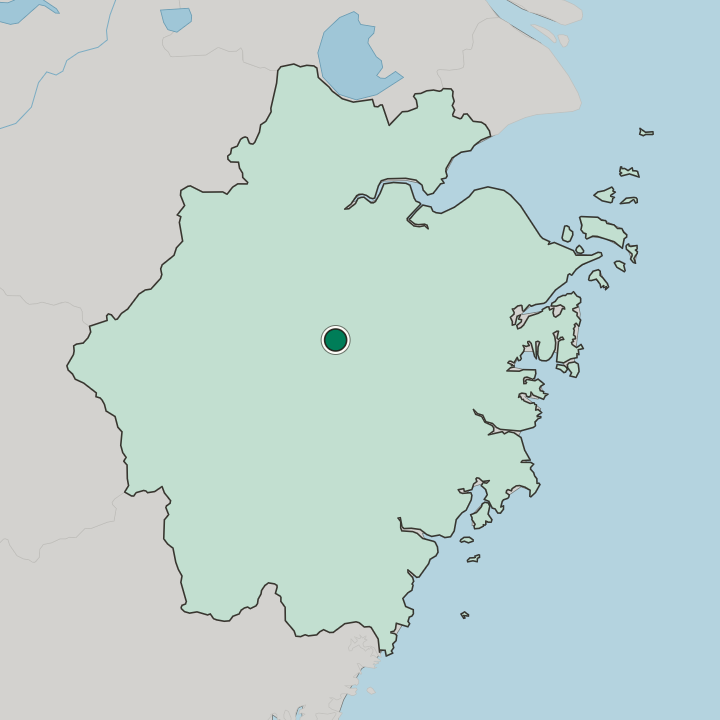
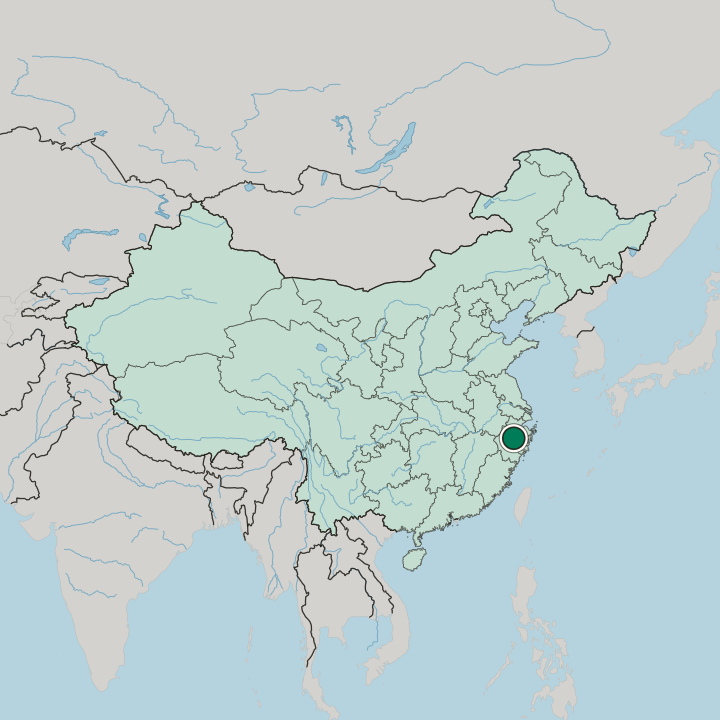
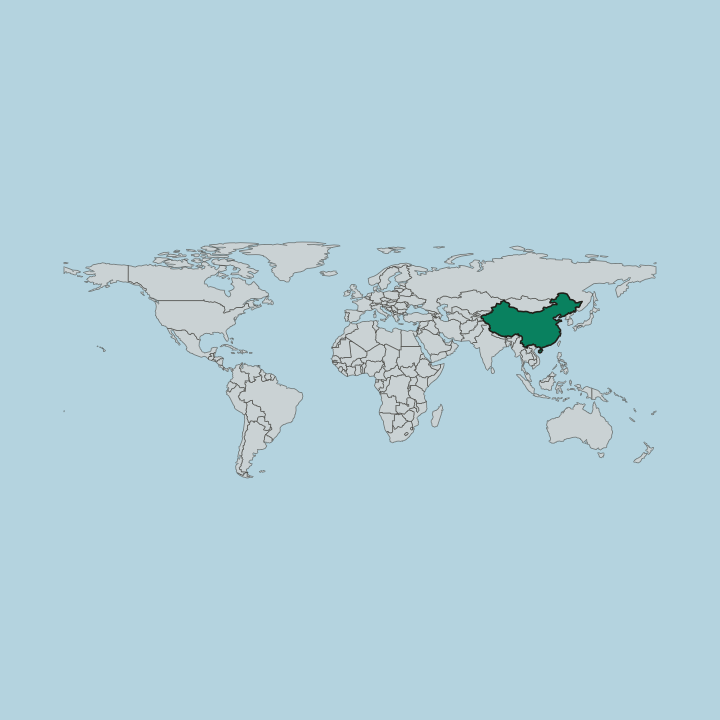
Yiwu lies in the middle of Zhejiang in China, in the hills south of Hangzhou. The city sits in a basin of the Yiwu river among low green hills, in a land once poor in soil but strong in trade, with the mountains of Zhejiang rising around and the river running north through the valley. Low hills ring the town.
The river winds through the basin.
What is the climate of Yiwu?
Yiwu has a mild, wet subtropical climate. Hot wet summers and cool grey winters cross the Zhejiang hills, with heavy rains in the plum-rain season and dry cold spells in winter. Summer rains soak the valley.
Winter turns damp and grey.
How do you get to Yiwu?
Yiwu lies in central Zhejiang in China, south of Hangzhou. Fast trains run to it from Hangzhou and Shanghai, and freight lines carry its goods west to Europe. Buyers fly in from abroad.
Hangzhou lies north up the line.
Common questions
What is the best area to stay in Yiwu?
By the trade city: Buyers here for the wholesale market. The older town: Stays wanting quiet lanes and parks.
More cities in Zhejiang
Updated September 2026