China
Zhejiang, China — Towns & Travel Guide
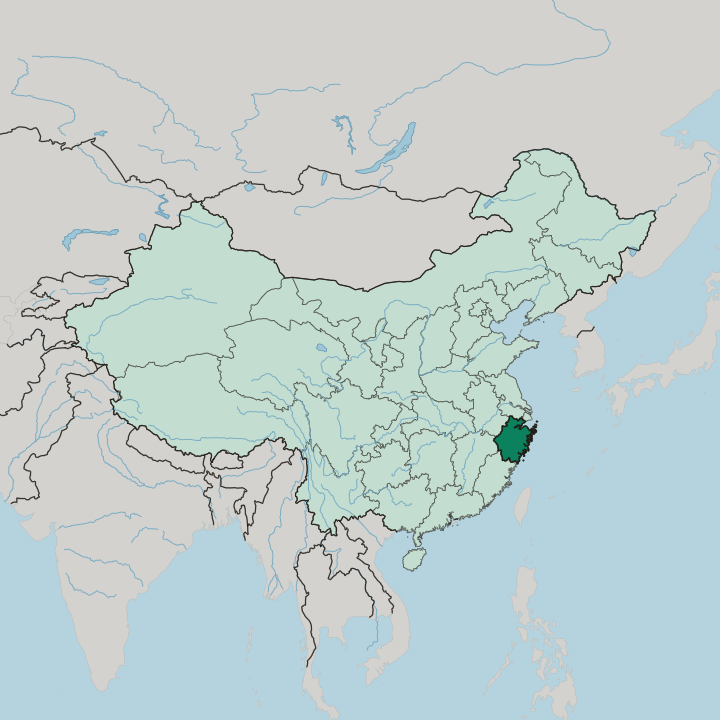
Zhejiang is a coastal province of eastern China, where the Qiantang River meets the East China Sea below the hills of Hangzhou.
Hotel links are affiliate links: booking through them may earn us a commission, at no extra cost to you. It never affects how places are ranked. How this works


Towns & cities in Zhejiang
Pick a town or city — each links to where to stay.
 China
China
Hangzhou
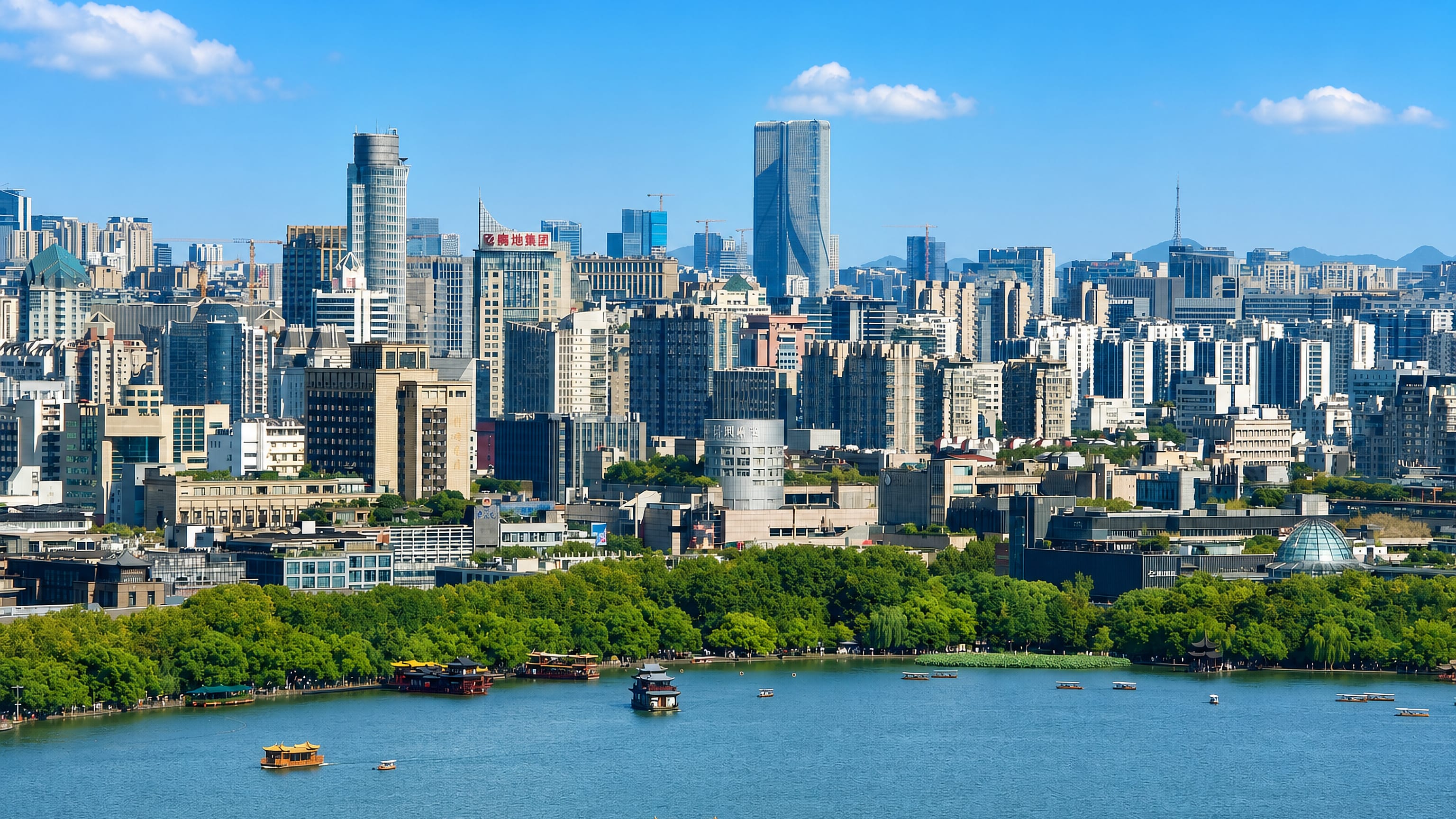
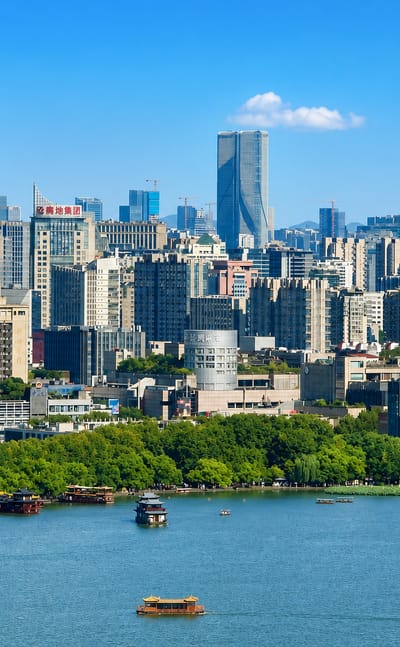
Willows lean over West Lake at Hangzhou, capital of Zhejiang where the Grand Canal ends, an old Chinese capital known for its lake and silk.Where to stay →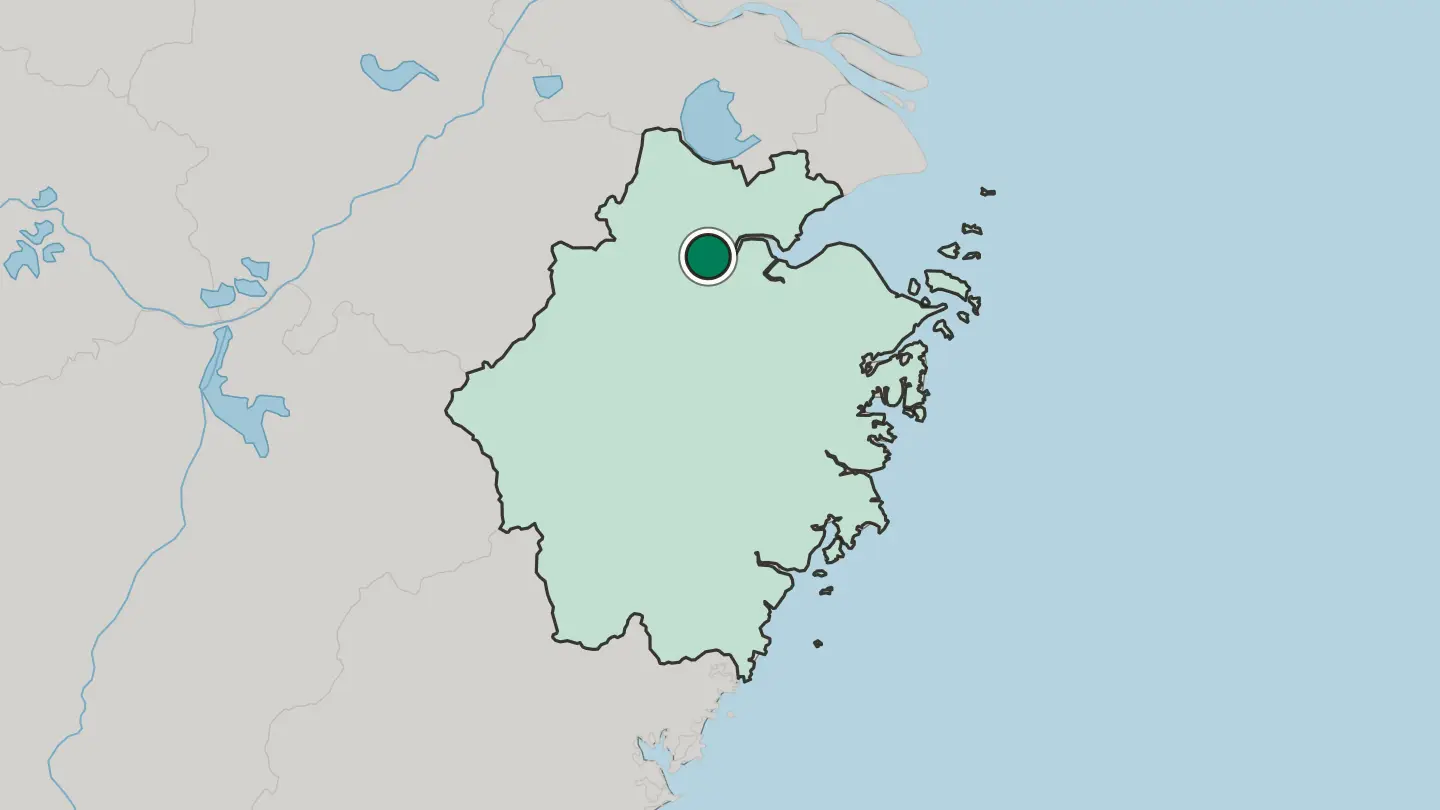
 China
China
Ningbo
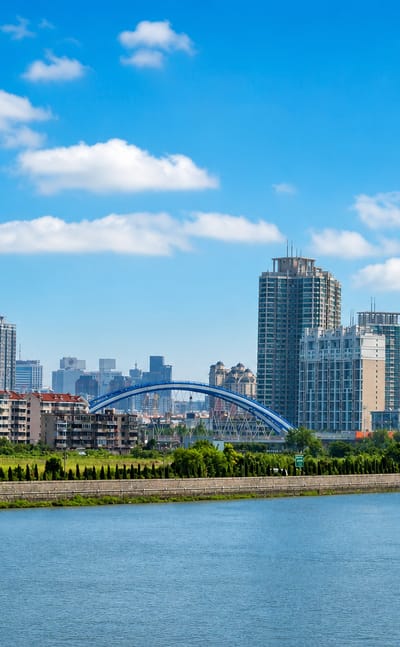
Cargo cranes line the water at Ningbo, a port city in northeast Zhejiang on Hangzhou Bay, known for the old library of the Tianyi Pavilion.Where to stay →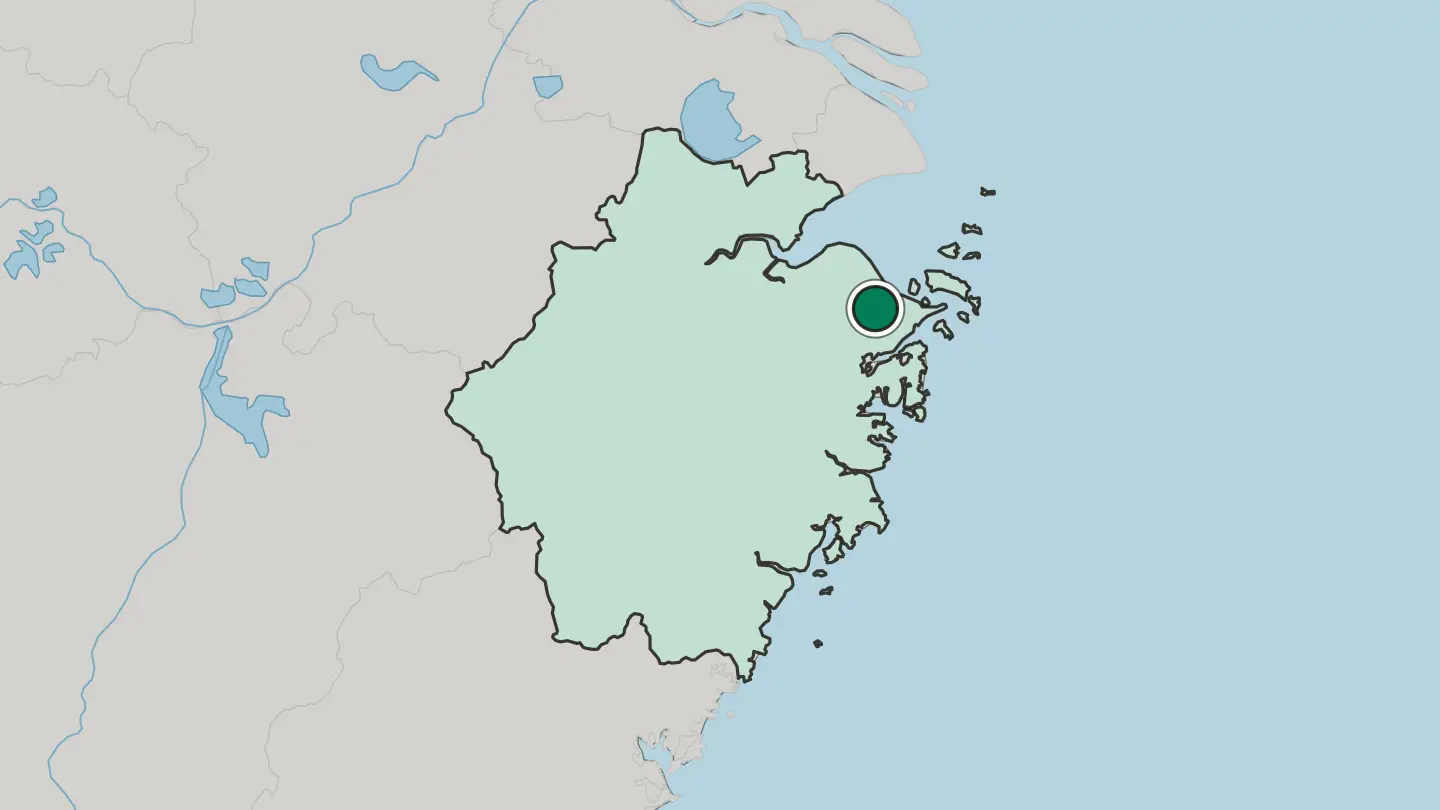
 China
China
Wenzhou
Wenzhou is a port city on the Ou river in Zhejiang, southeast China, an old trading town famed for its restless enterprise.Where to stay →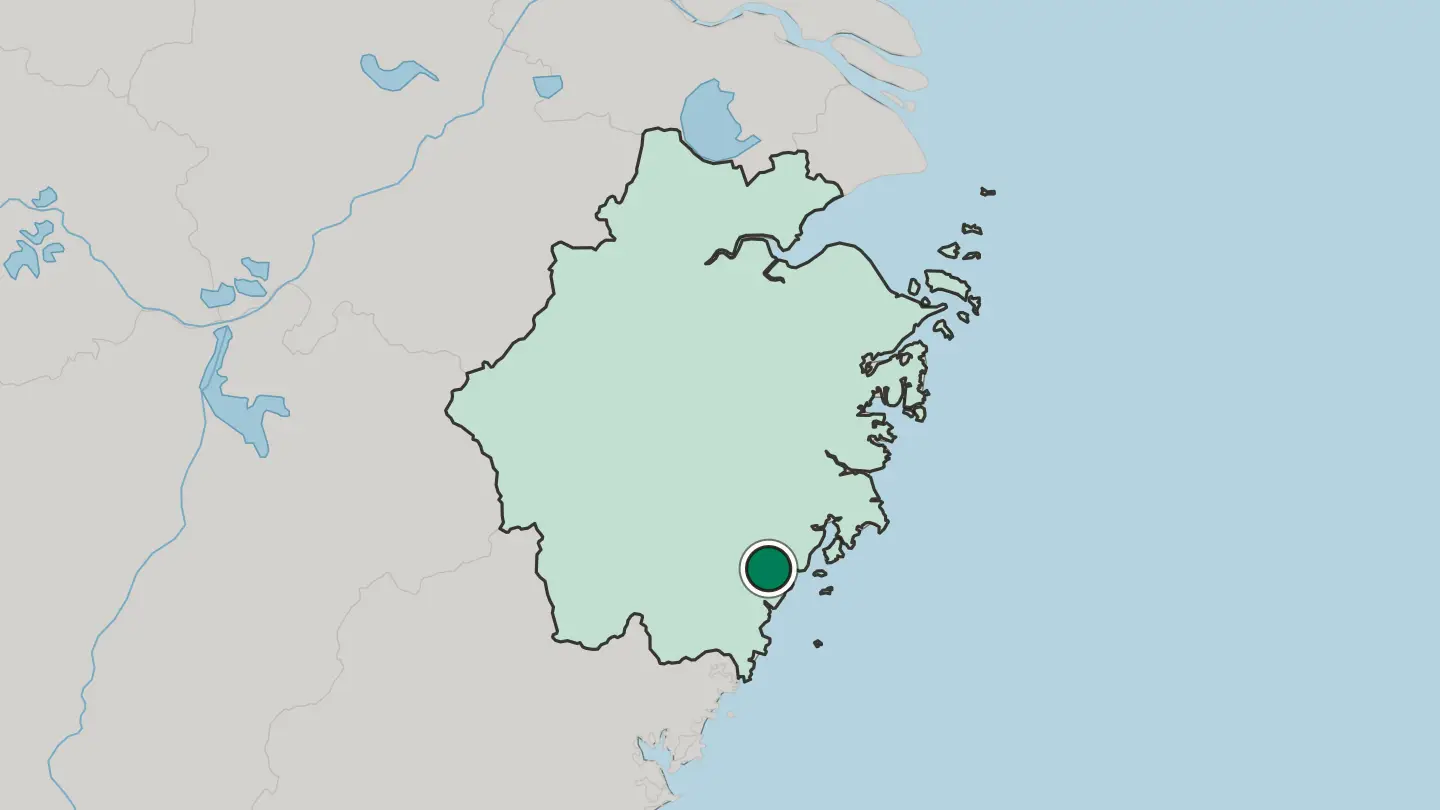
 China
China
Shaoxing
Shaoxing is an ancient water town of canals and stone bridges in Zhejiang, eastern China, famous for its rice wine and its scholars.Where to stay →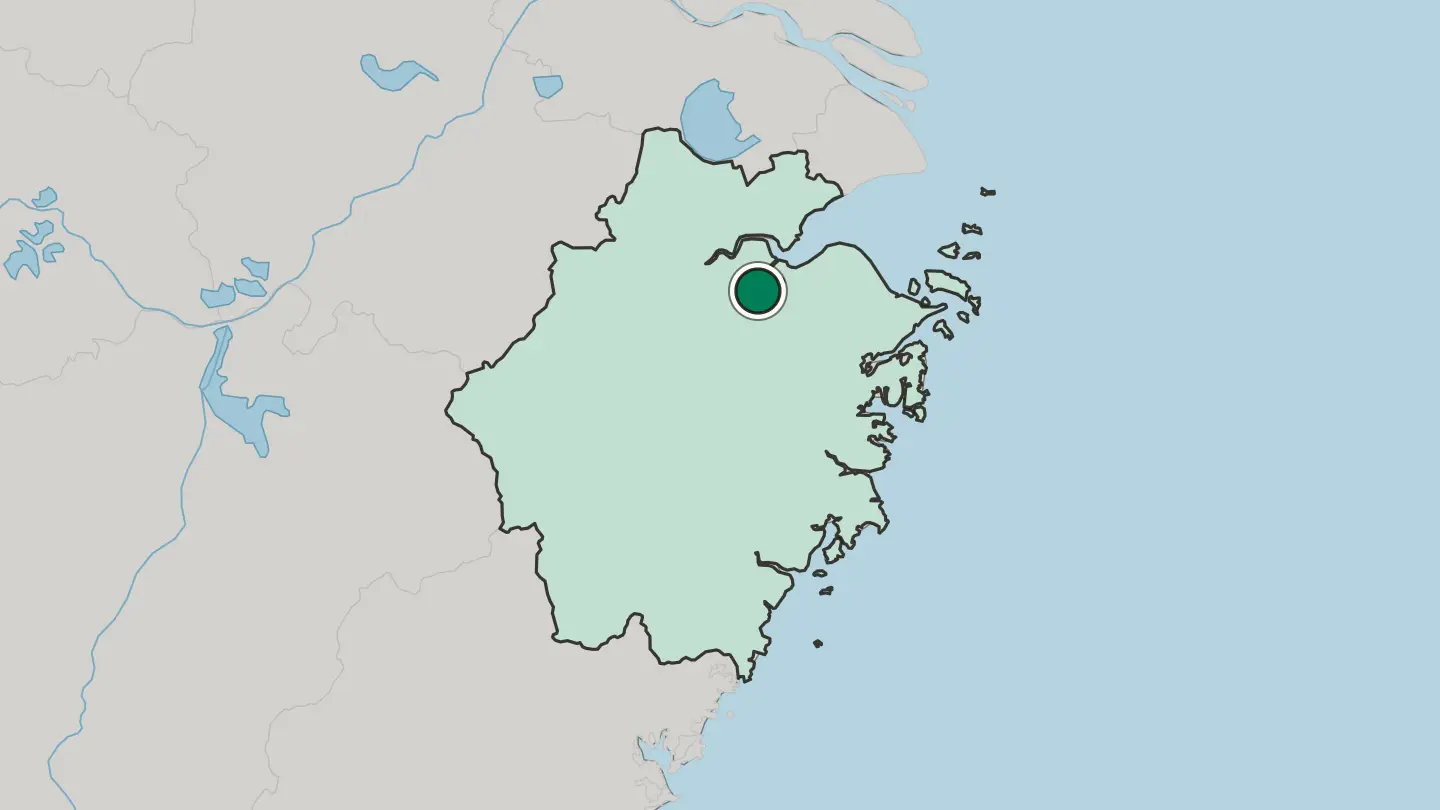
 China
China
Taizhou
Tides run the coast at Taizhou. The Linhai Ancient City Wall, a run of pagodas and the Jiangxia Tidal Power Station sit behind the East China Sea.Where to stay →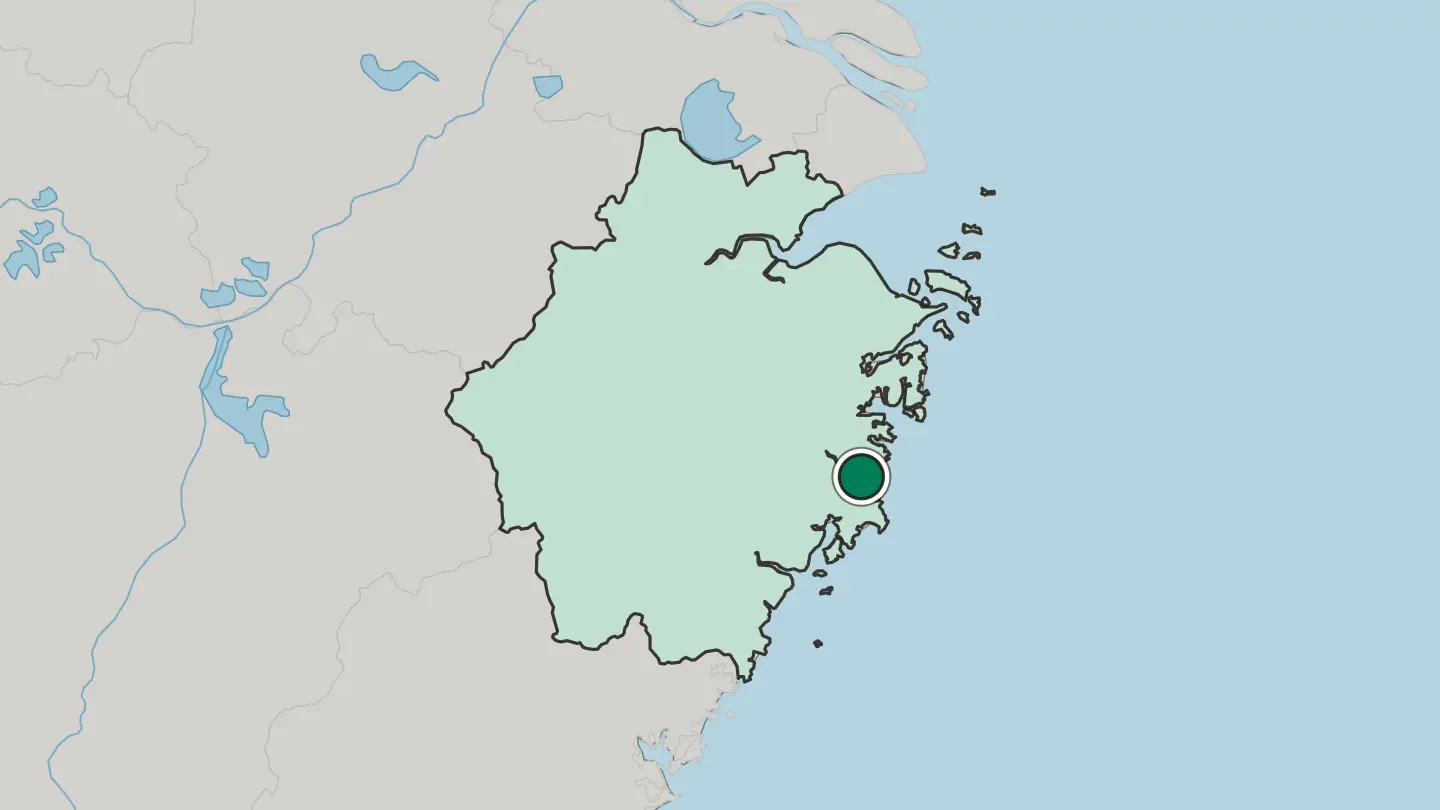
 China
China
Yiwu
Yiwu is a city of Zhejiang in eastern China, the site of the world's largest market for small goods, where traders from across the earth come to buy.Where to stay →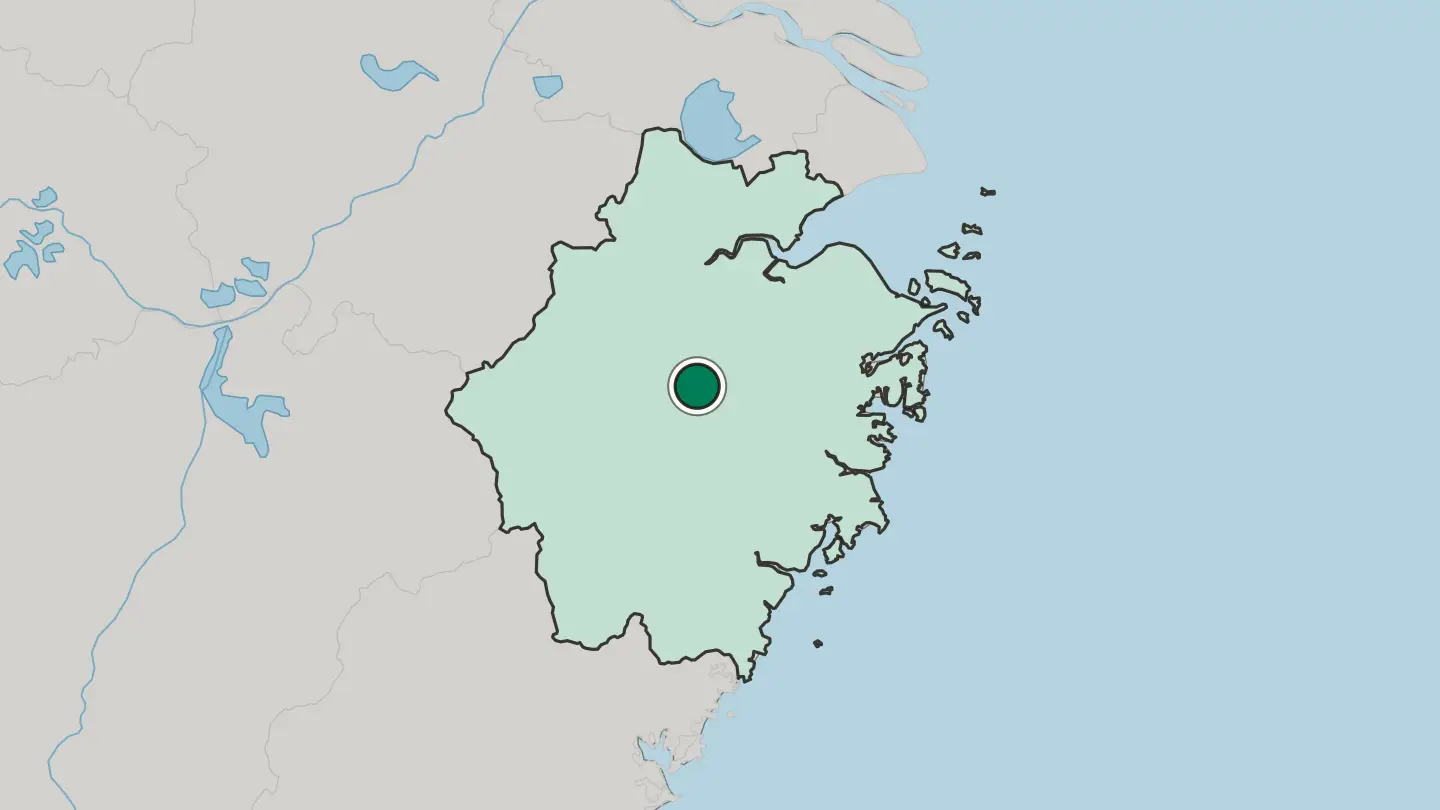
 China
China
Jinhua
Jinhua sits inland between Hangzhou and Lishui, a prefecture whose register runs to carved family halls. Shangshan anchors its deep past.Where to stay →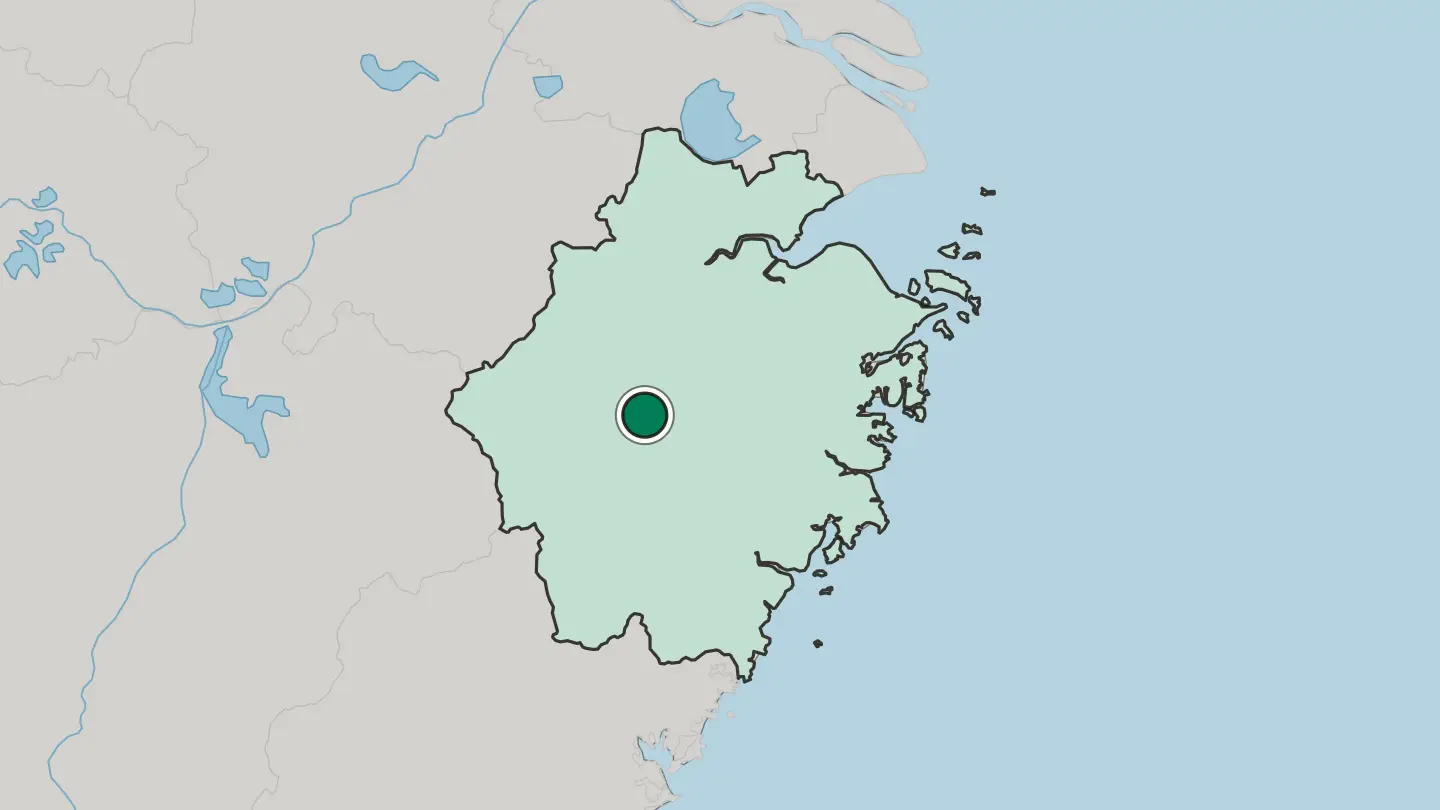 China
China
Jiaxing
Jiaxing is a canal city in north Zhejiang, China, on the Grand Canal between Shanghai and Hangzhou, famed for the lake where the Communist Party began.Where to stay →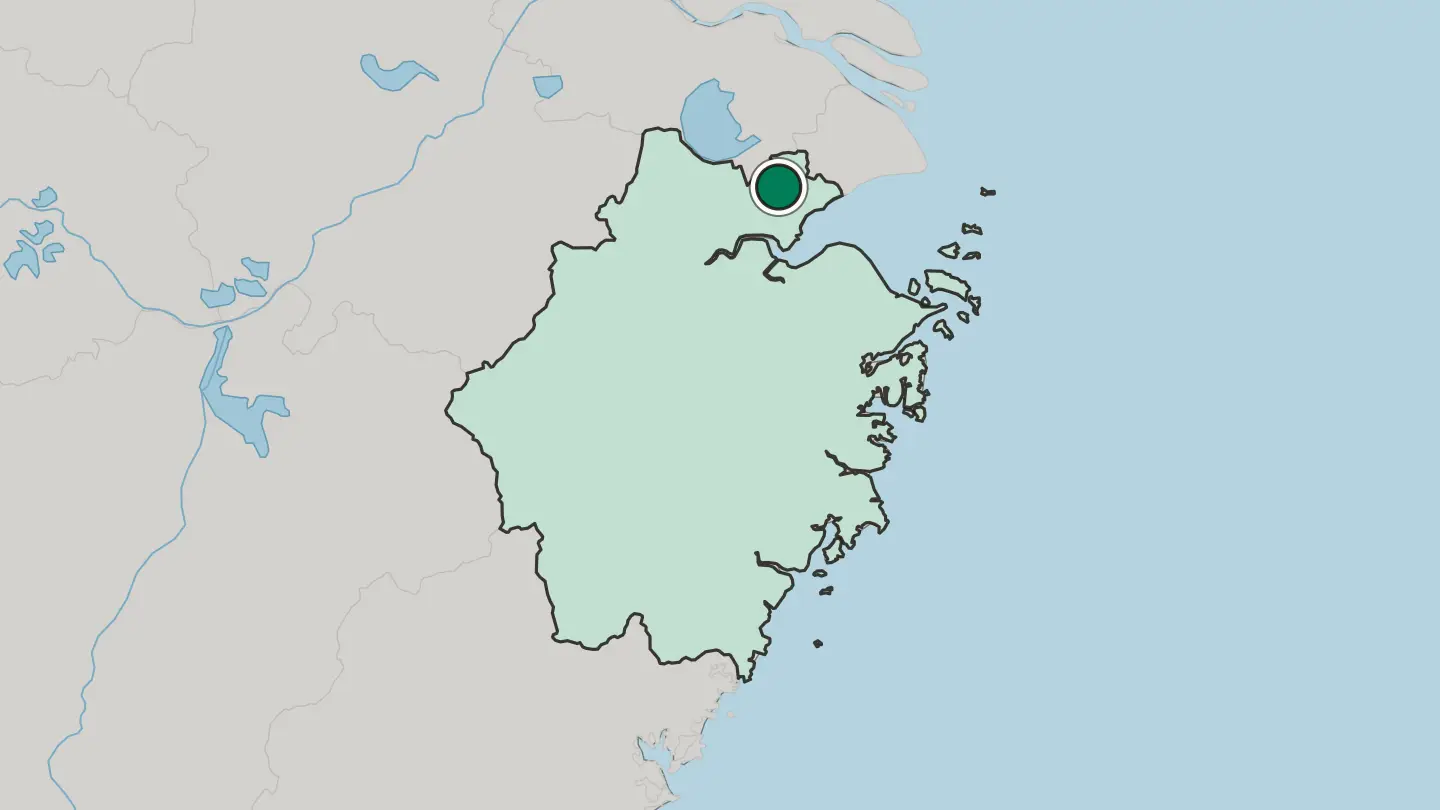
All towns & cities (12)
 China
China
Huzhou
Lake Tai edges Huzhou. Canal towns, pagodas and the Mount Mogan hills fill the prefecture between Hangzhou and the Jiangsu border.Where to stay →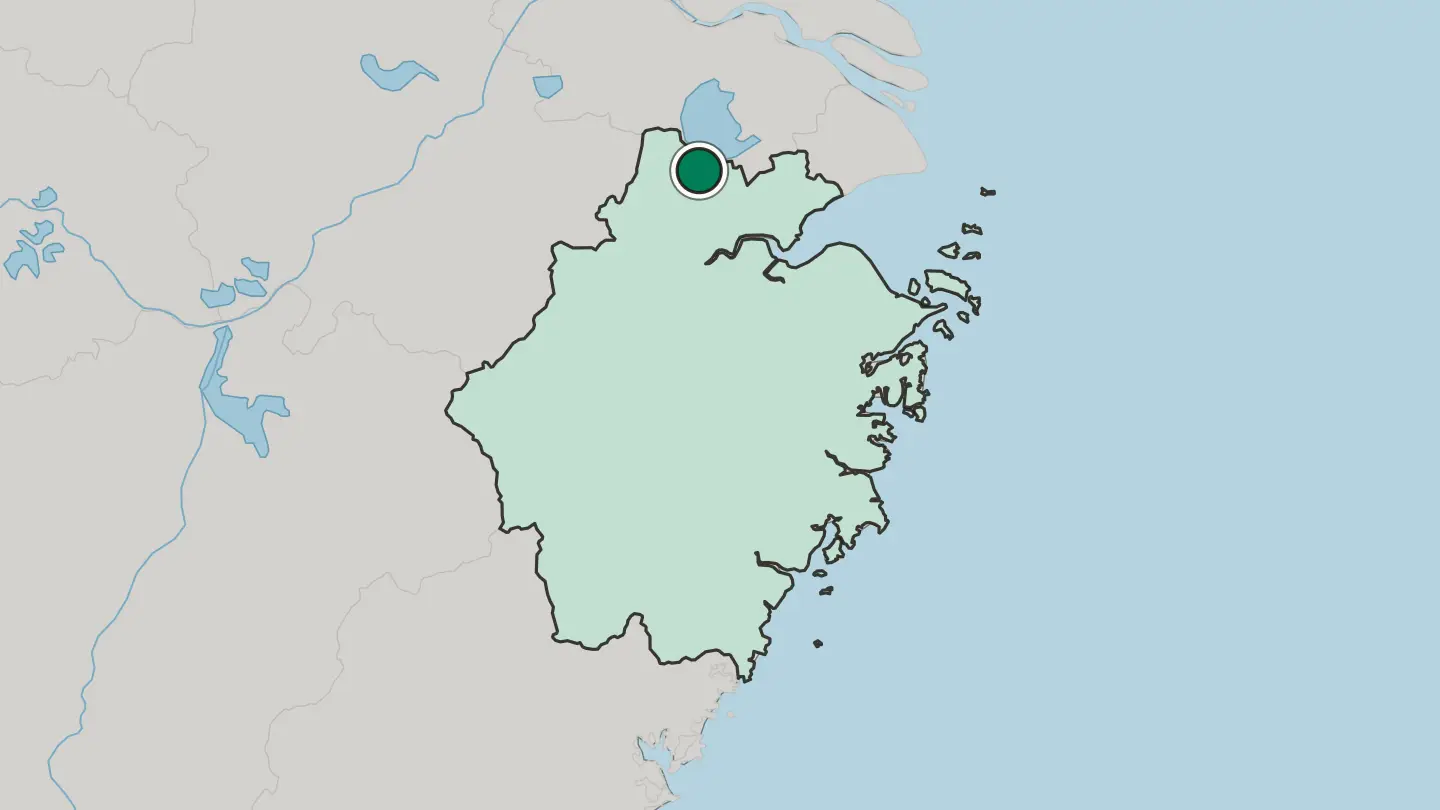
 China
China
Quzhou
Quzhou is a prefecture-level city on the upper Qiantang River in Zhejiang, holding the Temple of Southern Confucianism and the Longyou Caves.Where to stay →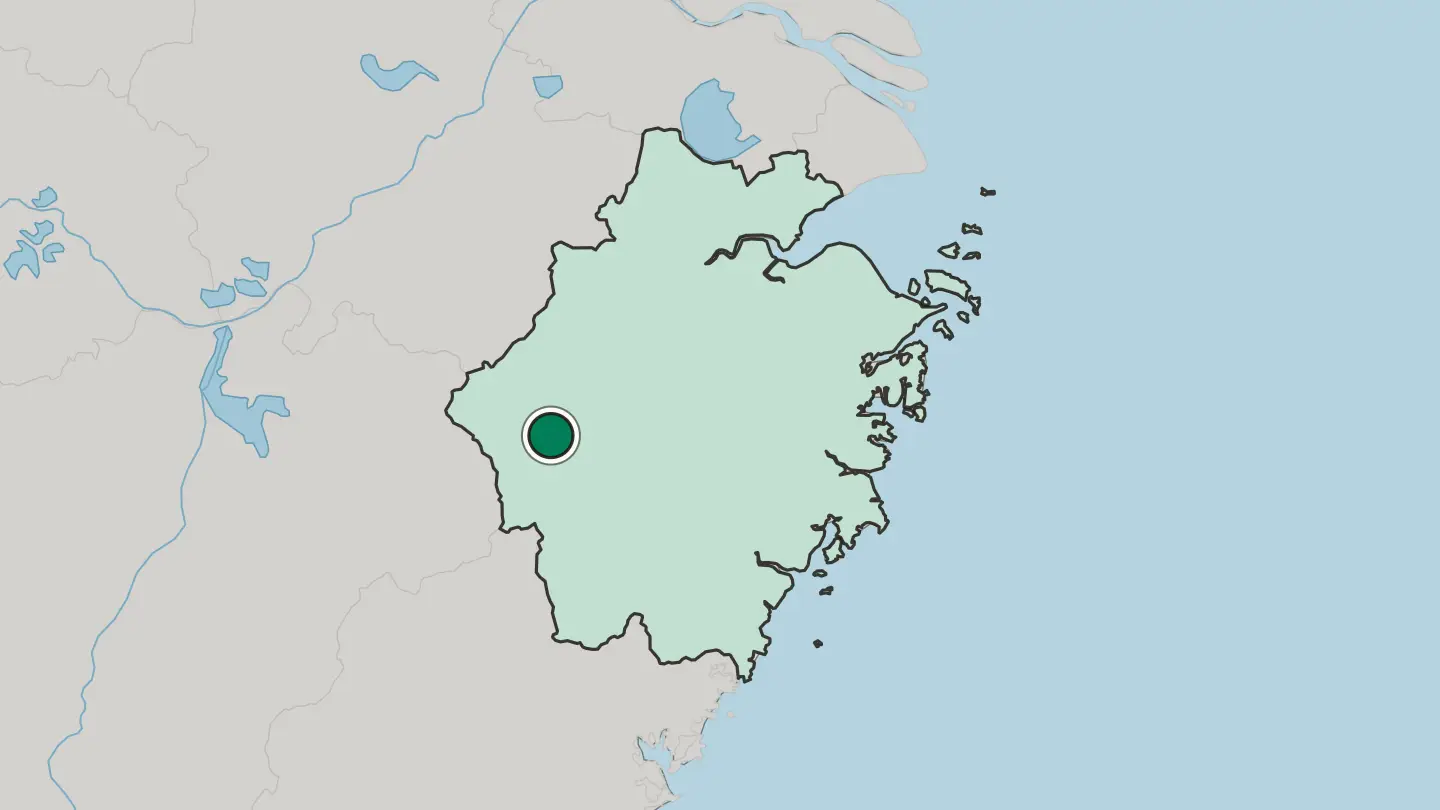
 China
China
Zhoushan
Zhoushan is an archipelago. Its temples on Mount Putuo, the lighthouses offshore and the ferries between islands all answer to Hangzhou Bay water.Where to stay →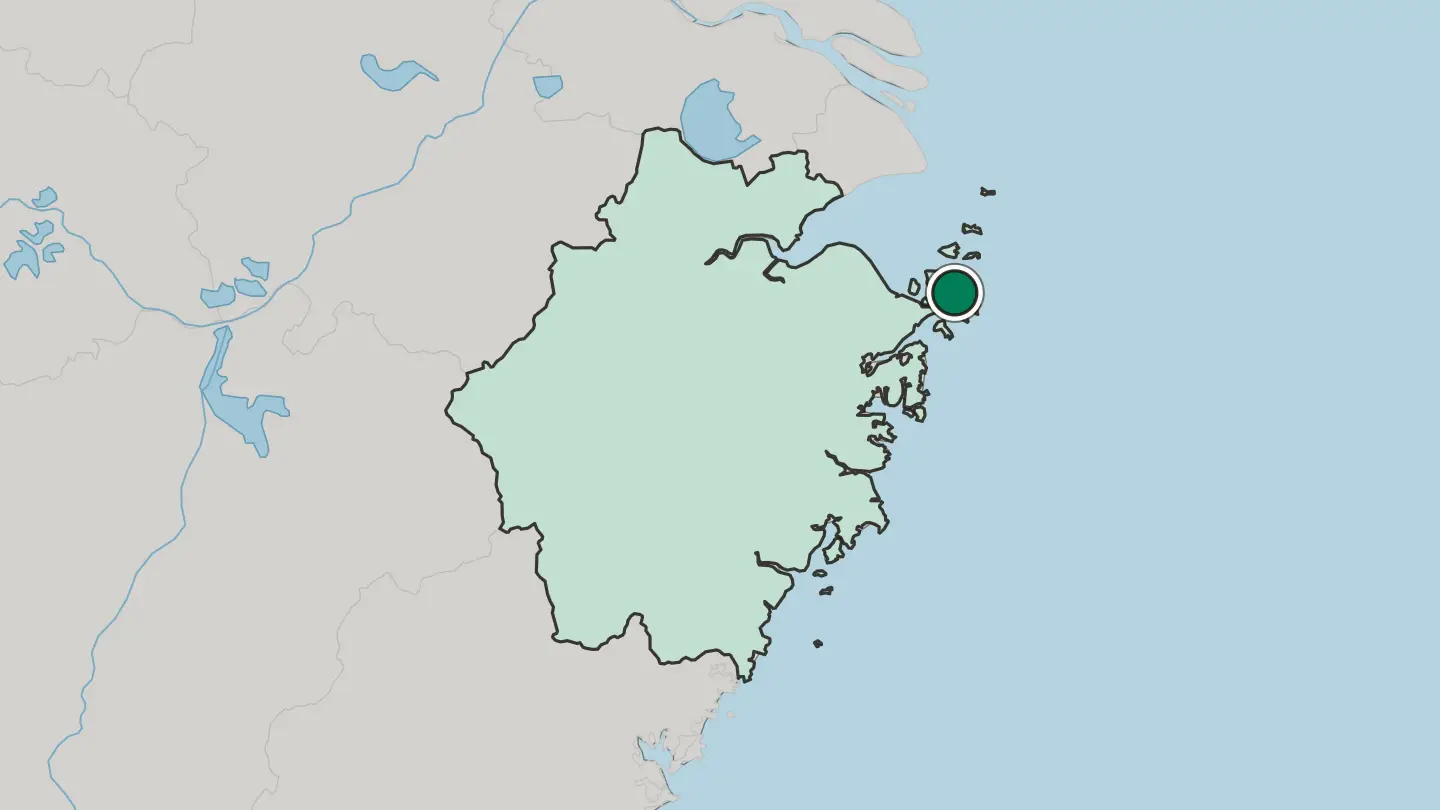
 China
China
Wuzhen
Wuzhen is a historic water town of Tongxiang in Zhejiang, built mainly in the 7th century under the Tang dynasty, with the former residence of Mao Dun.Where to stay →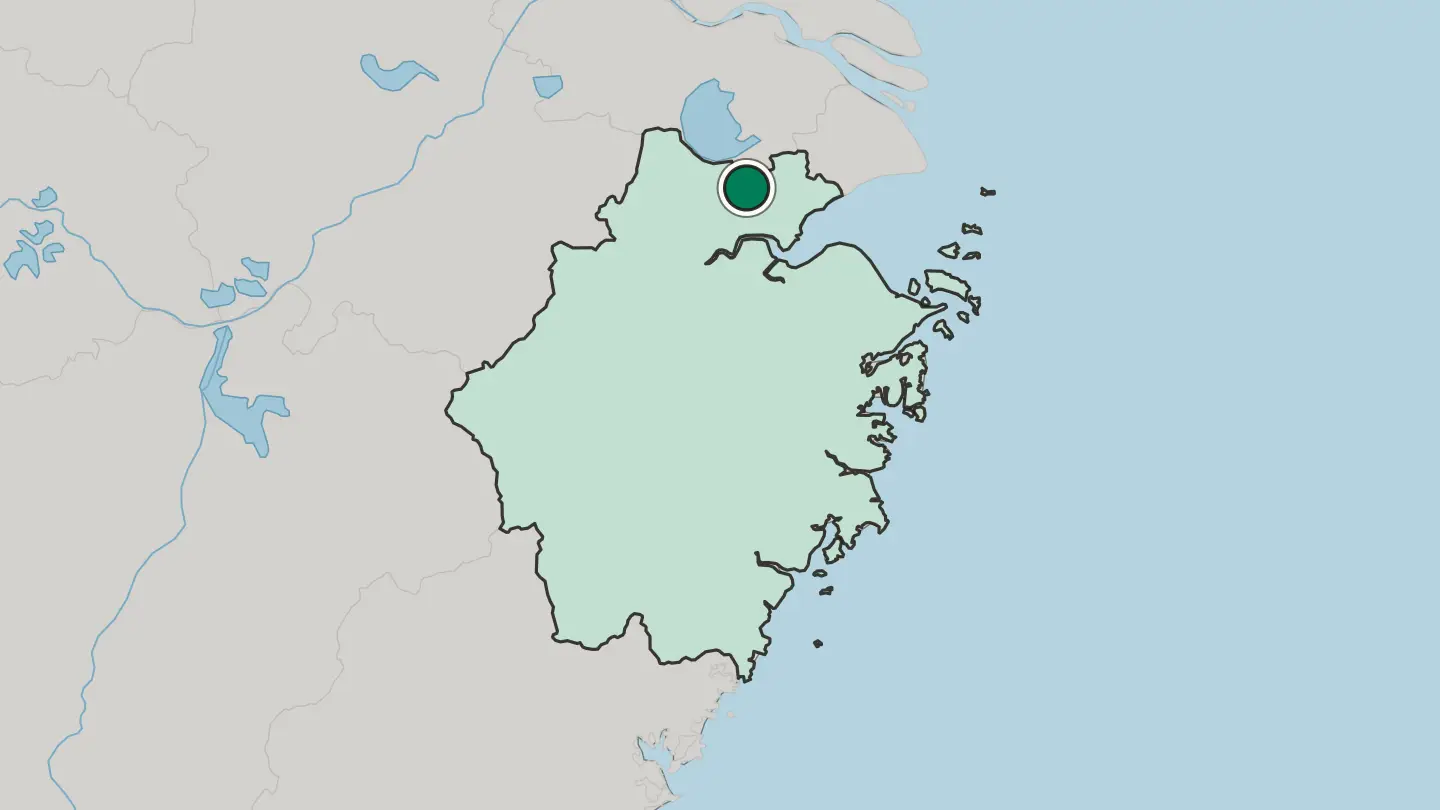
Hotel links are affiliate links: booking through them may earn us a commission, at no extra cost to you. It never affects how places are ranked. How this works
About Zhejiang
What is Zhejiang known for?
Zhejiang is best known for West Lake, the willow-fringed water in Hangzhou that Chinese painters and poets have worked from for a thousand years. The province grows Longjing, the pan-roasted green tea from the hills west of that lake. Its old towns turn on silk and canals.
Ningbo runs one of the busiest cargo ports in the world, while the Zhoushan islands scatter offshore toward the Buddhist shrines of Mount Putuo. Wu is the language you overhear in the lanes.
Where is Zhejiang?
Zhejiang lies on the eastern coast of China, facing the East China Sea just south of Shanghai and the Yangtze delta. It is one of the smaller Chinese provinces by land, but its shoreline is the longest of any on the mainland, running past river mouths and rocky headlands for well over two thousand kilometres. Hills fill it.
Roughly seven parts in ten of the province is upland, and the ground rises as it runs south and west toward Huangmaojian, the highest peak, in the ranges near the border with Fujian. Flat ground is the exception, not the rule. In the north, the canal-cut lowland around Hangzhou Bay is where the old cities and most of the people sit.
The Qiantang River is the thread that ties it together, running down from the western hills as the Fuchun and widening into the bay below Hangzhou. Historians called that river the Zhe Jiang, the crooked river, and the province took its name from it. Offshore the coast breaks into islands.
Zhejiang holds about three thousand islands, more than any other Chinese province, and the Zhoushan group lies among them. Jiangsu borders it to the north, Anhui and Jiangxi to the west, and the open sea everywhere to the east. The sea is never far from any part of it.
What is Zhejiang like?
Zhejiang belongs to the Jiangnan south, the land of water towns, silk and green tea that classical Chinese art returned to again and again. West Lake sits at the centre of that image. Its causeways, arched bridges and mist have been painted and versed for over a thousand years, and Hangzhou built a whole aesthetic of gardens and calm water around it.
Tea is bound up in the same picture. Longjing, the flat-pressed green tea from the slopes west of the lake, is picked by hand each spring in the hills of Hangzhou. The province has long lived by fine work of the hands.
Its towns wove silk and carried it out on canals for centuries, and Zhejiang is still called a home of silk and tea. Shaoxing keeps the old water-town look, a grid of narrow canals and stone bridges that has earned it the nickname of a Chinese Venice, and it presses a famous amber rice wine as well. The everyday language here is Wu, not the northern Mandarin.
Its varieties shift sharply from valley to valley, and speech a short way down the coast in Wenzhou can be hard for a Hangzhou ear to follow. Merchant drive runs through the culture too. Wenzhou traders in particular are known across China for building businesses from almost nothing, and that appetite for enterprise is as much a part of the province as the lake and the tea.
What is the history of Zhejiang?
Hangzhou has twice been a Chinese capital, and both turns fell in the south. It ruled the kingdom of Wuyue through the tenth century, one of the small states that held the Yangtze south while dynasties rose and fell in the north. Its greater moment came later.
When the Song court lost the north to the Jurchen and fled south in the twelfth century, it set the Southern Song capital at Hangzhou, and the city, famed for its prosperity, was possibly the largest in the world before the Mongol armies took it in 1276. The Grand Canal ran its trade north for centuries. That long stretch as a seat of power and commerce left Zhejiang dense with temples, gardens and old walled towns.
What is the climate of Zhejiang?
Zhejiang has a humid subtropical monsoon climate with four clear seasons. Summers are hot and wet. The plum rains, the meiyu, settle in over Hangzhou Bay from late June into July, a stretch of grey, sodden weeks named for the ripening plums, and from summer into autumn typhoons blow in off the East China Sea and can lash the coast and the Zhoushan islands with wind and heavy rain.
Winters are cool and damp rather than harsh. Spring and autumn are the drier, gentler windows, and the tea hills west of West Lake are at their best when the new Longjing leaf comes in.
How do you get to Zhejiang?
Most travellers reach Zhejiang through Hangzhou, whose Xiaoshan airport sits a short hop across the Qiantang River from the city. High-speed trains do the rest of the work. The line up to Shanghai runs in under an hour, and fast rail threads on to Ningbo, Wenzhou and the other coastal cities.
Ferries carry you out to the Zhoushan islands and Mount Putuo. Many arrive overland from Shanghai and never fly at all.
Common questions
What is the best area to stay in Zhejiang?
Hangzhou: getting acquainted with Zhejiang. Ningbo: the East China Sea coast and the islands. Shaoxing: old water-town lanes and canals. The Zhoushan islands: beaches and offshore Buddhist shrines.
Good for
More regions in China
Updated October 2026