China · Zhejiang
Where to Stay in Shaoxing, Zhejiang
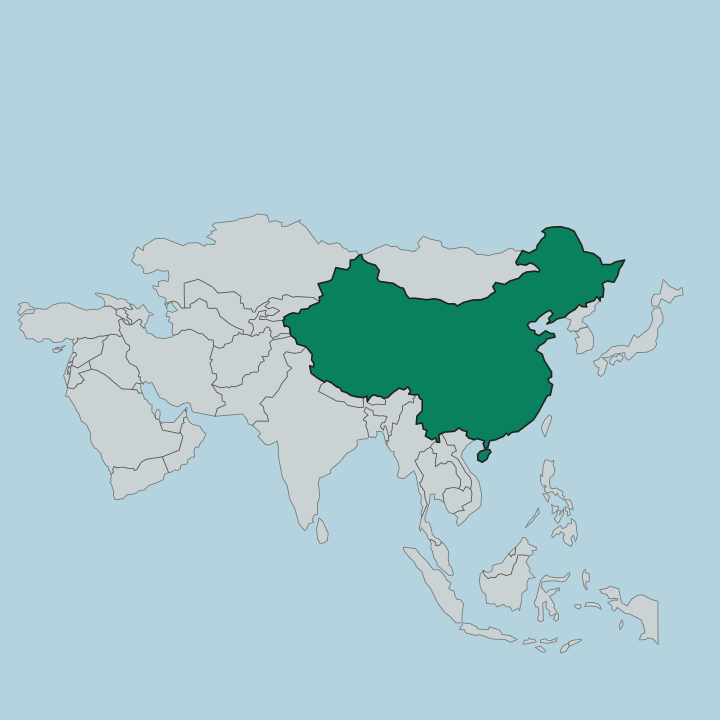
Shaoxing is an ancient water town of canals and stone bridges in Zhejiang, eastern China, famous for its rice wine and its scholars.
Hotel links are affiliate links: booking through them may earn us a commission, at no extra cost to you. It never affects how places are ranked. How this works


Where to stay in Shaoxing
The practical side of choosing where to sleep.
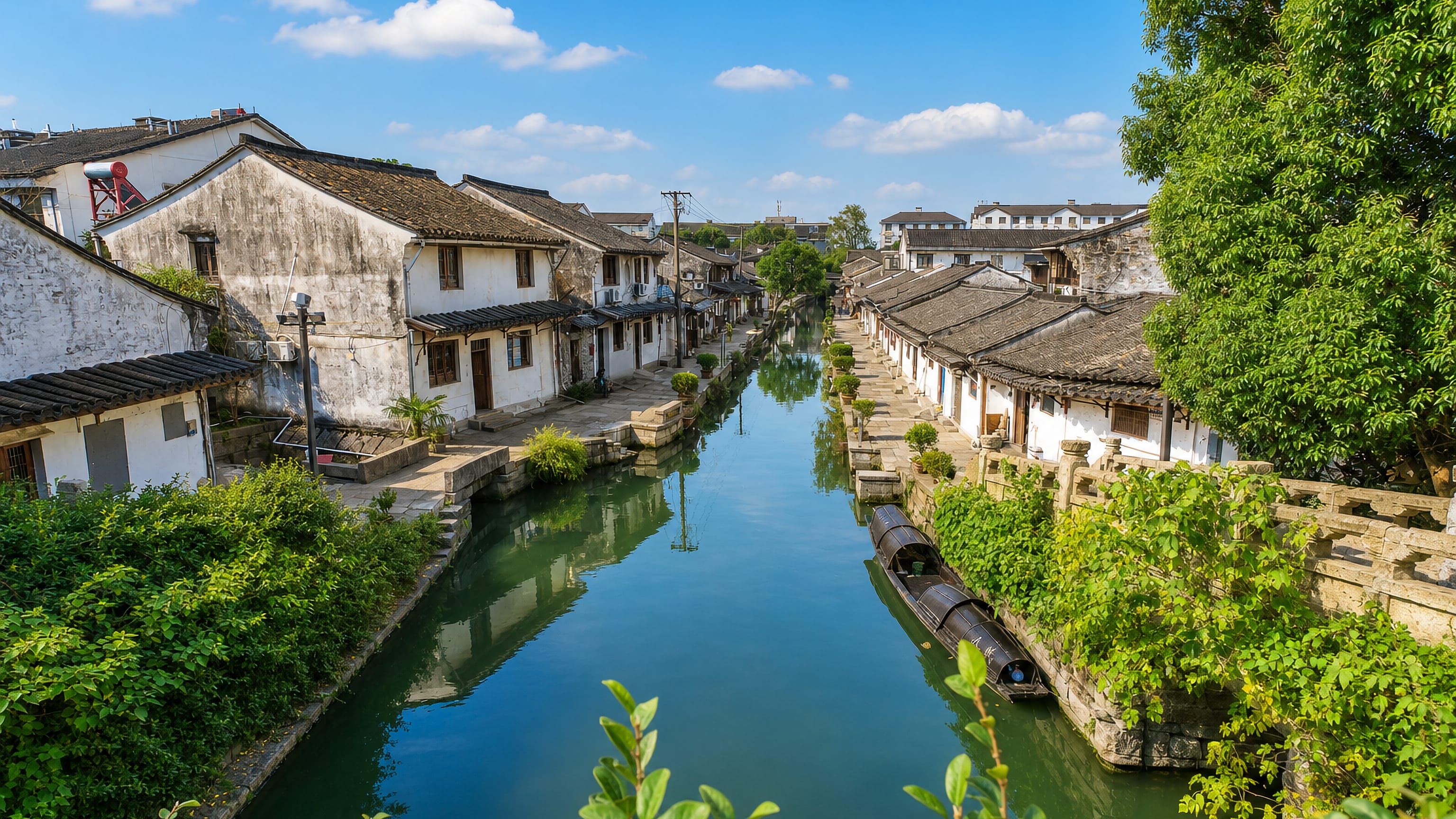
Where you stay in Shaoxing turns on the old canals. The lanes of the old water quarter keep the bridges, the shops, and the wine houses within a walk, and staying by the canals suits anyone here for the water town. The boats glide past the doors.
Rooms fill the old canal houses. Out toward the new town and the station, the streets run wider and busier. A room by the station trades the old lanes for shops, hotels, and an easy train to Hangzhou.
Beyond the last of the streets, green hills climb away from Shaoxing. If you want the canals, stay in the old town; if you want the trains, take a room by the station. Either way, the water town is close at hand.
Find hotels in Shaoxing
Direct booking searches for these neighbourhoods.
The old canals
Among the lanes and canals of the old water quarter, within a walk of the shopsFind hotels in The old canalsStays wanting the trains and modern hotelsBy the station
Near the high-speed station, an easy train to HangzhouFind hotels in By the stationHotel links are affiliate links: booking through them may earn us a commission, at no extra cost to you. It never affects how places are ranked. How this works
Things to do in Shaoxing
Ranked by global recognition; descriptions from Wikidata (CC0).
Museums & Galleries
1- Shaoxing Museum
Castles & Historic Sites
2- Shanghai Lu Xun Museum Heritage
- Fusheng Kiln Site Heritage
Stadiums & Sports
1- Shaoxing Baseball and Softball Sports Culture Center
Landmarks & Notable Places
1- Bazi Bridge Heritage
worth knowingacross 4 categories in Shaoxing
About Shaoxing
Shaoxing is a famous old water town of the Jiangnan.
What is Shaoxing known for?
Stone bridges arch over a maze of canals where black-awning boats still glide, the town has brewed its amber rice wine for two thousand years, and it gave China some of its greatest writers and calligraphers. Willows hang over the water. Canals and wine mark the town.
What are the main landmarks in Shaoxing?
The old canals are the heart of Shaoxing. Stone bridges arch over the waterways, black-awning boats glide the lanes, and willows hang over the water, the emblem of the town, throughout the old quarter. Shrines and gardens ring the town.
The Orchid Pavilion of the calligraphers and the mausoleum of Yu the Great lie in the hills, while the old home of Lu Xun and the Bazi Bridge mark the streets.
What is the history of Shaoxing?
Shaoxing is one of the oldest cities of the south. Legend makes it the burial place of Yu the Great, the emperor who tamed the floods, and it was the capital of the ancient kingdom of Yue more than two thousand years ago. Water and wine made it rich.
Its people dug canals across the wet delta, grew rice on the drained land, and brewed the famous amber wine that still bears the city's name. Scholars and rebels came from its lanes. Shaoxing gave China the calligrapher Wang Xizhi, who wrote his masterpiece at the Orchid Pavilion nearby, and later the writer Lu Xun and the revolutionary Qiu Jin.
The old water town survived the ages. Its stone bridges, canals, and black-awning boats came through the centuries little changed, and the old lanes still wind along the water. The wine cellars still fill their jars.
Shaoxing keeps its canals and its bridges in the Jiangnan.
Where is Shaoxing?
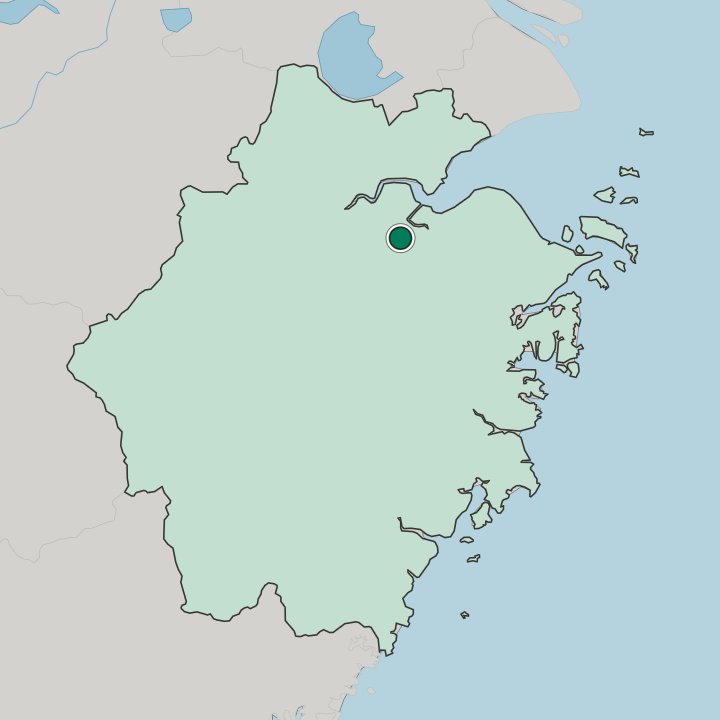
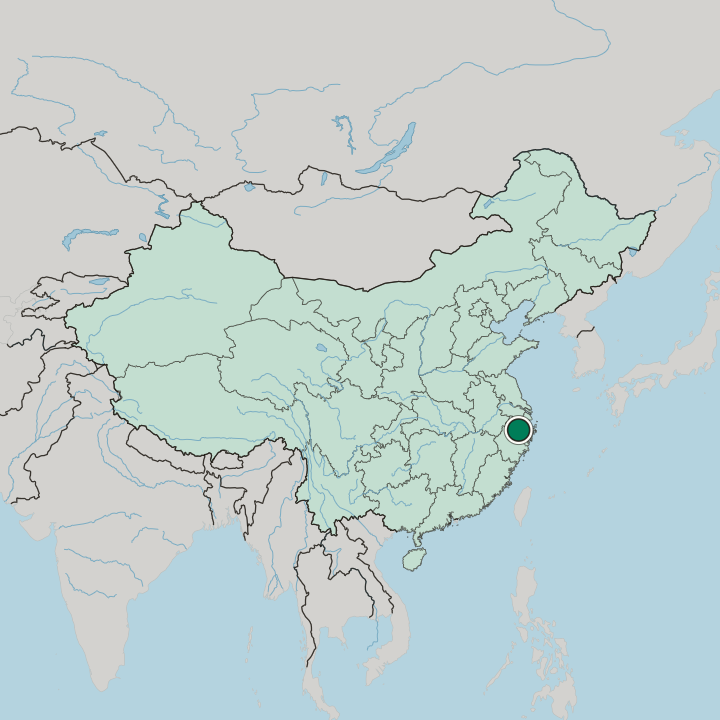
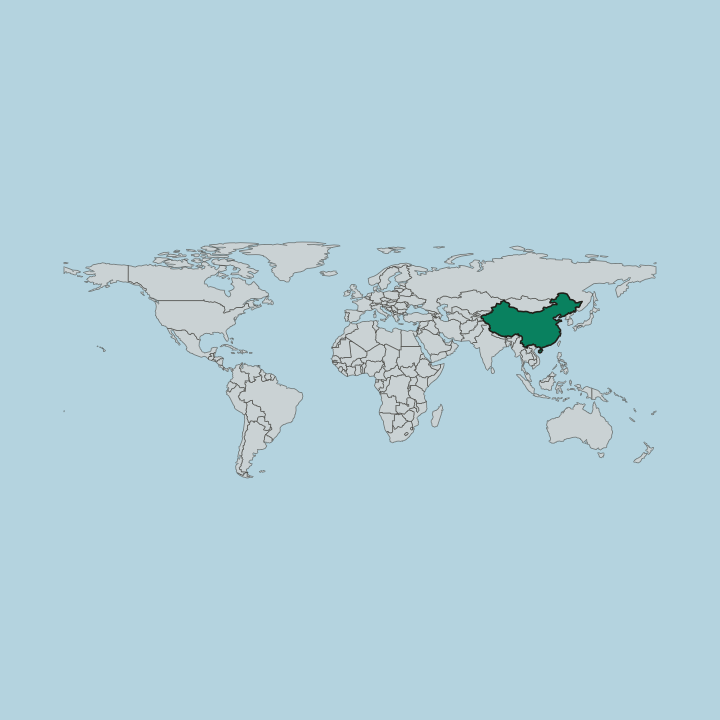
Shaoxing lies on the plain south of Hangzhou Bay in northern Zhejiang. The city spreads across a low, watery delta of canals, rice fields, and lakes, between the hills to the south and the sea, in the heart of the Jiangnan country of eastern China. Green hills rise to the south.
The canals thread the flat plain.
What is the climate of Shaoxing?
The weather in Shaoxing runs subtropical and mild, with damp air most of the year. Hot, wet summers bring the monsoon rains to the delta, and the winters stay cool and damp by the water, with rain and mist through much of the year. Fog drifts over the canals in winter.
The damp air keeps the land green.
How do you get to Shaoxing?
Shaoxing lies between Hangzhou and Ningbo in northern Zhejiang. High-speed trains stop here on the line down the coast from Shanghai, and roads cross the delta to the great cities nearby. Buses reach the water towns around.
Most arrive by rail down the coast.
Common questions
What is the best area to stay in Shaoxing?
The old canals: Visitors here for the bridges, boats, and wine houses. By the station: Stays wanting the trains and modern hotels.
Good for
More cities in Zhejiang
Updated September 2026