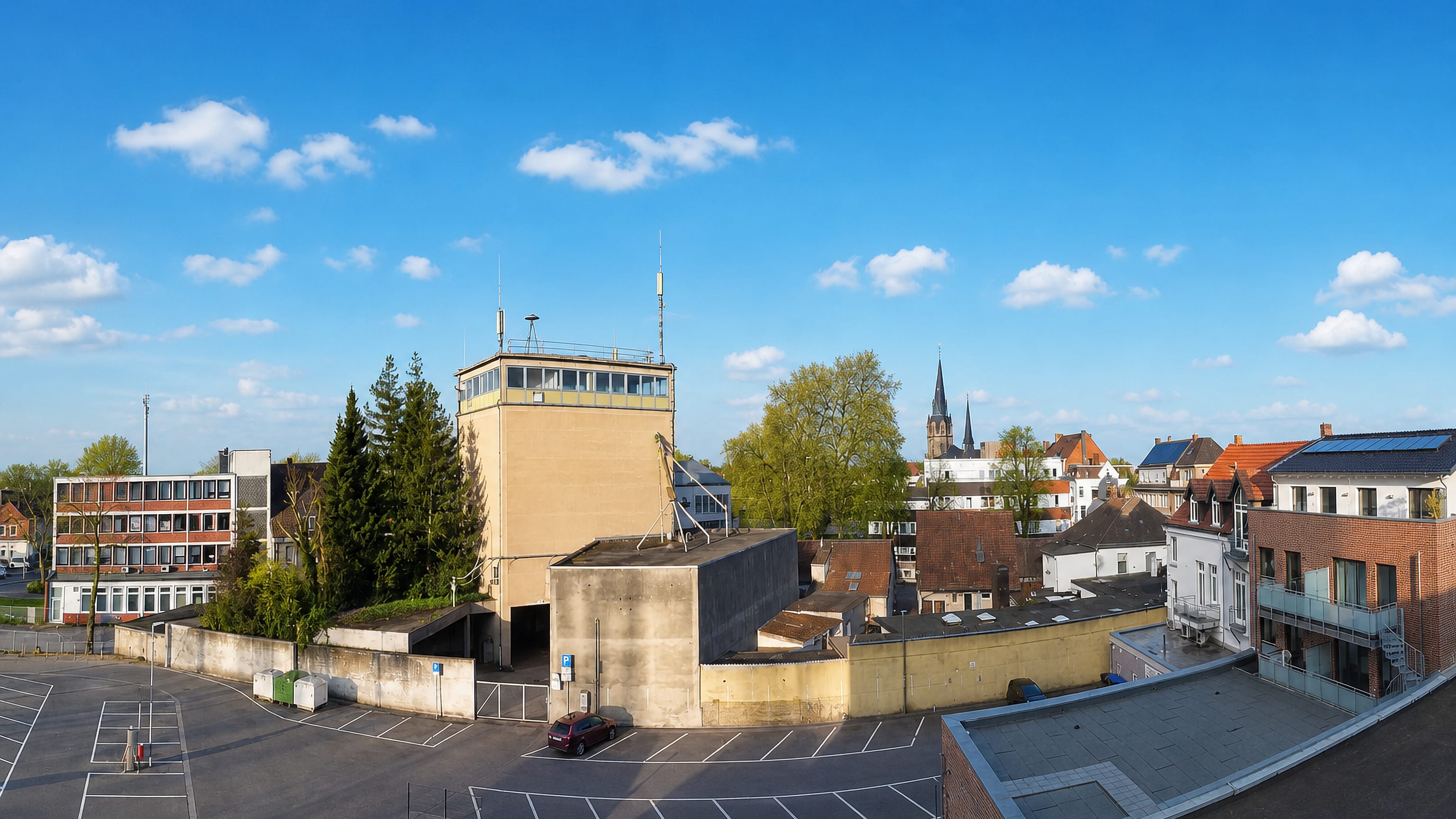
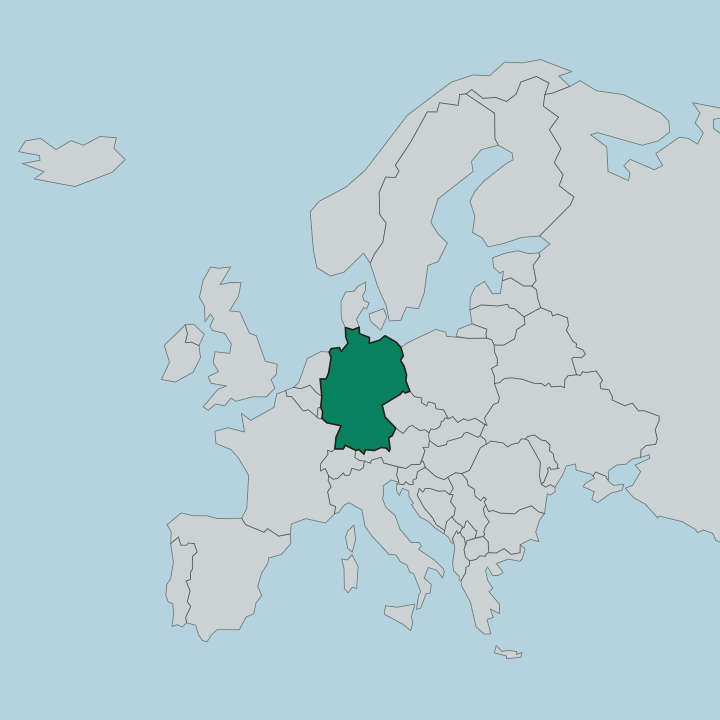
Germany · Nordrhein-Westfalen
Where to Stay in Ahlen, Nordrhein-Westfalen
Ahlen is the leading town of the District of Warendorf, lying in the historic Münsterland southeast of Münster in North Rhine-Westphalia.
Hotel links are affiliate links: booking through them may earn us a commission, at no extra cost to you. It never affects how places are ranked. How this works


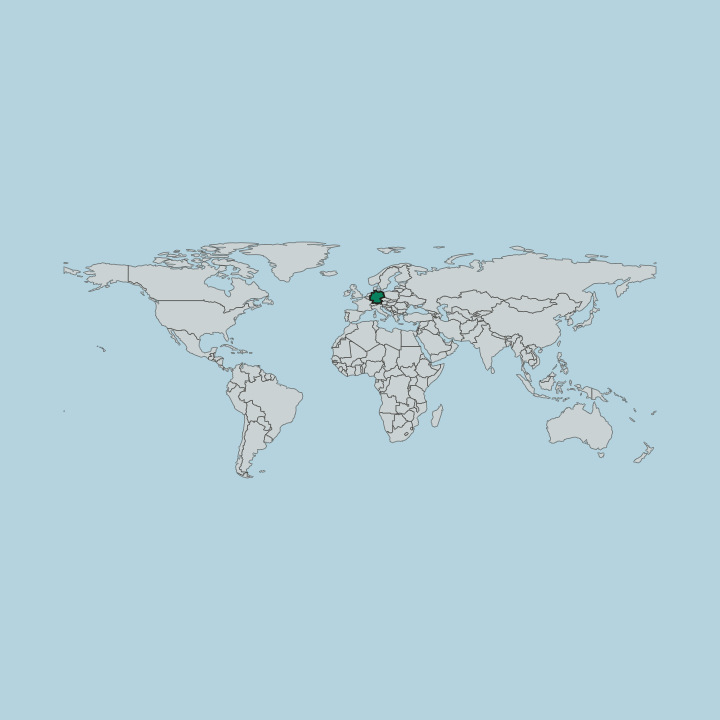
Where to stay in Ahlen
Where the beds are, and what that means for the visit.
The centre of Ahlen gathers around Sankt Bartholomäus. Rooms in those streets put the Museum im Goldschmiedehaus and the Kunst-Museum Ahlen within a walk, and anyone who came for the collections rather than the country will want to be no further out than this. Lodging in the town is scarce.
Ahlen is a working town of the District of Warendorf rather than a resort, and the choice of houses is correspondingly short. Out in Dolberg, Vorhelm and Tönnishäuschen the town becomes country, and a room in one of them trades the museums for fields, quiet lanes and a short drive back in. Drivers do best here.
Ahlen also works as a base for Münster, which lies about 30 km to the northwest, and for Hamm to the southwest, so a bed in the Münsterland can cover more than one city in a week. Sankt Marien, Sankt Josef and Sankt Gottfried each mark a quarter of the built-up town, and any of them keeps the centre within a few minutes. Reserve early whichever base you pick.
The Heimatmuseum Ahlen is the one stop that explains the rest of it.
Find hotels in Ahlen
Direct booking searches for these neighbourhoods.
Around Sankt Bartholomäus
Old parish streets around Sankt Bartholomäus, close to the Museum im Goldschmiedehaus. Lodging is scarce in this area; reserve in advance.Find hotels in Around Sankt BartholomäusDrivers content with Münsterland fields and farm lanesDolberg and Vorhelm
Village ground at Dolberg and Vorhelm, out among the fields that belong to Ahlen. Lodging is scarce in this area; reserve in advance.Find hotels in Dolberg and VorhelmStays using Ahlen as a base for Münster and HammTönnishäuschen and the outer quarters
The edge of town by Tönnishäuschen, on the roads towards Münster and Hamm. Beds are limited here, so book early.Find hotels in Tönnishäuschen and the outer quartersHotel links are affiliate links: booking through them may earn us a commission, at no extra cost to you. It never affects how places are ranked. How this works
Things to do in Ahlen
Ranked by global recognition; descriptions from Wikidata (CC0).
Museums & Galleries
3- Kunst-Museum Ahlen
- Museum im Goldschmiedehaus
- Heimatmuseum Ahlen
Churches & Religious Sites
3- St. Marien Heritage
- St. Bartholomäus (Ahlen) Heritage
- St. Josef
Castles & Historic Sites
2- Alfred-Kitzig-Denkmal
- Miner
worth knowingacross 3 categories in Ahlen
About Ahlen
What is Ahlen known for?
Ahlen carries the weight of the District of Warendorf, the busiest of its towns, sitting in the Münsterland between Münster to the northwest and Hamm to the southwest. Three villages belong to it. Dolberg, Vorhelm and Tönnishäuschen keep their own names inside the town's bounds, and the fields between them are as much a part of Ahlen as the streets in the middle.
Art and craft fill the Kunst-Museum Ahlen.
What are the main landmarks in Ahlen?
Four church towers order the skyline: Sankt Bartholomäus, Sankt Marien, Sankt Josef and Sankt Gottfried. The Heimatmuseum Ahlen holds the town's own record, while the Museum im Goldschmiedehaus is given to the goldsmith's craft and the Kunst-Museum Ahlen to painting and sculpture. Two monuments remain.
The Alfred-Kitzig-Denkmal and the figure called Miner stand among its streets.
What is the history of Ahlen?
Münsterland farming country came first. Ahlen grew in the level land between Münster and Hamm, a parish town of the sort the Münsterland is made of, with Sankt Bartholomäus at its heart and fields running out to every side. Craft has its own house here.
The Museum im Goldschmiedehaus is given over to goldsmithing, a trade that leaves finer traces than farming does. Dolberg, Vorhelm and Tönnishäuschen were villages of their own before they were joined to the town, and their names still read as separate places on the ground. A figure called Miner stands in the town.
It records work of a kind the Münsterland fields never gave, and it is the plainest sign that Ahlen turned from a country parish into the busiest town of the District of Warendorf. Three more parishes share the town. Sankt Marien, Sankt Josef and Sankt Gottfried divide the rest of Ahlen between them, and together with Sankt Bartholomäus they give the place four parish centres rather than one.
The record is kept in two houses: the Heimatmuseum Ahlen for the town's past, and the Kunst-Museum Ahlen for what artists made of it. The Alfred-Kitzig-Denkmal keeps one more name that Ahlen chose to remember.
Where is Ahlen?
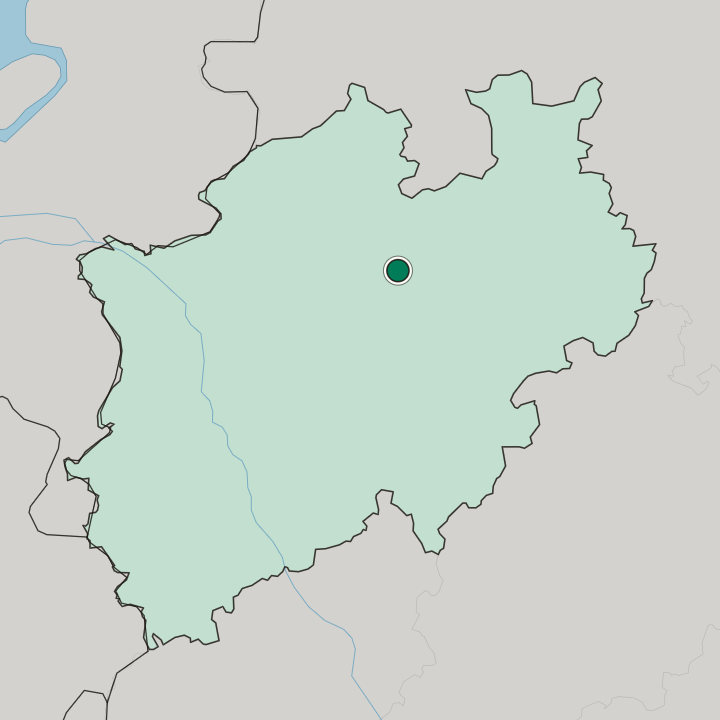
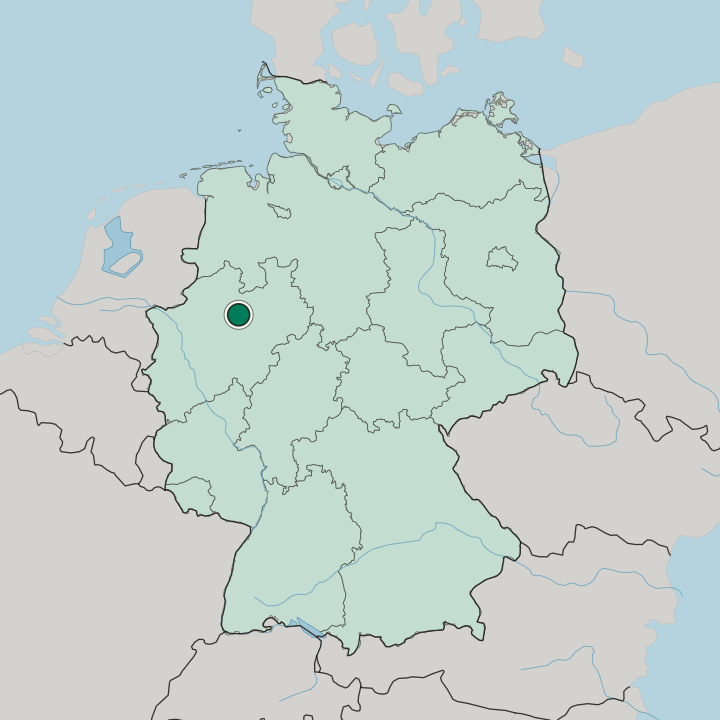
Flat country runs in every direction. Ahlen sits in the Münsterland, some 30 km southeast of Münster, with Hamm to the southwest and the villages of Dolberg, Vorhelm and Tönnishäuschen scattered through the fields that belong to the town. The District of Warendorf reaches round it, part of the wider Münster region of North Rhine-Westphalia.
Nothing here rises far.
What is the climate of Ahlen?
The open Münsterland shapes the weather. Nothing in this flat country blocks the air that comes in from the west, so Ahlen gets grey, damp spells in every season, mild winters by German standards and summers that rarely turn fierce. Damp days recur all year in Ahlen.
Snow comes seldom and seldom stays, and the fields around Dolberg and Vorhelm stay green through much of the year.
How do you get to Ahlen?
Traffic arrives from Münster or Hamm. The run southeast from Münster covers about 30 km of open country, and Hamm lies off to the southwest, so Ahlen is reached from both directions across the same flat Münsterland. Dolberg, Vorhelm and Tönnishäuschen sit on the approaches, so the town's own outskirts begin well before its centre does.
Church towers show first.
Common questions
What is the best area to stay in Ahlen?
Around Sankt Bartholomäus: Museum visitors wanting the Kunst-Museum Ahlen on foot. Dolberg and Vorhelm: Drivers content with Münsterland fields and farm lanes. Tönnishäuschen and the outer quarters: Stays using Ahlen as a base for Münster and Hamm.
Good for
More cities in Nordrhein-Westfalen
Updated October 2026