Germany · Nordrhein-Westfalen
Where to Stay in Bonn, Nordrhein-Westfalen
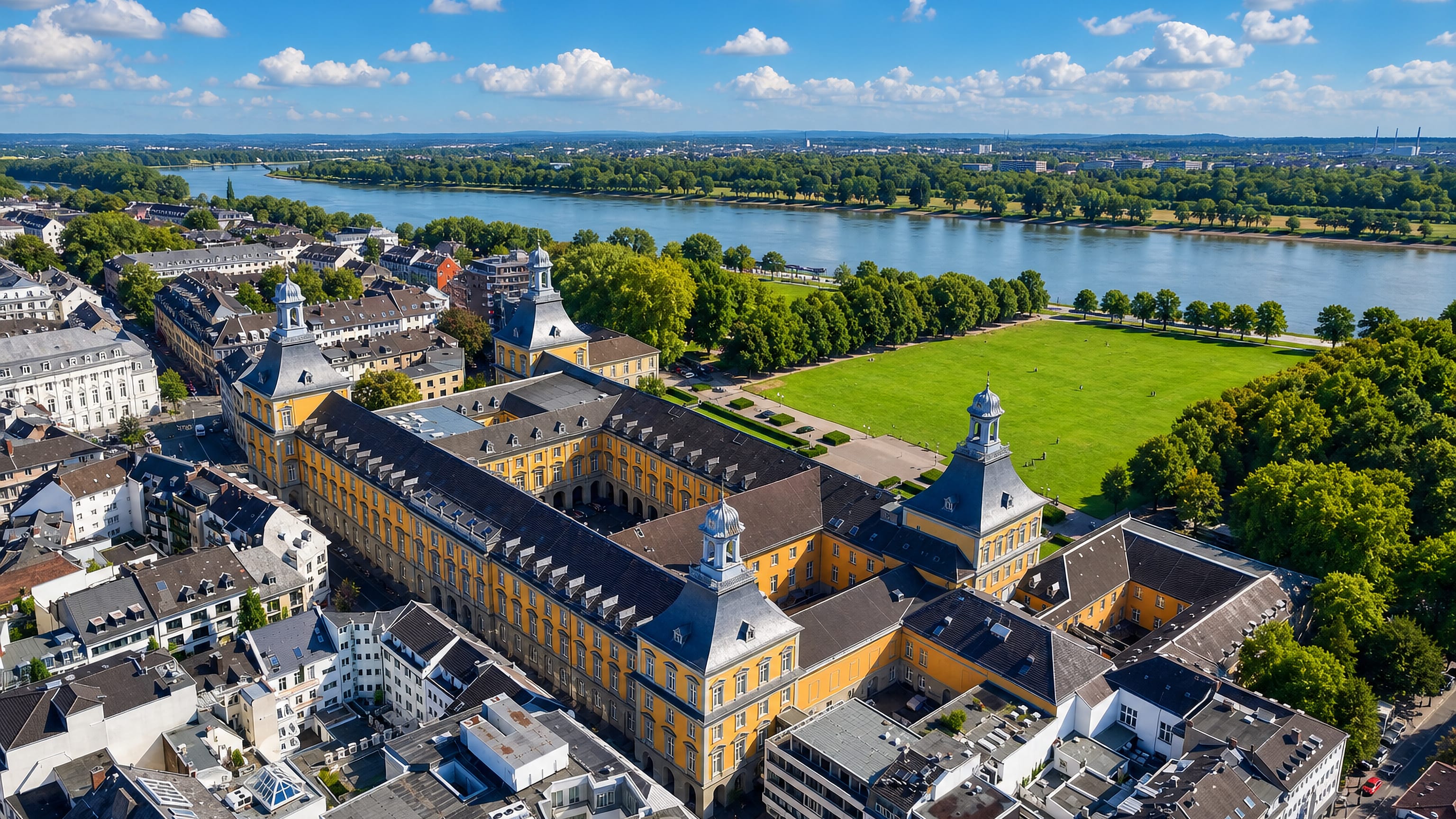
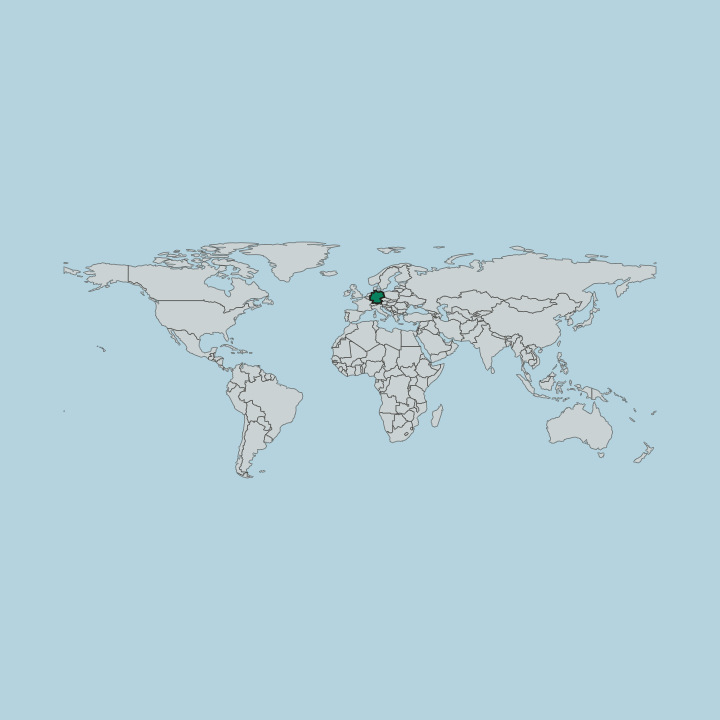
The Rhine runs past the old town at Bonn, a federal city in North Rhine-Westphalia known for Bonn Minster and the Beethoven House.
Hotel links are affiliate links: booking through them may earn us a commission, at no extra cost to you. It never affects how places are ranked. How this works


Where to stay in Bonn
Not every neighbourhood fits every trip — here's what each one is good for.

 BonnGermany
Endenich
Endenich fills the western part of Bonn, an old village grown around the Kreuzbergkirche and Burg Endenich, part of the city since 1904.Where to stay →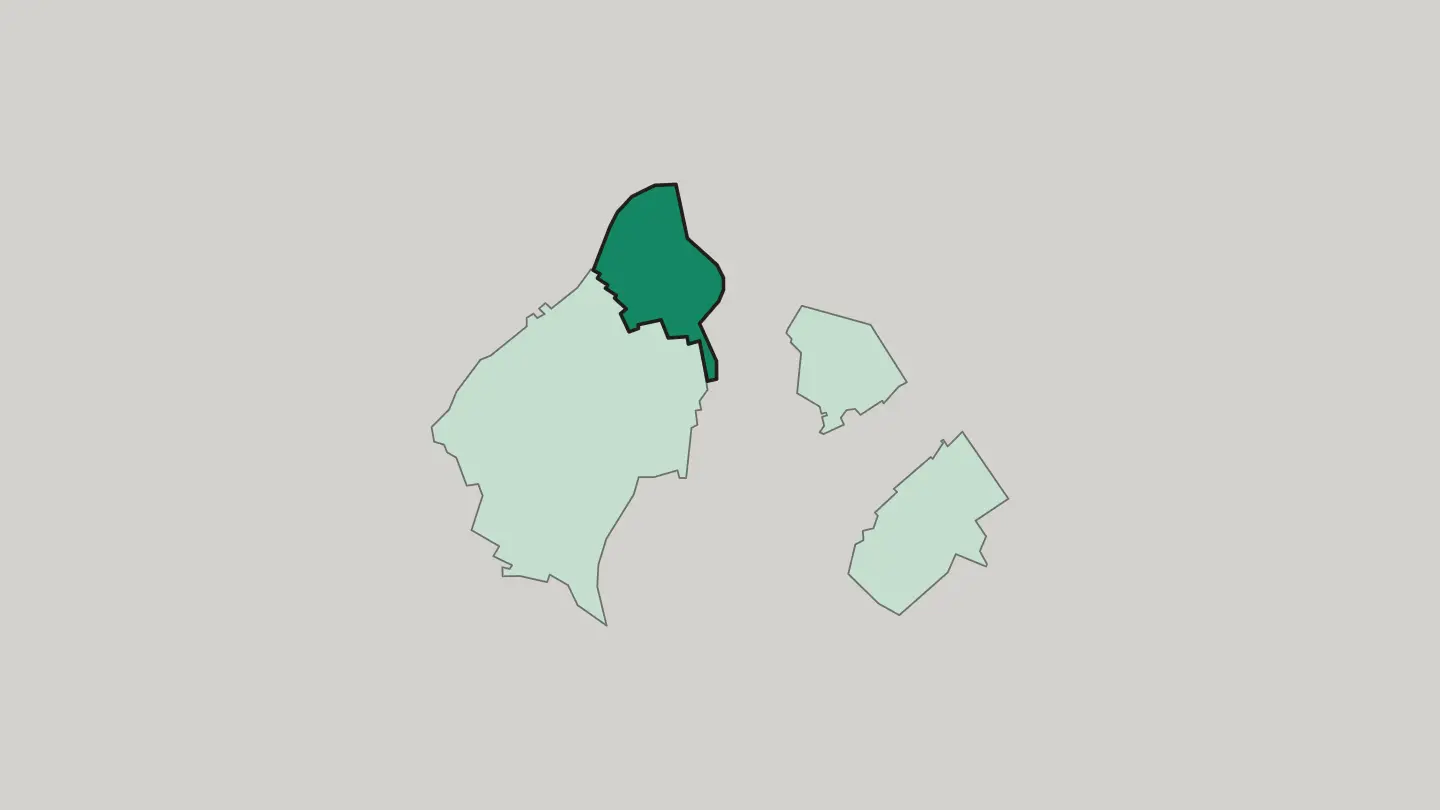
 BonnGermany
Kessenich
Kessenich lines the museum edge of Bonn, an old parish around Alt-St Nikolaus, with Museum Koenig and the Haus der Geschichte at its rim.Where to stay →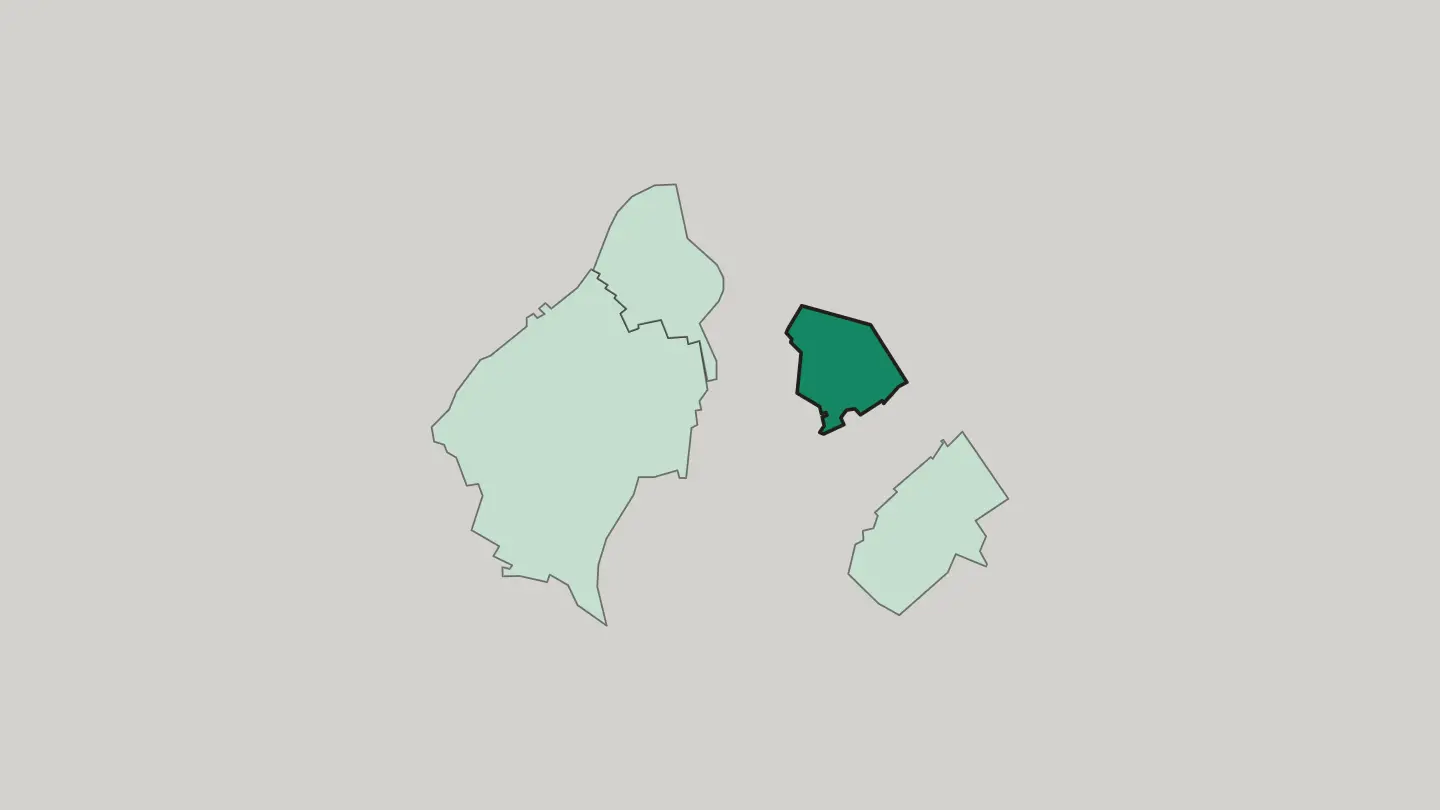
 BonnGermany
Bonn Hardtberg
Hardtberg is a city district of Bonn, formed in 1969, in Nordrhein-Westfalen, Germany.Where to stay →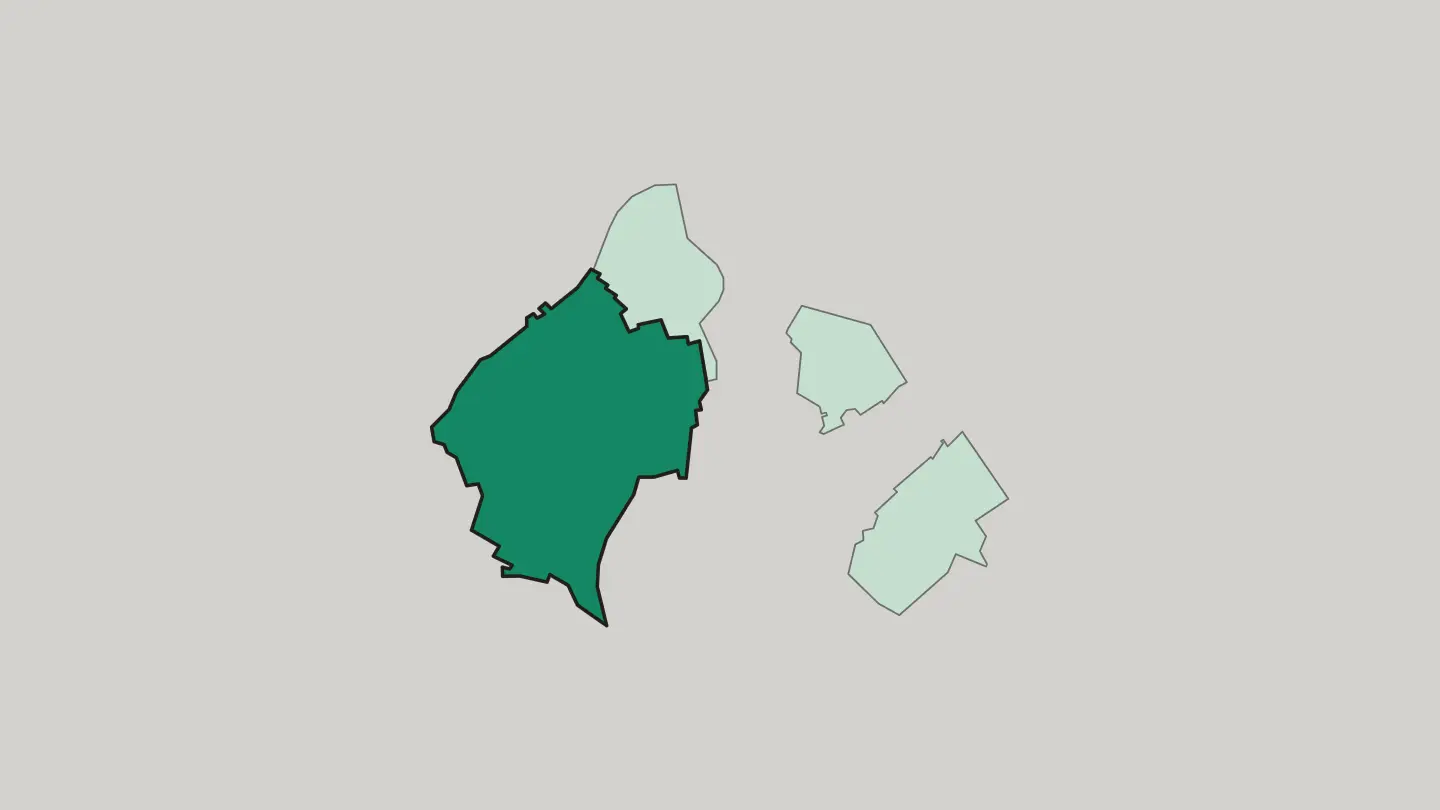
 BonnGermany
Friesdorf
Friesdorf keeps a village calm within Bonn, known for the parish churches of St Servatius and St Quirinus and the Kennedy-Statue nearby.Where to stay →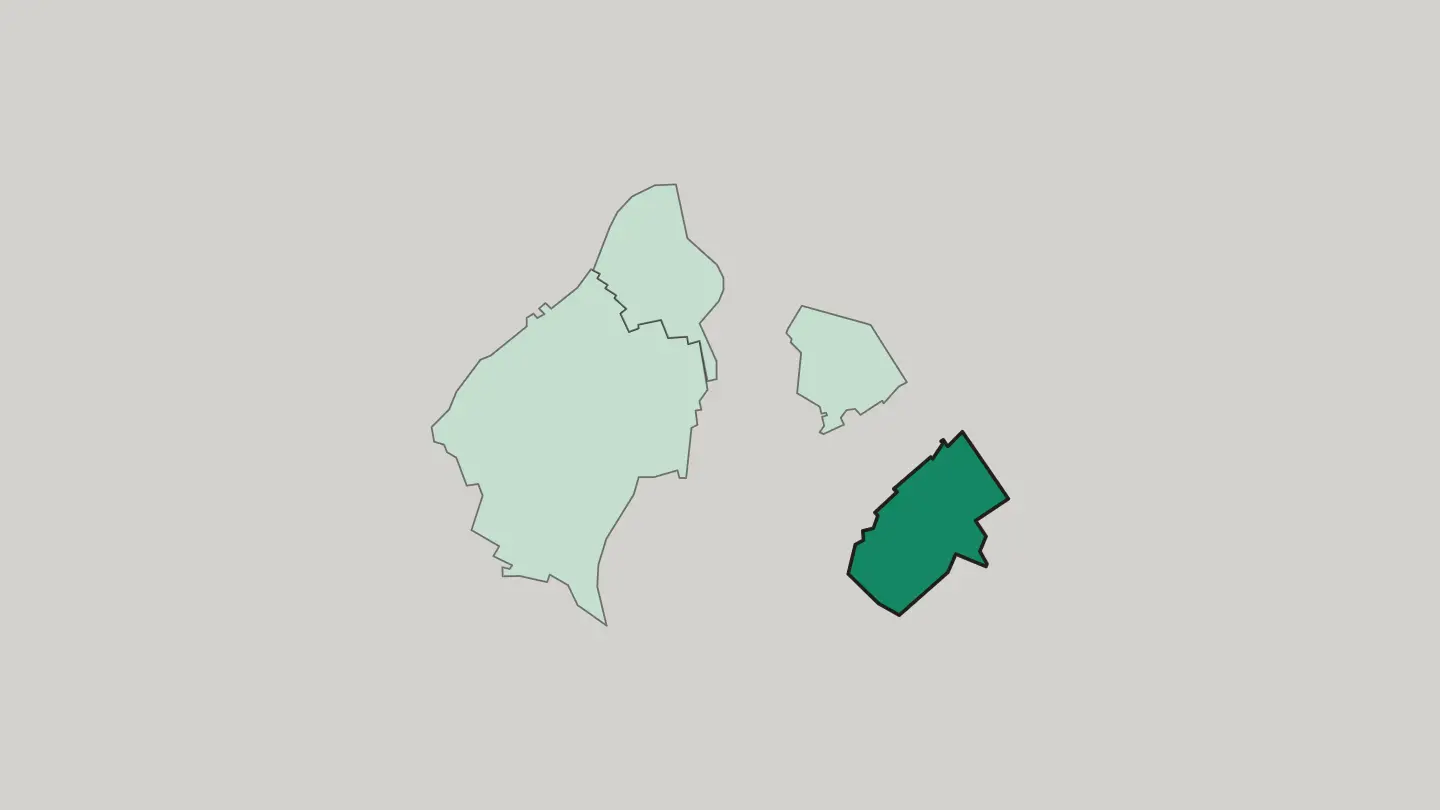 BonnGermany
Rüngsdorf
Rüngsdorf is a district of Bonn, its Erlöserkirche and protected Rheinallee houses set among the churches of Bad Godesberg.Where to stay →Hotel links are affiliate links: booking through them may earn us a commission, at no extra cost to you. It never affects how places are ranked. How this works
Find hotels in Bonn
Direct booking searches for these neighbourhoods.
The old town
Sterntor is what the town wall left behind, and Bonn Minster gives the same centre its one tall thing.Find hotels in The old townRiver rooms with Cologne a short way downstreamThe Rhine bank
Bonn stands on the banks of the Rhine at the southern end of the Rhine-Ruhr region, where the water traffic is the view a centre room does not get.Find hotels in The Rhine bankWorking through Bonn's outer churches rather than its museum namesBonn-Limperich
The Metropolitankathedrale Hagia Trias gives Bonn-Limperich an Orthodox cathedral, which is a different Bonn from the one around Bonn Minster.Find hotels in Bonn-LimperichHotel links are affiliate links: booking through them may earn us a commission, at no extra cost to you. It never affects how places are ranked. How this works
Things to do in Bonn
Ranked by global recognition; descriptions from Wikidata (CC0).
Museums & Galleries
3- August-Macke-Haus Heritage
- Schumannhaus Bonn Heritage
- Akademisches Kunstmuseum Heritage
Churches & Religious Sites
8- Bonn Minster Heritage
- St Maria and Clemens Church Heritage
- Holy Name Church Heritage
- St Remigius' Church, Bonn Heritage
- Kreuzbergkirche Heritage
Show 3 more →
- Marterkapelle Heritage
- Saint Michael Chapel (Bad Godesberg) Heritage
- Saint Nicholas Church Heritage
Castles & Historic Sites
5- Sterntor Heritage
- Burg Endenich Heritage
- Burg Medinghoven Heritage
- Kaiser-Wilhelm-Denkmal (Bonn) Heritage
- Burg Dottendorf Heritage
worth knowingacross 3 categories in Bonn
About Bonn
Bonn answers first with museums.
What is Bonn known for?
The Haus der Geschichte, the Kunstmuseum Bonn, the Kunst- und Ausstellungshalle der Bundesrepublik Deutschland and the LVR-Landesmuseum Bonn give the city an unusual weight of collections for its size, and the Beethoven House, the Schumannhaus Bonn and the August-Macke-Haus add three named houses to that. Bonn Minster is the older anchor. Low-rise streets and a great deal of greenery do the rest.
What are the main landmarks in Bonn?
Bonn Minster is the building the rest of Bonn is measured against. Its towers rise over an old town that stays low. The Beethoven House, the Schumannhaus Bonn and the August-Macke-Haus are three houses kept for the men whose names they carry, Sterntor is what the town wall left behind, and the Kreuzbergkirche and the Holy Name Church take the ecclesiastical weight beyond the minster.
Burg Endenich and Immenburg survive as old seats.
What is the history of Bonn?
Bonn's oldest names are church names. Bonn Minster gives the city its central foundation, the Benediktinerinnenkloster Bonn records a house of Benedictine nuns, and St Maria and Clemens Church and the Marterkapelle belong to the same long ecclesiastical stretch. Sterntor is the secular survivor.
The gate is what remains of the wall that once defined how far Bonn went, and the town inside it grew on the banks of the Rhine in the Cologne Lowland. Burg Endenich and the Immenburg are older seats that survived into the modern city. The university put its stamp next.
The Akademisches Kunstmuseum and the Mineralogisches Museum der Universität Bonn are university collections, and the Goldfuß-Museum carries a scholar's name. Then came the federal era. Bonn's official title is Federal City, and the institutions behind that title account for the Haus der Geschichte and the Kunst- und Ausstellungshalle der Bundesrepublik Deutschland, with the Konrad Adenauer head standing as the period's portrait.
Museums are how Bonn writes its own history down: the LVR-Landesmuseum Bonn, the Bonn Egyptian Museum, the Bonn Women's Museum and the Kunstmuseum Bonn all followed.
Where is Bonn?
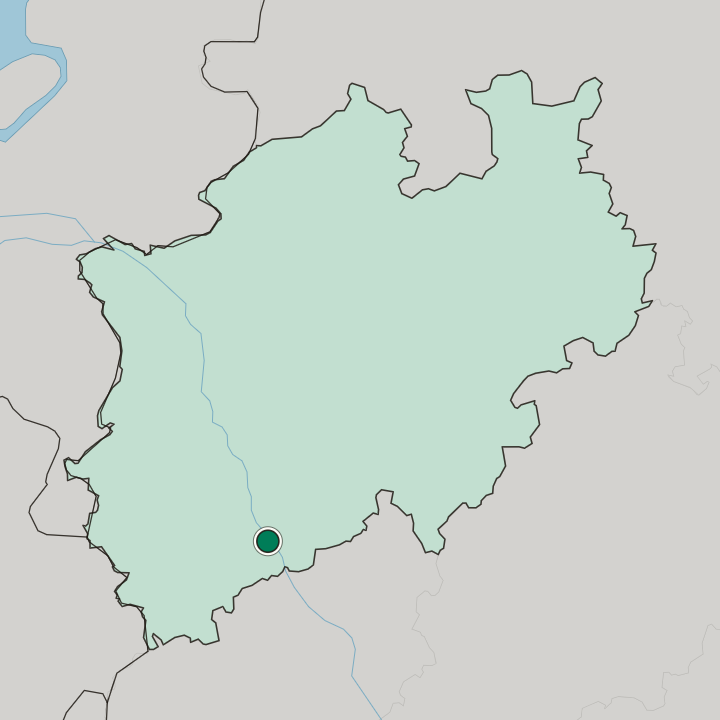
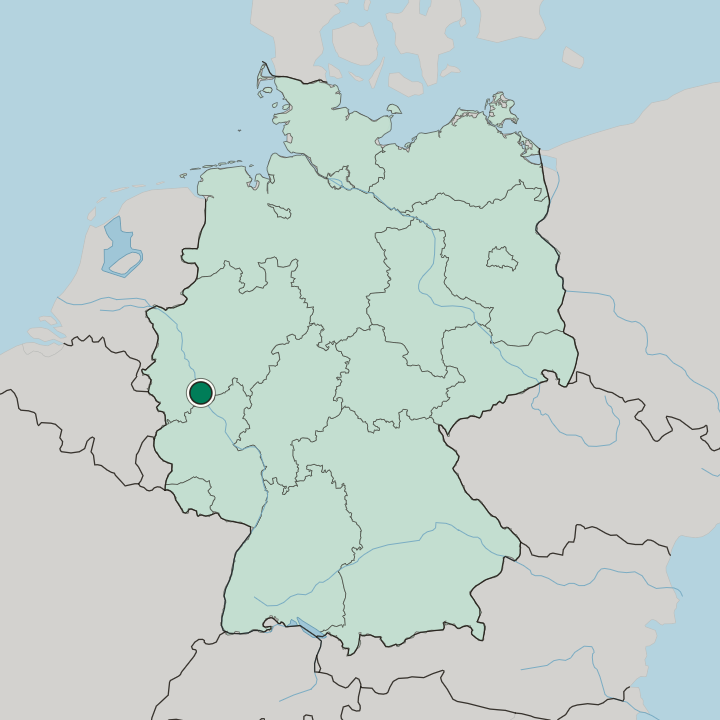
Bonn lies on the banks of the Rhine in the Cologne Lowland, at the southernmost end of the Rhine-Ruhr region. Cologne is a short way north, down the same river. The ground is river plain, the built area spreads wide and low across it, and greenery fills what the low-rise blocks leave open.
The river is the only edge that matters.
What is the climate of Bonn?
The Cologne Lowland gives Bonn a mild year. Winters along this stretch of the Rhine run grey and wet more often than hard, summers stay warm without extremes, and the greenery the city is known for is what a damp river valley in the temperate belt produces. Grey is the season's default colour.
The river keeps the air soft.
How do you get to Bonn?
Bonn sits at the southern end of the Rhine-Ruhr region, and that is the corridor almost every arrival uses. Cologne is a short run down the river, close enough that the two cities work as one approach rather than two. Distances around Bonn stay short.
The Rhine still carries traffic of its own past the banks. Inside the city, the old town is compact enough to cross on foot, and the outer names, Burg Endenich among them, are the ones that need a ride.
Common questions
What is the best area to stay in Bonn?
The old town: A first stay in the low-rise streets behind Sterntor. The Rhine bank: River rooms with Cologne a short way downstream. Bonn-Limperich: Working through Bonn's outer churches rather than its museum names.
Good for
More cities in Nordrhein-Westfalen
Updated October 2026