Germany · Nordrhein-Westfalen
Where to Stay in Köln, Nordrhein-Westfalen
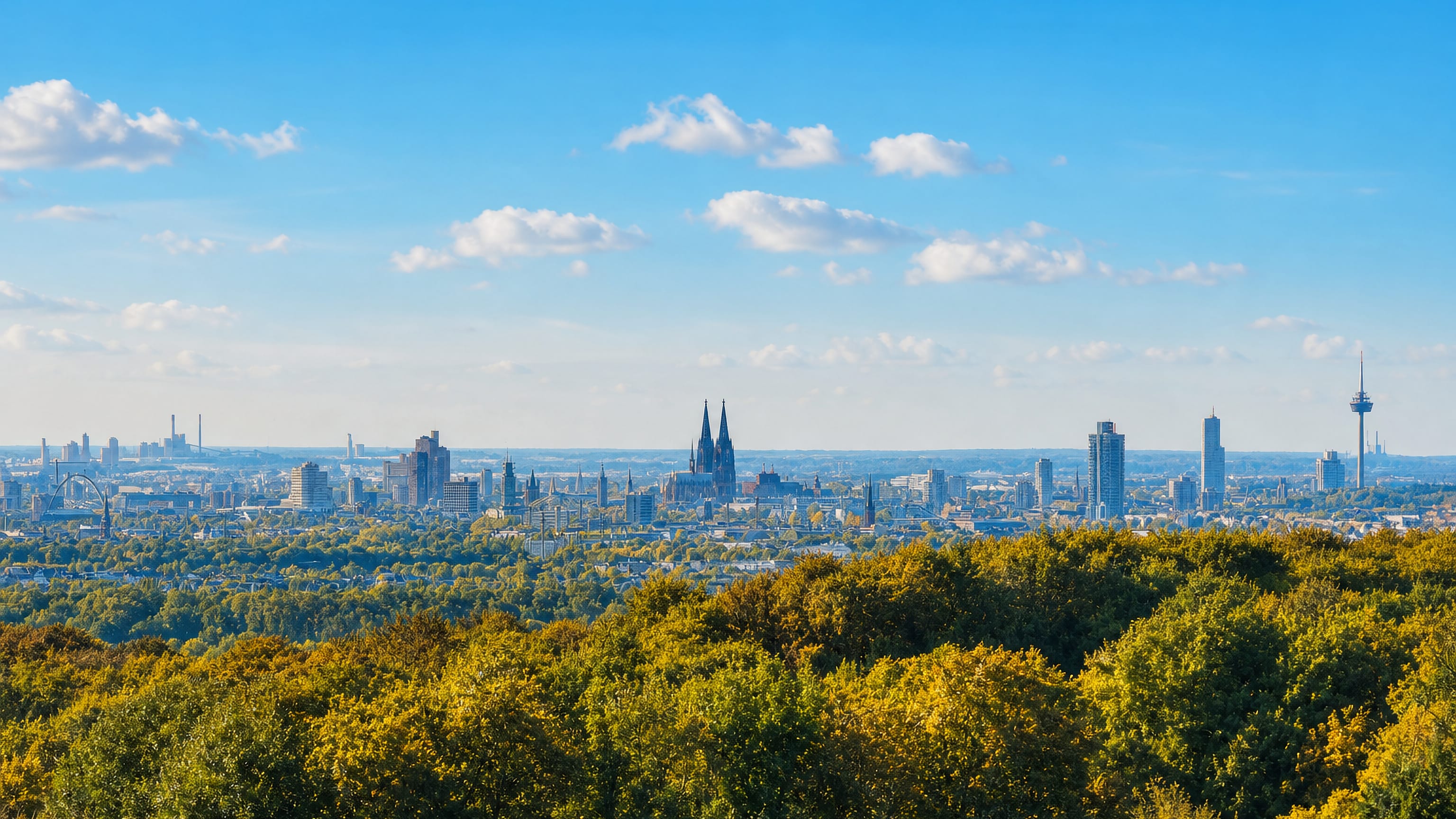
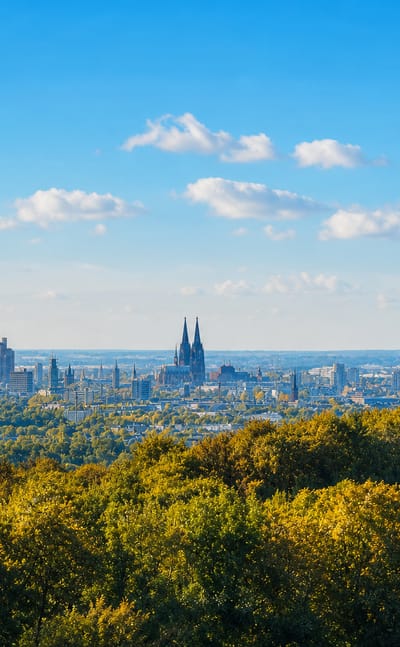
Köln stands on the left bank of the Rhine beneath the spires of Cologne Cathedral, the largest city of Nordrhein-Westfalen.
Hotel links are affiliate links: booking through them may earn us a commission, at no extra cost to you. It never affects how places are ranked. How this works


Where to stay in Köln
The right area depends on your trip — here's what each neighbourhood is best for.

 KölnGermany
Altstadt Nord
Altstadt-Nord is the northern half of Köln's old town in Nordrhein-Westfalen, Germany, the district around Cologne Cathedral and its museum quarter.Where to stay →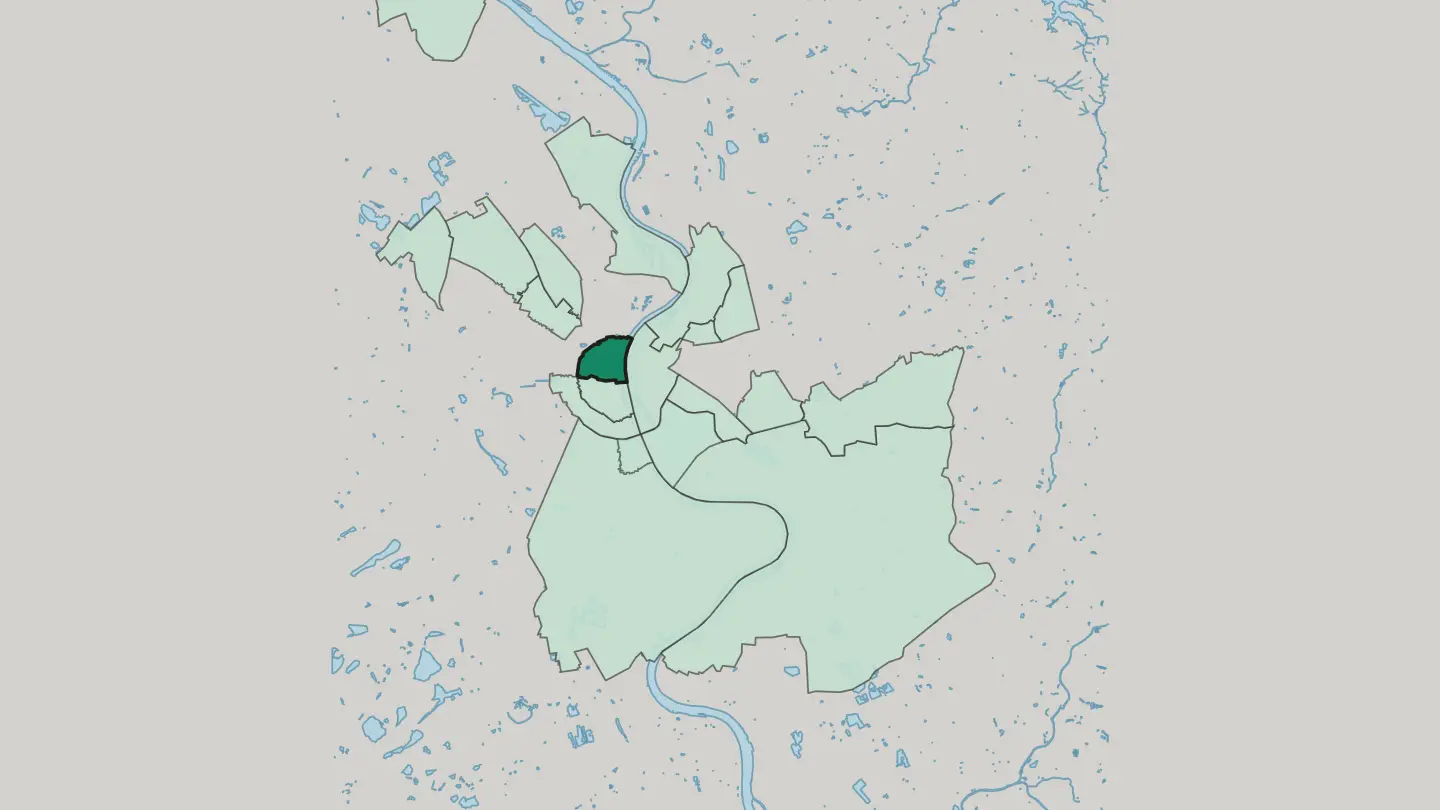
 KölnGermany
Neustadt/Nord
Neustadt/Nord is a Stadtteil of Köln's Innenstadt borough, north-west of the old town, and it holds the city's tallest buildings.Where to stay → KölnGermany
Altstadt Sud
Altstadt-Süd is the southern half of Köln's old town in Nordrhein-Westfalen, Germany, known for the Basilica of St. Severin and the Cologne Charterhouse.Where to stay →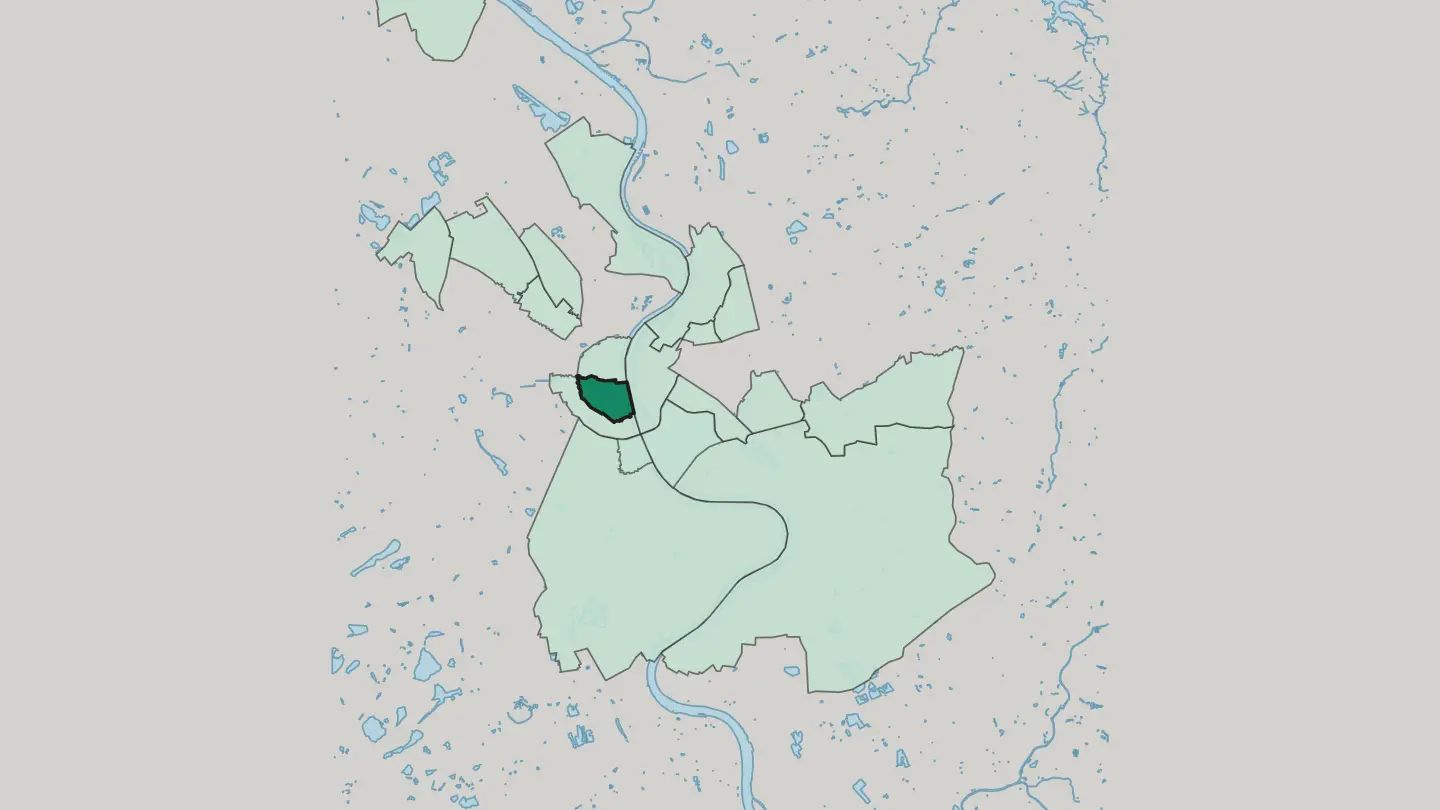
 KölnGermany
Neuehrenfeld
Brick churches line Neuehrenfeld, a residential quarter of Köln in Nordrhein-Westfalen anchored by Christuskirche.Where to stay →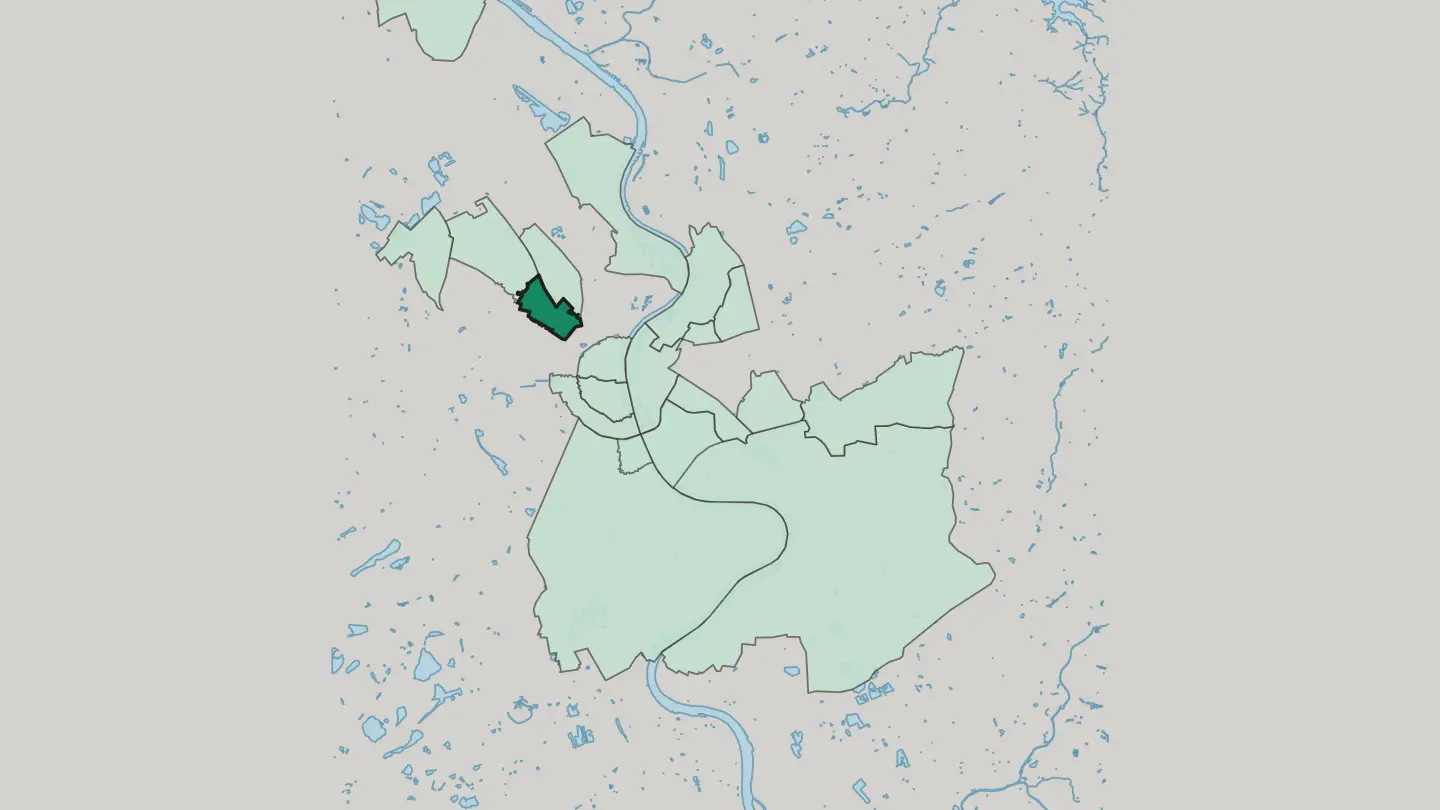
 KölnGermany
Deutz
Deutz is a historic district of Köln, an old quarter grown from the Roman fort of Castra Divitia and the former Deutz Abbey.Where to stay →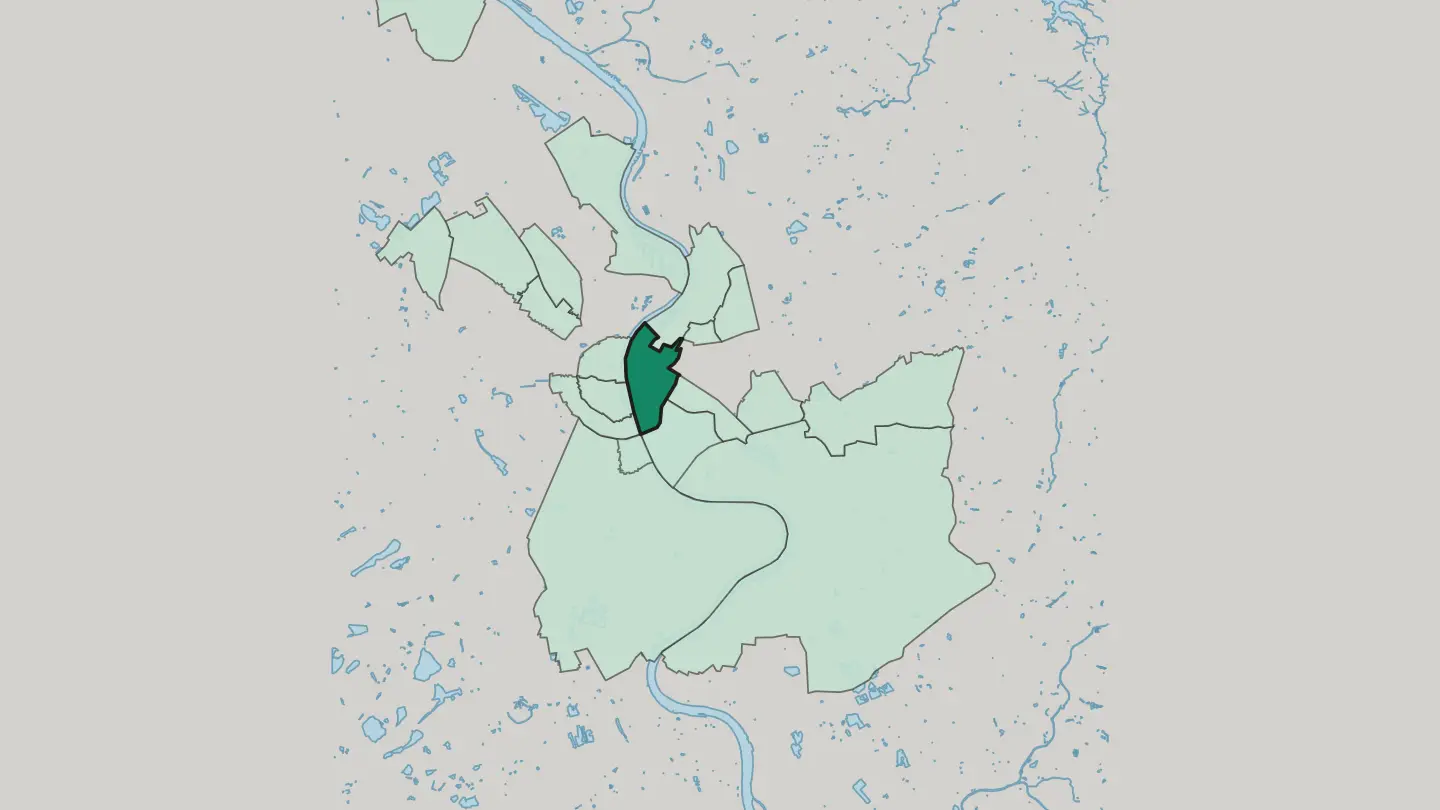
 KölnGermany
Neustadt/Süd
Neustadt/Süd is a Stadtteil of Köln's Innenstadt borough, and it has the highest population density of any part of the city.Where to stay →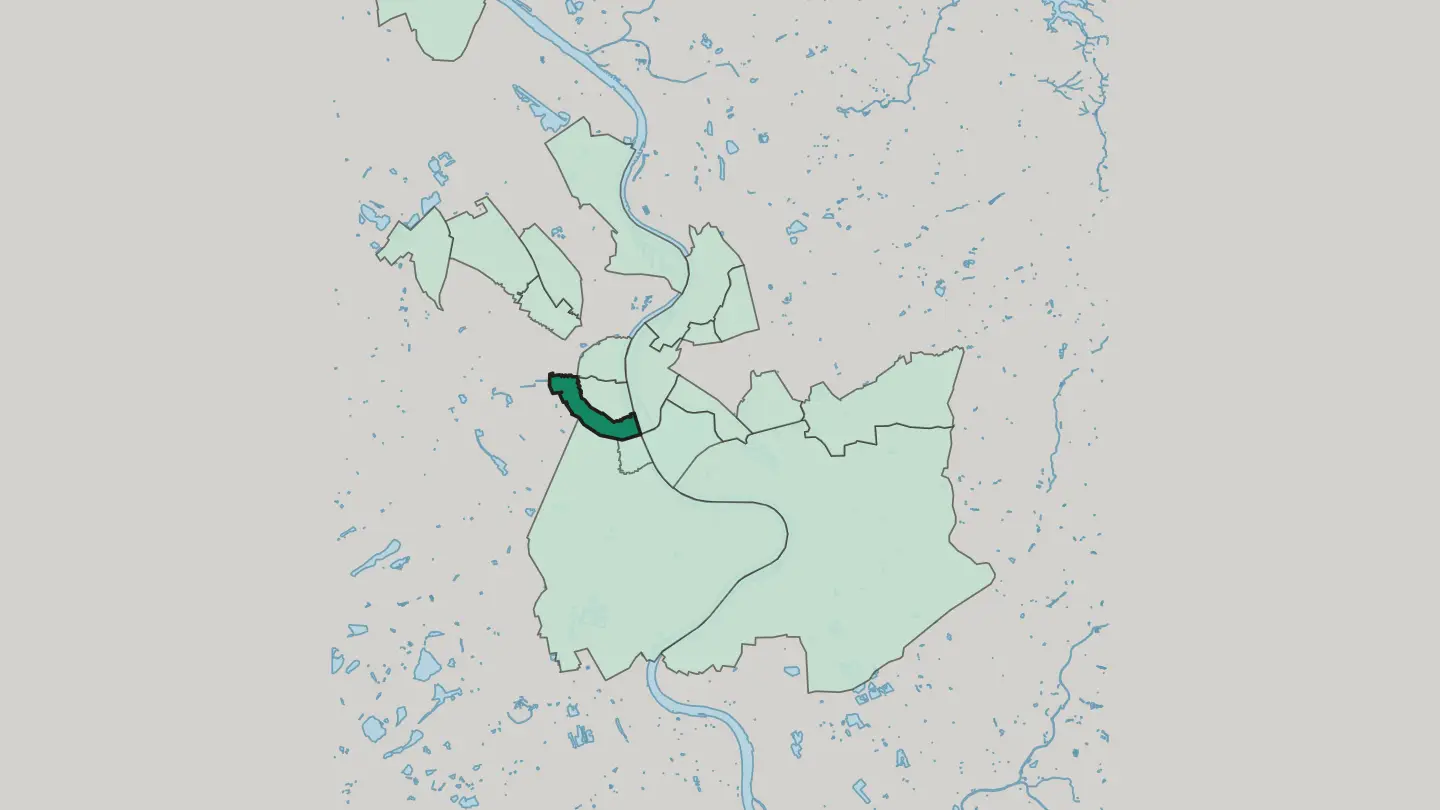 KölnGermany
Nippes
Nippes is the fifth borough of Cologne, holding the Cologne Zoological Garden, incorporated into the city in 1888 and made a district in 1975.Where to stay → KölnGermany
Riehl
Riehl is a district in the north of Köln on the left bank of the Rhine, home to the Cologne Zoological Garden and the Flora.Where to stay →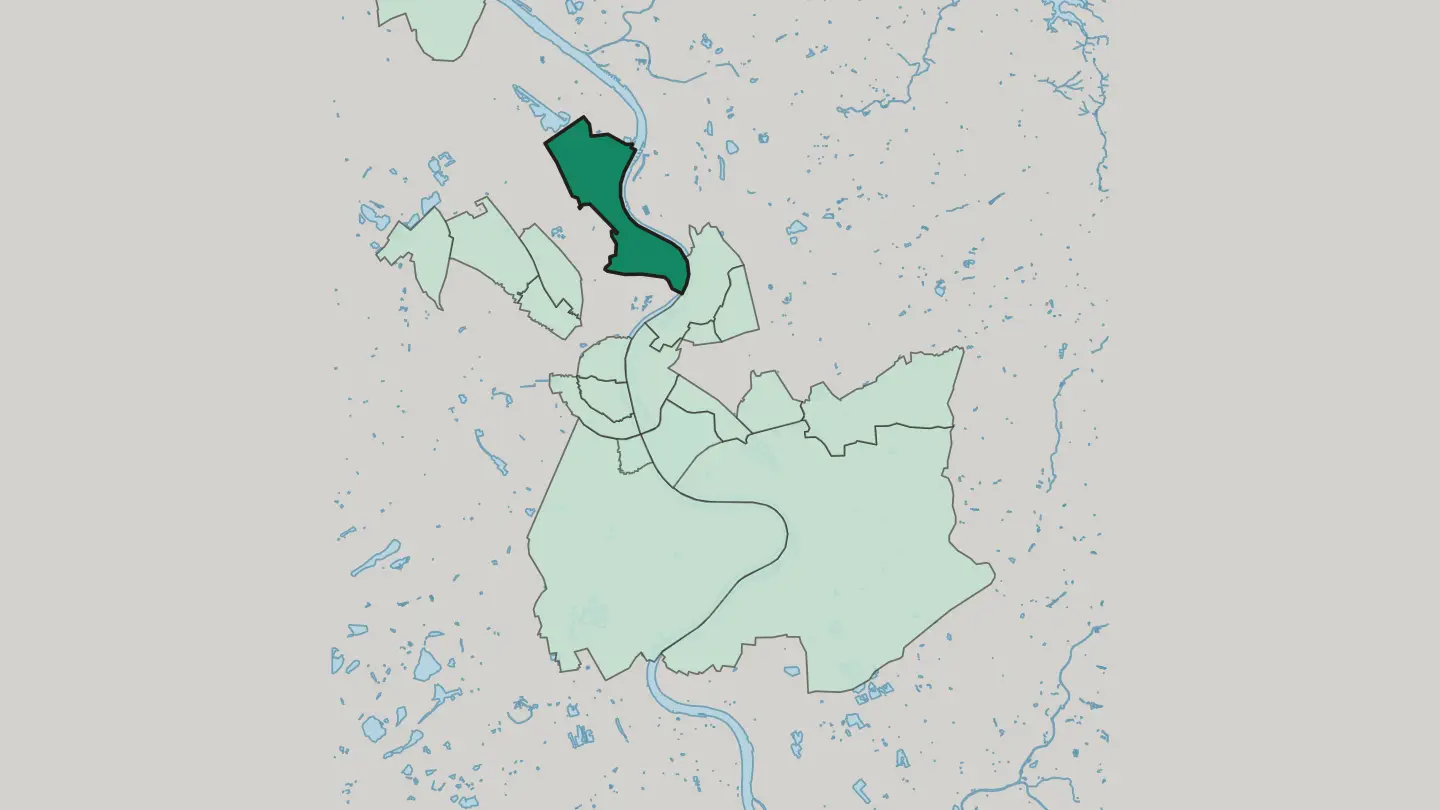
 KölnGermany
Humboldtkolonie
Humboldtkolonie forms part of Köln, paired with Gremberg, its streets marked by St Joseph and St Marien near the Odysseum.Where to stay →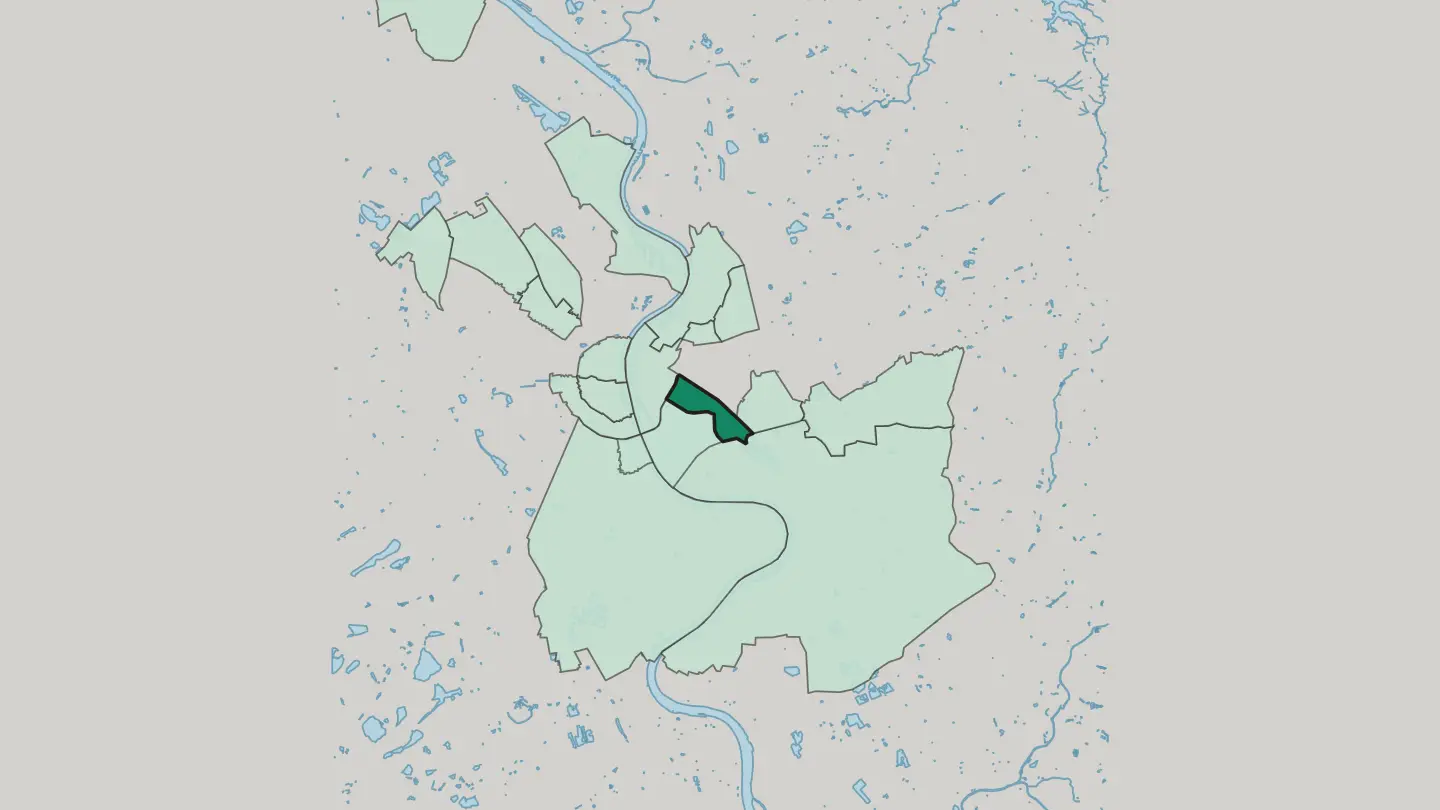
 KölnGermany
Bayenthal
Bayenthal lines the left bank of the Rhine in Köln, a quarter of the Rodenkirchen borough set between Innenstadt and Marienburg.Where to stay →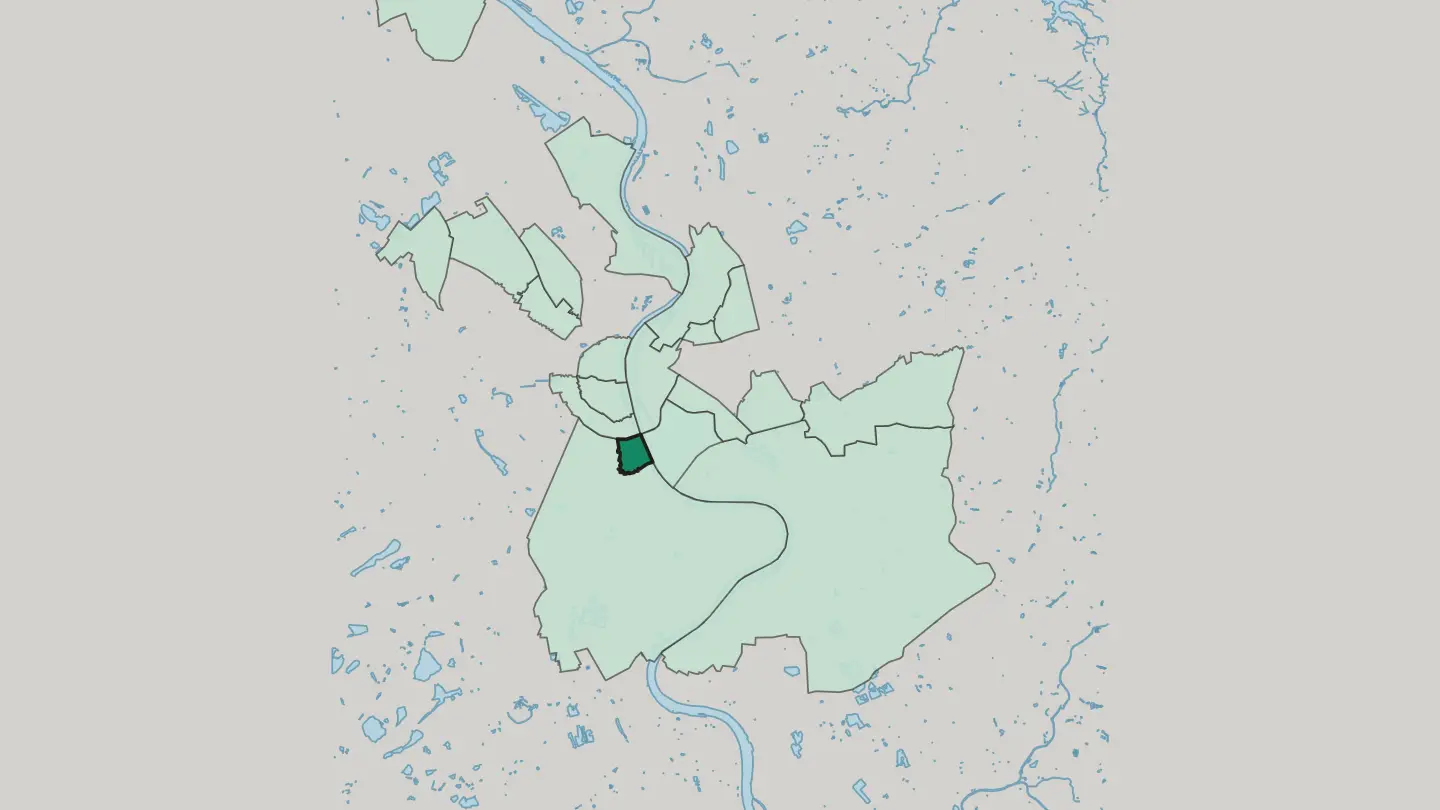
 KölnGermany
Buchforst
Buchforst is a small district of Köln in the right-bank Mülheim borough, set inland from the Rhine near the Odysseum.Where to stay →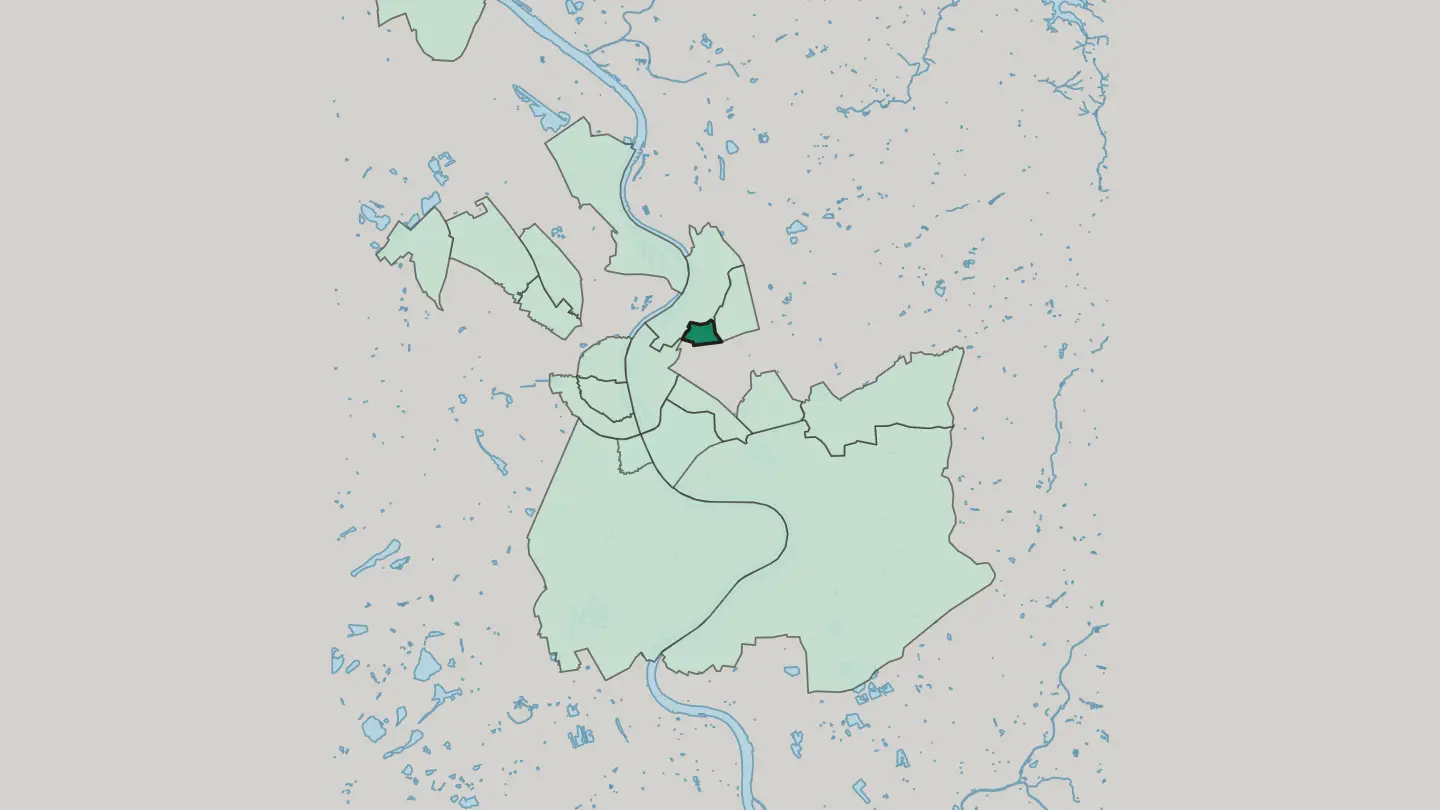
 KölnGermany
Bilderstöckchen
Bilderstöckchen is a residential quarter of Köln, a plain city district gathered around the Nathanaelkirche and its parish churches.Where to stay →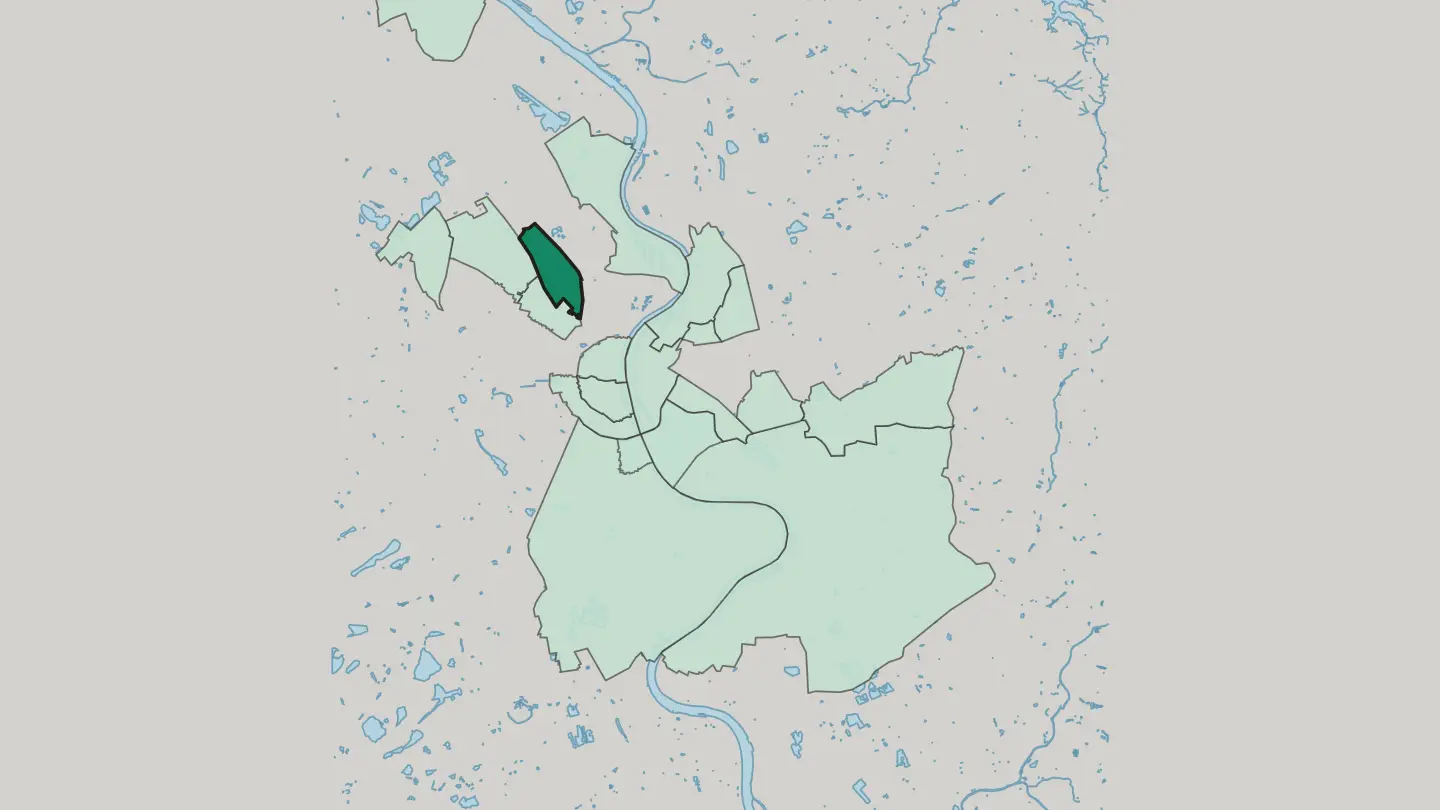
All neighbourhoods (29)
 KölnGermany
Sülz
Sülz lies along Luxemburger Straße between Lindenthal and Klettenberg, a municipal part of Köln inside the Lindenthal district.Where to stay → KölnGermany
Poll
Poll carries its own local heritage inside Köln, a quarter of Nordrhein-Westfalen with the Poller Heimatmuseum and the Poller Köpfe.Where to stay →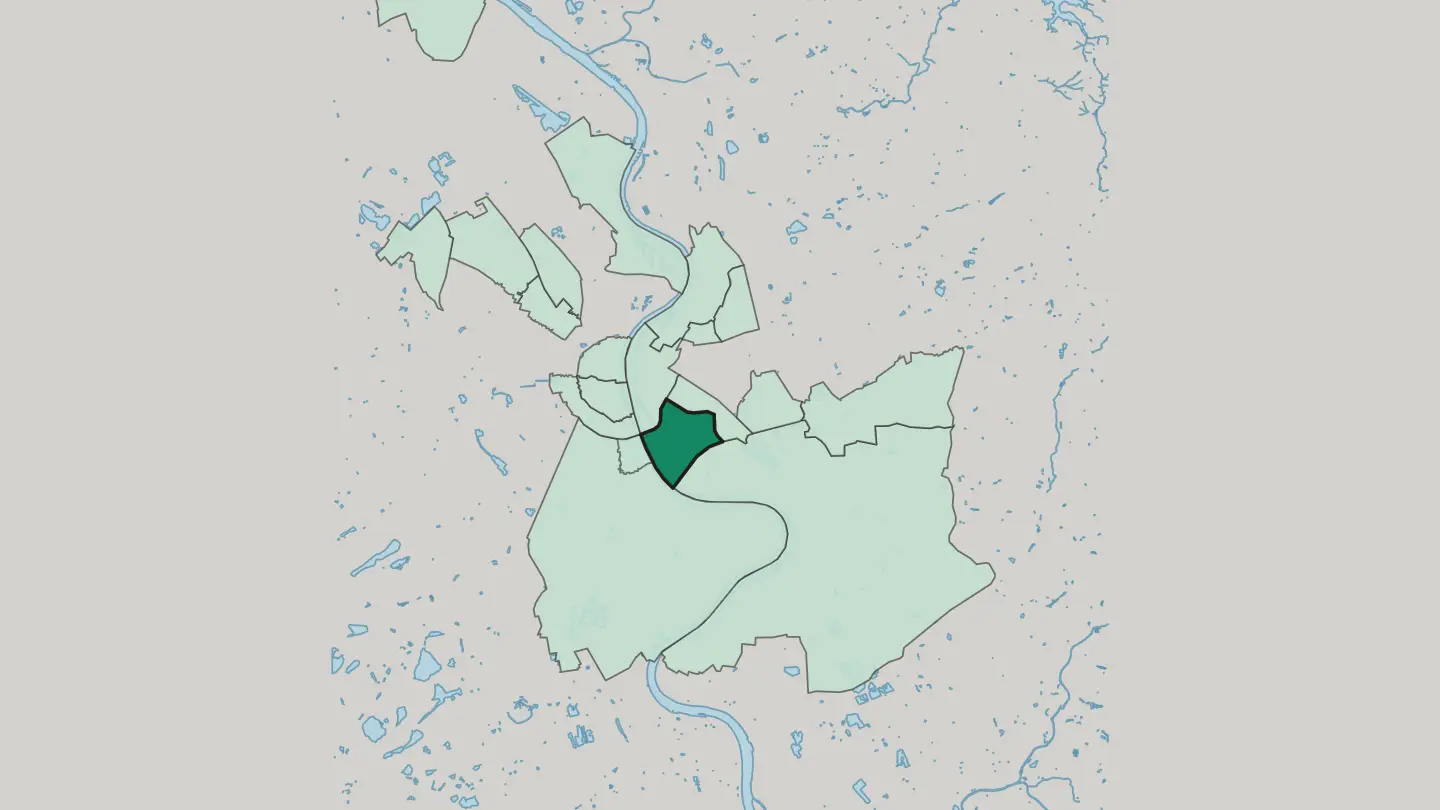
 KölnGermany
Zollstock
Zollstock is a Köln district in the borough of Rodenkirchen, first mentioned in 1877 and holding the Südfriedhof since 1901.Where to stay → KölnGermany
Buchheim
Buchheim is a district of Köln in the Mülheim borough, a residential city quarter marked by the parish church of St Mauritius.Where to stay →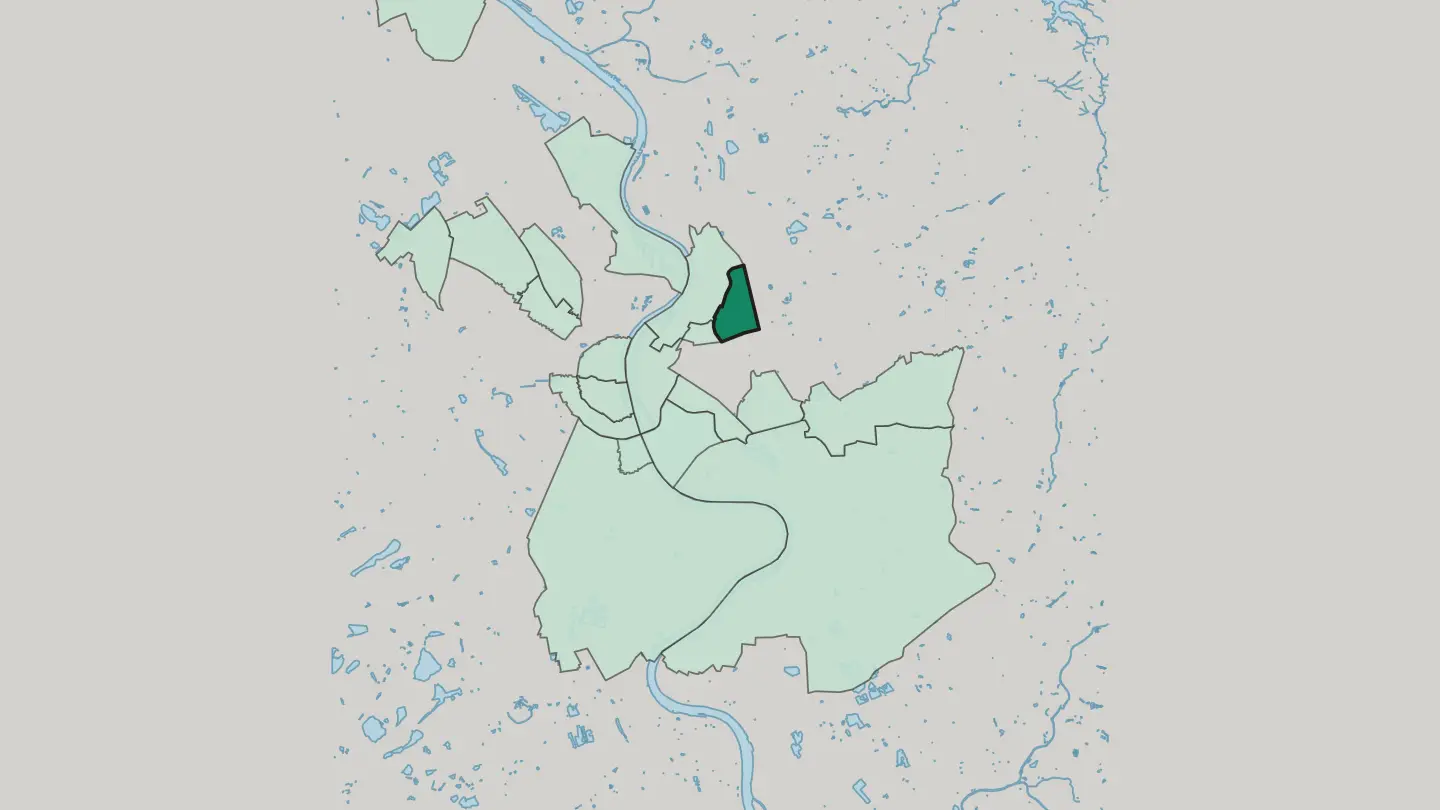 KölnGermany
Kalk
Kalk, the eighth Stadtbezirk of Cologne, joined the city in 1910 and became a borough in 1975; St. Theodor stands within it.Where to stay → KölnGermany
Vingst
Vingst is an eastern part of Köln, in the Kalk borough on the right bank of the Rhine.Where to stay → KölnGermany
Ossendorf
Car halls and church towers mark Ossendorf, a broad quarter of Köln in Nordrhein-Westfalen centred on Motorworld Köln.Where to stay →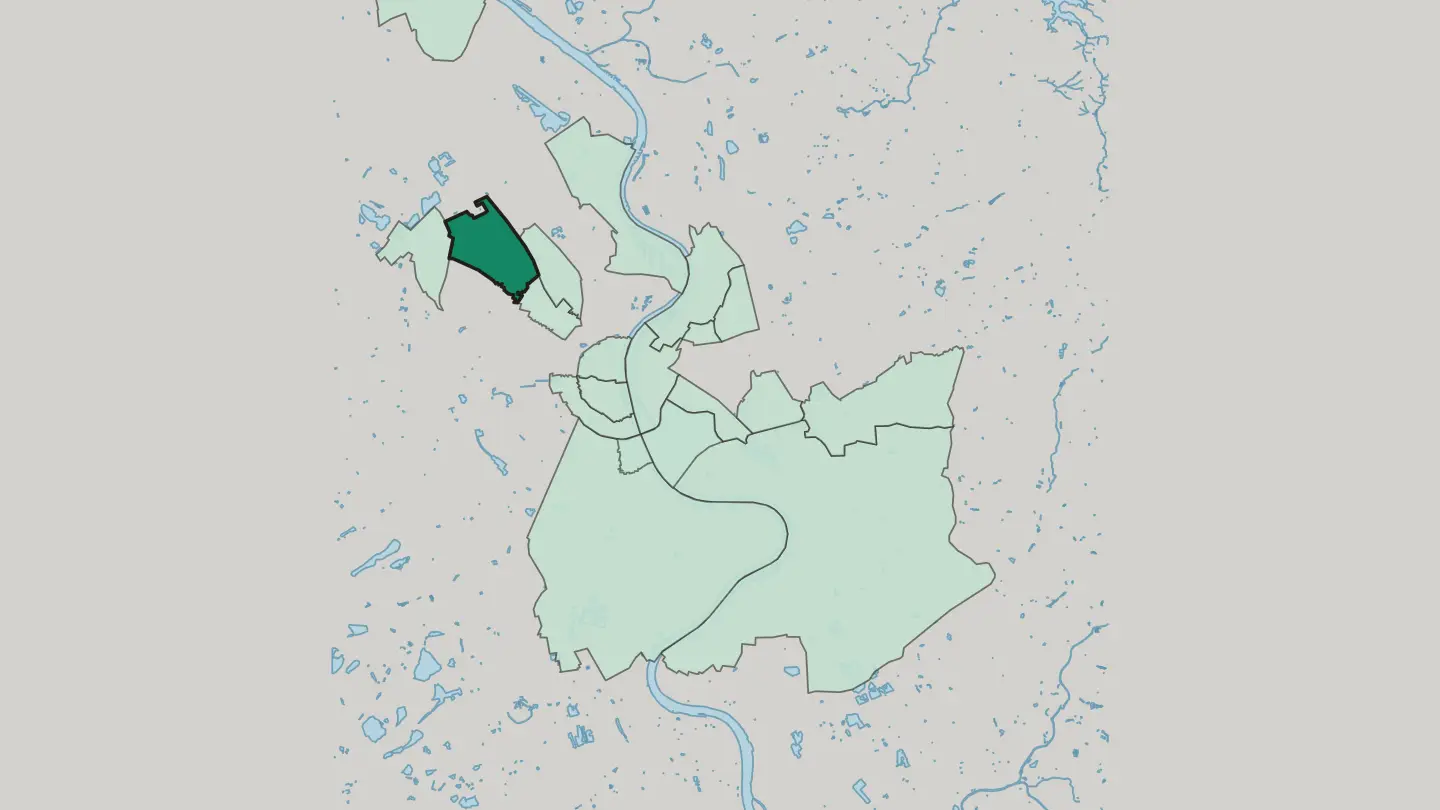 KölnGermany
Höhenberg
Höhenberg is an eastern Stadtteil of Köln, in the Kalk district on the right bank of the Rhine, and a district of its own since 1927.Where to stay →KölnGermany
Mülheim
Mülheim is a district of Köln, its old churches set around St Clemens and the Church of St Mauritius, near The PhotoBookMuseum.Where to stay →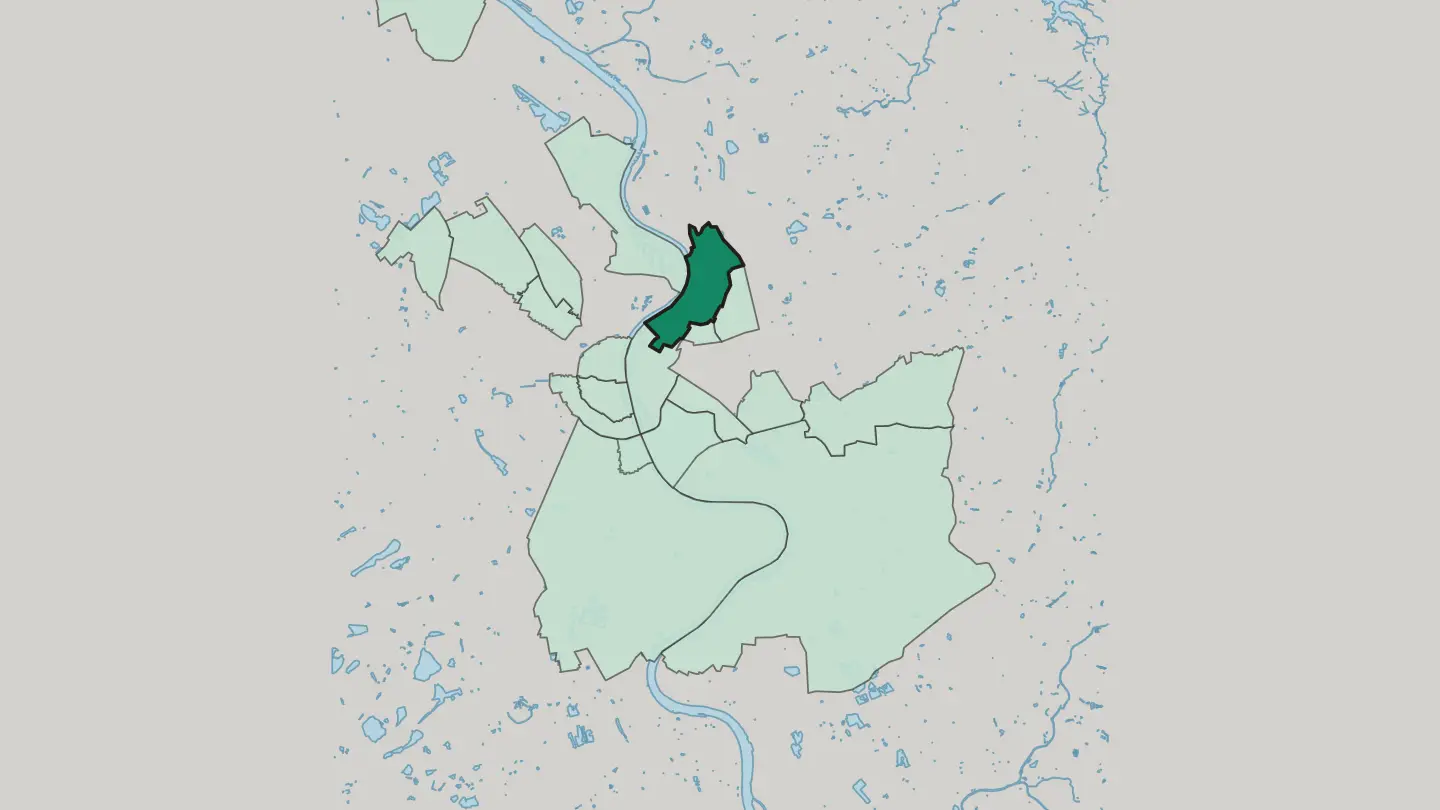 KölnGermany
Stammheim
Stammheim holds Schloss Stammheim and its park on the right bank of the Rhine, a municipal part of Köln in the district of Mülheim.Where to stay → KölnGermany
Ostheim
Ostheim is a residential quarter of Köln in Nordrhein-Westfalen, its streets gathered around the churches of St Adelheid and St Theodor.Where to stay →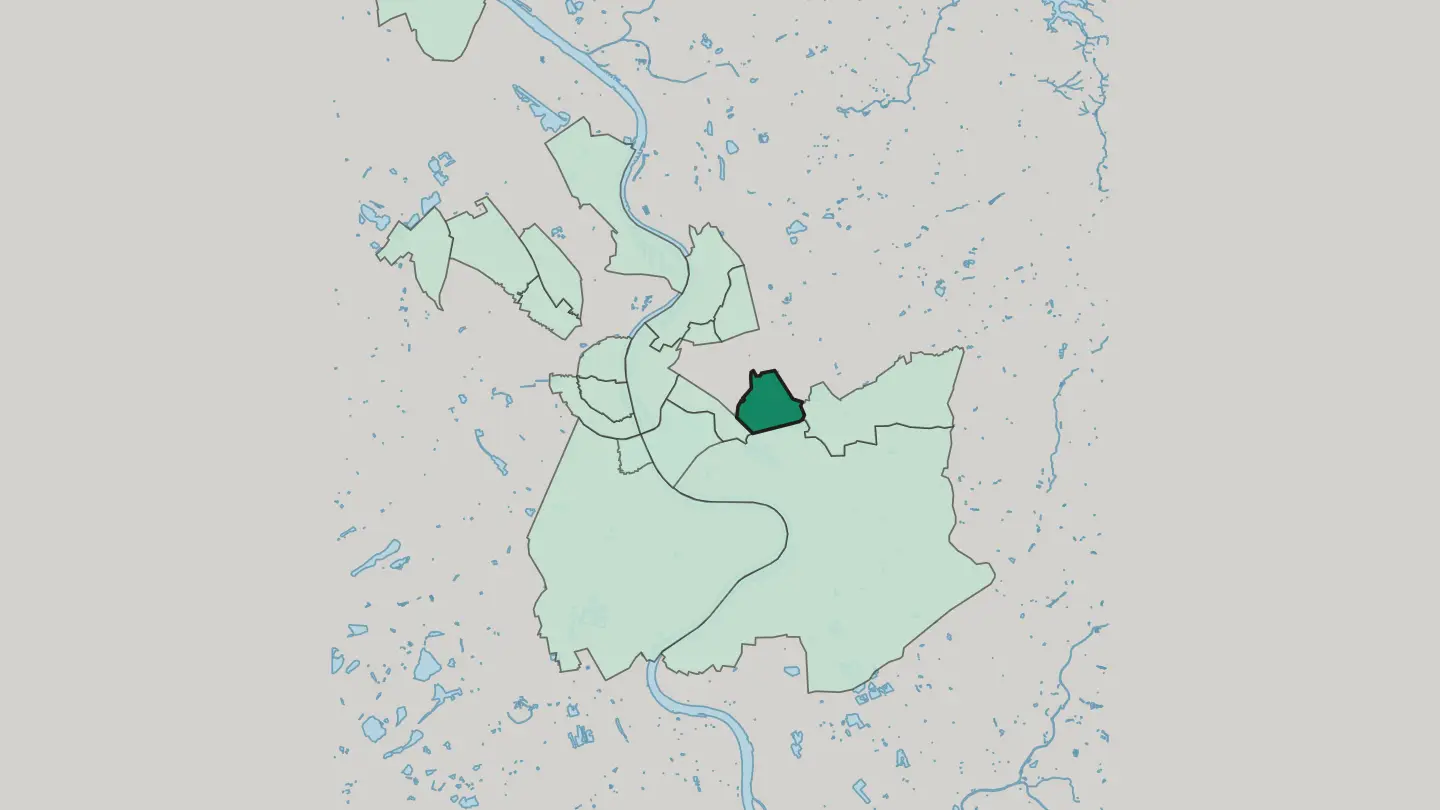 KölnGermany
Rodenkirchen
Rodenkirchen is the southern borough of Köln, gathering quarters from Bayenthal to Sürth around the church of St Maternus.Where to stay →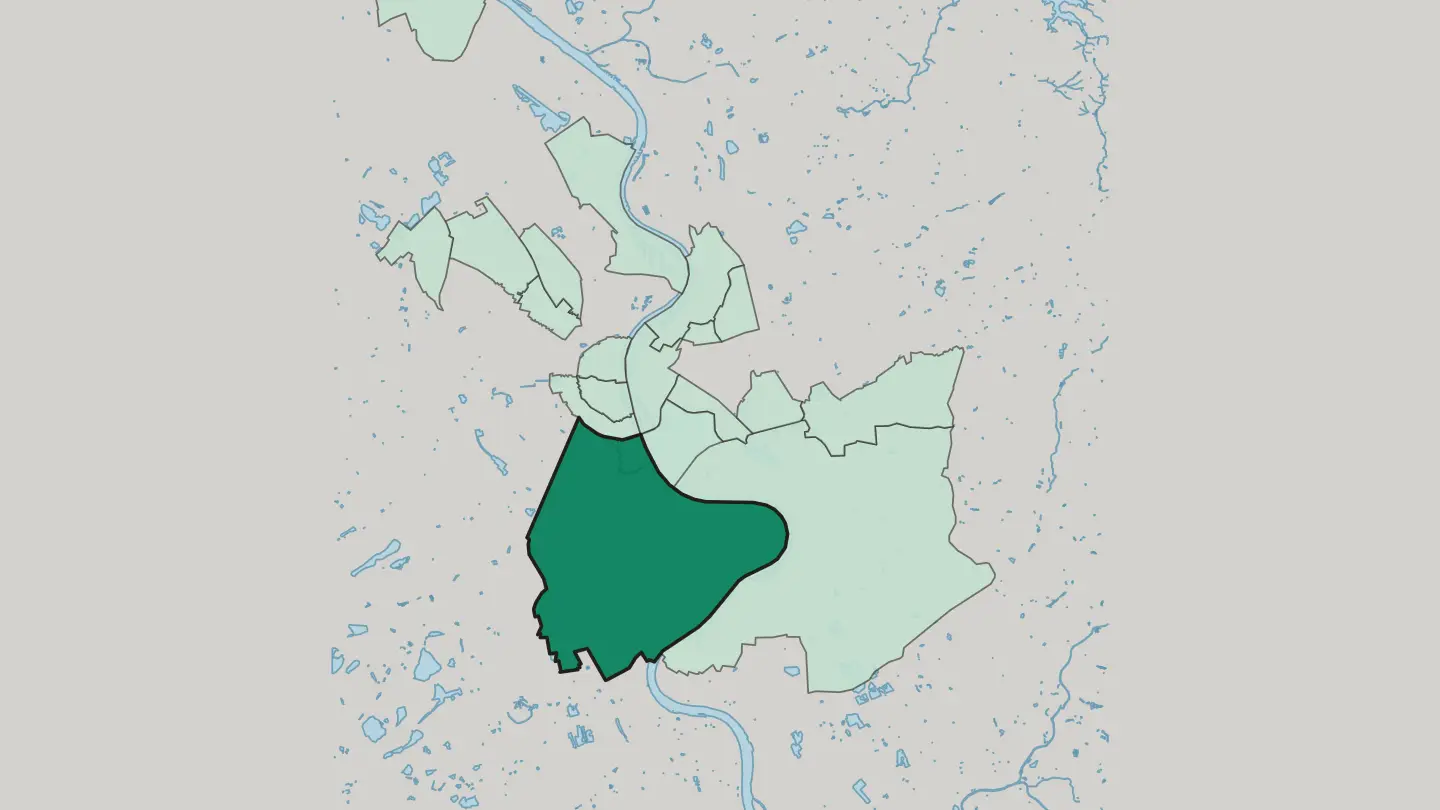 KölnGermany
Vogelsang
Vogelsang is a Köln district of some three and a half square kilometres, with the GEW Energy Dome and three churches on its register.Where to stay → KölnGermany
Mengenich
Mengenich forms part of Köln, paired with Bocklemünd, a quiet residential quarter gathered around its parish churches.Where to stay →KölnGermany
Rath
Rath and Heumar share a single quiet quarter of Köln, its streets settled around the Church of St Cornelius.Where to stay →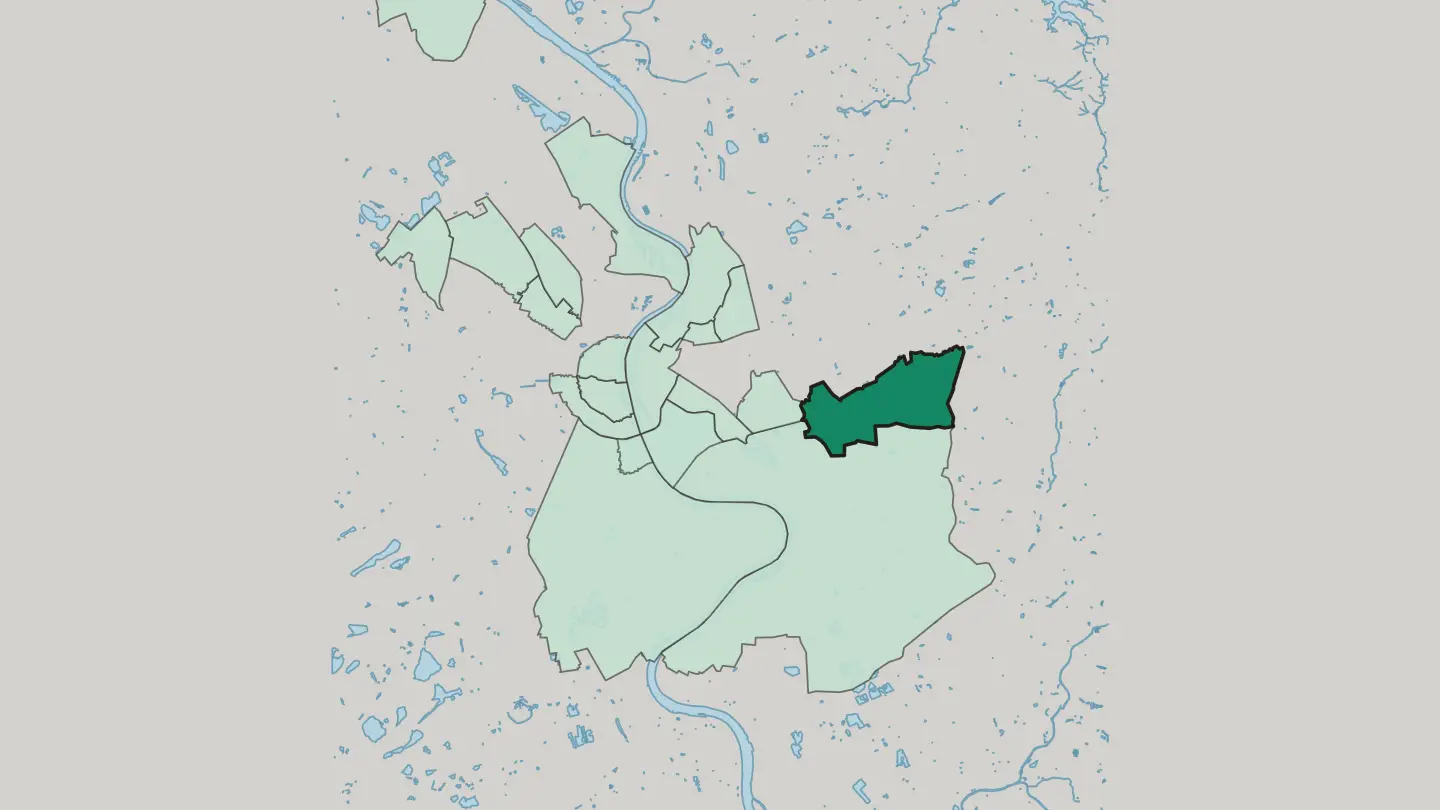
 KölnGermany
Porz am Rhein
Porz am Rhein stretches along the Rhein within Köln, a broad riverside quarter of Nordrhein-Westfalen marked by the Lukaskirche.Where to stay →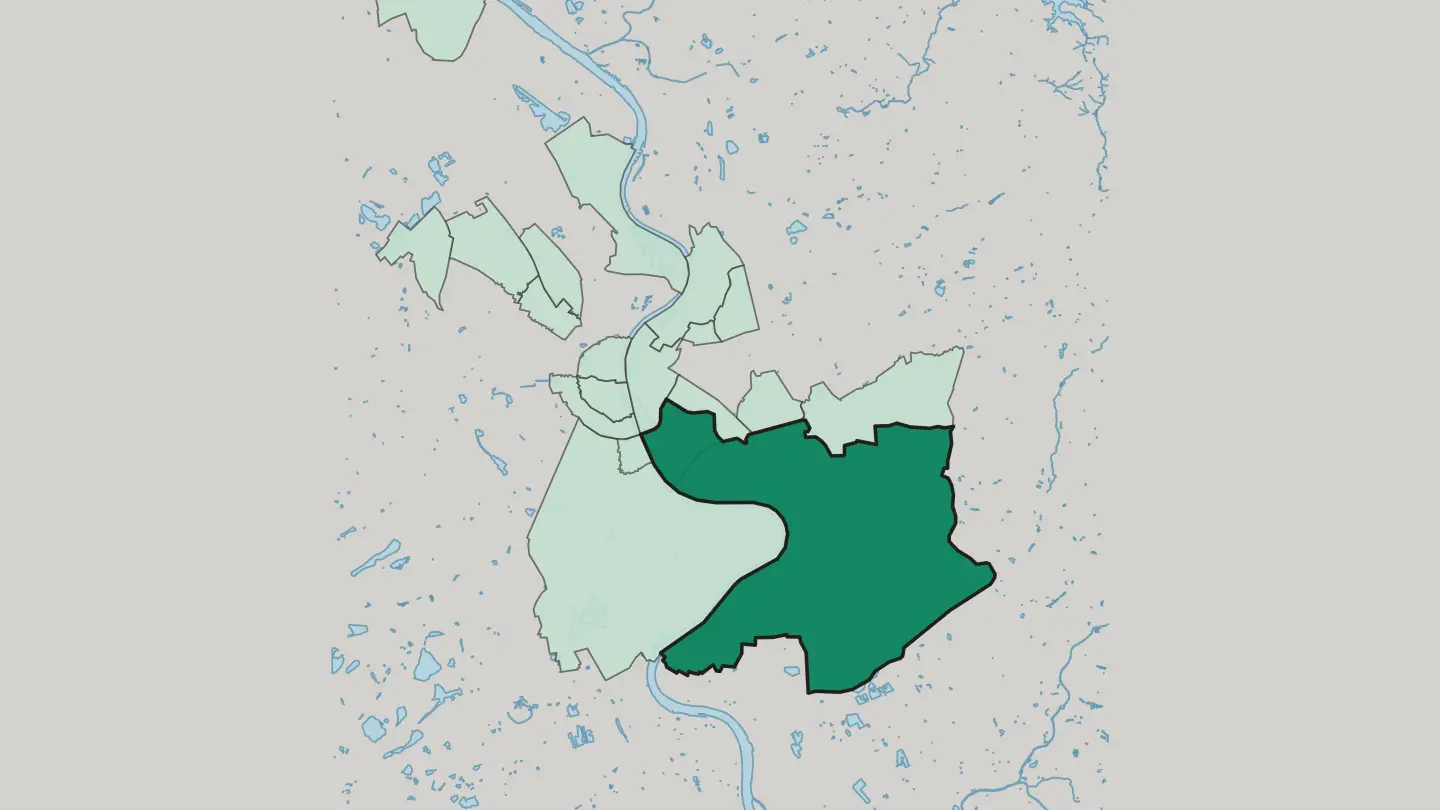
 KölnGermany
Worringen
Worringen holds the northern edge of Köln on the left bank of the Rhine, an old quarter shaped by the Battle of Worringen and Burg Worringen.Where to stay →Hotel links are affiliate links: booking through them may earn us a commission, at no extra cost to you. It never affects how places are ranked. How this works
Find hotels in Köln
Direct booking searches for these neighbourhoods.
The Altstadt by the cathedral
the old-town lanes run from Cologne Cathedral down to the Rhine past the Schokoladenmuseum Köln on the harbour frontFind hotels in The Altstadt by the cathedraltravellers who want painting from the medieval to the modernThe museum quarter
the streets west of Cologne Cathedral gather the Wallraf-Richartz Museum, the Museum Ludwig, and the Romano-Germanic MuseumFind hotels in The museum quarterquieter stays facing the old town from the right bankDeutz across the Rhine
the right-bank streets of Deutz set the Roman fort of Castra Divitia and Deutz Abbey opposite Cologne Cathedral. Rooms are few around here — worth securing early.Find hotels in Deutz across the RhineHotel links are affiliate links: booking through them may earn us a commission, at no extra cost to you. It never affects how places are ranked. How this works
Things to do in Köln
Ranked by global recognition; descriptions from Wikidata (CC0).
Museums & Galleries
3- Museum of East-Asian Art Heritage
- Museum Ludwig
- Wallraf–Richartz Museum
Churches & Religious Sites
8- Cologne Cathedral UNESCO
- Great St. Martin Church Heritage
- St. Gereon's Basilica Heritage
- St. Maria im Kapitol Heritage
- St. Pantaleon's Church Heritage
Show 3 more →
- St. Andreas Church Heritage
- St. Kunibert's Church Heritage
- St. Kolumba, Cologne Heritage
Castles & Historic Sites
7- Colonia Claudia Ara Agrippinensium Heritage
- Weißhaus Heritage
- Castra Divitia Heritage
- Schloss Stammheim Heritage
- Flottenkastell Alteburg Heritage
Show 2 more →
- Poller Köpfe Heritage
- Jan Wellem memorial Heritage
Nature & Outdoors
2- Schlosspark Stammheim Heritage
- Vorgebirgspark Heritage
Stadiums & Sports
1- GEW Energy Dome
Parks & Gardens
1- Flora und Botanischer Garten Köln Heritage Cologne Botanical Garden
Landmarks & Notable Places
2- Bottmühle (Köln) Heritage
- Haus Meran, Äußere Kanalstraße 81 (Köln)
worth knowingacross 7 categories in Köln
About Köln
What is Köln known for?
Köln is known for Cologne Cathedral, the Gothic giant on the Rhine that draws pilgrims and crowds to its left bank. The city runs on art and faith. The Wallraf-Richartz Museum, the Museum Ludwig, and the Romano-Germanic Museum hold painting from the medieval to the modern beside the finds of Roman Köln, while the Romanesque churches and the Schokoladenmuseum Köln round out a centre built for wandering.
What are the main landmarks in Köln?
Köln keeps its landmarks along the Rhine and through the old town. Cologne Cathedral dominates them all. The Wallraf-Richartz Museum, the Museum Ludwig, and the Schnütgen Museum divide the painting and medieval art, the Romano-Germanic Museum guards the mosaics of Roman Köln, and the Kolumba and the Museum für Angewandte Kunst carry the rest.
Faith stands among them too, from the Antoniterkirche to the Romanesque churches, while the Schokoladenmuseum Köln draws its own crowd on the harbour front.
What is the history of Köln?
Köln began as a Roman colony on the Rhine, founded as Colonia Claudia Ara Agrippinensium in the first century. Its name still carries that origin. The Romans set their city on the left bank and threw a fort across the water at Castra Divitia in Deutz, guarding the crossing that made the settlement a hinge of the frontier.
The colonia grew into a walled Roman capital of the north. Through the Middle Ages Köln rose as one of the great cities of the Rhine, a seat of the Church whose builders began Cologne Cathedral to hold the relics drawn to it. The cathedral took centuries to finish.
Its Romanesque churches went up across the same quarters, and Deutz Abbey rose on the right bank opposite the old town. The city stayed the largest on the Rhine in Nordrhein-Westfalen, a river capital between Bonn upstream and Düsseldorf downstream, and its Roman and medieval layers still shape the streets of Köln.
Where is Köln?
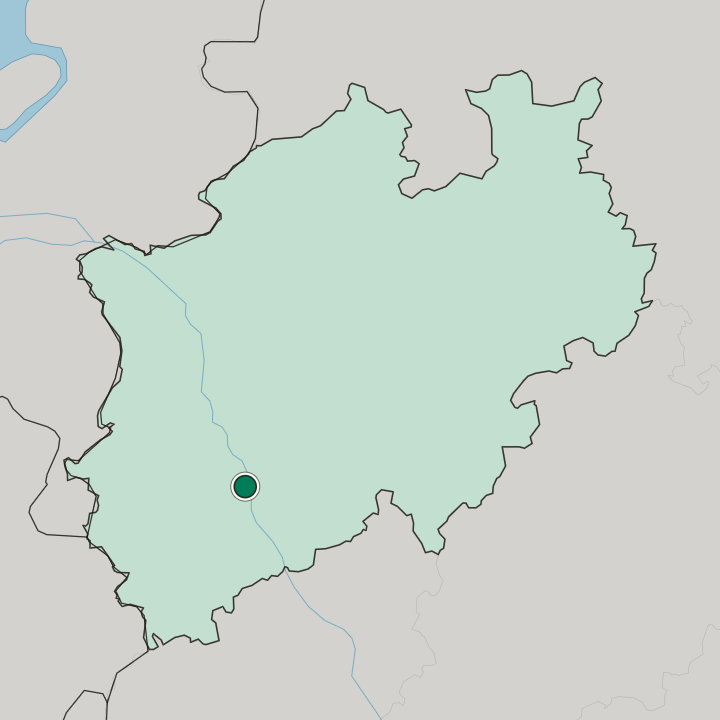
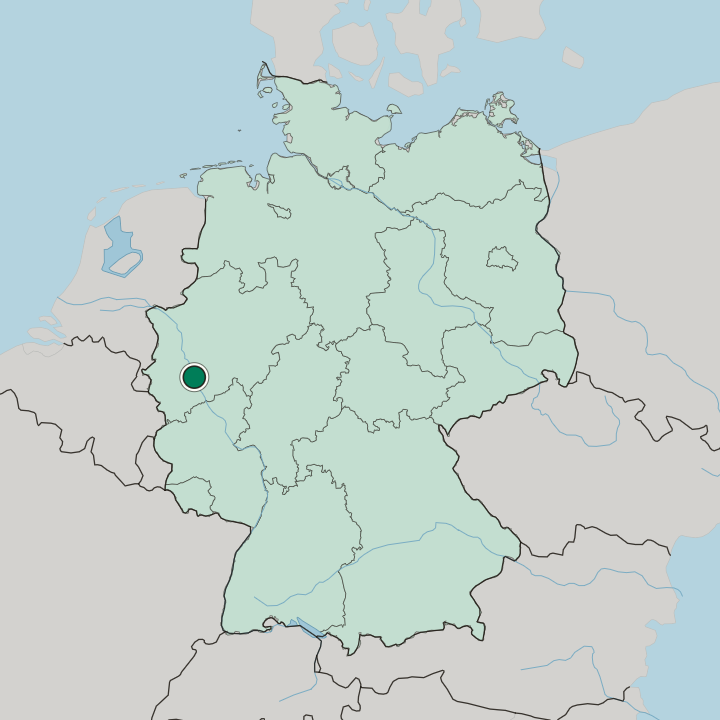
Köln sits on the Rhine in Nordrhein-Westfalen, its old town spread along the left bank of the river. The Rhine splits the city. Deutz faces the centre from the right bank, linked across the water, while the stream runs down from Bonn upstream in the south and on toward Düsseldorf downstream in the north.
Low ground and the river shape it, a flat river city rather than a hill town.
What is the climate of Köln?
Köln keeps a mild, wet climate in the Rhine valley of Nordrhein-Westfalen. Grey, overcast skies hang over Köln for much of the year. Its winters run cool and damp rather than bitter, and its summers turn warm along the river, with rain spread through the year over the left bank and the old town of Köln.
How do you get to Köln?
Köln is one of the busiest rail hubs on the Rhine, reached by train, river, and road from every side. Trains pour into the centre. The city sits where the main Rhine lines cross, so travellers reach it from Bonn and Düsseldorf in minutes and from across Nordrhein-Westfalen with ease, while the river itself carries boats past the old town below Cologne Cathedral.
Common questions
What is the best area to stay in Köln?
The Altstadt by the cathedral: first-time visitors who want Cologne Cathedral and the Rhine on the doorstep. The museum quarter: travellers who want painting from the medieval to the modern. Deutz across the Rhine: quieter stays facing the old town from the right bank.
Good for
More cities in Nordrhein-Westfalen
Updated October 2026