Germany · Nordrhein-Westfalen
Where to Stay in Dortmund, Nordrhein-Westfalen
Dortmund, founded in 882, is the largest city of the Ruhr, with the German Football Museum and the Florianturm among its landmarks.
Hotel links are affiliate links: booking through them may earn us a commission, at no extra cost to you. It never affects how places are ranked. How this works


Where to stay in Dortmund
Each area has its own feel; here's who each one suits.

 DortmundGermany
Wambel
Wambel is church ground, a Dortmund district whose short landmark list runs to St. Martin, St. Meinolfus and an Ev. Kirche.Where to stay →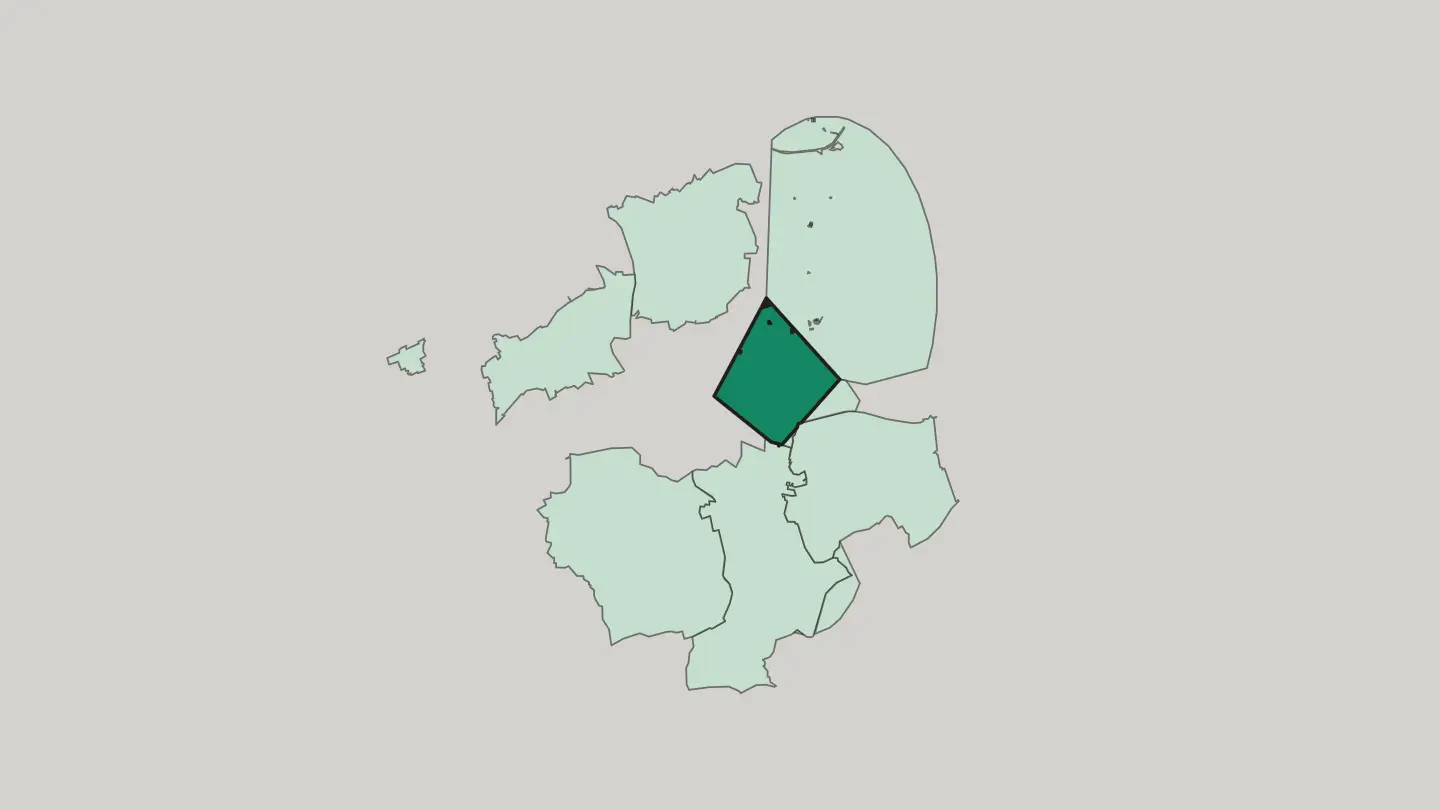 DortmundGermany
Huckarde
Huckarde is a quarter of Dortmund that takes in Wischlingen, where Haus Wischlingen and the Kapelle Wischlingen stand.Where to stay →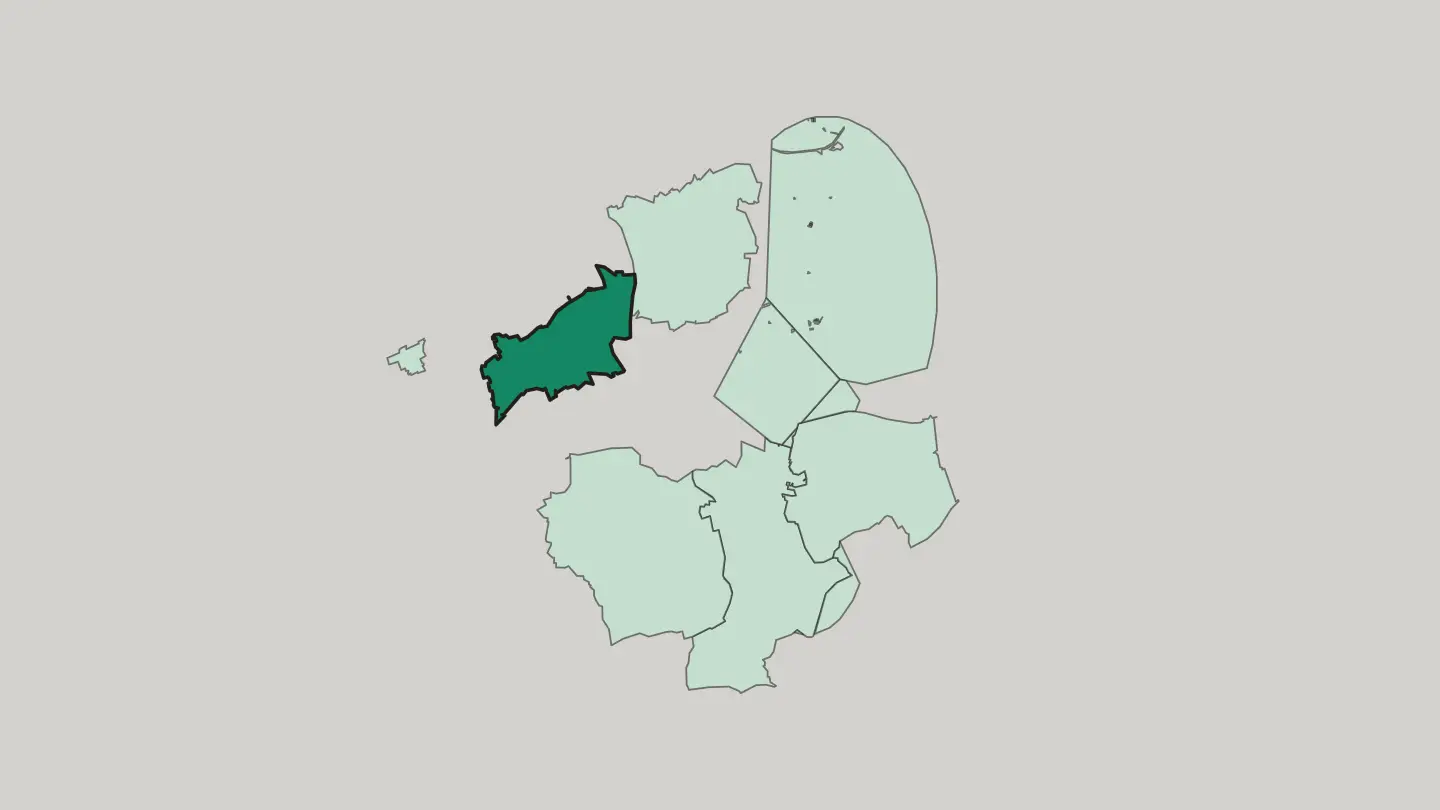
 DortmundGermany
Hörde
Hörde is a Stadtbezirk in the south of Dortmund, and a quarter in its own right, with Kloster Clarenberg and Haus Benninghofen inside it.Where to stay →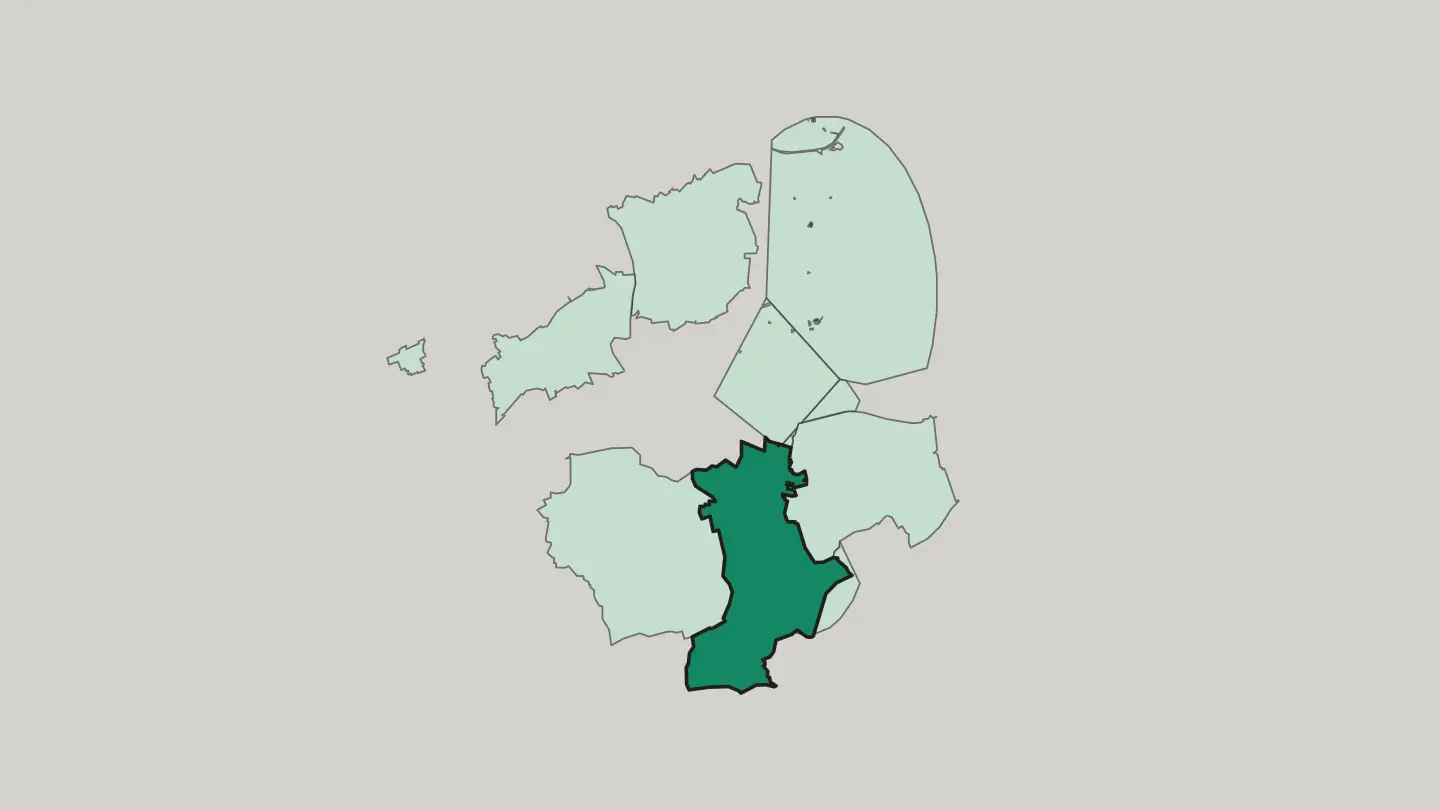
 DortmundGermany
Eving
Eving lies in the north of Dortmund, a Stadtteil incorporated into the city in 1914 and the namesake of the Stadtbezirk around it.Where to stay →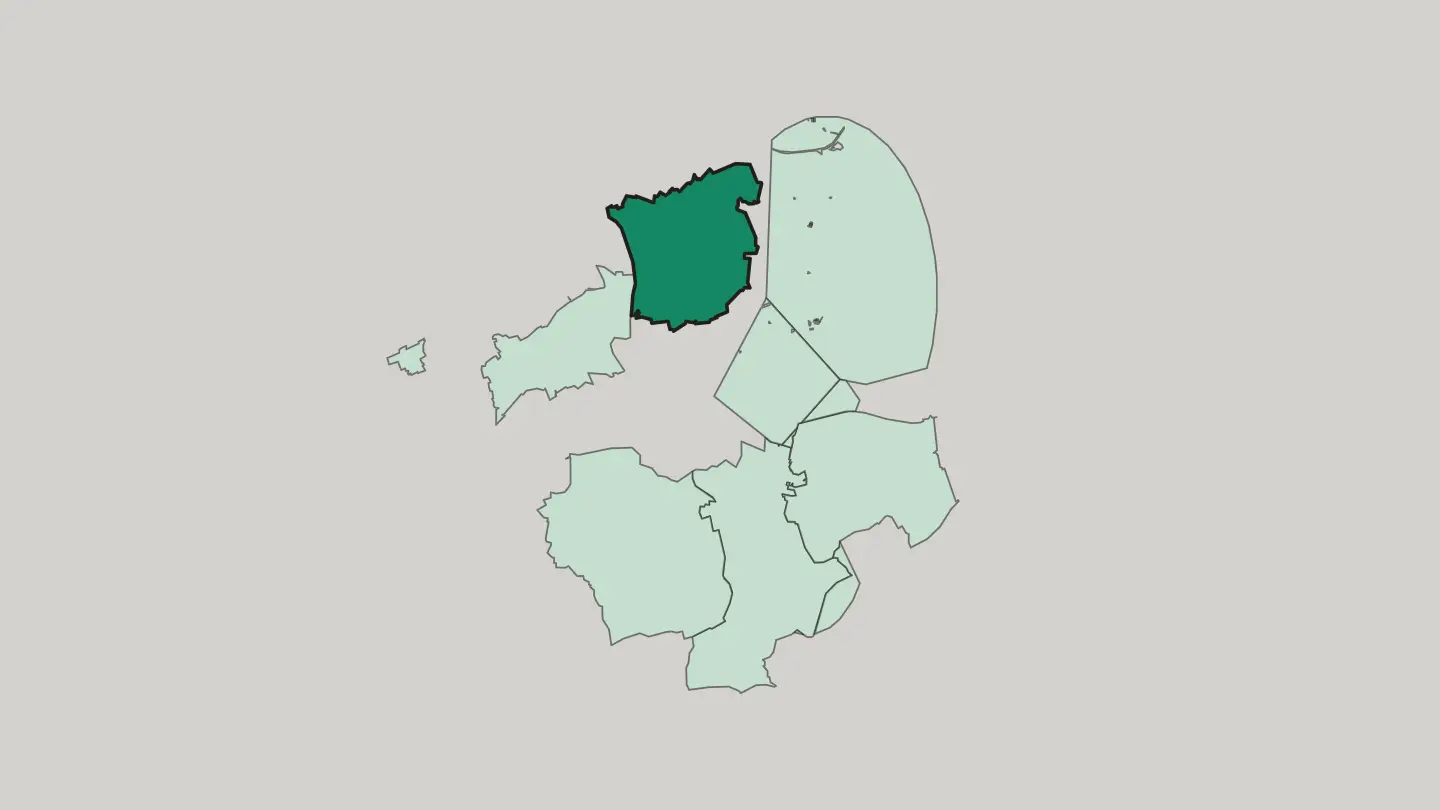 DortmundGermany
Hombruch
Hombruch is one of the broader quarters of Dortmund, a spread of housing streets that takes Barop and the Lutherkirche Barop in with it.Where to stay →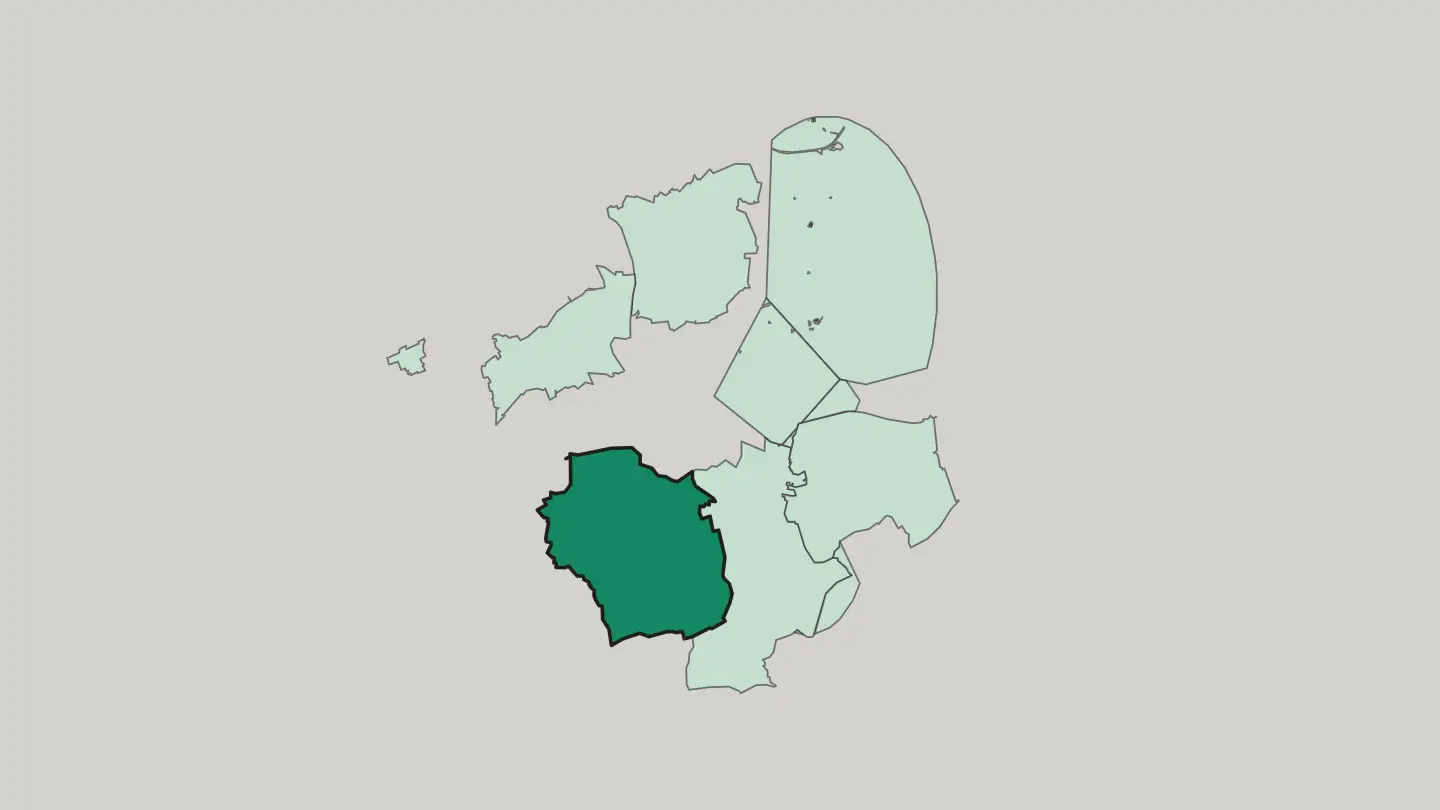
 DortmundGermany
Schüren
Schüren is a south-eastern Stadtteil of Dortmund first named in 1220 as de Scure iuxta Tremonam, a place by barns.Where to stay →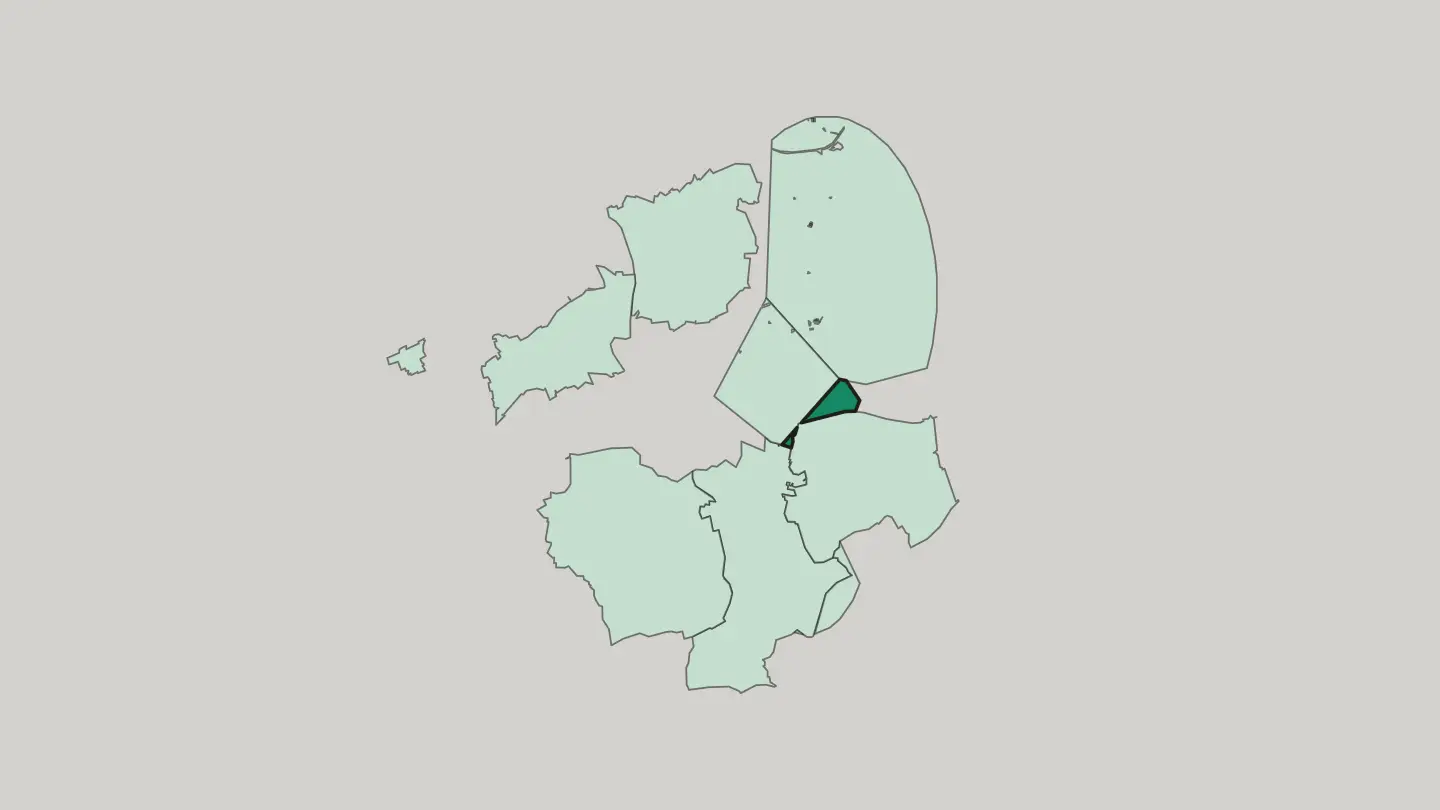 DortmundGermany
Benninghofen
Benninghofen packs a castle listing, Haus Benninghofen, and three churches into under three square kilometres of Dortmund.Where to stay → DortmundGermany
Scharnhorst
Scharnhorst is a quarter of Dortmund that takes in Kurl and Kirchderne, with Haus Kurl among its named buildings.Where to stay →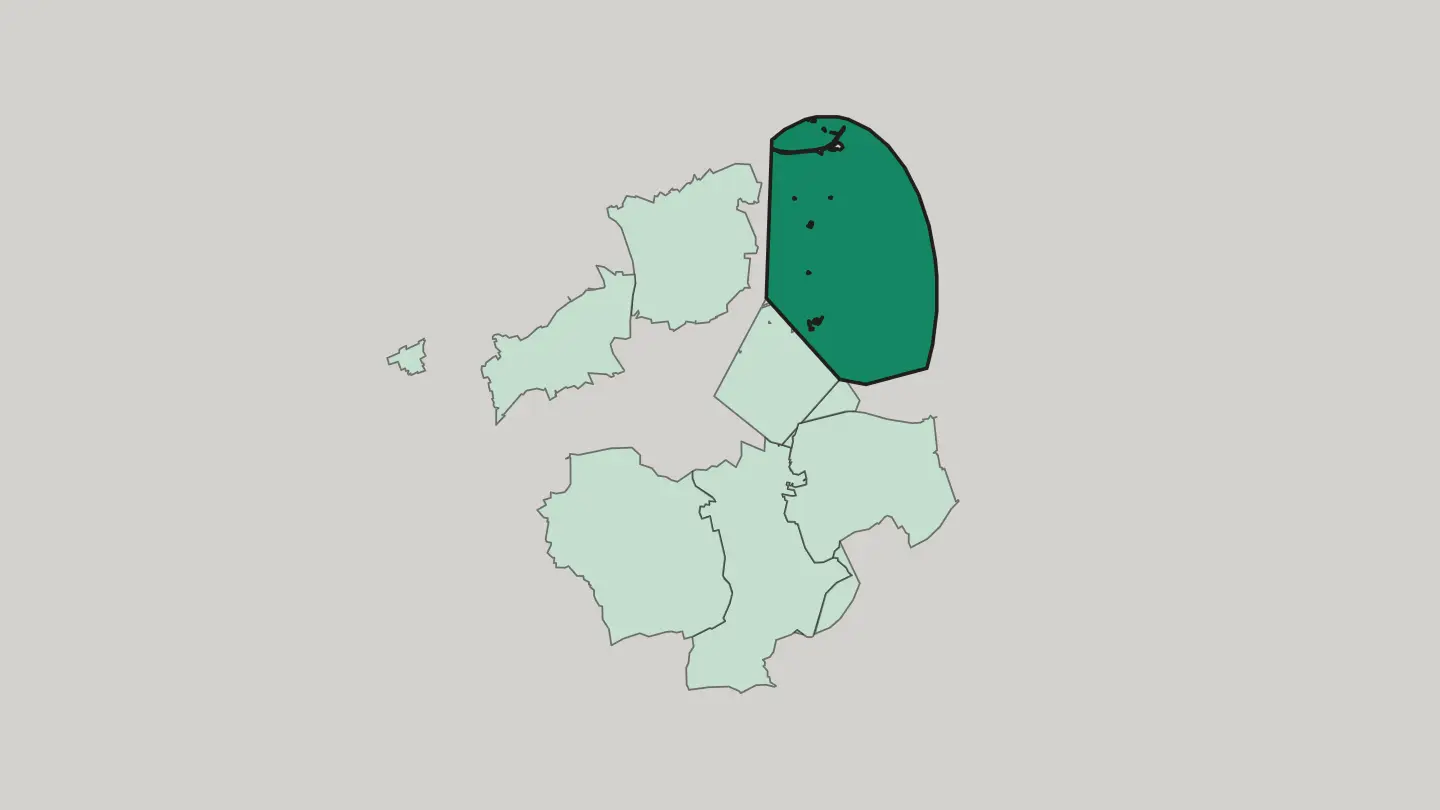 DortmundGermany
Aplerbeck
The Emscher crosses Aplerbeck, a borough of Dortmund whose listed sights run from the Große Kirche Aplerbeck to the Magnet Museum.Where to stay →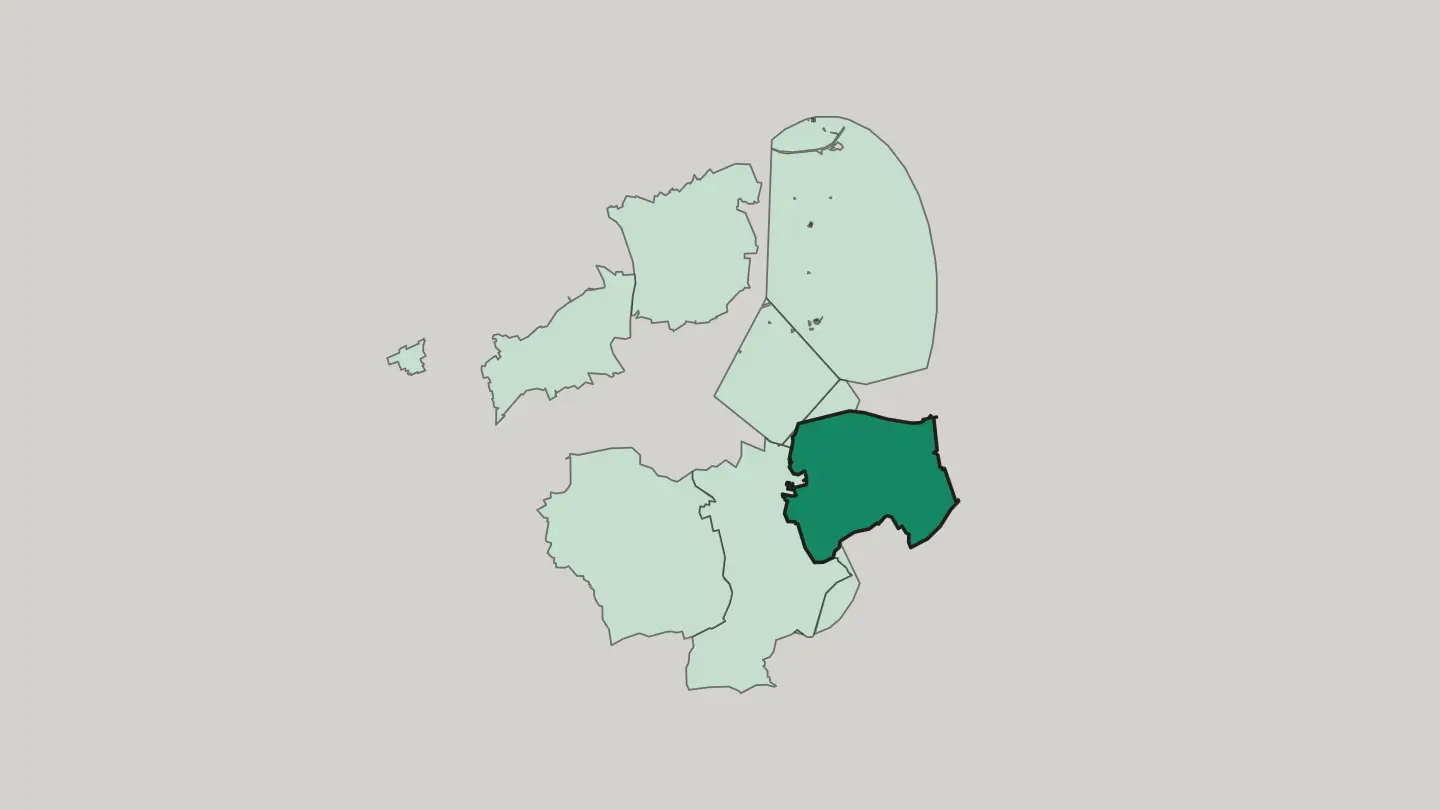 DortmundGermany
Berghofen
The Kreuzkirche is the one listed building in Berghofen, a district of about five square kilometres inside Dortmund, in Nordrhein-Westfalen.Where to stay →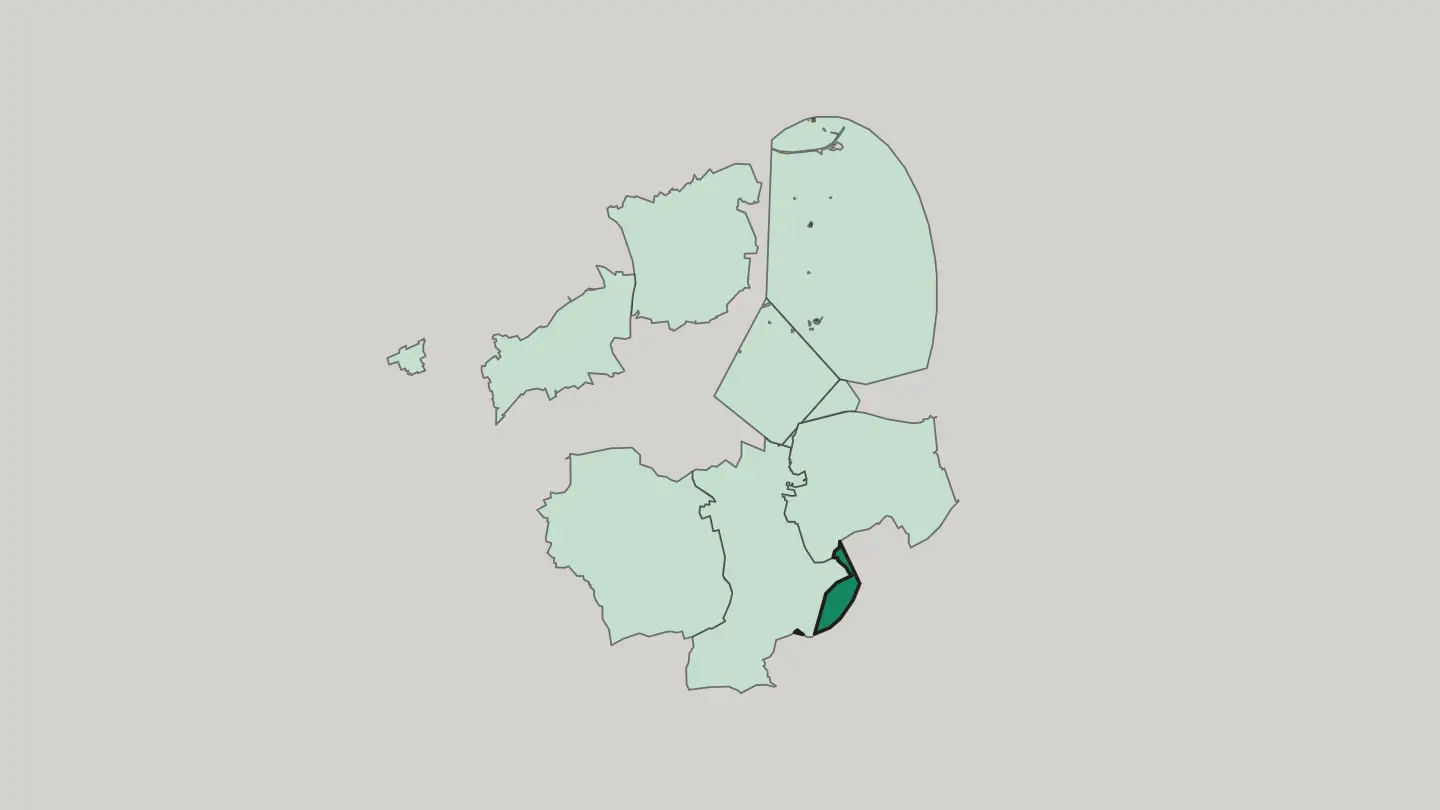 DortmundGermany
Bövinghausen
Bövinghausen is a quarter of Dortmund gathered around the LWL-Industriemuseum Zeche Zollern and the Katharinenkirche.Where to stay →Hotel links are affiliate links: booking through them may earn us a commission, at no extra cost to you. It never affects how places are ranked. How this works
Find hotels in Dortmund
Direct booking searches for these neighbourhoods.
Inside the old ring
The Marienkirche, the Petrikirche and the German Football Museum stand inside the ring that circles central Dortmund, the compact half of a very large city.Find hotels in Inside the old ringMatch nights out at the BorusseumAround the Borusseum
The Borusseum keeps the club record at the ground itself, and beds nearby suit anyone whose trip to Dortmund is built around a fixture. Lodging is scarce in this area; reserve in advance.Find hotels in Around the BorusseumGreen mornings under the FlorianturmThe Florianturm parkland
The Florianturm rises over parkland at the edge of built Dortmund, where rooms swap the shopping streets for open ground and simpler parking. Few places to stay nearby — book ahead.Find hotels in The Florianturm parklandHotel links are affiliate links: booking through them may earn us a commission, at no extra cost to you. It never affects how places are ranked. How this works
Things to do in Dortmund
Ranked by global recognition; descriptions from Wikidata (CC0).
Museums & Galleries
3- Museum of Art and Cultural History (Dortmund) Heritage
- German Football Museum
- DASA – Arbeitswelt Ausstellung
Churches & Religious Sites
8- St. Reinoldi Heritage
- Marienkirche Heritage
- Petrikirche (Dortmund) Heritage
- Propsteikirche, Dortmund Heritage
- Holy Cross Church Heritage
Show 3 more →
- Große Kirche Aplerbeck Heritage
- St. Clemens Heritage
- St. Clara Heritage
Castles & Historic Sites
3- Haus Wischlingen Heritage
- Haus Kurl Heritage
- Haus Benninghofen
Landmarks & Notable Places
3- Stone Tower Heritage
- Langer August Heritage
- Adlerturm Dortmund
worth knowingacross 4 categories in Dortmund
About Dortmund
Football sets the tone.
What is Dortmund known for?
The German Football Museum stands in the middle of Dortmund while the Borusseum keeps the club record out at the ground, and between them they make the sport the first thing the city is known for. Beer and shopping follow. Museums cover the rest, from the Museum Ostwall and the Museum of Art and Cultural History to the Deutsches Kochbuchmuseum and the Schauraum: comic + cartoon.
What are the main landmarks in Dortmund?
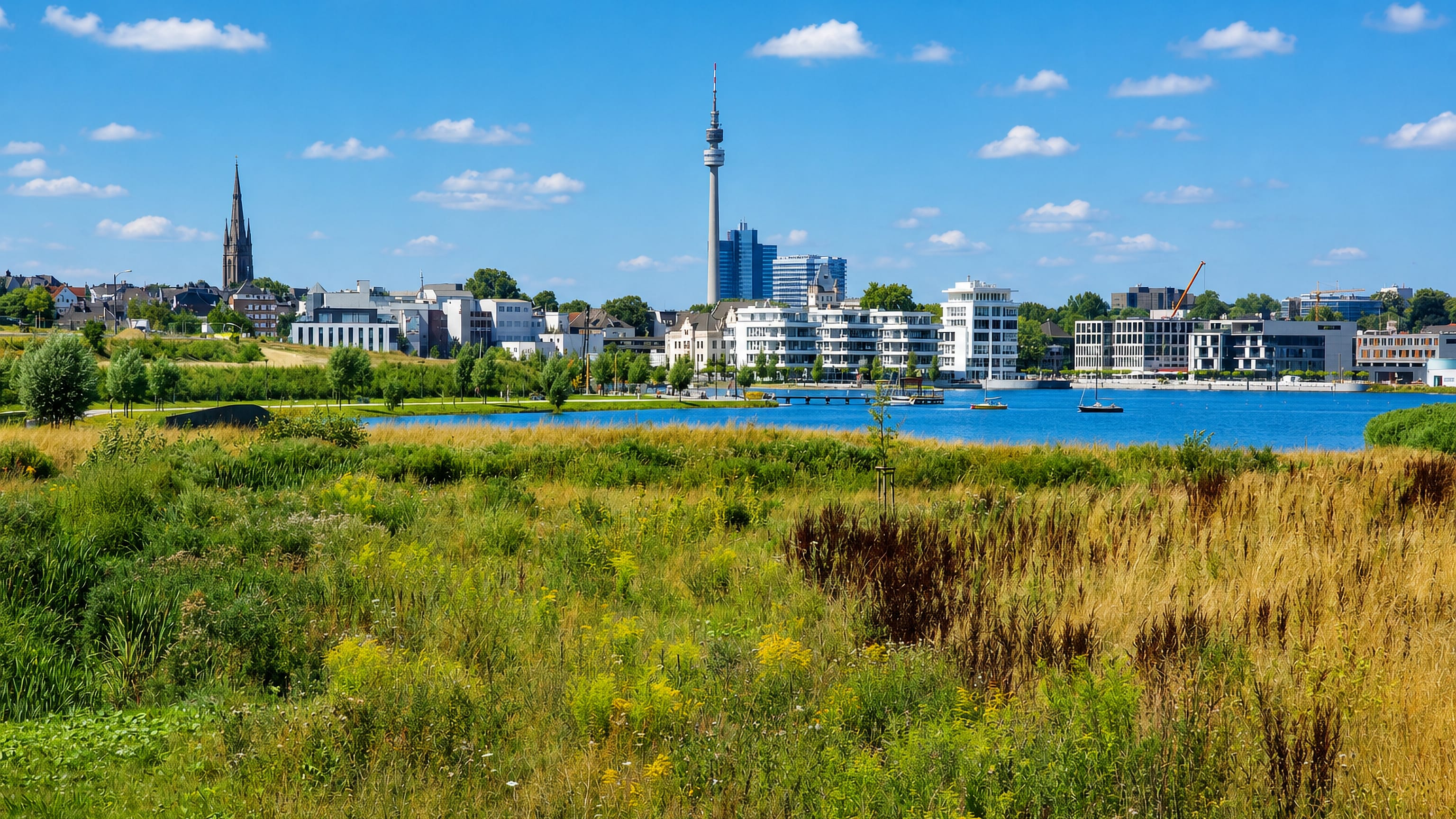
Towers mark the skyline. The Florianturm rises above the parkland, while the Adlerturm Dortmund and the Stone Tower carry the older tower names on the same register. Churches ring the middle.
The Marienkirche, the Petrikirche and the Propsteikirche stand within the old centre, and museums fill out the rest of the list, among them the Museum Ostwall, the Borusseum, the Steinwache and the German Football Museum. Dortmund-Dorstfeld and Kloster Clarenberg carry the outer quarters onto the same record.
What is the history of Dortmund?
Dortmund dates from 882. That founding puts the city among the older places of Westphalia, and the churches of the middle, the Marienkirche and the Petrikirche and the Propsteikirche, belong to the centuries that came after it. Walls came with the town.
The Adlerturm Dortmund and the Stone Tower carry the names of that fortified period, while Kloster Clarenberg records a monastic foundation on the same ground. Industry rewrote everything. The Hoesch Museum Dortmund, the Deutsches Industrielack-Museum and the DASA, Arbeitswelt Ausstellung each take working life as their subject, which is the plainest measure of what the Ruhr made of this city.
Beer made its own name. Brewing is one of the things Dortmund is known for, alongside football, events and shopping. Later names sit on the same list.
The Steinwache, the Langer August and the Florianturm belong to the modern city rather than the medieval one, and the German Football Museum and the Borusseum are newer still. Football closed the gap. Dortmund carries a national football collection and a club museum inside one municipality, the freshest layer on a record that begins in 882.
Where is Dortmund?
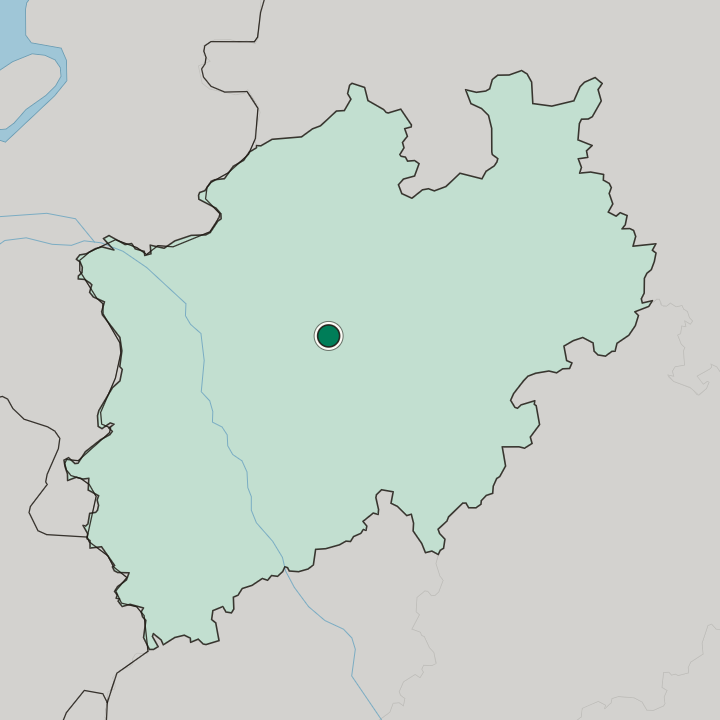
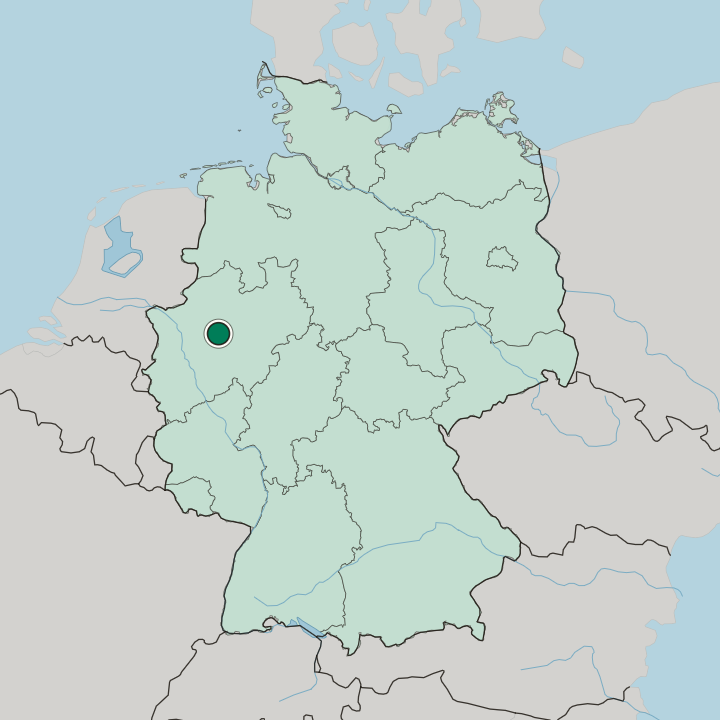
The Emscher and the Ruhr frame it. Dortmund lies on both rivers in the middle part of Nordrhein-Westfalen, and its 281 square kilometres make it the largest city of the Ruhr and of Westphalia alike. Parkland breaks the built ground.
The Florianturm stands over that green edge while the ring of old churches marks the dense middle, a contrast that holds right across the municipality.
What is the climate of Dortmund?
The Ruhr valley keeps things mild. Temperate air holds Dortmund within a narrow range through the year, so the walk between the Petrikirche and the German Football Museum is comfortable in most months. Rain does the deciding.
Wet weather sends visitors indoors to the Museum Ostwall, the Hoesch Museum Dortmund or the Deutsches Kochbuchmuseum, all of which stand up to a grey afternoon better than the parkland under the Florianturm.
How do you get to Dortmund?
Dortmund anchors the Ruhr. The city counts as the administrative, commercial and cultural centre of that region, and it belongs to the Rhine-Ruhr Metropolitan Region alongside the larger Nordrhein-Westfalen cities of Cologne and Düsseldorf. Orientation is easy.
The Florianturm shows from a distance and the ring of the Marienkirche and the Propsteikirche marks the middle, which is enough to place any arrival inside the first hour.
Common questions
What is the best area to stay in Dortmund?
Inside the old ring: First stays by the Marienkirche and the German Football Museum. Around the Borusseum: Match nights out at the Borusseum. The Florianturm parkland: Green mornings under the Florianturm.
Good for
More cities in Nordrhein-Westfalen
Updated October 2026