Germany · Nordrhein-Westfalen
Where to Stay in Aachen, Nordrhein-Westfalen
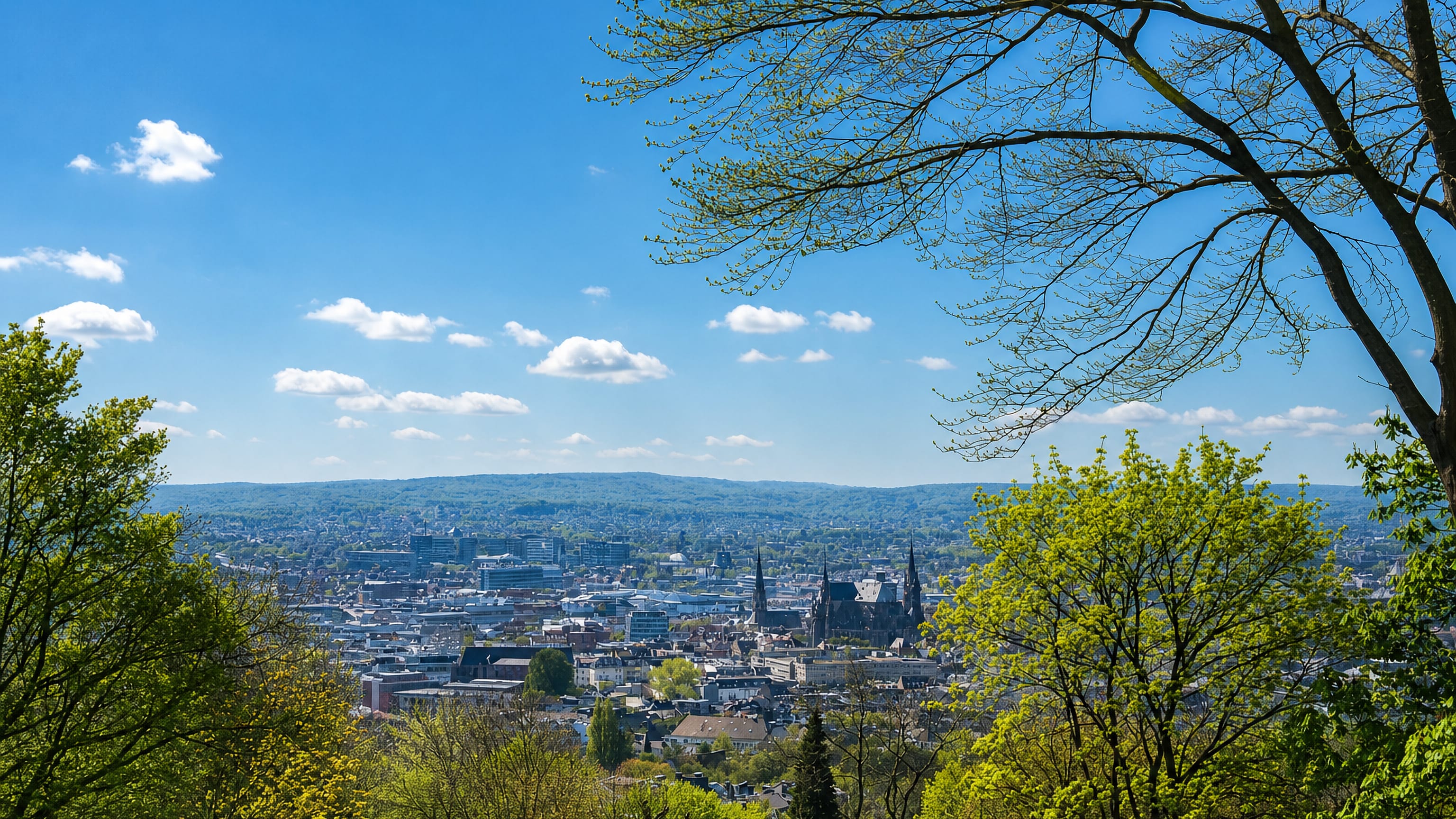
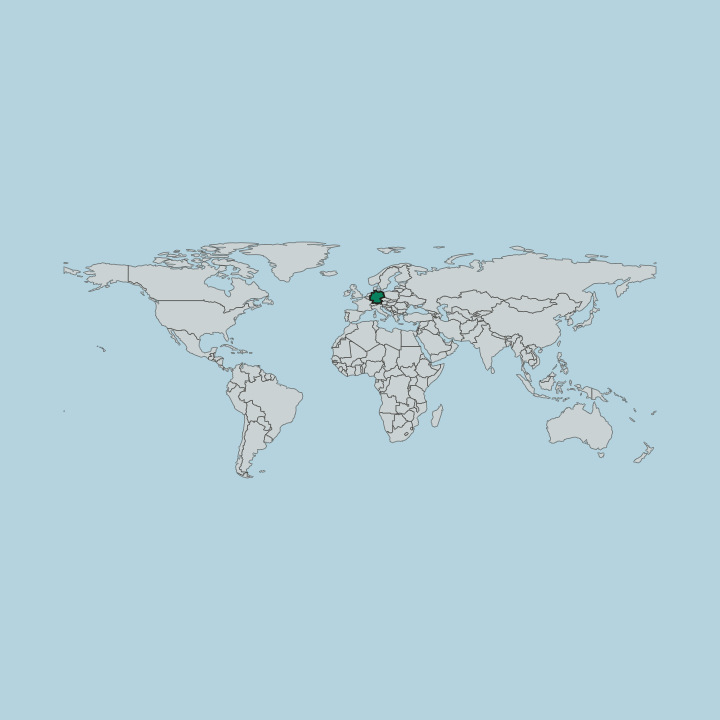
Aachen gathers around Aachen Cathedral at the corner where Germany, Belgium, and the Netherlands meet, a spa city in Nordrhein-Westfalen.
Hotel links are affiliate links: booking through them may earn us a commission, at no extra cost to you. It never affects how places are ranked. How this works


Where to stay in Aachen
Each area has its own feel; here's who each one suits.
 AachenGermany
Aachen-Mitte
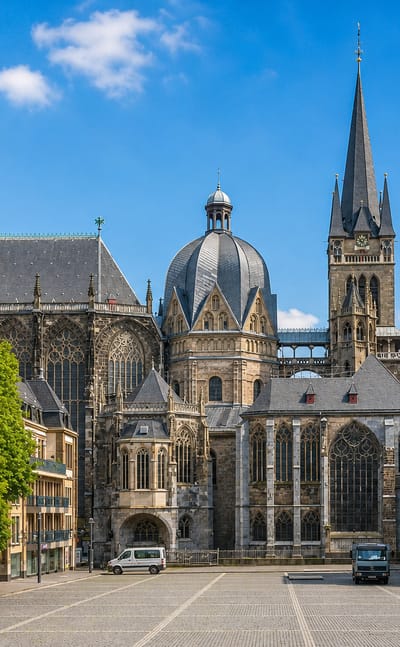
Aachen-Mitte, the central borough of Aachen, wraps around Aachen Cathedral and the old thermal-spring core.Where to stay →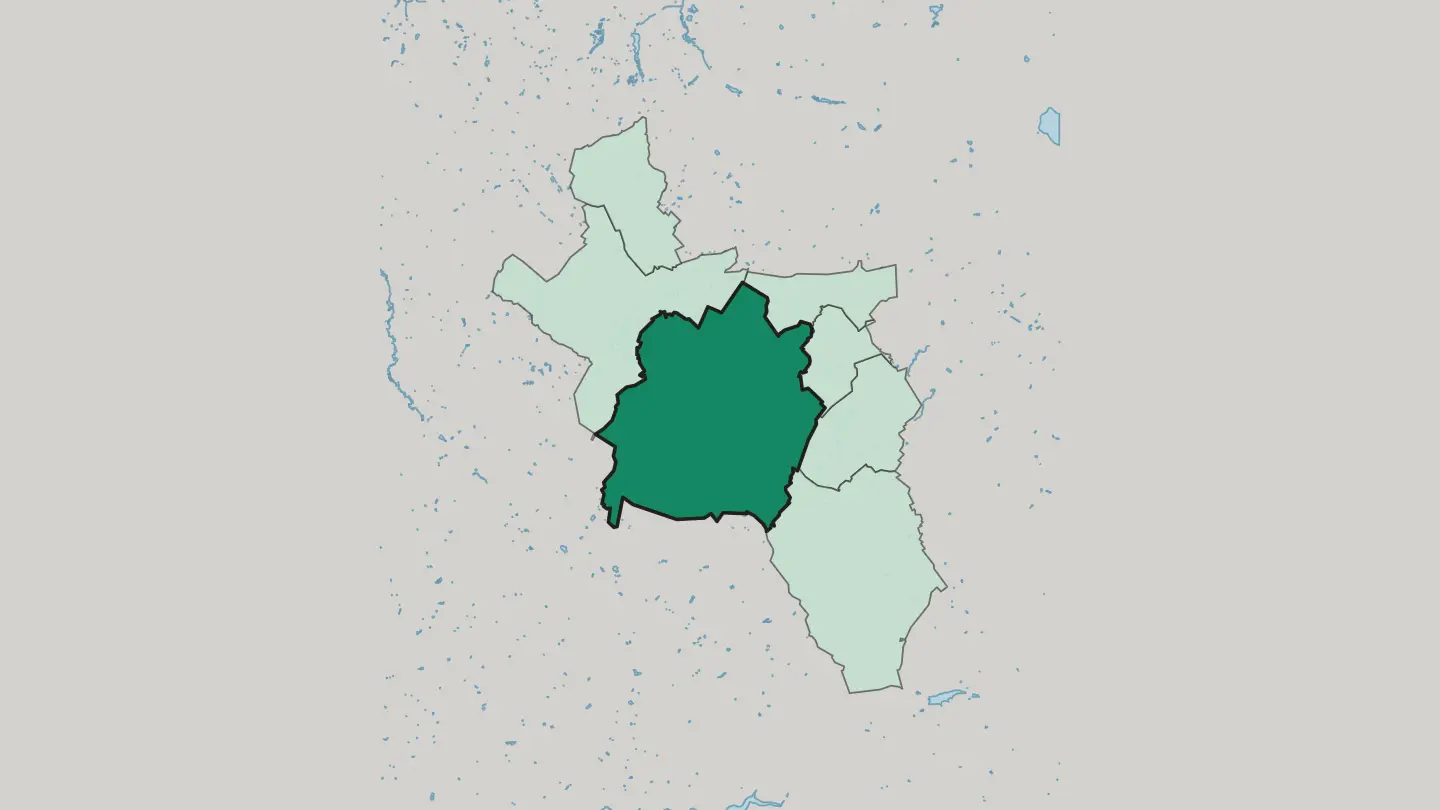
 AachenGermany
In den Heimgärten
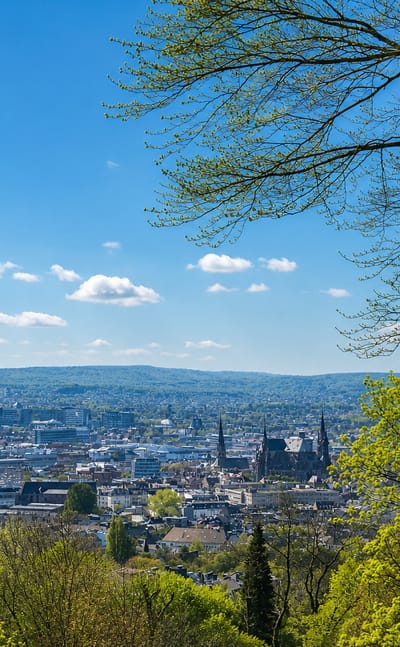
In den Heimgärten is an estate of terraced houses in Aachen, protected as a whole as a conservation area.Where to stay → AachenGermany
Soers
Soers is the mostly rural part of Aachen-Laurensberg, a wetland drained by the Wurm and known for the Old Tivoli ground of Alemannia Aachen.Where to stay → AachenGermany
Steinebrück
Steinebrück is an Aachen Ortsteil of about eleven square kilometres named after a stone bridge over the Wurmbach that has stood since the late Middle Ages.Where to stay →AachenGermany
Laurensberg
Laurensberg is a hilltop borough on the north-western edge of Aachen, named for its St. Laurentius parish church.Where to stay →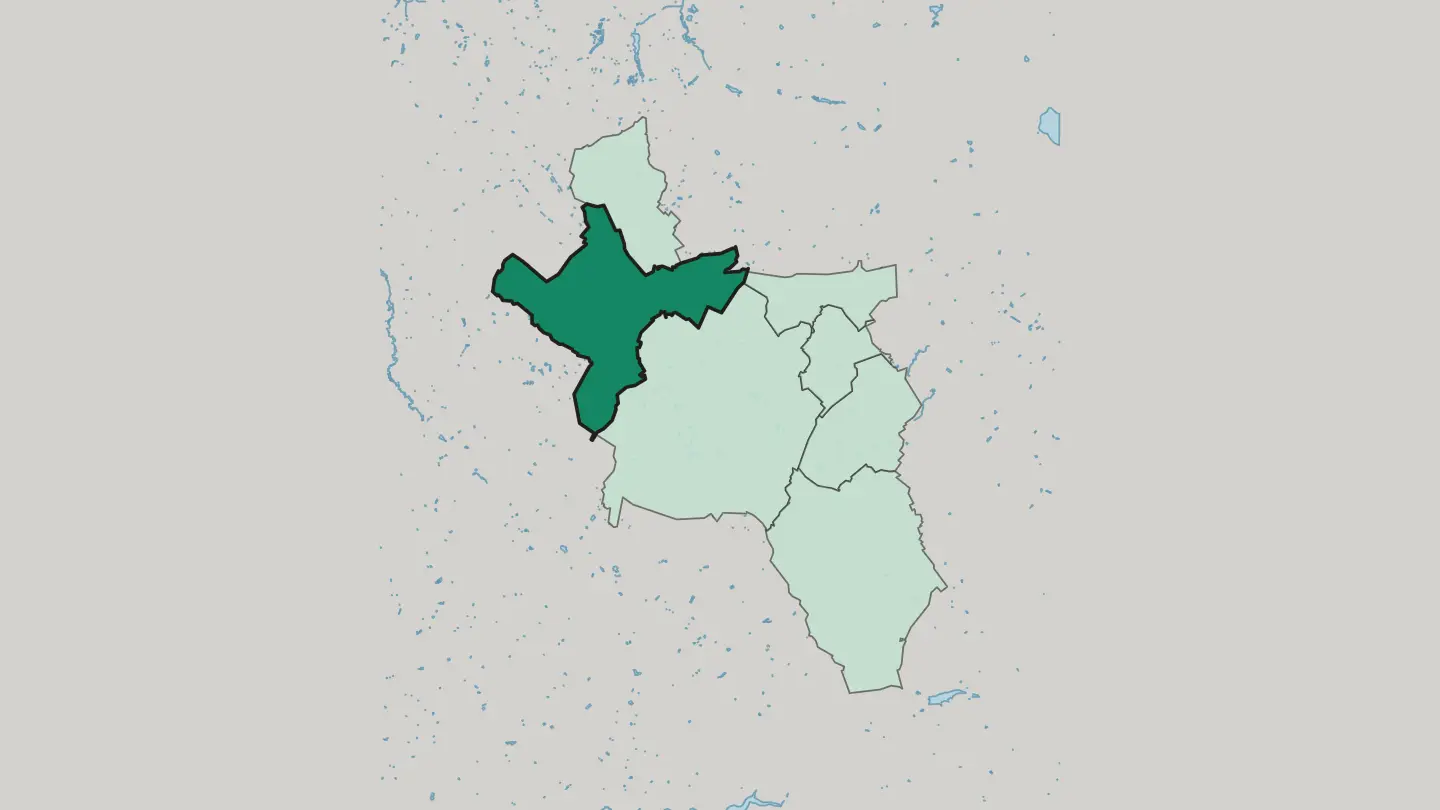
 AachenGermany
Rothe Erde
Rothe Erde is a Stadtteil of Aachen shaped by heavy industry, part of the city since 1906 and once the site of a leading steelworks.Where to stay → AachenGermany
Haaren
Haaren is a district of Aachen built around the parish church of St. Germanus, on the city's northeastern edge.Where to stay →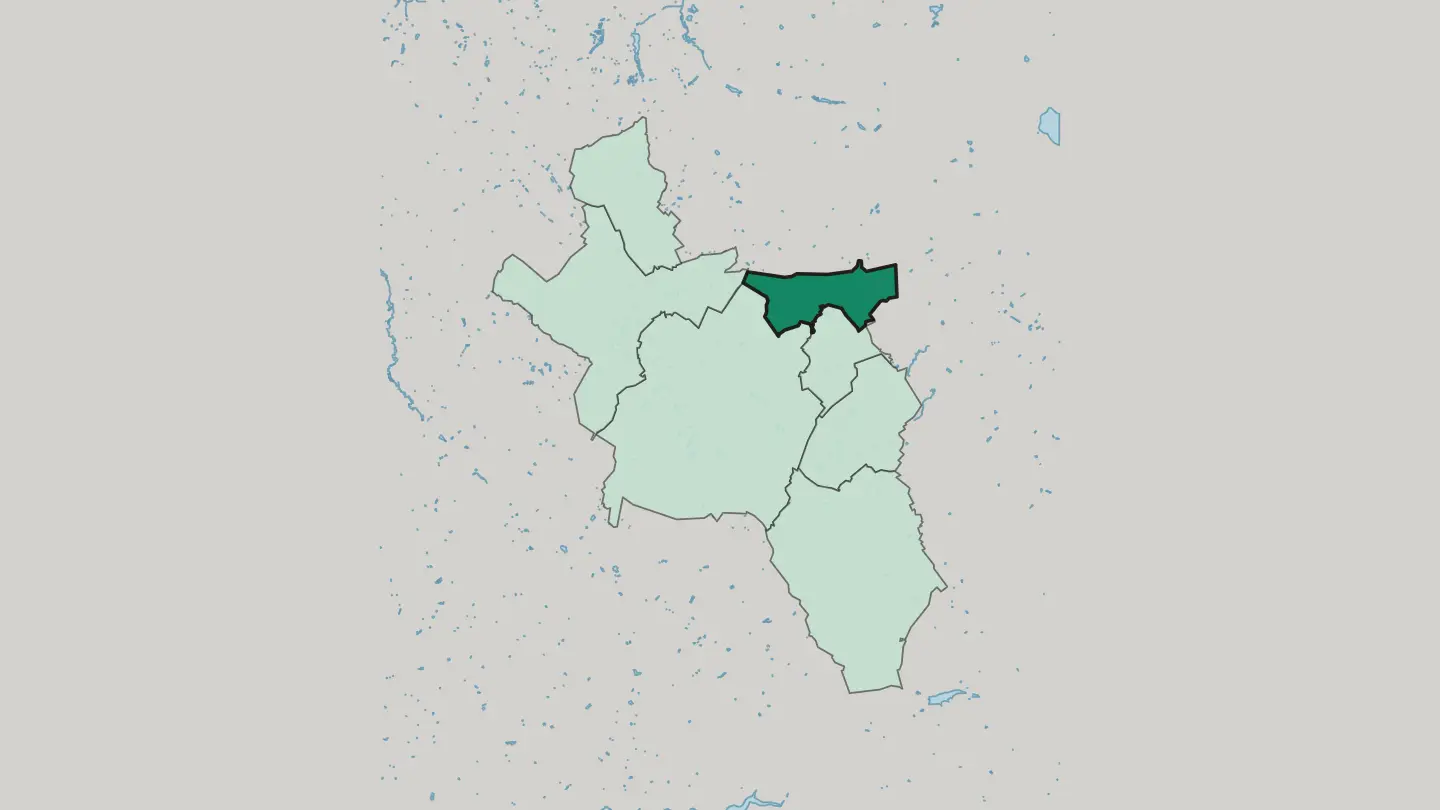
 AachenGermany
Richterich
Richterich is a north-western borough of Aachen, built around a moated castle, a village church, and old mining ground.Where to stay →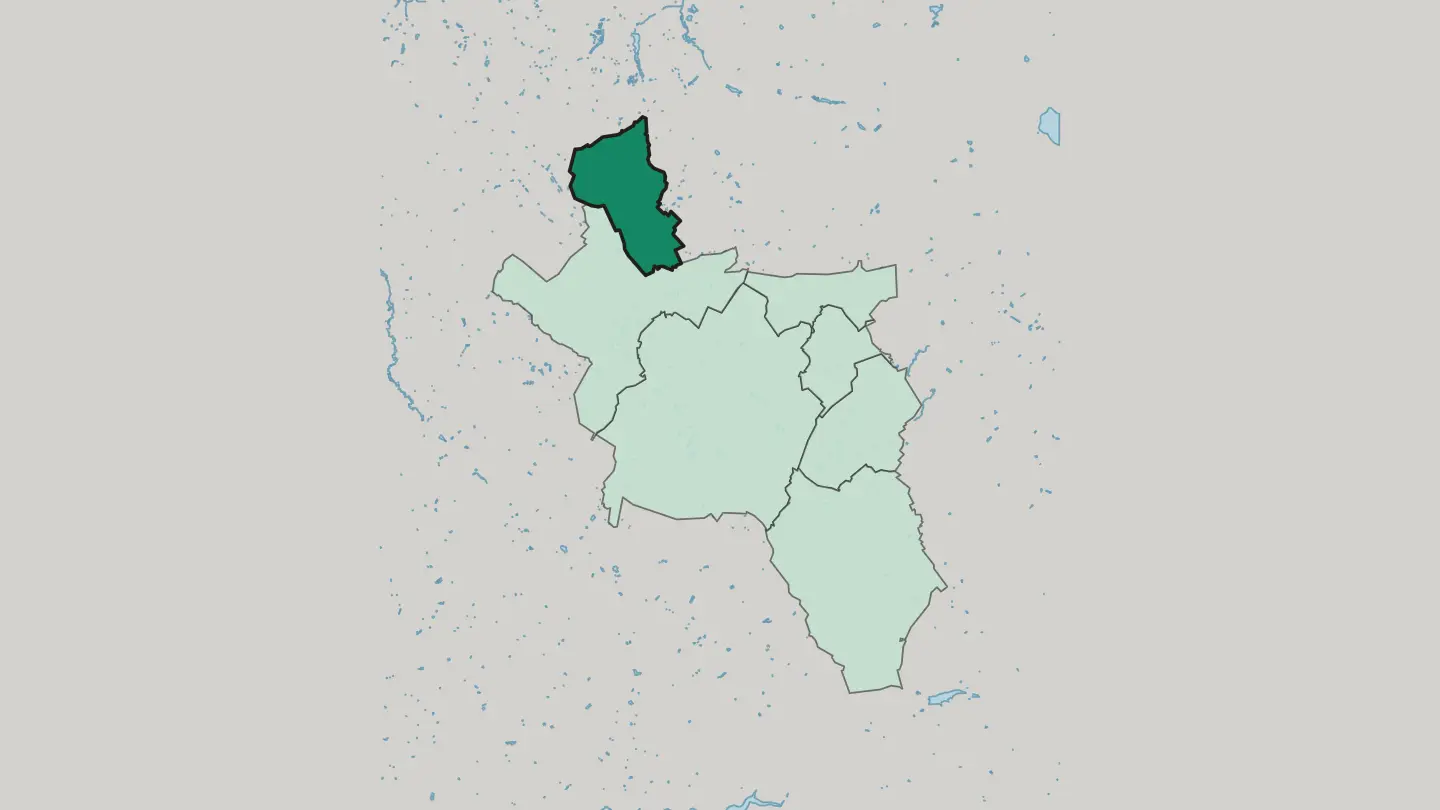
 AachenGermany
Vaalserquartier
Vaalserquartier belongs to the Laurensberg Stadtteil of Aachen and lies against the Dutch border at Vaals, its name going back to the early 1300s.Where to stay → AachenGermany
Eilendorf
Eilendorf is an eastern city district of Aachen, its parish crowned by the neo-Romanesque Sankt Severin above the old Pannhaus brewery.Where to stay →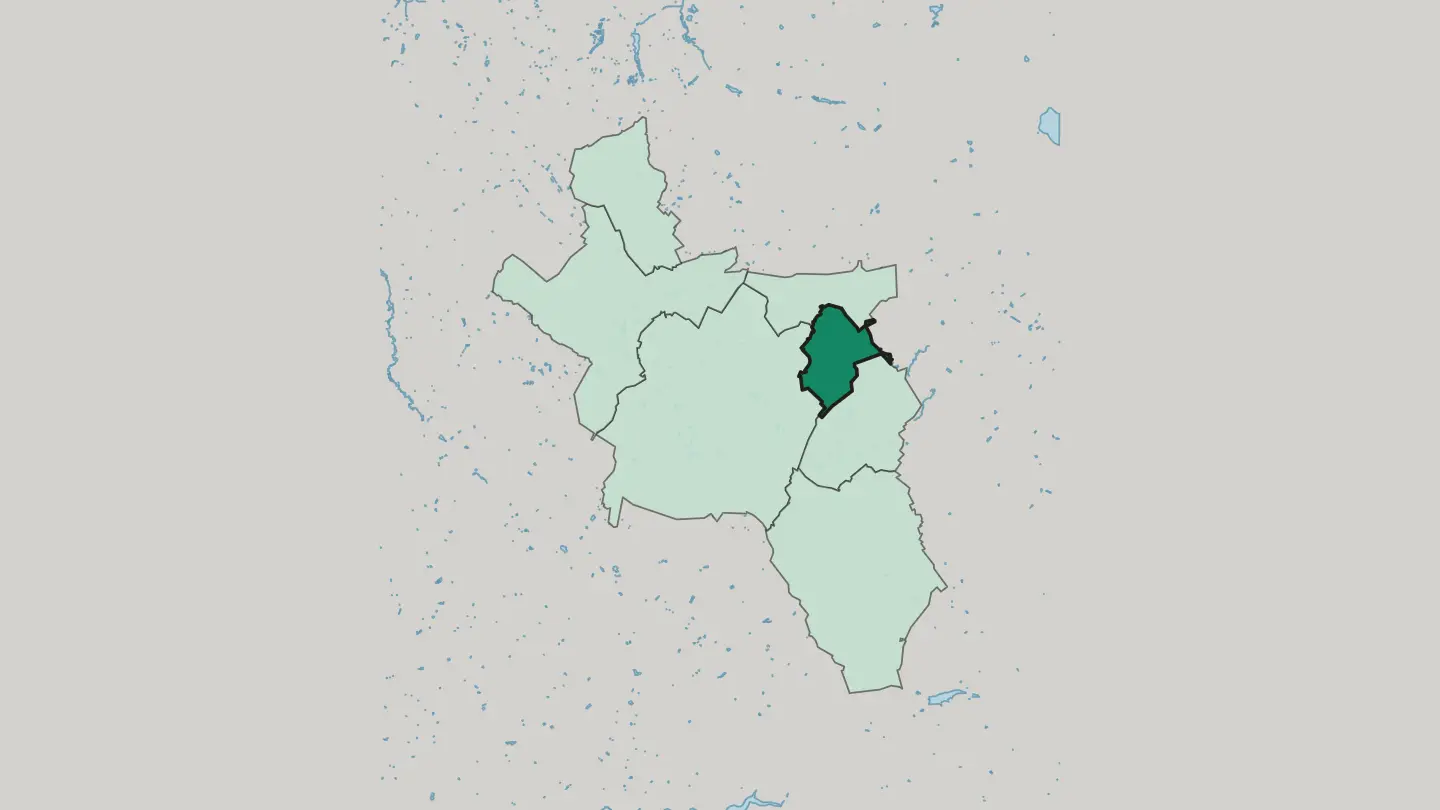 AachenGermany
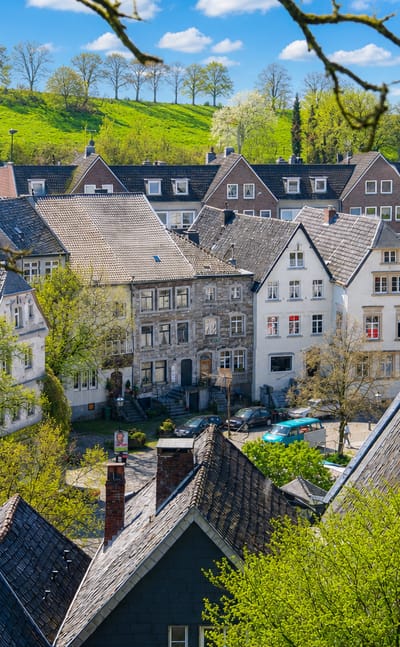
Brand
Brand is a borough in the south-east of Aachen, once its own town, gathered around the Marktplatz and the Trierer Straße.Where to stay →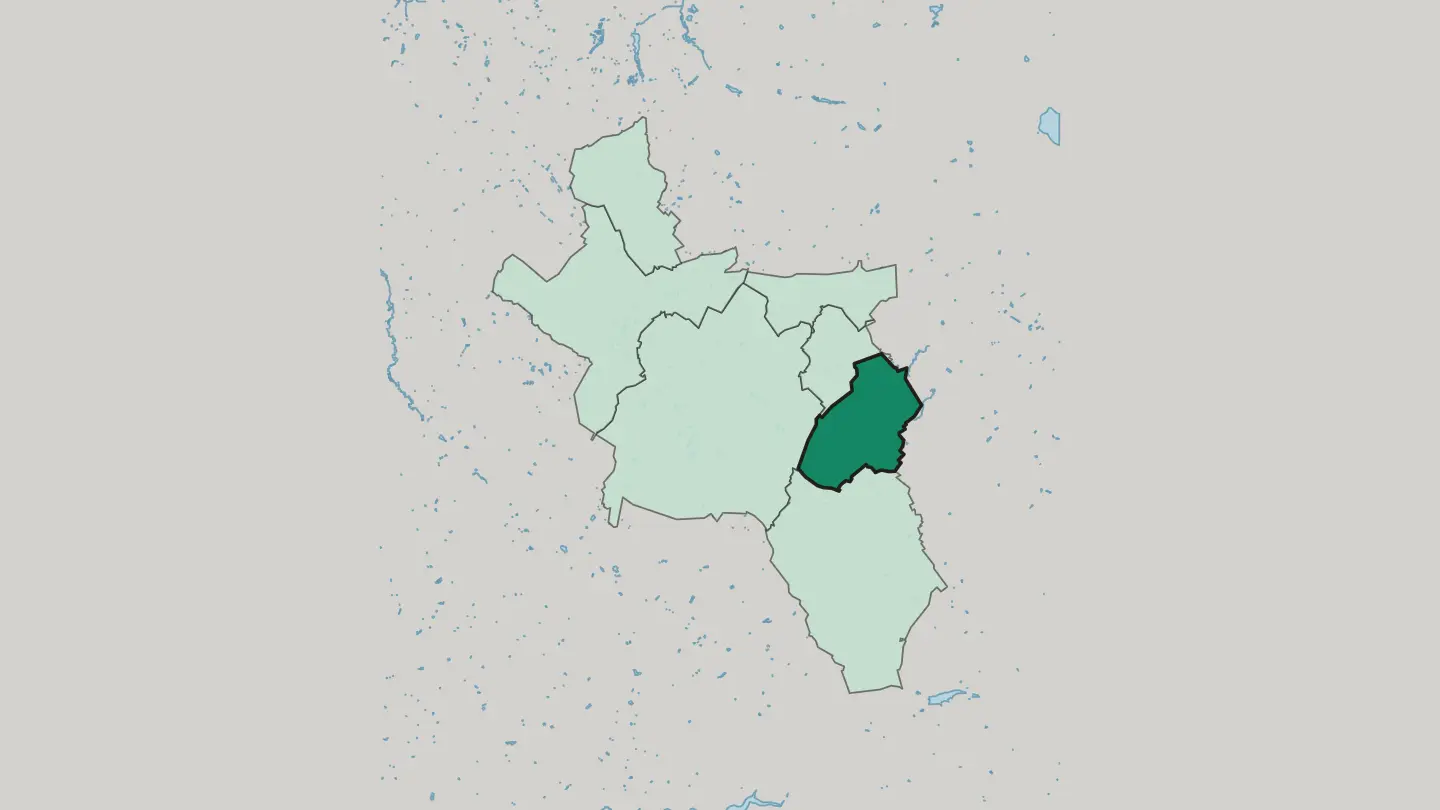
 AachenGermany
Kornelimünster/Walheim
Kornelimünster/Walheim is the southernmost borough of Aachen, where the Inde threads a former abbey town toward the Eifel.Where to stay →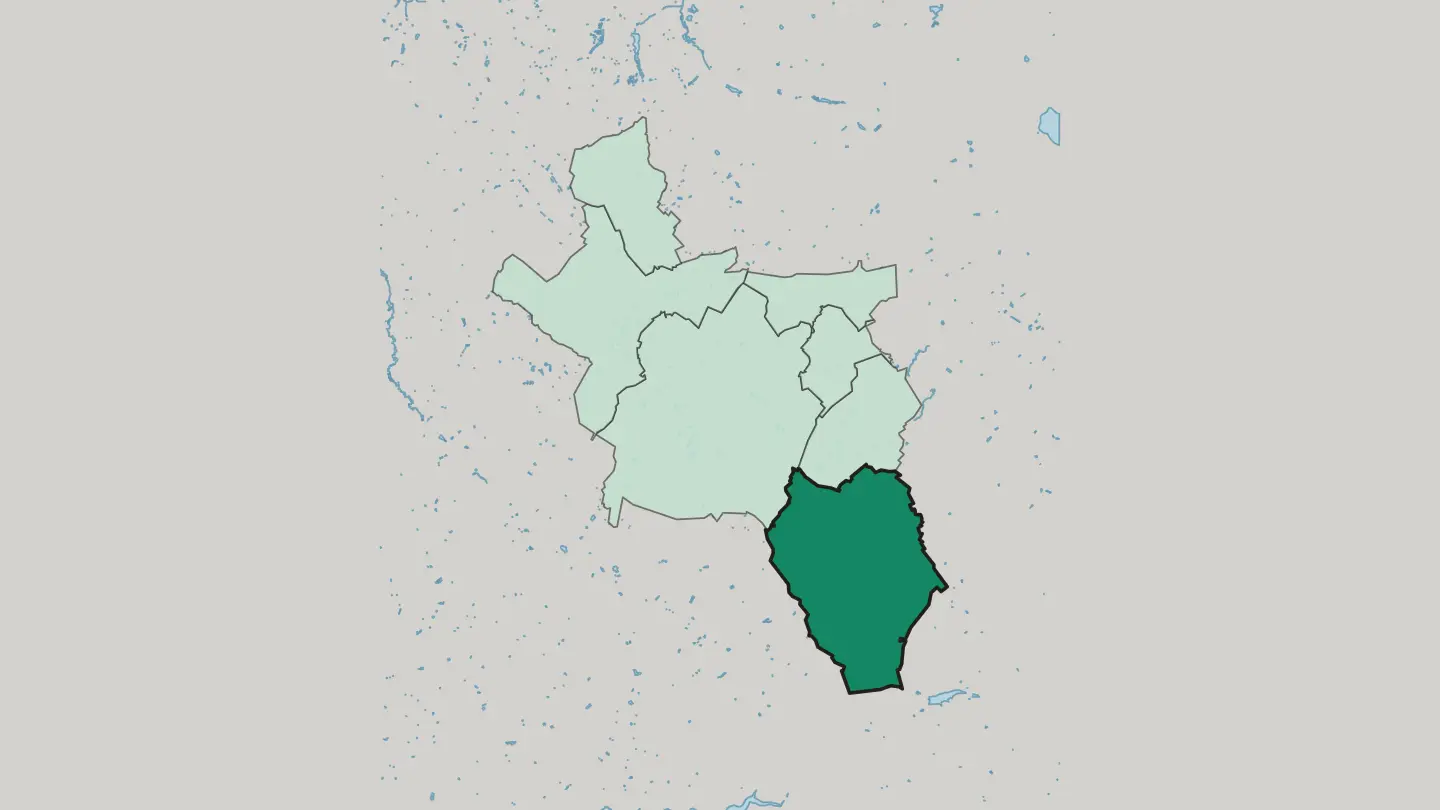
Hotel links are affiliate links: booking through them may earn us a commission, at no extra cost to you. It never affects how places are ranked. How this works
Find hotels in Aachen
Direct booking searches for these neighbourhoods.
The cathedral old town
the lanes around Aachen Cathedral hold the Granus Tower, the Centre Charlemagne, and the Aachen Cathedral Treasury within one walkFind hotels in The cathedral old townquieter stays above the centre with parkland close byThe Lousberg slopes
the wooded hill of the Lousberg carries Von-Halfern-Park and calm streets over the rooftops of Aachen. Lodging is scarce in this area; reserve in advance.Find hotels in The Lousberg slopestravellers who want modern art and old masters over antiquityThe art-museum quarter
the streets by the Ludwig Forum für Internationale Kunst and the Suermondt-Ludwig-Museum gather contemporary work and old-master collectionsFind hotels in The art-museum quarterHotel links are affiliate links: booking through them may earn us a commission, at no extra cost to you. It never affects how places are ranked. How this works
Things to do in Aachen
Ranked by global recognition; descriptions from Wikidata (CC0).
Museums & Galleries
3- Aachen Cathedral Treasury UNESCO
- Ludwig Forum für Internationale Kunst Heritage
- Suermondt-Ludwig-Museum
Churches & Religious Sites
8- Aachen Cathedral UNESCO
- St. Michael's Church Heritage
- St. Kornelius Heritage
- St. Josef Heritage
- St. Salvator Heritage
Show 3 more →
- Heilig Kreuz, Aachen Heritage
- Dreifaltigkeitskirche Heritage
- St. Elisabeth Heritage
Castles & Historic Sites
8- Lousberg Heritage
- Aquae Granni Heritage
- Frankenberg Castle (Aachen) Heritage
- Varnenum Heritage
- Von-Halfern-Park Heritage
Show 3 more →
- Kongressdenkmal Heritage
- Burg Seffent Heritage
- Porcetum Heritage
Stadiums & Sports
1- Tivoli Sports
Landmarks & Notable Places
4- Granus Tower Heritage
- Belvedere water tower Heritage
- Alt-Linzenshäuschen Heritage
- Pannhaus Heritage
worth knowingacross 5 categories in Aachen
About Aachen
What is Aachen known for?
Aachen is known as the city of Charlemagne, whose court made it a seat of early medieval Europe. Its centre keeps that inheritance. Aachen Cathedral holds the tomb of Charlemagne and the treasures gathered in the Aachen Cathedral Treasury, while the Suermondt-Ludwig-Museum and the Ludwig Forum für Internationale Kunst carry its art from old masters to the contemporary.
The city is also a spa town, drawing on the warm springs the Romans named Aquae Granni.
What are the main landmarks in Aachen?
Aachen turns on Aachen Cathedral, the church Charlemagne raised at the heart of his empire. Its treasures fill the Aachen Cathedral Treasury. The Granus Tower stands from the old palace, the Centre Charlemagne tells the city's Carolingian story, and the Couven-Museum keeps its bourgeois interiors, while the Ludwig Forum für Internationale Kunst and the Suermondt-Ludwig-Museum divide the art between the modern and the old masters.
The Theresienkirche and the Dreifaltigkeitskirche mark the later churches, and the Belvedere water tower rises over the outskirts.
What is the history of Aachen?
Aachen began as a Roman spa built on the warm springs the Romans called Aquae Granni. The waters drew the settlement. Its lasting fame came later, when Charlemagne chose the town as the favoured residence of his court and made it a centre of early medieval Europe in the late eighth and early ninth century.
He built the cathedral that still stands at its heart. As the first Holy Roman Emperor, Charlemagne shaped the Carolingian Empire from here, and after his death he was buried in Aachen Cathedral. The city kept its royal weight for centuries.
A long succession of German rulers were crowned in Aachen, and many were laid to rest beside its founder, in the church that anchors the old town. Known in French as Aix-la-Chapelle and in Dutch as Aken, the city carried its imperial name across three languages, and it holds the borders of Belgium and the Netherlands close to its own.
Where is Aachen?
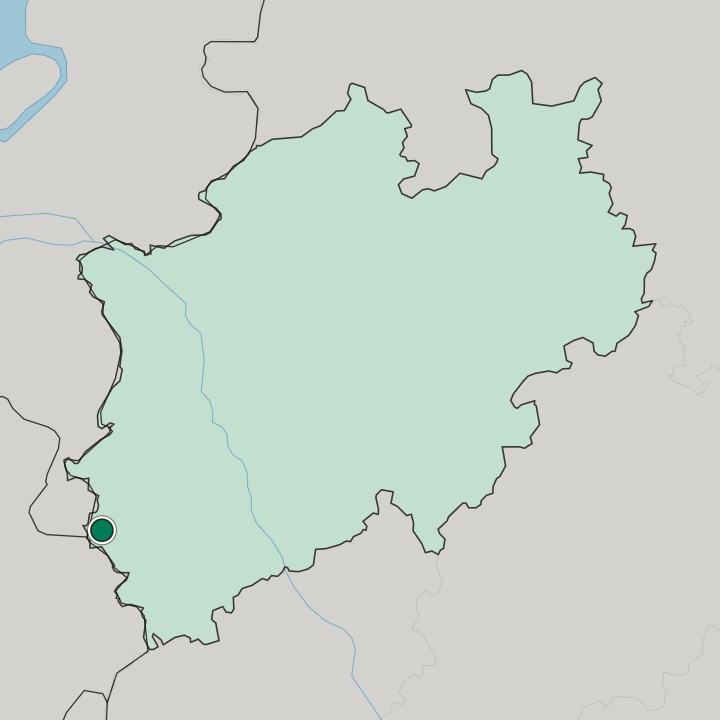
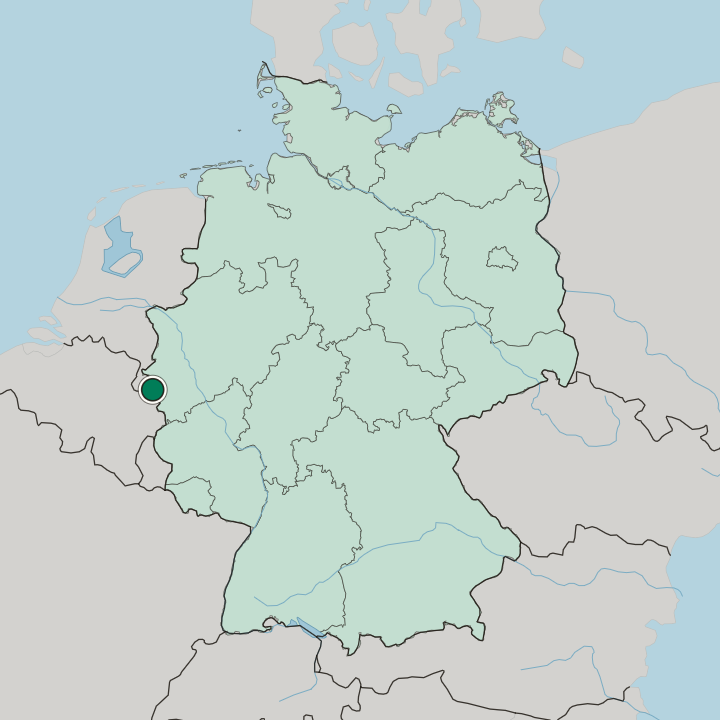
Aachen lies at the three-lands corner where the borders of Germany, Belgium, and the Netherlands come together, well west of Köln. The frontier is close. The city gathers in a shallow basin ringed by low wooded hills, with the Lousberg rising over its northern streets and Von-Halfern-Park greening the slopes below.
Its old core holds tight around Aachen Cathedral, framed within the Meuse-Rhine borderland that reaches east toward Köln.
What is the climate of Aachen?
Aachen holds a mild, damp climate in the hills near the Belgian and Dutch borders. Wet weather is common. Its winters stay cool and grey rather than harsh, while its summers turn warm and green, with cloud and rain frequent across the year over the Lousberg and the old town of Aachen.
How do you get to Aachen?
Aachen is reached from within Germany and across two borders at once. Trains run in from Köln. The city sits on the rail and road corridors of the Meuse-Rhine borderland, so travellers arrive from Belgium and the Netherlands as readily as from Köln and the rest of Nordrhein-Westfalen, and the old town around Aachen Cathedral lies a short way from the main station.
Common questions
What is the best area to stay in Aachen?
The cathedral old town: first-time visitors who want the Carolingian core of Aachen on foot. The Lousberg slopes: quieter stays above the centre with parkland close by. The art-museum quarter: travellers who want modern art and old masters over antiquity.
Good for
More cities in Nordrhein-Westfalen
Updated October 2026