Germany · Nordrhein-Westfalen
Where to Stay in Bocholt, Nordrhein-Westfalen
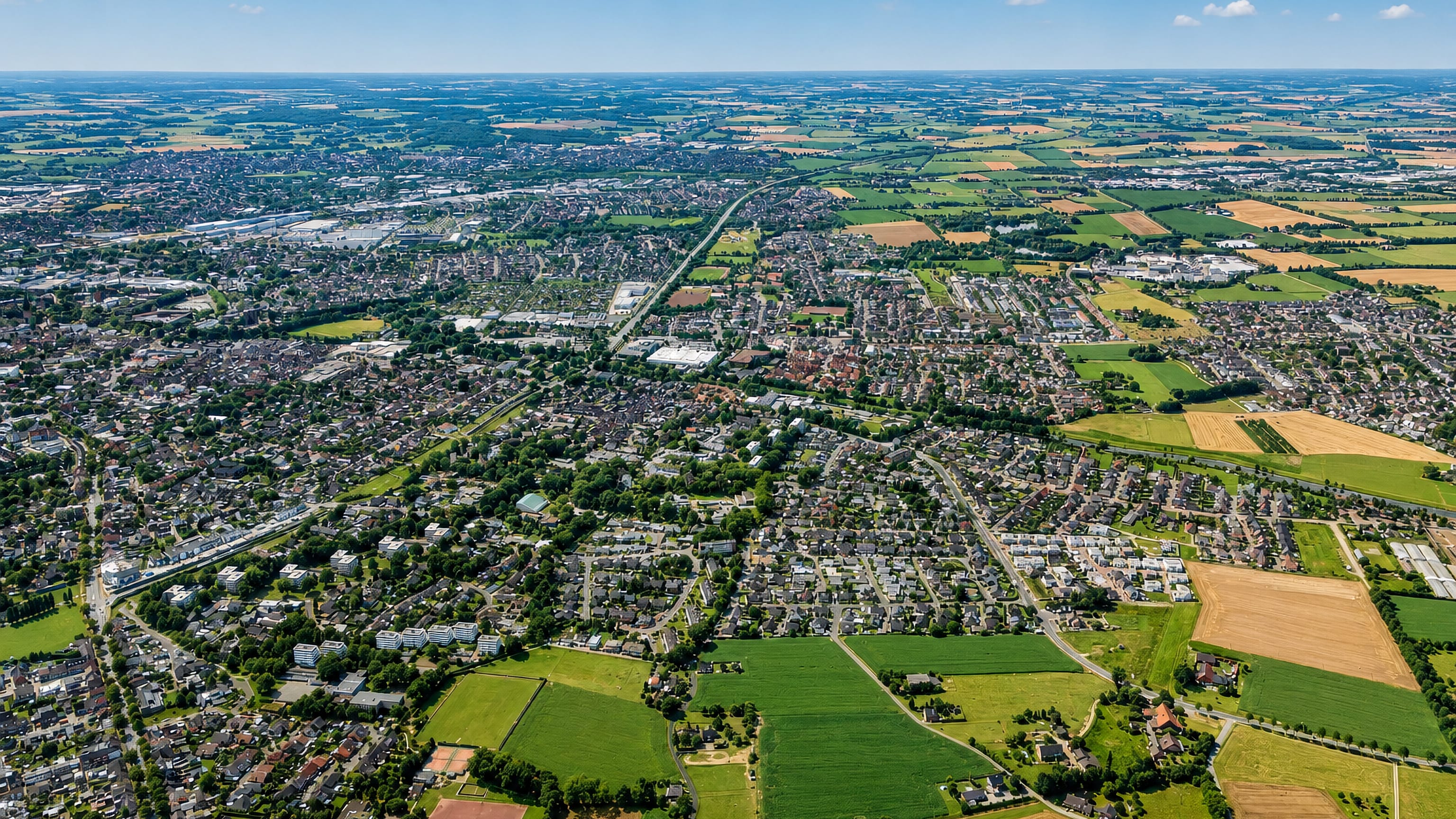
Bocholt is a Münsterland town in Nordrhein-Westfalen, the shopping centre of West-Münsterland, standing 4 km from the Dutch border.
Hotel links are affiliate links: booking through them may earn us a commission, at no extra cost to you. It never affects how places are ranked. How this works


Where to stay in Bocholt
The practical side of choosing where to sleep.
Most beds sit inside the old town. The shopping streets hold the Liebfrauenkirche, Stadtmuseum Bocholt and the Bocholt Craft Museum within the same few blocks, and the mall and the market pull the town's traffic through them all day. That is the practical choice for a shopping weekend.
Heilig Kreuz and the Agneskapelle sit close enough to reach on foot, and the Wasserturm Bocholt gives an easy bearing for anyone walking back after dark. The Minoritenkloster Bocholt belongs to the same central layer, as do the two old foundations the town knows as the Weißes Stift and the Schwarzes Stift. Quiet is not the point here.
Out at the edges the town changes. Suderwick runs right up against Dinxperlo on the Dutch side, so a room there puts two countries within a short walk of each other, which suits anyone crossing for the day rather than staying for the shops. The LWL-Museum Textilwerk sits away from the centre on its old mill ground, and the Sauna- & Wasserwelten Bahia draws its own weekend trade to another corner of the built-up area.
Beds thin out fast beyond the ring of villages that the Borken district scatters across the Münsterland country around it. Stay central for the shops and the museums; take Suderwick if the border itself is the reason for the trip.
Find hotels in Bocholt
Direct booking searches for these neighbourhoods.
Old town
Stadtmuseum Bocholt and the Bocholt Craft Museum stand in the same few blocksFind hotels in Old townDay crossings to Dinxperlo on footSuderwick
The quarter runs straight into the Dutch village at the frontier. Beds are limited here, so book early.Find hotels in SuderwickVisitors here for the LWL-Museum TextilwerkTextilwerk side
Old mill ground, out beyond the Bocholt shopping streets. Beds are limited here, so book early.Find hotels in Textilwerk sideHotel links are affiliate links: booking through them may earn us a commission, at no extra cost to you. It never affects how places are ranked. How this works
Things to do in Bocholt
Ranked by global recognition; descriptions from Wikidata (CC0).
Museums & Galleries
2- Stadtmuseum Bocholt
- Kunstraum an der St.-Georg-Kirche
Churches & Religious Sites
4- Heilig Kreuz Heritage
- Liebfrauenkirche Heritage
- St. Josef Heritage
- Agneskapelle Heritage
Landmarks & Notable Places
1- Wasserturm Bocholt Heritage
worth knowingacross 3 categories in Bocholt
About Bocholt
Shoppers arrive from two countries.
What is Bocholt known for?
Bocholt works as the retail centre for West-Münsterland, with an old town of shops and a modern mall pulling trade from across the Borken district and from over the Dutch border a few kilometres away. The LWL-Museum Textilwerk holds the other reputation, a mill kept as a museum of the textile trade. Bocholt Craft Museum and Stadtmuseum Bocholt fill in the rest, and the Wasserturm Bocholt still marks the skyline above them.
What are the main landmarks in Bocholt?
Churches and cloisters set the older register. Heilig Kreuz and the Liebfrauenkirche carry the parish weight, the Agneskapelle stands apart from both, and the Minoritenkloster Bocholt, the Terziarinnenkloster Bocholt and the Kanonissenstift Bocholt record three separate religious houses in one town. The town calls the last two the Weißes Stift and the Schwarzes Stift.
Schwesternhaus Marienberg adds a fourth. Against them stand the plainer landmarks of the industrial town: the Wasserturm Bocholt, the LWL-Museum Textilwerk on its mill site, and the Bocholt Craft Museum with the Stadtmuseum Bocholt beside the shopping streets.
What is the history of Bocholt?
Religious houses dominate the early record. Bocholt carried a whole set of them, and the names still record them one by one: the Kanonissenstift Bocholt, the Terziarinnenkloster Bocholt, the Minoritenkloster Bocholt and the Schwesternhaus Marienberg. Two of them are still known by colour, the Weißes Stift and the Schwarzes Stift, a habit of naming that outlived the houses themselves.
Heilig Kreuz, the Liebfrauenkirche and the Agneskapelle belong to the same long parish record. No founding year survives in it. Then came cloth.
Textiles turned Bocholt from a Münsterland market town into a mill town, and the LWL-Museum Textilwerk keeps a works of that period as the record of it, with the Bocholt Craft Museum holding the trades that surrounded the mills. The Wasserturm Bocholt is infrastructure from the same industrial push. The border ran through the story throughout, and it still does at Suderwick, where the built-up area joins Dinxperlo on the Dutch side and the two settlements share a street rather than a gap.
Shopping is the later chapter, with the Borken district and West-Münsterland treating the town as their retail centre.
Where is Bocholt?
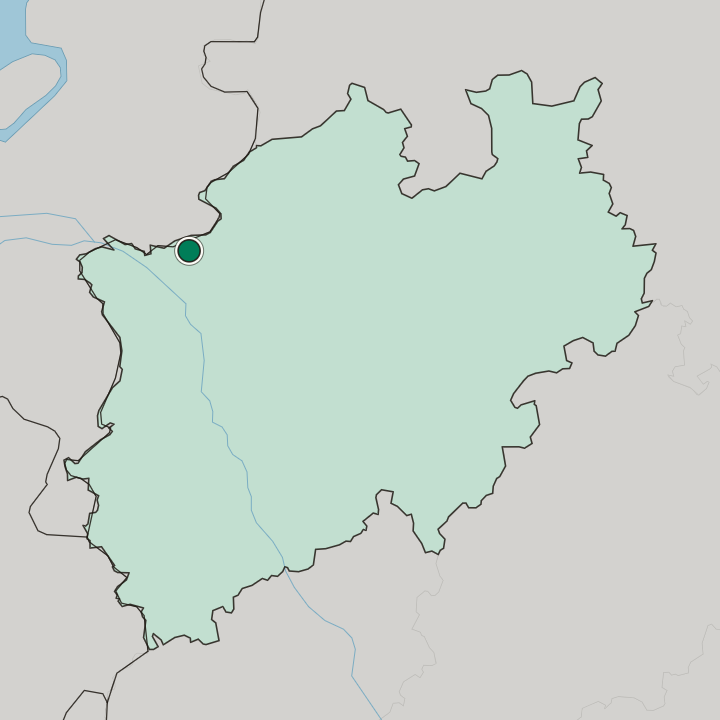
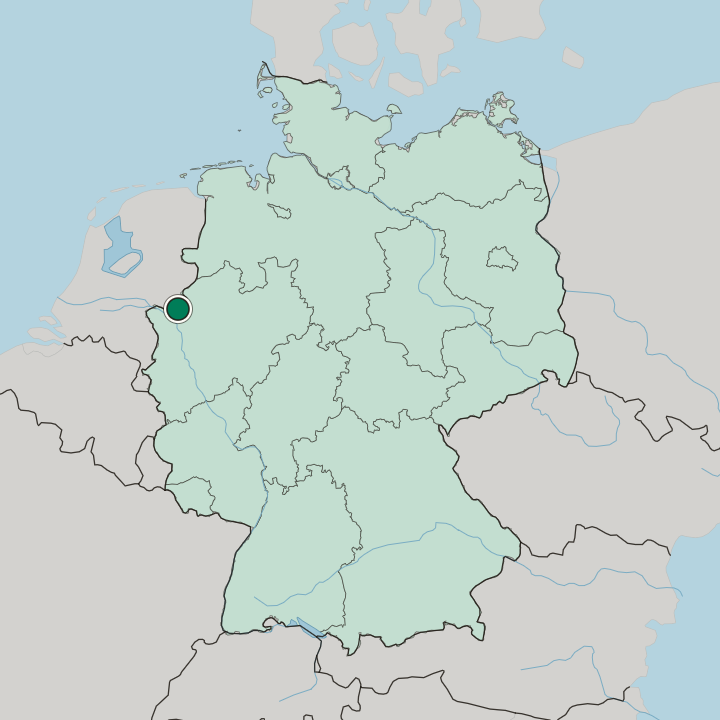
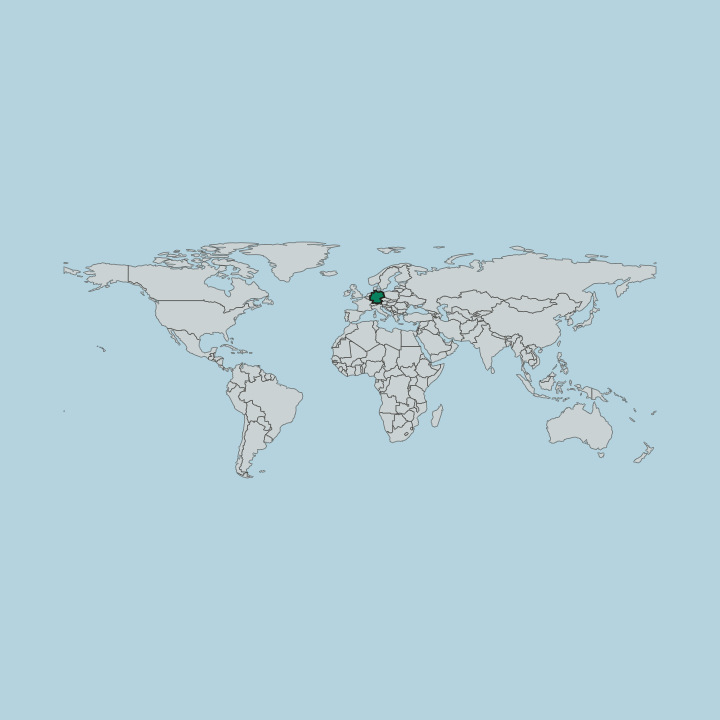
Bocholt covers roughly 119 square kilometres. That ground lies in the Münsterland, inside the Borken district of Nordrhein-Westfalen, and the frontier with the Netherlands runs 4 km away, close enough that Dutch traffic is part of the daily pattern. Suderwick takes that to its limit, built hard against Dinxperlo so that the two run together as one street pattern across the line.
West-Münsterland is the wider label for this corner. The old town sits at the middle of it.
What is the climate of Bocholt?
Wet weather is ordinary here. The temperate band over the Münsterland keeps Bocholt mild through the winter and moderate through the summer, with rain spread across the calendar rather than pushed into one season. Frost comes, but it seldom holds.
Market days in the old town and the crossing to Dinxperlo work in almost any month, which is part of why the shopping trade holds up through the whole year.
How do you get to Bocholt?
Roads bring nearly everyone into Bocholt. Bocholt sits in the Borken district with the Dutch frontier 4 km off, so traffic reaches it from both the Münsterland side and from Dinxperlo and the villages beyond the line. Suderwick is the crossing point on foot or by bicycle, since the built-up area simply continues into the Netherlands there.
The old town is walkable end to end. From there the Liebfrauenkirche and the Bocholt Craft Museum need no transport at all, while the LWL-Museum Textilwerk and the Sauna- & Wasserwelten Bahia sit far enough out to want a bus or a car.
Common questions
What is the best area to stay in Bocholt?
Old town: Shopping weekends around the Liebfrauenkirche and the mall. Suderwick: Day crossings to Dinxperlo on foot. Textilwerk side: Visitors here for the LWL-Museum Textilwerk.
Good for
More cities in Nordrhein-Westfalen
Updated October 2026