Germany · Nordrhein-Westfalen
Where to Stay in Krefeld, Nordrhein-Westfalen
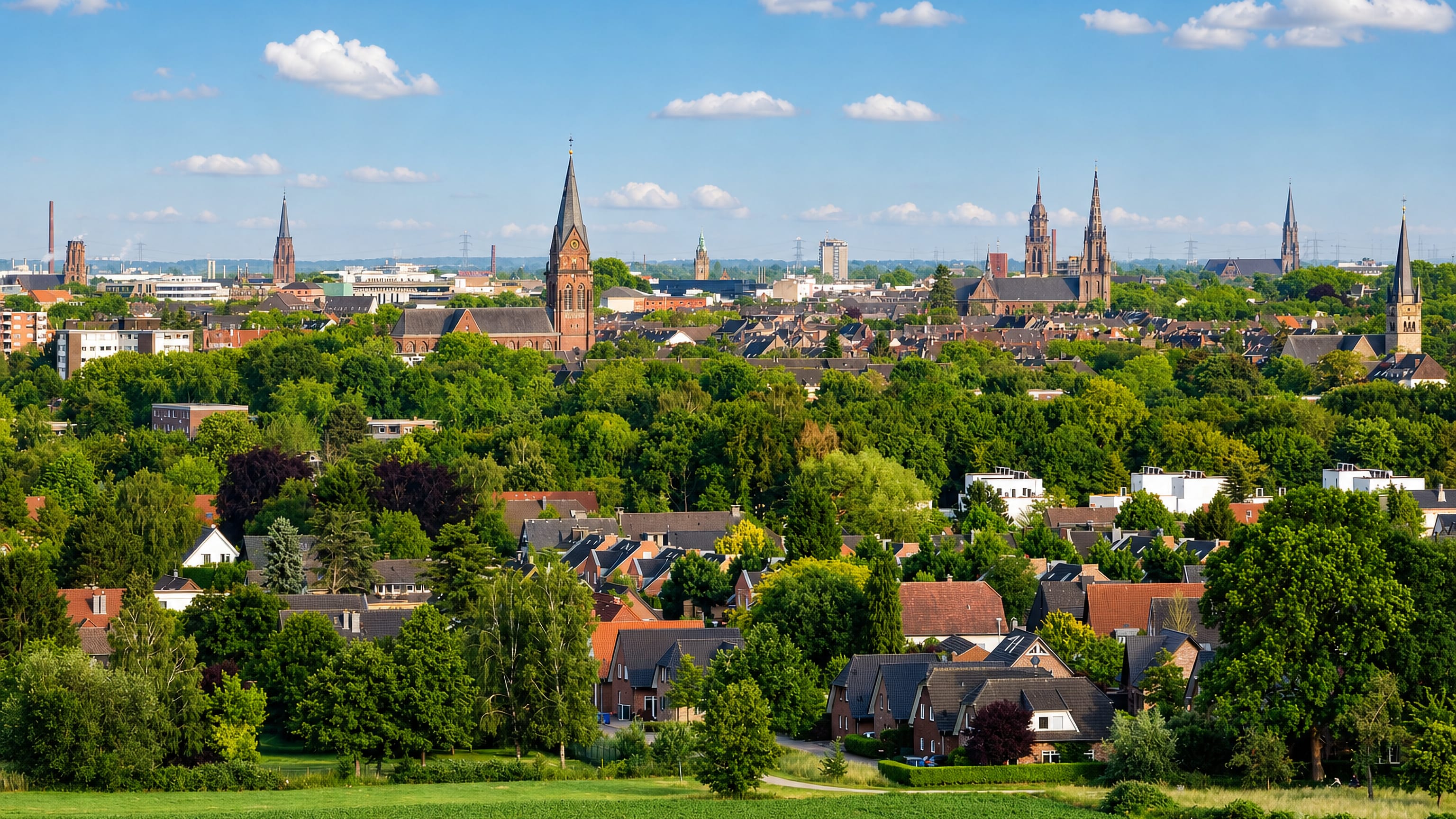
Krefeld is a city of Nordrhein-Westfalen built around the Kunstmuseen Krefeld, a zoo, and church quarters that were villages of their own.
Hotel links are affiliate links: booking through them may earn us a commission, at no extra cost to you. It never affects how places are ranked. How this works


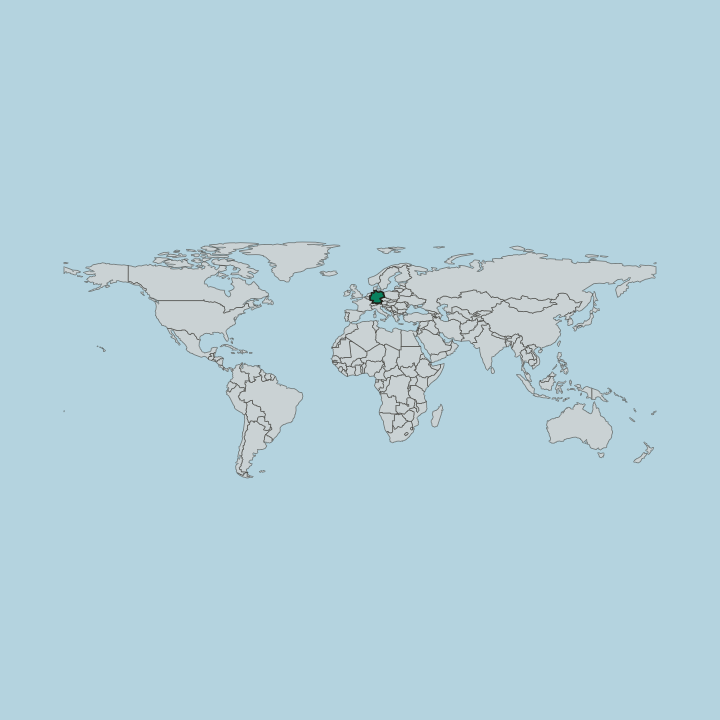
Where to stay in Krefeld
Where you base yourself shapes the visit — here's the character of each area.

 KrefeldGermanyQuiet nights near Saint Clemens Church
Fischeln
An outer Krefeld quarter built around Saint Clemens Church, well clear of the shopping core. Rooms are few around here — worth securing early.Fischeln →KrefeldGermanyVerberg
Museum Haus Lange stands in Verberg, a district of Krefeld whose other entries are churches: St. Hubertus, the Thomaskirche and Christus-König-Kirche.Where to stay →KrefeldGermany
Oppum
A Stadtteil of Krefeld in North Rhine-Westphalia, Oppum is marked by four parish churches and by the Fernmeldeturm Krefeld standing among its streets.Where to stay →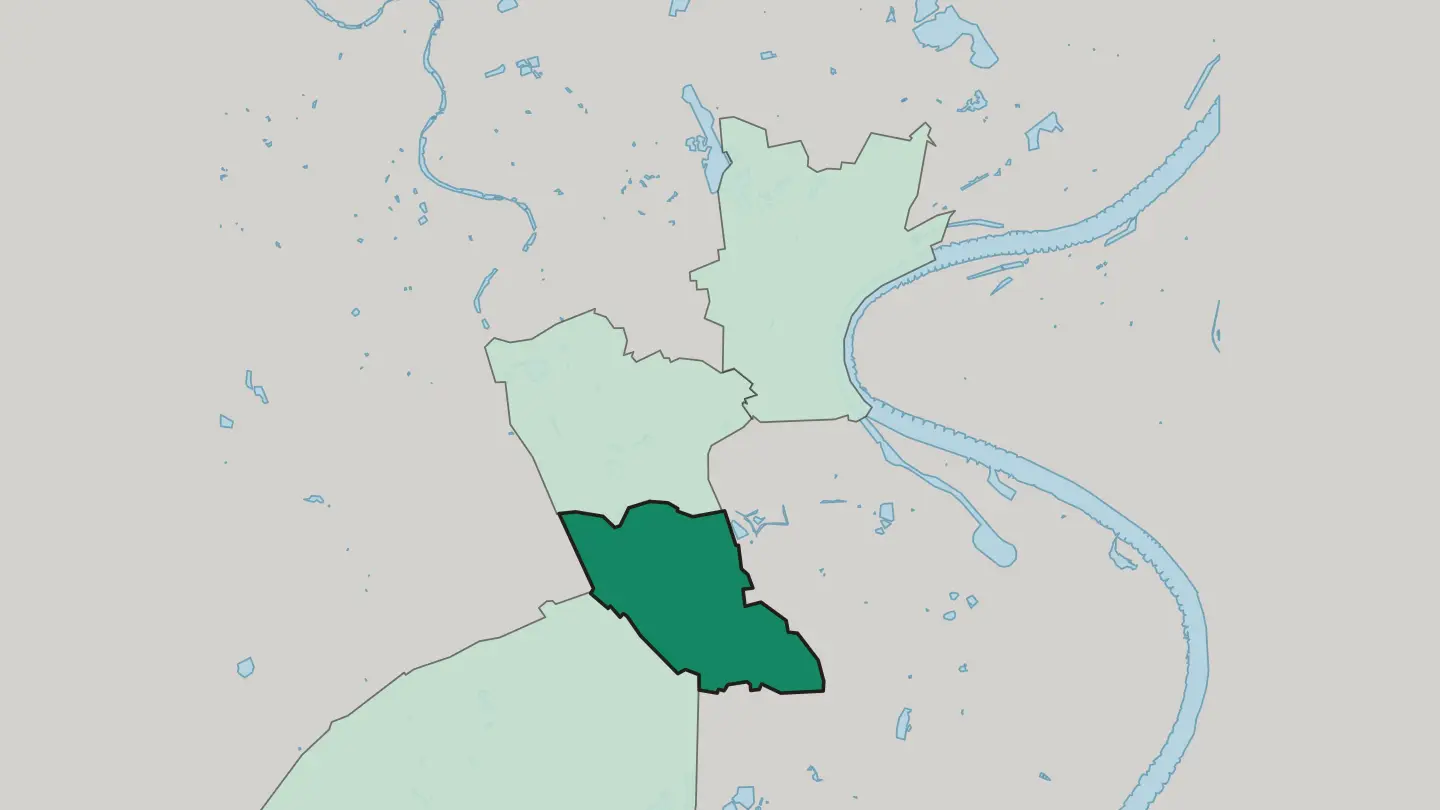 KrefeldGermany

Bockum
Bockum is the northeastern district of Krefeld, a residential quarter of parks and single houses gathered around the neogothic St. Gertrudis.Where to stay →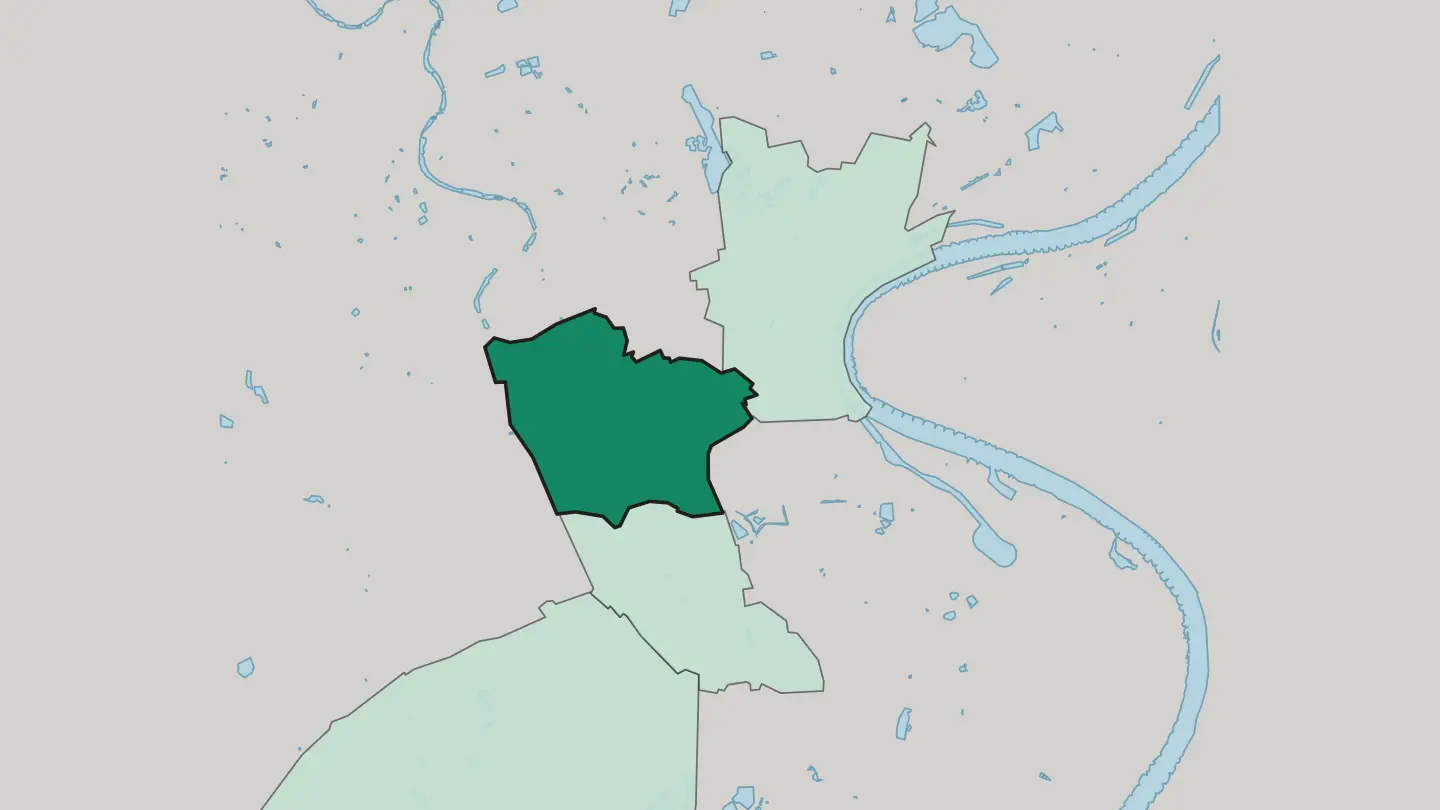
 KrefeldGermany
Traar
Traar is a Stadtteil of Krefeld covering 906 hectares, first recorded in 1255 through Albertus de Are, and named by decree in 1886.Where to stay →KrefeldGermany
Uerdingen
Once a city in its own right, Uerdingen merged into Krefeld in 1929 and keeps the Uerdinger Burg, its churches and a working industrial trade.Where to stay →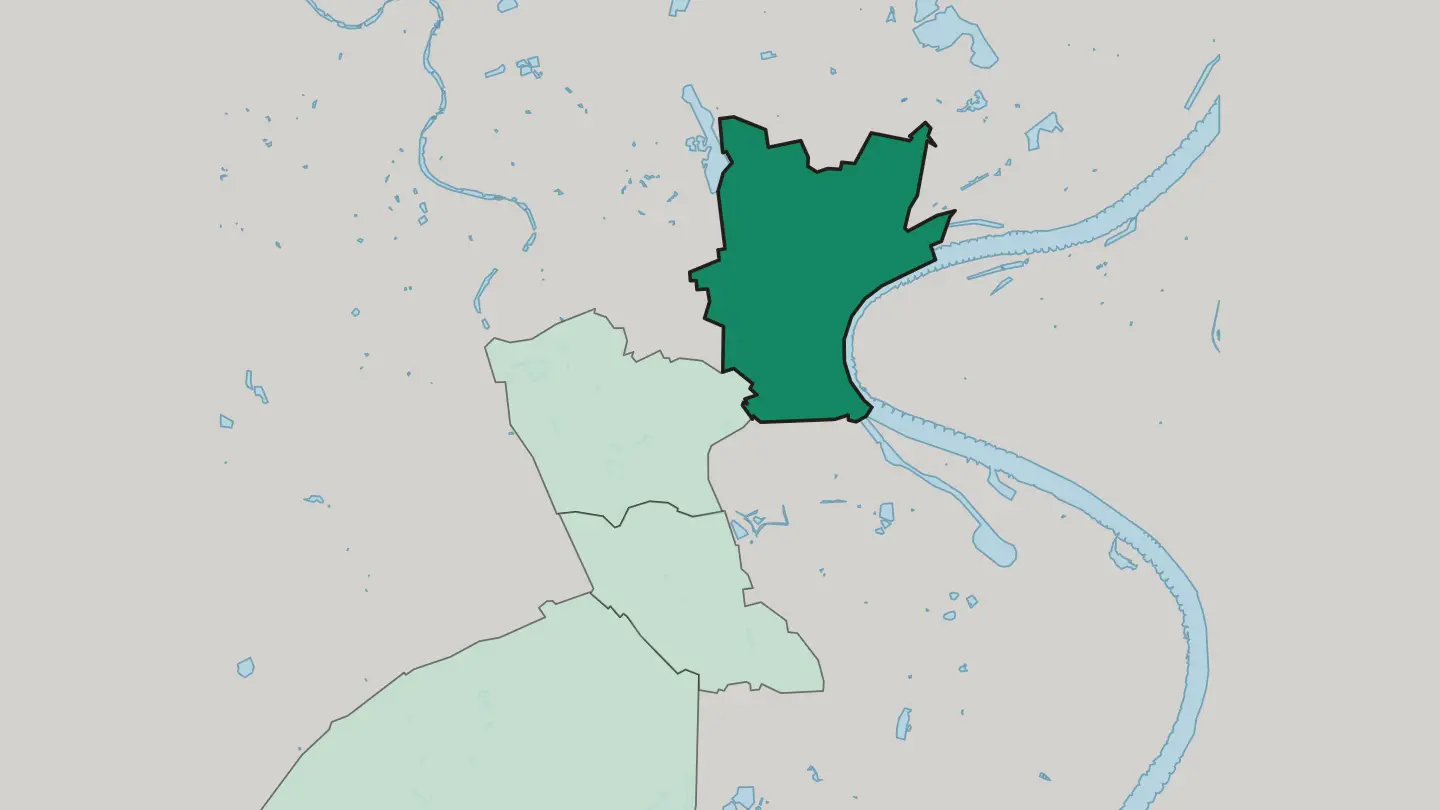
Hotel links are affiliate links: booking through them may earn us a commission, at no extra cost to you. It never affects how places are ranked. How this works
Find hotels in Krefeld
Direct booking searches for these neighbourhoods.
Around the Kaiser Wilhelm Museum
The Krefeld museum quarter, with the Kaiser Wilhelm Museum, Liebfrauenkirche and the shops in one walk.Find hotels in Around the Kaiser Wilhelm MuseumAn older Krefeld quarter beside Burg CracauCracau
Streets gathered around Burg Cracau, keeping a slower rhythm than the museum side. Rooms are few around here — worth securing early.Find hotels in CracauResidential calm by the Erlöserkirche LindenthalLindenthal
Low-traffic streets around the Erlöserkirche Lindenthal, an easy base for the Krefelder Zoo. Rooms are few around here — worth securing early.Find hotels in LindenthalHotel links are affiliate links: booking through them may earn us a commission, at no extra cost to you. It never affects how places are ranked. How this works
Things to do in Krefeld
Ranked by global recognition; descriptions from Wikidata (CC0).
Museums & Galleries
3- Kunstmuseen Krefeld
- Kaiser Wilhelm Museum
- Museum Haus Lange
Churches & Religious Sites
8- Liebfrauenkirche Heritage
- St. Hubertus (Krefeld) Heritage
- Alte Kirche Heritage
- Friedenskirche Heritage
- Saint Michael's Church Heritage
Show 3 more →
- St. Elisabeth Heritage
- St. Gertrudis Heritage
- St. Heinrich Heritage
Castles & Historic Sites
3- Haus Traar Heritage
- Uerdinger Burg Heritage
- Burg Cracau
Landmarks & Notable Places
1- Fernmeldeturm Krefeld
worth knowingacross 4 categories in Krefeld
About Krefeld
Art and animals share the billing.
What is Krefeld known for?
The Kunstmuseen Krefeld spread their collections through more than one building, with the Kaiser Wilhelm Museum the best known among them, while the Krefelder Zoo covers the family end of a day out. Faith takes many forms here. Mennonitenkirche Krefeld, the Apostolische Gemeinschaft, and the Freikirche der Siebenten-Tags-Adventisten stand on the same city list as Liebfrauenkirche and Herz-Jesu, which runs through very nearly every confession.
What are the main landmarks in Krefeld?
Krefeld's oldest standing piece is Burg Cracau. The Kaiser Wilhelm Museum anchors the Kunstmuseen Krefeld, the Krefelder Zoo draws the other half of the visiting traffic, and between them the churches supply a list long enough to fill an afternoon on its own. Alte Kirche and Mennonitenkirche Krefeld carry the plainest fronts.
Liebfrauenkirche, Herz-Jesu, and Saint Clemens Church hold the older parishes, while St. Hubertus, Zu den hl. Schutzengeln, and the Kapelle Kinderheim Marianum turn up in quarters a visitor would otherwise never reach.
What is the history of Krefeld?
Burg Cracau came before the city. A castle of that kind marks ground held long before anything like a modern municipality existed, and the Alte Kirche, whose name says nothing except that it is the old one, belongs to the same early stratum of the place. Villages then grew on their own account.
Fischeln kept Saint Clemens Church, Lindenthal kept what became the Erlöserkirche Lindenthal, and Cracau kept its castle, which is why those quarters still read as separate settlements pinned to the rim of one city. The imperial century left the largest single mark. The Kaiser Wilhelm Museum carries an emperor's name and the civic ambition that put it up, and the collection it started now runs through the Kunstmuseen Krefeld across more than one house.
Congregations multiplied in the same years. Mennonitenkirche Krefeld, the Freie Evangelische Gemeinde, the Apostolische Gemeinschaft, and the Freikirche der Siebenten-Tags-Adventisten each raised a building, so a city whose older parishes answered to Liebfrauenkirche, Herz-Jesu, St. Josef, and St. Elisabeth ended with a church list running through most confessions on offer. Newer parishes followed the growth outward, among them Erscheinung Christi, Auferstehungskirche, Christuskirche, and St. Thomas Morus.
A garrison left its own trace on the map as well. Bradbury Barracks Church carries an English name along with the soldiers who used it, and the Friedenskirche puts the word for peace on a Krefeld street corner.
Where is Krefeld?
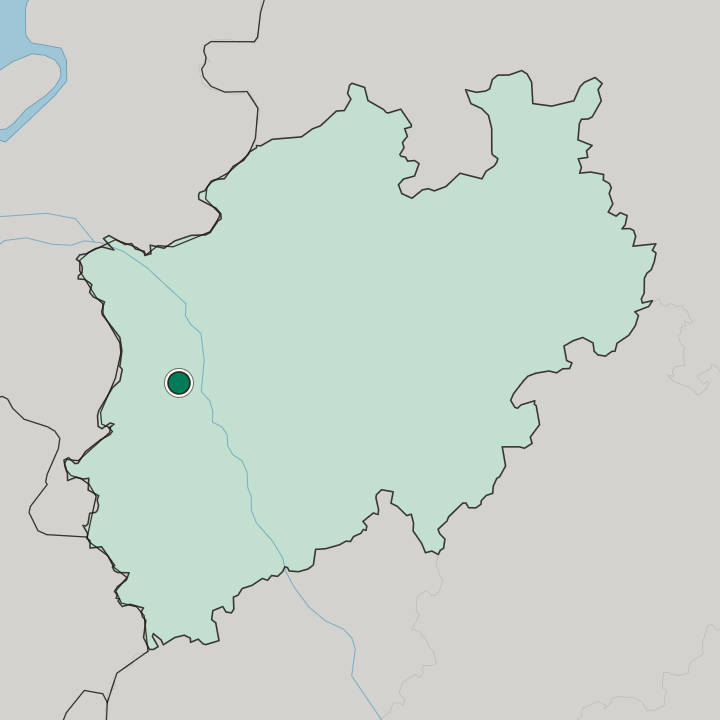
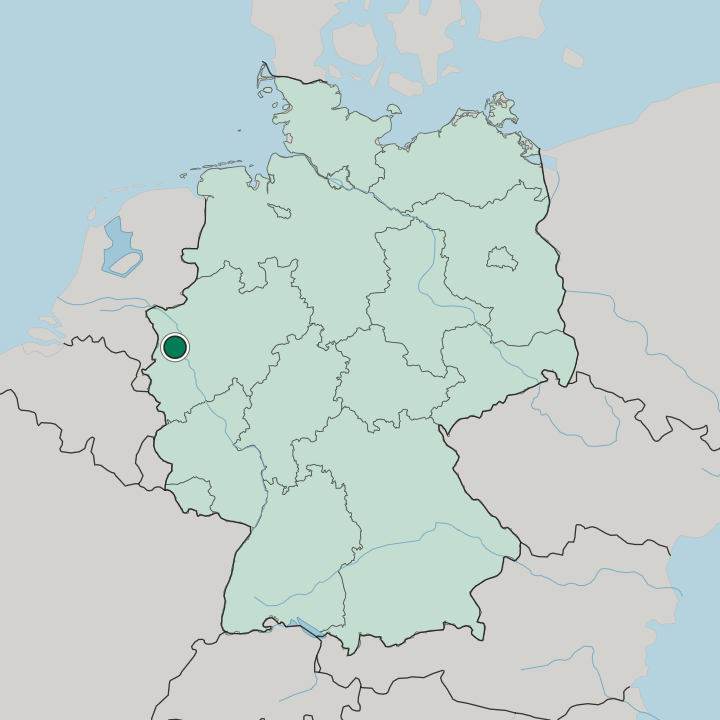
Krefeld lies in Nordrhein-Westfalen, and its municipal area holds a great deal more than the shopping core. Quarters that grew up separately still stand out across it, Fischeln around Saint Clemens Church, Lindenthal around the Erlöserkirche Lindenthal, and Cracau around Burg Cracau, so the city reads as one centre with old villages fixed along its rim. Green space sits among them.
The Krefelder Zoo takes one such pocket of ground.
What is the climate of Krefeld?
Four seasons, none of them severe. Krefeld sits in the temperate band, which keeps the colder half of the year grey and damp far more often than hard, lets summers warm without settling into long heat, and spreads rain through every month rather than saving it for one wet season. Snow is an event here.
Outdoor plans at the Krefelder Zoo work best from late spring through to early autumn.
How do you get to Krefeld?
Arrivals come by land. Krefeld sits inside the dense road and rail network of Nordrhein-Westfalen, close enough to the rest of the state that the approach counts as a short hop rather than a journey in its own right. Distance inside the city matters more.
Fischeln, Lindenthal, and Cracau lie well out from the middle, so reaching the Krefelder Zoo or the Kunstmuseen Krefeld from an outer quarter means a local ride or a short drive.
Common questions
What is the best area to stay in Krefeld?
Around the Kaiser Wilhelm Museum: Gallery days across the Kunstmuseen Krefeld. Cracau: An older Krefeld quarter beside Burg Cracau. Fischeln: Quiet nights near Saint Clemens Church. Lindenthal: Residential calm by the Erlöserkirche Lindenthal.
Good for
More cities in Nordrhein-Westfalen
Updated October 2026