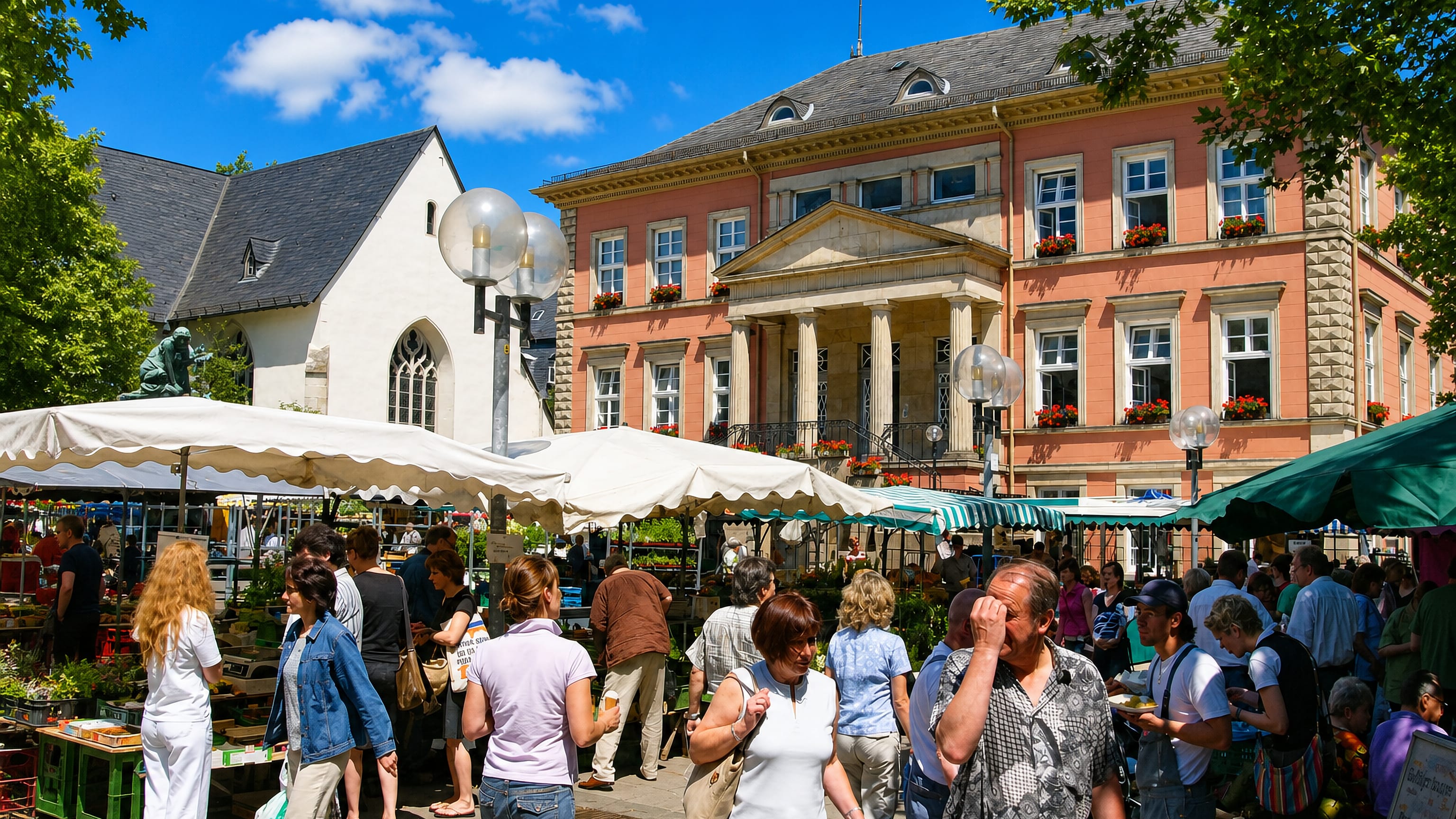
Germany · Nordrhein-Westfalen
Where to Stay in Detmold, Nordrhein-Westfalen
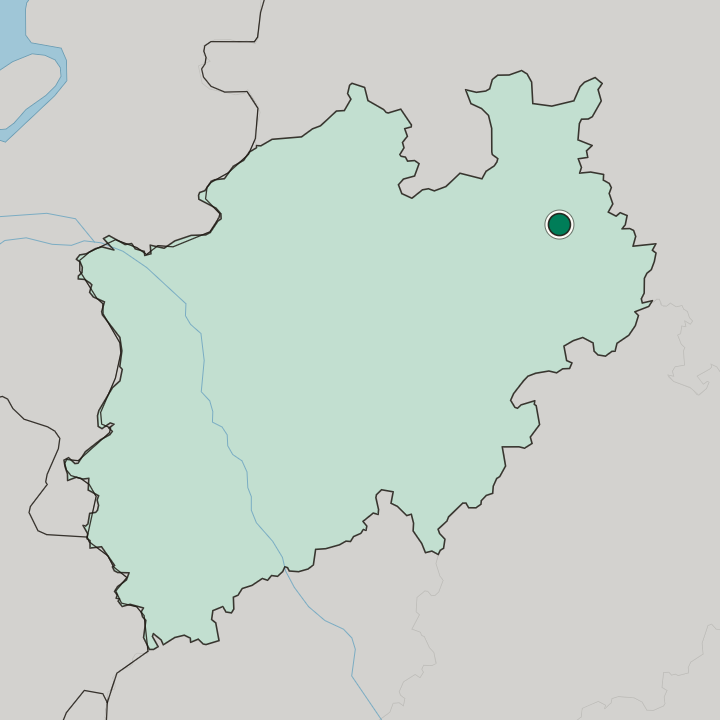
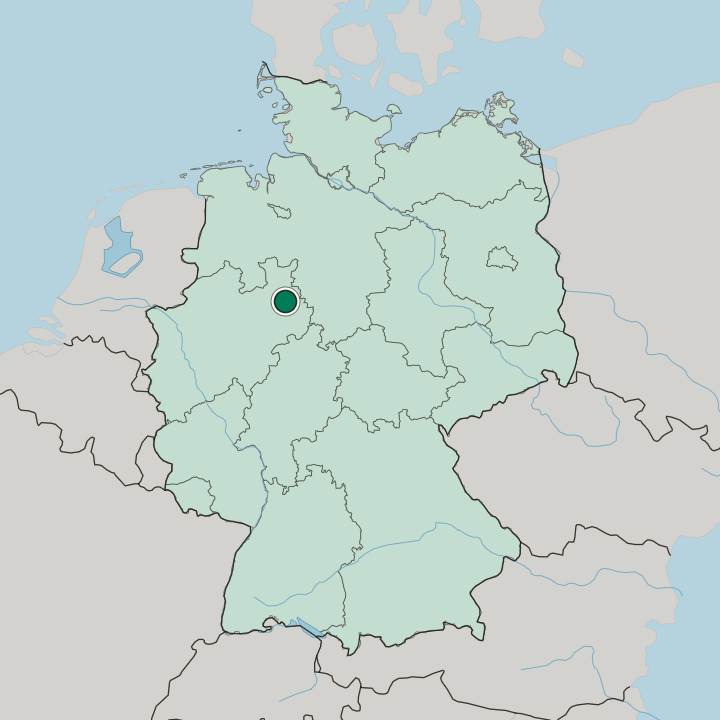
Detmold is the old capital of Lippe in Nordrhein-Westfalen, a Teutoburg Forest town of Schloss Detmold and a large open-air museum.
Hotel links are affiliate links: booking through them may earn us a commission, at no extra cost to you. It never affects how places are ranked. How this works


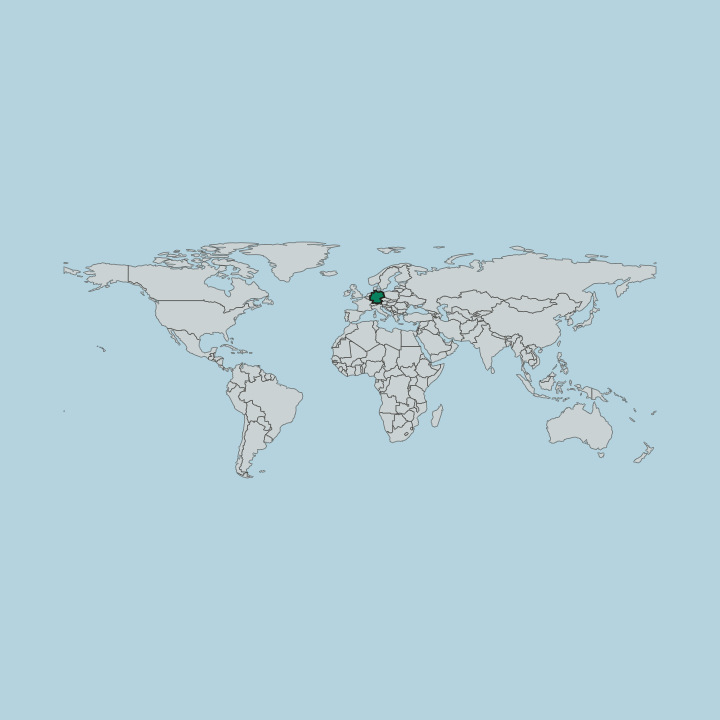
Where to stay in Detmold
Each area has its own feel; here's who each one suits.

 DetmoldGermany
Südholz
Südholz is a district of Detmold, the seat of Kreis Lippe in North Rhine-Westphalia.Where to stay → DetmoldGermany
Heidenoldendorf
Gut Braunenbruch and the Versöhnungskirche fix Heidenoldendorf on Detmold's map, one of the district names the city carries in Nordrhein-Westfalen.Where to stay → DetmoldGermany
Spork
Spork is a district of Detmold, just over three square kilometres of ground paired with Eichholz in the local name Spork-Eichholz.Where to stay →Hotel links are affiliate links: booking through them may earn us a commission, at no extra cost to you. It never affects how places are ranked. How this works
Find hotels in Detmold
Direct booking searches for these neighbourhoods.
Town centre
Schloss Detmold, the Lippisches Landesmuseum and the Erlöserkirche stand togetherFind hotels in Town centreFull days at the Detmold Open-air MuseumHeiligenkirchen
The Kirche Heiligenkirchen names this quarter out on the wooded edge. Lodging is scarce in this area; reserve in advance.Find hotels in HeiligenkirchenNights out among the Lippe villagesRemmighausen
The Evangelische Kirche Remmighausen and open country past it. Lodging is scarce in this area; reserve in advance.Find hotels in RemmighausenHotel links are affiliate links: booking through them may earn us a commission, at no extra cost to you. It never affects how places are ranked. How this works
Things to do in Detmold
Ranked by global recognition; descriptions from Wikidata (CC0).
Museums & Galleries
5- Lippisches Landesmuseum Heritage
- Haus Ameide Heritage
- Fasanerie Heritage
- Zehntscheune Heritage
- Kornhaus an der Ameide Heritage
Churches & Religious Sites
8- Christuskirche Heritage
- Erlöserkirche Heritage
- Kirche Heiligenkirchen Heritage
- St. Bonifatius Heritage
- Diakonissenhauskirche Heritage
Show 3 more →
- Evangelisch-reformierte Kirche Heidenoldendorf Heritage
- Evangelische Kirche Remmighausen Heritage
- Immanuelkirche Heritage
Castles & Historic Sites
2- Schloss Detmold Heritage
- Gut Braunenbruch Heritage
Landmarks & Notable Places
3- Rödlinghausen water tower Heritage
- Lange Straße 14 (Detmold) Heritage
- Schlagzeughaus
worth knowingacross 4 categories in Detmold
About Detmold
A princely seat, then an administrative one.
What is Detmold known for?
Schloss Detmold stands at the middle of the town that ruled the Principality of Lippe from 1468 until 1918, and the Lippisches Landesmuseum sets out what that principality left behind. The Detmold Open-air Museum is the bigger draw. Two smaller collections do unexpected work as well, the Art Kite Museum and the Museum für russlanddeutsche Kulturgeschichte, and the Schlagzeughaus adds a third.
What are the main landmarks in Detmold?
Schloss Detmold anchors the list. Around it the churches multiply: the Erlöserkirche, which serves the Church of Lippe as the preaching venue of its state superintendent, alongside the Christuskirche, the Versöhnungskirche, the Immanuelkirche and the Diakonissenhauskirche. Dreifaltigkeitskirche, Kirche Heiligenkirchen and the Evangelische Kirche Remmighausen extend the list into the outer quarters.
Museums take the other half, from the Detmold Open-air Museum and the Lippisches Landesmuseum to the Art Kite Museum and the Museum für russlanddeutsche Kulturgeschichte.
What is the history of Detmold?
Lippe ran from here for four and a half centuries. Detmold was the capital of the Principality of Lippe from 1468 until 1918, and Schloss Detmold is the building that made that possible, with the Zehntscheune and the Kornhaus an der Ameide surviving from the economy that supported it. The princes kept a Fasanerie and an estate at Gut Braunenbruch.
The title changed in 1918 without the town losing its function, and the Free State of Lippe kept its capital here until 1947. Administration outlived the monarchy. The Kirche Heiligenkirchen and the Evangelische Kirche Remmighausen belong to villages that sit inside the same city.
The offices are still here. Detmold is the administrative centre of the district of Lippe and of the Regierungsbezirk Detmold, and the Church of Lippe runs its own central administration from the town, with the Erlöserkirche as the preaching venue of its state superintendent. Its museums arrived afterwards.
The Detmold Open-air Museum gathered the building traditions of the region onto one site, the Lippisches Landesmuseum holds the principality's own record, and the Museum für russlanddeutsche Kulturgeschichte keeps the history of the Russian Germans. Lange Straße and the Christuskirche carry the ordinary town through all of it.
Where is Detmold?
Forest sets the frame. Detmold lies in the Teutoburg Forest region, the largest town of the Lippe district, and the wooded ridges reach close enough to the built-up streets that the outer quarters run straight into them. Heiligenkirchen, Remmighausen and Rödlinghausen are the named quarters out at that edge.
The city is the seat of the Regierungsbezirk Detmold within Nordrhein-Westfalen, which gives a town of this size a reach well past its own boundary. Gut Braunenbruch and the Fasanerie lie in the green.
What is the climate of Detmold?
The forest keeps it cooler. Teutoburg Forest ridges hold cloud and rain over Detmold through much of the year, so summers stay short of hot and winters arrive damp rather than severe, with snow more likely on the high ground than in the streets. Autumn is the forest's season.
The Detmold Open-air Museum and the walks around Gut Braunenbruch are worth more in dry months than in wet ones.
How do you get to Detmold?
Roads through the forest do most of it. Detmold sits inside the Lippe district with the Teutoburg Forest around it, so arrivals come across the district on regional links rather than on any main line that runs through the middle of the town. The centre itself needs no transport.
Schloss Detmold, the Lippisches Landesmuseum, the Erlöserkirche and the Lange Straße are all within one walk, while the Detmold Open-air Museum, Heiligenkirchen and Remmighausen want a bus or a car.
Common questions
What is the best area to stay in Detmold?
Town centre: Evenings on the Lange Straße after Schloss Detmold closes. Heiligenkirchen: Full days at the Detmold Open-air Museum. Remmighausen: Nights out among the Lippe villages.
Good for
More cities in Nordrhein-Westfalen
Updated October 2026