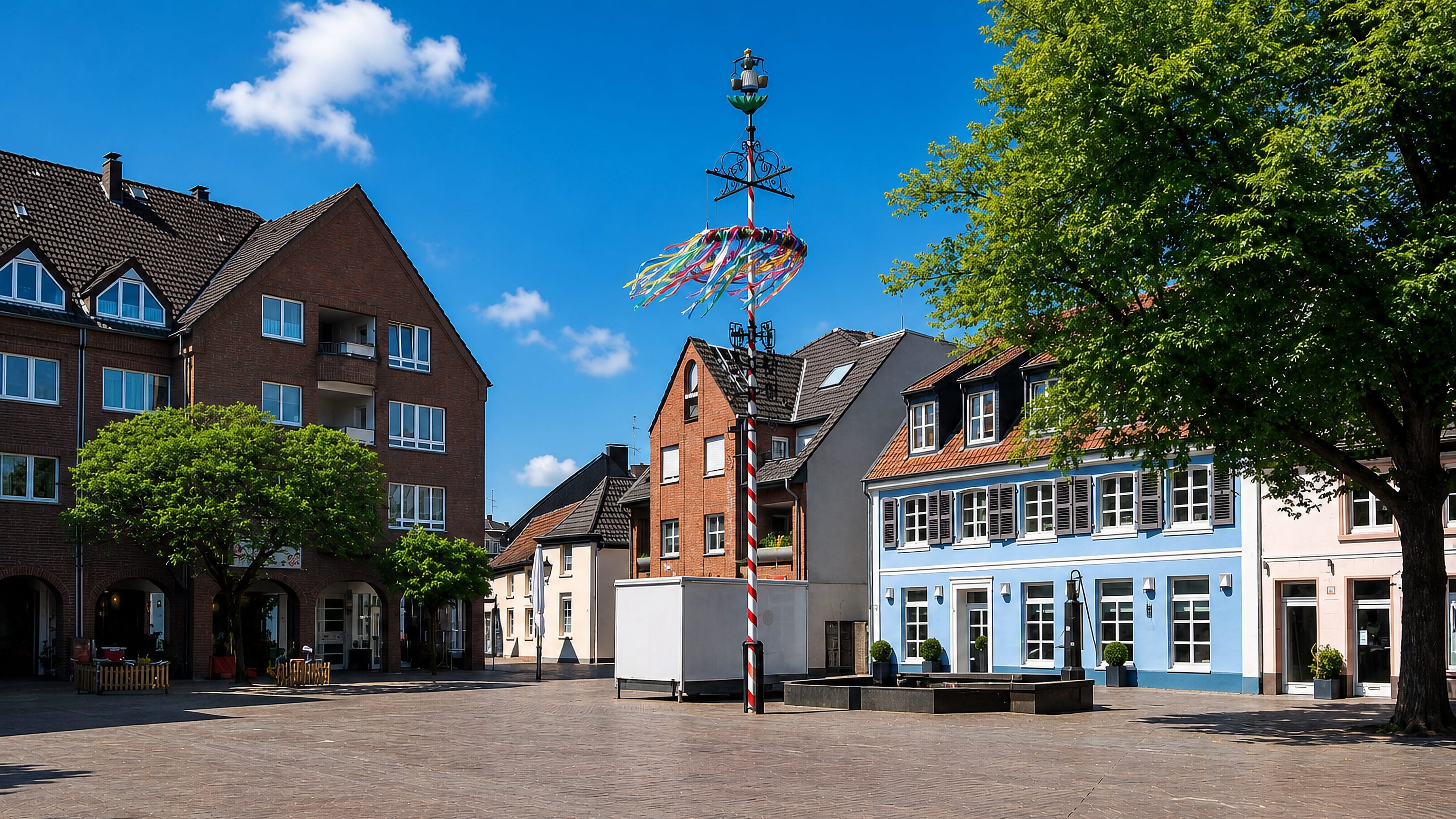
Germany · Nordrhein-Westfalen
Where to Stay in Dinslaken, Nordrhein-Westfalen
Burg Dinslaken anchors this Nordrhein-Westfalen town, with the Museum Voswinckelshof and the Evangelische Stadtkirche Dinslaken a short walk off.
Hotel links are affiliate links: booking through them may earn us a commission, at no extra cost to you. It never affects how places are ranked. How this works


Where to stay in Dinslaken
Where the beds are, and what that means for the visit.
Choose by the castle. A room in the old core of Dinslaken puts Burg Dinslaken, the Evangelische Stadtkirche Dinslaken and the Museum Voswinckelshof within a few minutes of one another, and that cluster is what most short stays are built around. Distances stay small there. Nordrhein-Westfalen towns of this size rarely ask for a car in the middle, and Dinslaken keeps its museum, its church and its castle in the same handful of streets.
Hiesfeld is the other named centre. The Mühlenmuseum Hiesfeld stands there, apart from the castle, and a bed on that side of Dinslaken trades the short walk into the core for quieter streets and simpler parking. Country houses ring the town.
Haus Loh, Haus Hückelhoven and Haus Watereck are scattered through the municipality, with Schloss Bärenkamp and Kloster Marienkamp among them, so anyone staying out there should expect to drive to dinner. Two memorials stand in the streets themselves. The Monument for Jeanette Wolff and the Hay Wagon Memorial are both reachable on foot from a central room, which is one more argument for a bed inside the old core rather than beyond it.
Hiesfeld suits a quieter week. Core streets near Burg Dinslaken suit a short visit, and the wider municipality of Dinslaken suits anyone with a car and an appetite for the country houses.
Find hotels in Dinslaken
Direct booking searches for these neighbourhoods.
Old core by Burg Dinslaken
Burg Dinslaken, the Museum Voswinckelshof and the Evangelische Stadtkirche Dinslaken stand minutes apart, so the core of Dinslaken needs no car at all.Find hotels in Old core by Burg DinslakenQuieter nights near the Mühlenmuseum HiesfeldHiesfeld
The Mühlenmuseum Hiesfeld gives this side of Dinslaken its landmark, and the streets around it stay calmer than the ground by the castle. Few places to stay nearby — book ahead.Find hotels in HiesfeldDrivers circling Schloss Bärenkamp, Haus Loh and Kloster MarienkampThe outer municipality
Haus Hückelhoven, Haus Watereck and Schloss Bärenkamp lie scattered across the country beyond the built streets of Dinslaken, where every errand becomes a drive. Lodging is scarce in this area; reserve in advance.Find hotels in The outer municipalityHotel links are affiliate links: booking through them may earn us a commission, at no extra cost to you. It never affects how places are ranked. How this works
Things to do in Dinslaken
Ranked by global recognition; descriptions from Wikidata (CC0).
Museums & Galleries
1- Museum Voswinckelshof
Churches & Religious Sites
4- St. Vincentius Heritage
- St.-Johannes-Kirche Heritage
- Evangelische Stadtkirche Dinslaken Heritage
- St. Marien Heritage
Castles & Historic Sites
3- Burg Dinslaken
- Haus Loh
- Schloss Bärenkamp
worth knowingacross 3 categories in Dinslaken
About Dinslaken
Burg Dinslaken comes first.
What is Dinslaken known for?
The castle gives the town its oldest fixed point, and the Evangelische Stadtkirche Dinslaken rises close enough to it that a single short walk takes in both buildings. Dinslaken's museums cover the remainder. Museum Voswinckelshof holds the town collection, while the Mühlenmuseum Hiesfeld sets out the milling trade in the Hiesfeld district that the museum takes its name from.
What are the main landmarks in Dinslaken?
Fourteen sites carry names here. Burg Dinslaken is the oldest of them, a castle at the heart of the town, and the Evangelische Stadtkirche Dinslaken supplies the principal church beside it. A pair of museums comes next.
Museum Voswinckelshof keeps the town collection, the Mühlenmuseum Hiesfeld covers milling, and Kloster Marienkamp, Schloss Bärenkamp, Haus Loh, Haus Hückelhoven and Haus Watereck complete the record of older buildings outside the core.
What is the history of Dinslaken?
Dinslaken's founding year went unwritten. What Dinslaken keeps instead is a built record, and the castle at its centre is the piece of it that the rest of the town appears to have grown around. Burg Dinslaken names the place.
The castle and the Evangelische Stadtkirche Dinslaken stand together in the core, and between them they account for the oldest layer the record names. Religious houses left their own mark. Kloster Marienkamp sits among the older foundations of Dinslaken, and the parish churches of the town account for several more of the fourteen sites the landmark register carries.
Country seats belong to the same list. Haus Loh, Haus Hückelhoven and Haus Watereck are recorded across the municipality, with Schloss Bärenkamp carrying the grander title, and together they mark out the ground beyond the built streets. Milling has a museum of its own.
The Mühlenmuseum Hiesfeld sets out that trade in the Hiesfeld district, the one part of Dinslaken with a museum given over to a single craft. Two memorials carry names as well. The Monument for Jeanette Wolff and the Hay Wagon Memorial stand among the named sites of the town, and the Museum Voswinckelshof holds the collection that carries what is left of the local record.
Where is Dinslaken?
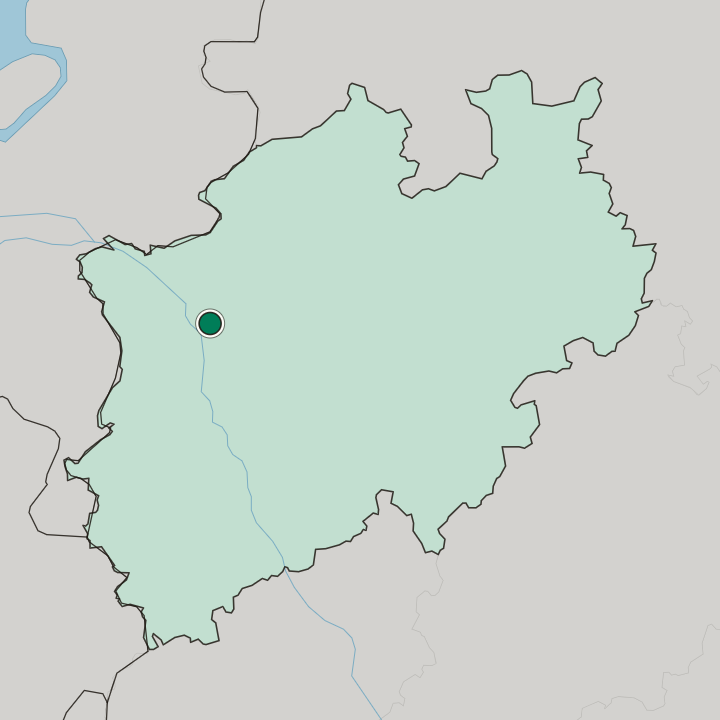
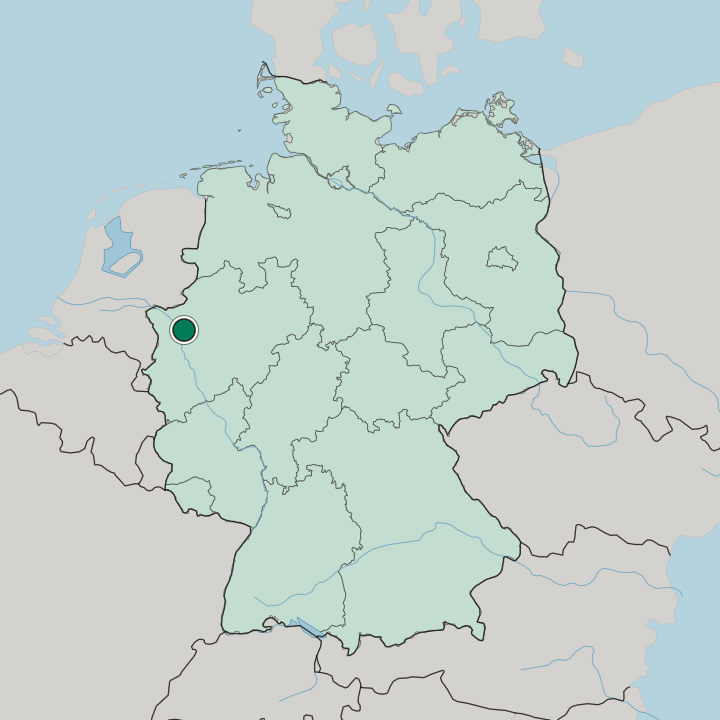
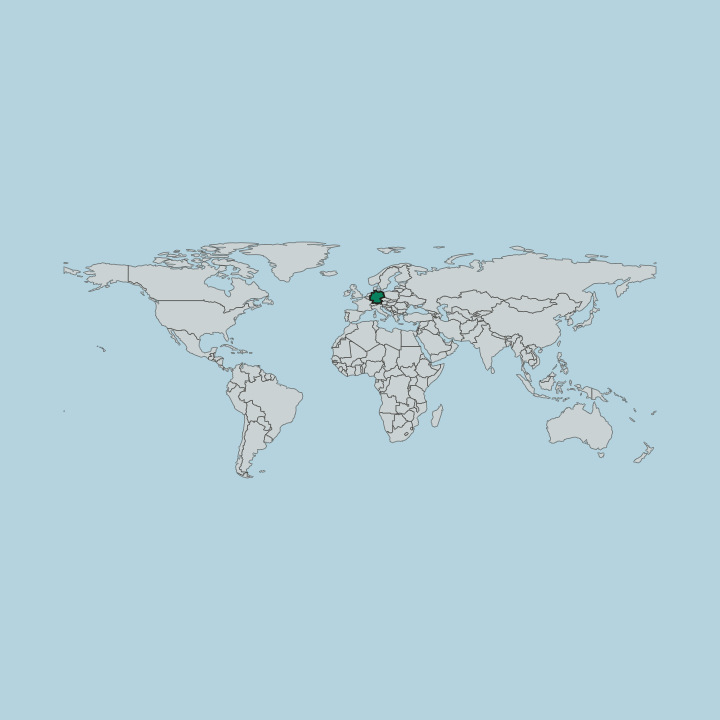
Dinslaken covers about 48 square kilometres. That territory in Nordrhein-Westfalen holds a built core around Burg Dinslaken plus outlying ground where Haus Watereck, Schloss Bärenkamp and the Hiesfeld district sit well apart from the centre. Hiesfeld is the named outlier.
The Mühlenmuseum Hiesfeld marks that district, and the gap between it and the Evangelische Stadtkirche Dinslaken measures how far the municipality reaches past its old streets.
What is the climate of Dinslaken?
Temperate weather shapes the Dinslaken year. Winters and summers both stay moderate across Nordrhein-Westfalen, so the walk between Burg Dinslaken and the Museum Voswinckelshof is comfortable in most months rather than in one narrow season. Rain arrives in any month.
Anyone planning a day around the Mühlenmuseum Hiesfeld and the country houses outside the town does well to carry a coat, because a temperate northern setting keeps no reliably dry season.
How do you get to Dinslaken?
Burg Dinslaken is the point to steer for. The castle and the Evangelische Stadtkirche Dinslaken stand close together in the core, and anyone arriving without a map can find the rest of the town from that pair inside an hour on foot. Hiesfeld sits apart.
Reaching the Mühlenmuseum Hiesfeld, Schloss Bärenkamp or Haus Watereck means leaving the middle of Dinslaken, and those parts of the municipality are laid out for driving.
Common questions
What is the best area to stay in Dinslaken?
Old core by Burg Dinslaken: Walkers who want Burg Dinslaken and the Museum Voswinckelshof at the door. Hiesfeld: Quieter nights near the Mühlenmuseum Hiesfeld. The outer municipality: Drivers circling Schloss Bärenkamp, Haus Loh and Kloster Marienkamp.
Good for
More cities in Nordrhein-Westfalen
Updated October 2026