Germany · Nordrhein-Westfalen
Where to Stay in Düren, Nordrhein-Westfalen
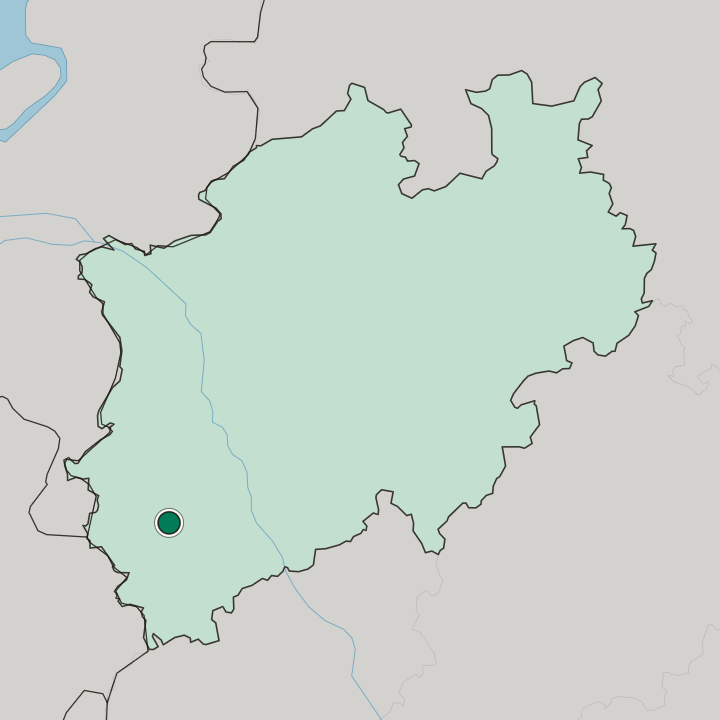
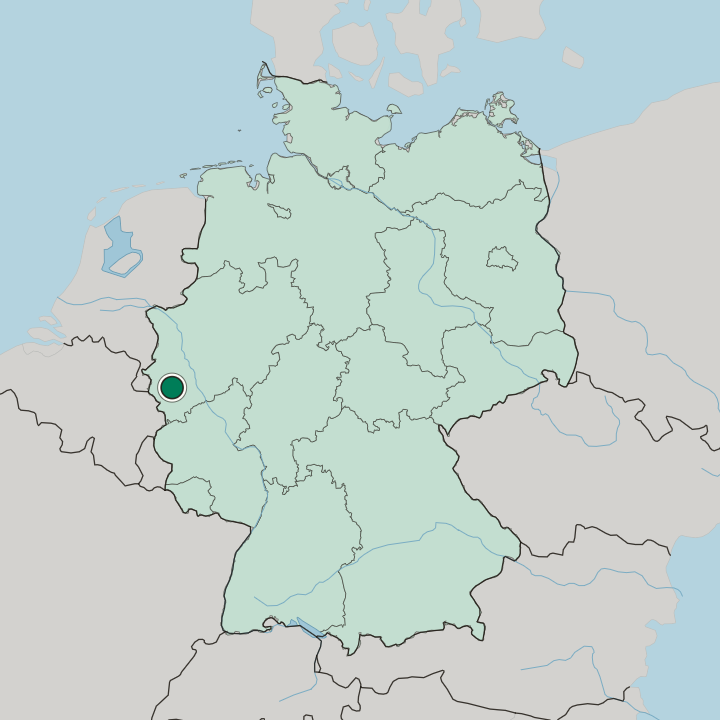
Düren lies on the Rur between Aachen and Cologne, with the Papiermuseum Düren and the Leopold-Hoesch-Museum near its Dicker Turm.
Hotel links are affiliate links: booking through them may earn us a commission, at no extra cost to you. It never affects how places are ranked. How this works


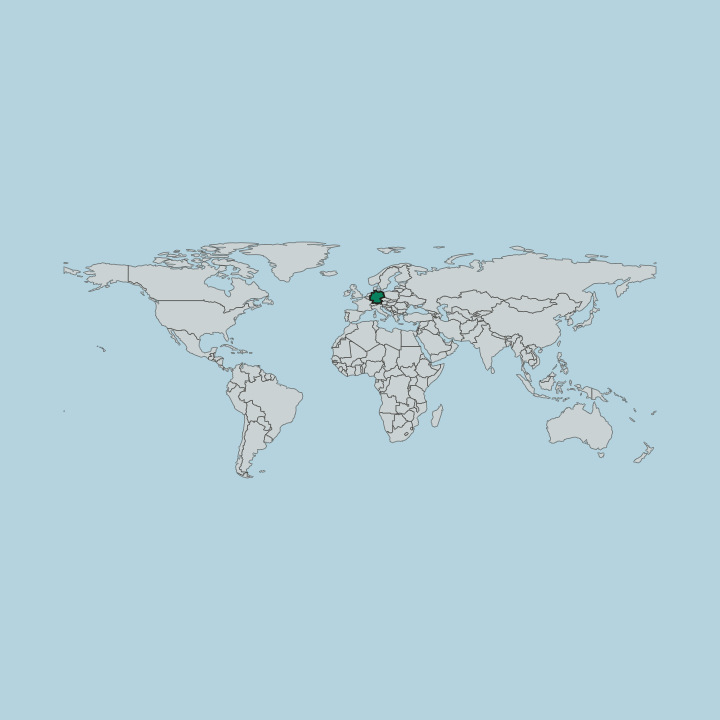
Where to stay in Düren
The practical side of choosing where to sleep.
The Dicker Turm marks the middle. A room near that tower puts the Leopold-Hoesch-Museum, the Papiermuseum Düren and the Stadtmuseum Düren inside a single walk, which is about as compact as this Rur town gets. Old houses survive on Holzstraße.
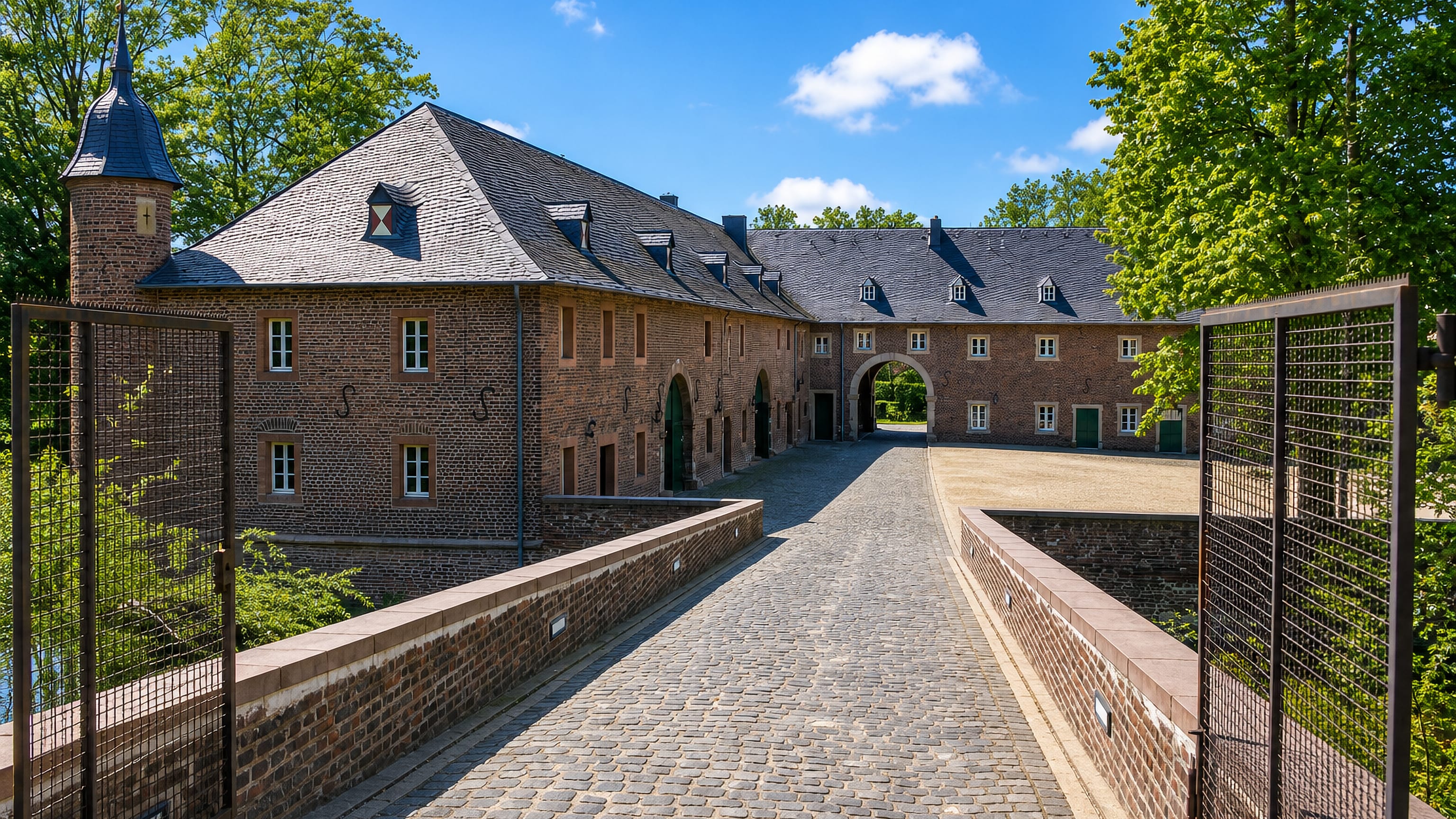
Holzstraße 15, 17, 19 and 31 are each recorded in their own right, four addresses on one street that hold much of what remains of the older town. Gürzenich sits apart. Burg Gürzenich stands out in that quarter, and a bed there swaps the museums for older country ground at the edge of the municipality.
Rölsdorf is the other outlier. The Saint Mary Chapel gives that district its named building, and either quarter asks for a car if the plan takes in the Dicker Turm and the Grönjansturm on the same day. Carnival changes everything.
The Dürener Karnevalsmuseum records a season when rooms across Düren fill and the streets by Christ Church carry crowds that the rest of the calendar never sees. Otherwise the centre wins. Anyone here for one or two nights should stay near the Dicker Turm, because the museums and Holzstraße are within reach on foot and the rest of the municipality is not.
Find hotels in Düren
Direct booking searches for these neighbourhoods.
Around the Dicker Turm
The Dicker Turm, the Leopold-Hoesch-Museum and the Papiermuseum Düren stand close enough that a central room turns a short visit into one continuous walk.Find hotels in Around the Dicker TurmNights out by Burg GürzenichGürzenich
Burg Gürzenich holds the older ground away from the museums, and beds in that quarter of Düren trade walking for space and a quiet road. Lodging is scarce in this area; reserve in advance.Find hotels in GürzenichQuiet stays near the Saint Mary ChapelRölsdorf
The Saint Mary Chapel gives Rölsdorf its named building, and rooms in that district come with parking rather than a short walk to the Stadtmuseum Düren. Lodging is scarce in this area; reserve in advance.Find hotels in RölsdorfHotel links are affiliate links: booking through them may earn us a commission, at no extra cost to you. It never affects how places are ranked. How this works
Things to do in Düren
Ranked by global recognition; descriptions from Wikidata (CC0).
Museums & Galleries
3- Leopold-Hoesch-Museum Heritage
- Papiermuseum Düren
- Portable Art Museum
Churches & Religious Sites
7- Christ Church (Düren) Heritage
- Saint Mary Chapel (Rölsdorf) Heritage
- Muttergotteshäuschen Heritage
- Klinikkirche Herz Jesu Heritage
- Katholische Kapelle Heritage
Show 2 more →
- Saint Joseph Chapel Heritage
- Saint Anthony the Great Chapel Heritage
Castles & Historic Sites
3- Burg Gürzenich Heritage
- Christ-Königs-Denkmal Heritage
- Ehrenmal am Fuchsberg
Landmarks & Notable Places
7- Holzstraße 17 (Düren) Heritage
- Dicker Turm Heritage
- Holzstraße 15 (Düren) Heritage
- Holzstraße 19 (Düren) Heritage
- Holzstraße 31 (Düren) Heritage
Show 2 more →
- Grönjansturm Heritage
- Haus Heerweg 8 (LVR-Klinik Düren) Heritage
worth knowingacross 4 categories in Düren
About Düren
Paper made the name.
What is Düren known for?
The Papiermuseum Düren records that trade, and the Leopold-Hoesch-Museum, the Stadtmuseum Düren and the Portable Art Museum give the town four collections inside a short radius. Carnival has its own. The Dürener Karnevalsmuseum and the Feuerwehrmuseum round out a list of museums longer than 85 square kilometres on the Rur would lead anyone to expect.
What are the main landmarks in Düren?
Chapels dominate the count. The Muttergotteshäuschen, the Katholische Kapelle, the Saint Joseph Chapel and the Saint Anthony the Great Chapel are all recorded here, alongside the Klinikkirche Herz Jesu and Christ Church. Two towers stand out.
The Dicker Turm and the Grönjansturm carry the town's two tower names, while Burg Gürzenich, the Christ-Königs-Denkmal and the Ehrenmal am Fuchsberg belong to quite different centuries.
What is the history of Düren?
The Rur runs through it. Düren grew on that river between Aachen and Cologne, a position between two much larger places that shaped the town long before any of its museums existed. Karmel Düren records a religious foundation.
The Muttergotteshäuschen, the Katholische Kapelle and the Saint Anthony the Great Chapel belong to the same devotional layer, and nine church buildings appear on the register in all. Towers came with the walls. The Dicker Turm and the Grönjansturm are the two that survive, while Burg Gürzenich carries the fortified name out in its own quarter of the municipality.
Four addresses survive together. Holzstraße 15, 17, 19 and 31 are each listed in their own right, a record of how the older streets of the town were built. Paper changed everything after that.
The Papiermuseum Düren exists because that trade mattered here, and the Leopold-Hoesch-Museum, the Stadtmuseum Düren and the Portable Art Museum followed as the collections a working town could support. Memory has its markers. The Christ-Königs-Denkmal and the Ehrenmal am Fuchsberg stand among the named sites, while the Dürener Karnevalsmuseum and the Feuerwehrmuseum record traditions belonging to the town rather than to the river.
Where is Düren?
The Rur cuts through Düren. The town covers about 85 square kilometres between Aachen and Cologne, ground that reaches from the museum streets out to Gürzenich and Rölsdorf on the municipal edge. Two districts carry names.
Burg Gürzenich and the Saint Mary Chapel mark those outer quarters, while the Dicker Turm fixes the middle for anyone trying to read the shape of the place.
What is the climate of Düren?
The Rur valley stays temperate. Neither season swings far in the country between Aachen and Cologne, so the walk from the Dicker Turm to the Papiermuseum Düren is comfortable through most of the calendar. Wet weeks happen.
A grey afternoon belongs indoors at the Leopold-Hoesch-Museum, the Stadtmuseum Düren or the Feuerwehrmuseum, none of which cares what the sky over the Rur is doing.
How do you get to Düren?
Aachen and Cologne bracket the town. Düren sits between the two on the Rur, which makes it a stop rather than a terminus, and any arrival reaches the museum streets quickly once inside the built-up part. The Dicker Turm orients.
Burg Gürzenich, Rölsdorf and the Ehrenmal am Fuchsberg all lie well away from that centre, so a plan taking in the outer quarters wants wheels.
Common questions
What is the best area to stay in Düren?
Around the Dicker Turm: Museum walks starting at the Dicker Turm. Gürzenich: Nights out by Burg Gürzenich. Rölsdorf: Quiet stays near the Saint Mary Chapel.
Good for
More cities in Nordrhein-Westfalen
Updated October 2026